- Company Articles
- Products and Technology
- Product knowledge
- What is 40 Roller Track Placon Mount drop High? A Complete Definition & Overview

What is 40 Roller Track Placon Mount drop High? A Complete Definition & Overview
Related Product
40 Roller Track Placon Mount drop High
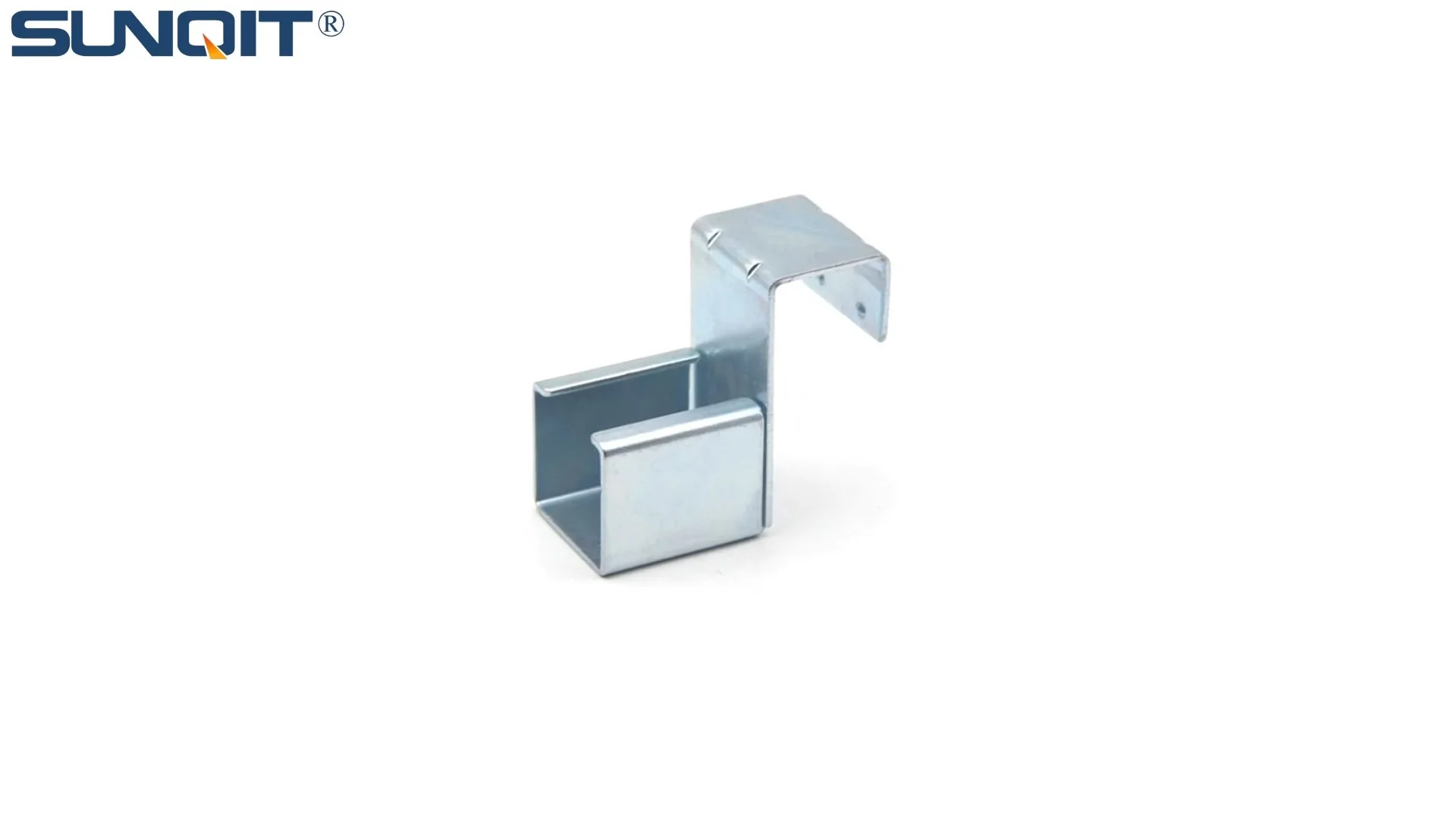
Roller track placon mount work as a connector for roller track and pipe or aluminum profile in rack syetem, it is a necessary parts in rack system which widely used in industrial plant and logistic,warehouse storage.
Walk into any modern manufacturing facility—whether it's a bustling 3C assembly line churning out smartphones or a precision medical device workshop—and you'll notice one thing: movement . Parts need to flow from storage to assembly stations, finished products need to glide to packaging, and every second of delay eats into productivity. That's where tools like the 40 Roller Track Placon Mount drop High come in. It's not just a "piece of equipment"; it's the unsung hero that keeps your factory's heartbeat steady, ensuring materials move smoothly, workers stay focused, and your operations stay lean. But what exactly is it? Let's break it down, step by step.
First Things First: What Even Is "40 Roller Track Placon Mount drop High"?
If you're new to the world of material handling, that name might sound like a mouthful. Let's parse it out in plain language:
- 40 : This typically refers to the width (in millimeters) of the track or the aluminum profile it's mounted on—think of it as the "size" that determines how much weight and space it occupies.
- Roller Track : The star of the show—parallel rollers (or wheels) that let materials slide with minimal friction, like a mini conveyor belt for parts.
- Placon Mount : The mounting system that attaches the roller track to your workspace (usually aluminum profiles or frames). "Placon" here refers to the type of bracket or connector that holds everything together securely.
- drop High : The secret sauce. Unlike "flat" mounts that keep the track level with the frame, "drop high" means the track sits slightly lower than the mounting surface. Imagine a small step down—this subtle height difference uses gravity to help materials glide forward, even with minimal push.
Put it all together, and you get a low-profile, gravity-assisted roller track system designed to move parts, bins, or components between workstations with ease. It's like adding a "magic slide" to your production line—no motors, no complex wiring, just smooth, reliable flow.
Anatomy of the 40 Roller Track Placon Mount drop High: What Makes It Tick?
To really understand how this tool works, let's peek under the hood. Think of it as a puzzle with a few key pieces, each playing a critical role:
1. The Backbone: Aluminum Profile
Everything starts with the frame, and 9 times out of 10, that frame is made of aluminum profile . Why aluminum? It's lightweight but tough—resistant to rust, easy to cut or drill, and sleek enough for clean environments like medical labs. The "40" in the name often ties back to this profile's width, ensuring the track has a stable base to sit on.
2. The Gliders: Roller Track
The roller track itself is a row of small, evenly spaced wheels (usually plastic or steel) mounted on an axle. For "drop high" designs, these wheels are set slightly below the top of the aluminum profile. When you place a bin or part on the track, gravity takes over—the "drop" gives it a gentle nudge forward, so workers don't have to strain to push heavy items. It's like how a sled slides downhill, but controlled and predictable.
3. The Connectors: Placon Mounts & Brackets
You could have the best rollers in the world, but without sturdy mounts, the system falls apart. Placon mounts are the brackets that bolt the roller track to the aluminum profile. They're designed to be adjustable—so you can tweak the angle of the track (yes, even the "drop high" part!) to match your needs. Some mounts have slots for easy repositioning, others have locking mechanisms to keep things steady once set. Think of them as the "glue" that turns separate parts into a unified system.
4. The Safety Net: End Supports & Stops
Ever seen a bin slide off a track and crash? Not ideal. That's why most 40 Roller Track Placon Mount drop High systems come with end supports—small brackets that keep the track from wobbling—and stops (little barriers) at the end to catch materials before they go too far. It's the "guard rail" that keeps your parts (and your sanity) intact.
| Component | Job | Why It Matters |
|---|---|---|
| Aluminum Profile | Base frame | Lightweight, durable, and compatible with other lean system parts |
| Roller Track | Material movement | Reduces friction; gravity-assisted "drop high" design saves effort |
| Placon Mounts | Attachment & adjustment | Allows customization of angle/height for your specific workflow |
| End Supports/Stops | Safety & control | Prevents spills, damage, and worker injuries |

How Does It Actually Work? Let's Get Practical
Enough theory—let's talk about your factory . Say you run a 3C assembly line building laptops. Your workers need screws, circuit boards, and casings to reach their workbench without leaving their seats. Here's how the 40 Roller Track Placon Mount drop High fits in:
- Set it up : Mount the aluminum profile to your workstation frame (or a standalone rack). Attach the placon mounts, then snap the roller track into place—adjusting the "drop high" so the track slopes gently toward the worker.
- Load it up : Place bins of screws or small parts onto the track. Thanks to the drop, they'll start sliding forward slowly on their own.
- Work smarter : The worker grabs parts as they roll by, no more bending to reach under a shelf or walking to a storage bin. When the bin is empty, slide a full one onto the track from the back—it pushes the empty one forward, and the cycle repeats.
No motors, no buttons, no hassle. It's gravity + smart design = productivity boost . And because it's modular, you can add more tracks, extend the length, or reangle it if your workflow changes—no need to buy a whole new system.

Who Needs This? Spoiler: Probably You
This track isn't a "one-size-fits-all" tool, but if your work involves repetitive material movement between stations, it's a game-changer. Here are the industries (and scenarios) where it shines brightest:
1. 3C & Electronics Assembly
Phones, laptops, smartwatches—these tiny devices have hundreds of small parts. Workers can't waste time hunting for components. A 40 Roller Track Placon Mount drop High keeps screws, microchips, and casings flowing right to their fingertips, cutting down on "dead time" and errors.
2. Medical Device Manufacturing
Cleanliness and precision are non-negotiable here. Aluminum profiles resist rust, and plastic rollers won't shed debris—perfect for environments where even a speck of dust could ruin a batch. Plus, the gentle glide means fragile parts (like surgical tools) won't get jostled.
3. Automotive & Parts Production
Heavier parts? No problem. Steel rollers (an option in some models) can handle bins of nuts, bolts, or small engine components. Mount the track between a storage rack and an assembly line, and watch as materials move without forklifts or manual lifting.
4. Lean Warehousing & Distribution
Even warehouses need "lean" solutions. Use the drop high track to connect picking stations to packing areas—boxes slide down, workers pack, and the system keeps up with demand without bottlenecks.
Pro tip: Pair it with a lean system like a workbench E (single deck) or a material rack B, and you've got a fully integrated workspace where everything has its place.

Why "drop High" Over "Flat"? The Big Advantages
You might be thinking, "Can't I just use a flat roller track?" Sure—but the "drop high" design adds three key benefits that make it worth the extra consideration:
1. Less Effort, More Output
Remember that height difference? It means workers don't have to push heavy bins as hard. A gentle nudge is all it takes to get materials moving, reducing fatigue and lowering the risk of repetitive strain injuries. In busy shifts, that small change adds up to hours of saved energy.
2. Smoother Flow, Fewer Jams
Flat tracks rely on workers to keep things moving, which can lead to "traffic jams" if someone forgets to push a bin. With drop high, gravity does the work—materials flow consistently, so stations never run out of parts (or get overwhelmed with too many).
3. Better Space Use
Because it sits lower than the mounting frame, the drop high track frees up space above for other tools or storage. Think of it as "under-cabinet storage" for your production line—maximizing vertical space while keeping the workspace clutter-free.
Comparing Apples to Apples: drop High vs. Other Roller Tracks
Not all roller tracks are created equal. Let's see how the 40 Roller Track Placon Mount drop High stacks up against two common alternatives:
| Feature | 40 Roller Track Placon Mount drop High | Flat Placon Mount Roller Track | Motorized Conveyor |
|---|---|---|---|
| Cost | Budget-friendly (no motors) | Similar to drop high | Expensive (motors, wiring, maintenance) |
| Installation | DIY-friendly (modular clips/brackets) | Same as drop high | Requires electricians/experts |
| Power Source | Gravity (no electricity) | Manual push or gravity (if sloped) | Electricity |
| Best For | Low-to-medium weight, repetitive flow (e.g., 3C parts) | Level movement, light loads | Heavy loads, long distances (e.g., automotive chassis) |
Bottom line: If you need a simple, affordable way to move small-to-medium parts between nearby stations, drop high is hard to beat. It's not trying to replace a full conveyor system—but for most day-to-day, workstation-level material flow, it's more than enough.
Real-World Win: How One Factory Cut Waste with This Track
Let's hear from a real user (we'll call them "TechCo"), a mid-sized electronics manufacturer in China. Before using the 40 Roller Track Placon Mount drop High, their assembly line had a problem: waiting . Workers spent 20% of their shifts walking to fetch parts from storage racks, and bins often got stuck under workbenches, causing delays.
They installed 10 drop high tracks along their workstations, paired with aluminum profile frames and material rack B units. The results? Within a month:
- Worker movement decreased by 35%—they stayed at their stations, focused on assembly.
- Part errors dropped by 15% (fewer mix-ups when parts are right in front of you).
- Line throughput increased by 22%—they built more phones per shift without hiring extra staff.
TechCo's manager summed it up: "We thought we were 'lean' before, but this track showed us how much waste was hiding in plain sight. It's not just about moving parts—it's about letting people do their best work."
Buying Guide: What to Look for in a Quality drop High Track
Ready to add this to your workflow? Great—but not all tracks are created equal. Here's what to check before you buy:
1. Material Quality
Aluminum profiles should be thick enough to handle your load (look for 1.5mm+ walls). Rollers? Plastic is fine for light parts, but steel is better for heavier bins. Avoid flimsy plastic brackets—they'll warp or break under stress.
2. Customization Options
Can you adjust the "drop high" height? Add extra rollers? Mix and match with other lean system parts (like casters for mobility)? A good supplier will let you tweak the system to fit your space, not the other way around.
3. Compatibility
Make sure the track works with your existing setup. If you already use aluminum profiles (like 4040 or 3030), check that the placon mounts fit those grooves. No one wants to buy a track that won't attach to their workbench!
4. Supplier Support
Even the best tools need backup. Look for a supplier who offers:
- Fast shipping (no waiting weeks for parts).
- Clear installation guides (or even video tutorials).
- Warranty on parts (rollers, brackets, etc.).
Pro tip: Ask for a sample! A reputable supplier will send a small section of track so you can test it with your actual bins and parts before buying in bulk.
FAQs: Your Burning Questions, Answered
Still curious? Let's tackle the most common questions we hear:
Q: How much weight can it hold?
A: Most 40mm tracks handle 50-100kg per meter, depending on the roller material and bracket strength. Check the specs—if you're moving heavy metal parts, go for steel rollers and reinforced mounts.
Q: Can I use it in a wet or dusty environment?
A: Aluminum resists rust, so it's fine for slightly damp areas (like some warehouse zones). For dusty environments (e.g., woodworking), look for sealed bearings in the rollers to prevent jamming.
Q: Do I need special tools to install it?
A: Nope! Most systems use snap-on brackets or hex screws (which come with a basic Allen wrench). If you can assemble IKEA furniture, you can install this track.
Q: How do I clean it?
A: Wipe the rollers with a dry cloth to remove dust, and lubricate the axles every 3-6 months (depending on use). Simple as that!
Final Thought: It's About More Than Moving Parts
At the end of the day, the 40 Roller Track Placon Mount drop High isn't just about sliding bins around. It's about respect —for your workers' time, for your customers' deadlines, and for the "lean" principles that make modern manufacturing thrive. It's a tool that says, "We care about efficiency, but we also care about making this work easier ."
So whether you're upgrading an old assembly line or building a new workspace from scratch, don't overlook the small stuff. Sometimes, the simplest tools—like a well-designed roller track—are the ones that make the biggest difference. After all, in manufacturing, smooth flow isn't just a goal—it's the path to success.