- Company Articles
- Products and Technology
- Product knowledge
- What Is 60 Aluminum Roller Track Small Wheel? Definition & Core Components

What Is 60 Aluminum Roller Track Small Wheel? Definition & Core Components
Related Product
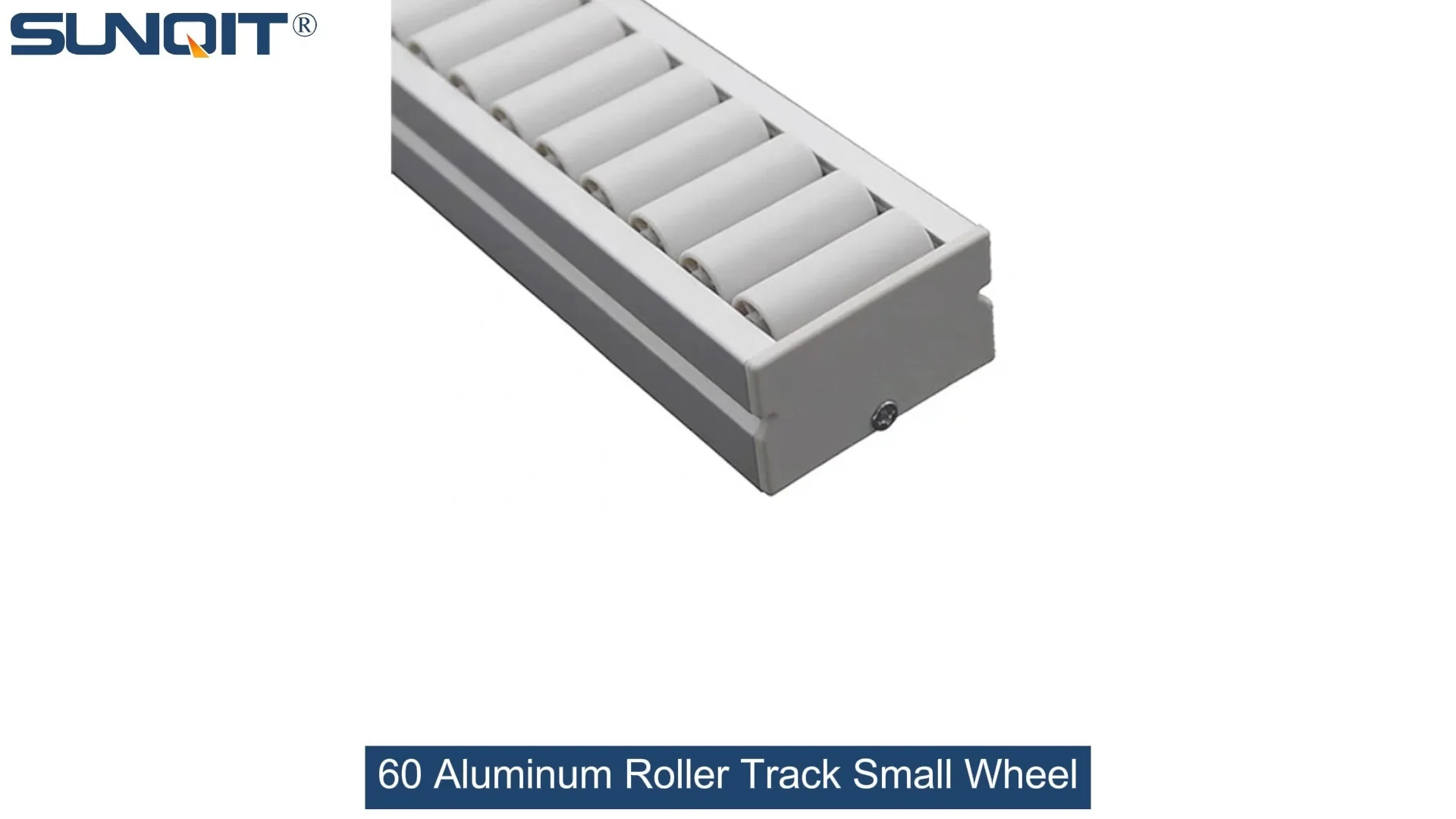
60 Aluminum Roller Track Small Wheel
Modular system roller tracks aluminum gravity roller tracks are an excellent solution for transporting materials within industrial environments, warehouses and distribution centres.
What Is 60 Aluminum Roller Track Small Wheel? Definition & Core Components
In the fast-paced world of modern manufacturing, efficiency and flexibility are the cornerstones of success. Every component in a production line plays a vital role in ensuring smooth operations, reducing waste, and maximizing productivity. One such component that often goes unnoticed but is integral to lean material handling systems is the 60 aluminum roller track small wheel. This yet powerful element is a key part of roller tracks, which are widely used in flow racks, conveyors, and various lean workstations. Whether you're in the 3C assembly industry, medical equipment manufacturing, or sector, understanding the 60 aluminum roller track small wheel can help you optimize your workflows and align with the principles of lean management.
Definition of 60 Aluminum Roller Track Small Wheel
The 60 aluminum roller track small wheel refers to a specific type of roller component designed for use in aluminum roller tracks of the 60 series. The "60" typically denotes the profile size of the aluminum extrusion used to construct the track, ensuring compatibility with other 60-series aluminum profile accessories. These small wheels are mounted on the track to facilitate the smooth movement of materials, parts, or products along the line. Made from durable materials like plastic or metal, they are engineered to handle varying loads while minimizing friction, allowing items to glide easily from one point to another. The 60 aluminum roller track small wheel is a fundamental part of lean systems, supporting the "just-in-time" delivery of materials and reducing the need for manual handling.
Unlike traditional fixed tracks, the 60 aluminum roller track system with small wheels offers unparalleled flexibility. The aluminum profile's modular design allows for easy assembly and disassembly, making it simple to reconfigure the track as production needs change. This adaptability is a core tenet of lean manufacturing, where systems must evolve to meet shifting demands without significant downtime or cost.
Core Components of 60 Aluminum Roller Track Small Wheel
The 60 aluminum roller track small wheel is part of a comprehensive system that includes several key components working together to deliver optimal performance. Below is a detailed breakdown of these components:
| Component Name | Description | Key Function |
|---|---|---|
| 60 Series Aluminum Profile | The base structure of the roller track, made from extruded aluminum with a 60mm profile size. It features T-slots for easy attachment of accessories. | Provides a sturdy, lightweight framework for mounting the small wheels and other components. |
| Small Roller Wheels | Typically made from high-quality plastic (like nylon) or stainless steel, these small wheels are attached to the aluminum profile at regular intervals. | Enable smooth sliding of materials along the track, reducing friction and manual effort. |
| Roller Track Connectors | Metal or plastic connectors that join sections of the 60 aluminum roller track together, ensuring stability and alignment. | Allows the track to be extended or customized to fit specific layout requirements. |
| End Caps | Protective caps placed at the ends of the aluminum profile to prevent damage and ensure safety. | Enhances durability and reduces the risk of injury from sharp edges. |
| Mounting Brackets | Accessories used to attach the roller track to workbenches, flow racks, or conveyors. | Secures the track in place, ensuring it integrates seamlessly with other lean equipment. |
Each component plays a critical role in the overall functionality of the system. The 60 series aluminum profile, for instance, is not just a structural element—it also allows for easy integration with other lean products like workbenches and material racks. The small wheels, meanwhile, are designed to handle specific load capacities, with options available for light, medium, and heavy-duty applications. Stainless steel wheels are ideal for environments where corrosion resistance is necessary, such as medical or food processing facilities, while plastic wheels offer a cost-effective solution for general manufacturing use.
Integration with Lean Manufacturing Systems
The 60 aluminum roller track small wheel is not an isolated component; it works in harmony with various other lean products to create efficient workflows. Let's explore how it integrates with key lean systems:
Flow Racks:
Flow racks are a staple in lean material handling, and the 60 aluminum roller track small wheel is at their core. These racks use roller tracks to allow materials to slide down to the picker, following the first-in-first-out (FIFO) principle. This reduces the time spent searching for parts and ensures that older inventory is used first, minimizing waste. For example, Material Rack B, which features 3 rows and 3 floors, can be equipped with these roller tracks to optimize the storage and retrieval of components in a warehouse or production line.
Conveyors:
Roller conveyors are essential for moving products between different stages of production. Conveyors equipped with 60 aluminum roller track small wheels are used in industries like automotive and 3C assembly to transport parts from the storage area to the assembly workstation. This automation reduces manual labor and speeds up the production process, aligning with the lean goal of eliminating non-value-added activities.
Lean Workstations:
Lean workstations, such as Workbench E, often incorporate roller tracks as part of their design. The tracks can be attached to the workstation to provide easy access to tools and materials, keeping the workspace organized and efficient. This alignment with lean principles helps in maintaining a clutter-free environment and improving overall productivity. For instance, an ESD workstation (which is designed to prevent electrostatic discharge) can include roller tracks to safely transport sensitive electronic components without risking damage.
Key Applications Across Industries
The versatility of the 60 aluminum roller track small wheel makes it suitable for a wide range of industries. Let's look at some of the key applications:
3C Assembly Industry:
In the 3C assembly industry (computers, communication, consumer electronics), precision and speed are critical. The 60 aluminum roller track small wheel is used in flow racks to supply components like circuit boards, screws, and casings to the assembly line. The smooth movement ensures that parts are delivered exactly when needed, reducing downtime and improving assembly efficiency. For example, in a smartphone assembly line, these tracks can transport battery packs and screens to the assembly station, ensuring that each component arrives at the right time for installation.
Medical Equipment Manufacturing:
Medical equipment manufacturing requires strict adherence to hygiene and precision. Roller tracks with stainless steel small wheels are preferred here because they are easy to clean and resistant to corrosion. These tracks are used in the production of devices like surgical instruments and diagnostic equipment, where maintaining a sterile environment is paramount. The modular design of the aluminum profile allows the tracks to be reconfigured as production of different medical devices requires, ensuring flexibility in a highly regulated industry.
(Warehousing and Logistics):
This is another major application area. Flow racks equipped with these roller tracks are used in warehouses to store and retrieve goods efficiently. The FIFO system enabled by the tracks ensures that inventory is rotated properly, reducing the risk of obsolescence. Additionally, roller conveyors with these small wheels are used to move packages between different storage zones, streamlining the order fulfillment process. For example, in an e-commerce warehouse, these conveyors can transport packages from the picking area to the packing station, reducing the time taken to process orders.
Automotive Manufacturing:
Automotive manufacturing uses lean systems extensively. The 60 aluminum roller track small wheel is part of the material handling setup, transporting parts like engine components and body panels along the production line. The flexibility of the aluminum profile allows the tracks to be reconfigured as production needs change, aligning with the "sustainable improvement" of lean management. For instance, if a car model is updated, the roller tracks can be adjusted to accommodate new parts without requiring a complete overhaul of the material handling system.
Manufacturing:
In the production of home appliances like refrigerators and washing machines, the 60 aluminum roller track small wheel is used to move large components through the assembly line. The durable wheels can handle the weight of these components, ensuring smooth transport from one station to the next. This reduces the risk of damage to the products and improves the overall efficiency of the assembly process.
Benefits of Using 60 Aluminum Roller Track Small Wheel
The 60 aluminum roller track small wheel offers numerous benefits that make it a valuable addition to any lean manufacturing system. Let's explore these benefits in detail:
Flexibility:
The modular design of the 60 aluminum roller track system allows for easy customization. The aluminum profile can be cut to any length, and the small wheels can be positioned at different intervals to suit specific needs. This flexibility means that the system can adapt to changes in production requirements, making it ideal for dynamic manufacturing environments. For example, if a production line needs to be expanded, additional track sections can be added quickly without disrupting operations.
Durability:
Aluminum is a strong and lightweight material, and the small wheels are designed to withstand constant use. This durability ensures that the roller track system has a long lifespan, reducing the need for frequent replacements and lowering maintenance costs. The stainless steel wheels, in particular, are resistant to corrosion and wear, making them suitable for harsh environments.
Sustainability:
Lean principles emphasize reusability and waste reduction. The 60 aluminum roller track small wheel and its associated components are reusable—they can be disassembled and reassembled in different configurations as needed. This reduces waste and contributes to a more sustainable manufacturing process. Additionally, aluminum is a recyclable material, further enhancing the environmental benefits of the system.
Ergonomics:
By facilitating the smooth movement of materials, these roller tracks reduce the need for manual lifting and carrying. This improves workplace ergonomics, reducing the risk of injuries and increasing employee comfort and productivity. For example, in a warehouse, workers no longer need to lift heavy boxes to move them—they can simply slide them along the roller track, reducing strain on their backs and shoulders.
Cost-Effectiveness:
While the initial investment may be higher than traditional material handling systems, the long-term benefits—reduced waste, lower maintenance, and improved efficiency—make the 60 aluminum roller track small wheel a cost-effective solution. The modular design also means that businesses can start small and expand the system as their needs grow, avoiding unnecessary upfront costs.
Improved Efficiency:
The smooth movement of materials enabled by these small wheels reduces the time spent on material handling, allowing employees to focus on value-added tasks. This leads to higher productivity and shorter lead times, which are critical for staying competitive in today's market.
Customization Options for Specific Needs
Every industry and business has unique requirements, and the 60 aluminum roller track small wheel system can be customized to meet these needs. The company offers custom solutions for various sectors, including 3C assembly, medical equipment manufacturing, and. These customizations can include:
Custom Track Lengths:
The aluminum profile can be cut to any length to fit the specific layout of the production line or warehouse. This ensures that the roller track system optimizes the available space and meets the exact needs of the business.
Specialized Wheel Materials:
Depending on the application, different wheel materials can be chosen. For example, stainless steel wheels are used in medical environments, while plastic wheels are suitable for general manufacturing. The company can also provide wheels with specific load capacities to handle heavy or delicate items.
Integration with Other Lean Products:
The roller track system can be integrated with other lean products like workbenches, material racks, and conveyors. For instance, a custom solution for a 3C assembly line might include a combination of flow racks, roller conveyors, and ESD workstations, all equipped with 60 aluminum roller track small wheels to create a seamless workflow.
ESD Protection:
For industries handling sensitive electronic components, the system can be modified to include ESD protection. This includes using ESD-safe materials for the wheels and track, ensuring that electrostatic discharge does not damage the components.
Conclusion
The 60 aluminum roller track small wheel is a critical component of modern lean manufacturing systems. Its definition, core components, integration with other lean products, and applications across industries highlight its importance in improving efficiency, reducing waste, and enhancing productivity. Whether you're in 3C assembly, medical equipment manufacturing, or, this component can help you optimize your workflows and align with the principles of lean management.
With its flexibility, durability, sustainability, and cost-effectiveness, the 60 aluminum roller track small wheel is an investment that pays off in the long run. It supports the lean goal of continuous improvement, allowing businesses to adapt to changing market demands and stay competitive. By choosing a system that includes these small wheels, you're not just investing in a material handling solution—you're investing in the future of your manufacturing operations.