- Company Articles
- Products and Technology
- Product knowledge
- What Is 60 Aluminum Roller Track White? Definition, Features & Industrial Uses

What Is 60 Aluminum Roller Track White? Definition, Features & Industrial Uses
Related Product
60 Aluminum Roller Track White
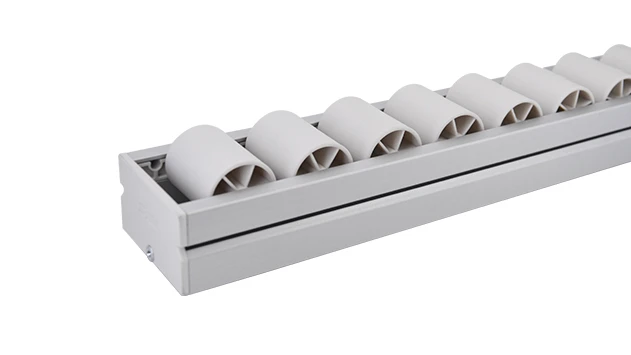
Modular system roller tracks aluminum gravity roller tracks are an excellent solution for transporting materials within industrial environments, warehouses and distribution centres.
When it comes to optimizing material handling in manufacturing and logistics, every component matters. The 60 aluminum roller track white is one such unsung hero—quietly streamlining workflows, reducing friction, and boosting efficiency across countless industrial settings. But what exactly is it, and why has it become a go-to choice for teams aiming to build flexible, lean operations?
In this guide, we'll break down everything you need to know about this versatile component: its core definition, standout features, key applications, and how it fits into broader lean solutions. Whether you're setting up a new flow rack, upgrading a conveyor system, or refining your production line, understanding the value of 60 aluminum roller track white can help you make smarter, more sustainable choices for your business.
1. What Is 60 Aluminum Roller Track White?
The 60 aluminum roller track white is a precision-engineered material handling component designed to facilitate smooth, efficient movement of goods. It's part of the broader family of roller tracks—structures that use rotating rollers to minimize friction when transporting items like boxes, parts, or assemblies. The "60" refers to its width specification (typically 60mm), while "aluminum" denotes its lightweight yet durable material, and "white" points to its clean, corrosion-resistant finish.
Unlike traditional steel tracks, this aluminum variant offers a unique blend of strength and flexibility, making it ideal for lean systems where adaptability and repeatability are key. It's often used in conjunction with other components like roller track connectors, casters, and flow rack accessories to create custom setups tailored to specific operational needs.
2. Core Features of 60 Aluminum Roller Track White
What sets this roller track apart from others? Let's dive into its most notable attributes:
Lightweight but Robust Construction
Made from high-quality aluminum extrusion profile, the 60 aluminum roller track white is significantly lighter than steel alternatives, making installation and reconfiguration a breeze. Yet, it doesn't compromise on strength—able to support heavy loads without bending or warping, even in high-traffic industrial environments. This balance of lightness and durability is a hallmark of lean design, where every component should serve multiple purposes without unnecessary weight.
Corrosion-Resistant White Finish
The white coating isn't just for aesthetics; it acts as a protective barrier against moisture, chemicals, and wear. This makes the track suitable for use in environments where hygiene is critical (like medical device manufacturing) or where exposure to liquids is common (such as automotive assembly lines). The finish also helps reflect light, making work areas brighter and reducing eye strain for workers—small details that add up to better productivity.
Smooth, Low-Friction Movement
Each roller is precision-engineered to spin freely, reducing the force needed to move items along the track. This not only speeds up material handling but also minimizes worker fatigue—an essential factor in maintaining productivity and safety. For example, in a 3C assembly line, where workers handle small parts all day, a smooth track can cut down on repetitive motion injuries and keep the line moving faster.
Easy Compatibility with Lean Components
Designed to work seamlessly with a range of aluminum profile accessories, roller track connectors, and casters, this track integrates effortlessly into existing lean systems. Whether you're building a flow rack, a conveyor, or a custom workstation, it's easy to adapt and expand as your needs change. This compatibility is key to the lean principle of continuous improvement—allowing teams to tweak their setups without starting from scratch.
Cost-Effective & Sustainable
Aluminum is a highly recyclable material, aligning with the lean principle of sustainability. Additionally, the track's durability means it has a long lifespan, reducing the need for frequent replacements and lowering long-term operational costs. For businesses looking to cut waste and improve their environmental footprint, this is a significant advantage over disposable or short-lived alternatives.

3. Key Components & Compatibility
To get the most out of your 60 aluminum roller track white, it's important to know which components it pairs well with. Here's a detailed breakdown:
| Component Type | Examples | Role in the System |
|---|---|---|
| Roller Track Connectors | 40 fluent flat joint, roller track placon mount for rail connection | Securely link multiple track sections or attach tracks to aluminum profiles, ensuring stability and flexibility in design |
| Aluminum Profiles | 2020, 3030, 4040 EU standard aluminum profiles | Form the structural frame for flow racks, conveyors, or workstations, providing a sturdy base for the roller track |
| Casters & Accessories | Flat adjustable swivel castor wheel, caster installation base | Add mobility to carts or racks using the roller track, allowing easy movement of materials between stations |
| End Supports | End support for roller track placon mount with stop | Prevent items from sliding off the end of the track, enhancing safety and reducing product damage |
| Guide Rails | Plastic roller track guide rail white, aluminum guide rail A | Keep items aligned on the track, ensuring smooth movement and preventing jams in high-volume operations |
This compatibility makes the 60 aluminum roller track white a versatile building block for any lean solution. Whether you're a small business looking to optimize your warehouse or a large manufacturer designing a custom production line, it's easy to integrate this track into your existing setup or build something entirely new.

4. Industrial Applications & Use Cases
The 60 aluminum roller track white is used across a wide range of industries, thanks to its adaptability and durability. Let's explore some common use cases in detail:
Flow Racks in Warehousing & Logistics
Flow racks are a staple in warehouses for organizing and dispensing parts. The 60 aluminum roller track white is perfect for these setups—its smooth rollers allow boxes or bins to slide down to the picking area using gravity, reducing the time workers spend retrieving items and minimizing errors. This is especially useful in industries like 3C assembly, where small parts need to be accessed quickly and efficiently. For example, a warehouse storing smartphone components can use flow racks with this track to ensure that each part is easily reachable, cutting down on picking time and improving order accuracy.
Conveyor Systems in Manufacturing
In production lines (like automotive or manufacturing), conveyors move parts from one station to the next. The 60 aluminum roller track white is often used as part of these systems, either as a standalone section or integrated into larger belt or chain conveyors. Its low friction ensures parts move steadily without jamming, keeping the line running smoothly. For instance, in an automotive assembly line, this track can be used to transport engine components from the storage area to the assembly station, reducing the need for manual lifting and speeding up the production process.
Custom Workstations for Lean Production
Lean workstations are designed to optimize worker efficiency, and the 60 aluminum roller track white plays a key role here. For example, in medical device manufacturing, it can be used to create a workstation where components slide easily to the assembly area, reducing unnecessary movement and speeding up production. The track's corrosion-resistant finish also makes it suitable for environments where cleanliness is a priority—like pharmaceutical or food processing plants. Workers can focus on their tasks without worrying about contamination or equipment failure.
Turnover Trolleys & Material Handling Carts
Turnover trolleys are used to transport parts between departments. Adding the 60 aluminum roller track white to these trolleys allows items to be loaded and unloaded quickly, without lifting heavy boxes. This is particularly helpful in industries like consumer electronics, where frequent material transfers are common. For example, a factory producing laptops can use trolleys with this track to move circuit boards from the soldering station to the testing area, reducing the risk of damage and improving workflow efficiency.
ESD Workstations in Electronics Manufacturing
Electrostatic discharge (ESD) is a major concern in electronics manufacturing, as it can damage sensitive components. The 60 aluminum roller track white can be integrated into ESD workstations to provide a safe, low-friction surface for moving parts. Its aluminum construction helps dissipate static electricity, protecting components from damage and ensuring product quality. This is essential in industries like manufacturing, where even small ESD events can lead to costly defects.
5. Why Choose 60 Aluminum Roller Track White for Your Lean System?
With so many material handling components available, why should you opt for this specific roller track? Here are the top reasons:
- Flexibility: Easy to reconfigure as your production needs change, aligning with the lean principle of continuous improvement. Whether you need to expand your flow rack or adjust your conveyor system, this track can adapt quickly.
- Safety: Low-friction movement reduces the risk of items getting stuck or falling, minimizing workplace accidents. The end supports and guide rails further enhance safety, ensuring that materials are handled securely.
- Hygiene: The white coating is easy to clean, making it ideal for industries like medical equipment manufacturing where sanitation is critical. It resists stains and bacteria, helping you maintain a clean work environment.
- Cost Savings: Durable construction and recyclability mean lower replacement costs and a smaller environmental footprint. Over time, this track pays for itself by reducing operational expenses and improving efficiency.
- Compatibility: Works seamlessly with a wide range of lean components, allowing you to build a custom system that fits your unique needs. You don't have to worry about mismatched parts or complicated installations.
These benefits make the 60 aluminum roller track white a smart investment for any business looking to optimize their material handling processes. Whether you're just starting with lean principles or you're a seasoned pro, this track can help you achieve your efficiency goals.
6. Installation & Maintenance Tips
To ensure your 60 aluminum roller track white performs optimally, follow these simple tips:
Proper Installation
Use the right roller track connectors and aluminum profile accessories to secure the track. Ensure it's level to prevent items from sliding to one side. If installing on a cart, use sturdy casters to support the weight of the track and the items it will carry. For flow racks, angle the track slightly downward to allow gravity to move items to the picking area—this reduces the need for manual pushing and speeds up material handling.
Regular Cleaning
Wipe down the track periodically to remove dust, debris, or spills. This keeps the rollers spinning smoothly and prevents wear. For tougher stains, use a mild detergent—avoid harsh chemicals that could damage the white coating. In industries like food processing or medical manufacturing, daily cleaning may be necessary to maintain hygiene standards.
Inspect Rollers & Connectors
Check rollers for signs of wear or damage (like stuck or broken rollers) and replace them as needed. Also, tighten any loose connectors to ensure the track remains stable. Regular inspections can prevent breakdowns and keep your system running smoothly. For high-volume operations, consider scheduling weekly inspections to catch issues early.
Train Your Team
Ensure your workers know how to use the track properly. Teach them to load items evenly and avoid overloading the track, which can cause damage. Training also helps reduce accidents and improve efficiency. For example, in a warehouse, workers should know how to slide bins onto the flow rack without forcing them, which can jam the rollers.
7. Conclusion
The 60 aluminum roller track white is more than just a component—it's a versatile tool that helps businesses build efficient, flexible, and sustainable lean systems. From flow racks in warehouses to conveyors in manufacturing lines, its features (like lightweight construction, smooth movement, and compatibility with other lean components) make it an essential part of modern material handling.
Whether you're looking to upgrade your current setup or design a custom solution, this roller track offers the durability, flexibility, and cost-effectiveness you need to stay competitive. By integrating it into your operations, you can streamline workflows, reduce waste, and keep your team focused on what matters most—delivering high-quality products efficiently.
So, if you're ready to take your material handling to the next level, consider the 60 aluminum roller track white. It's a small component with a big impact, and it could be the key to unlocking greater efficiency in your business.