- Company Articles
- Products and Technology
- Product knowledge
- What Is a 2020 Aluminum Profile End Cap? Definition & Key Uses

What Is a 2020 Aluminum Profile End Cap? Definition & Key Uses
Related Product
2020 Aluminum Profile End Cap
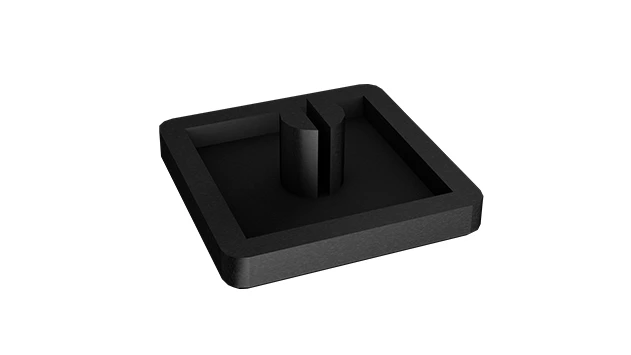
The aluminum profile end cap adds a finishing touch to your project and closes off profile ends to limit dust and debris buildup, also it can avaid some scratch for material and labor during the assemble work.
Introduction: The Unsung Hero of Aluminum Profiles
Walk into any workshop, manufacturing plant, or even a modern home workshop, and you'll likely spot aluminum profiles hard at work. These sleek, versatile structures form the backbone of everything from workbenches and shelving units to machine guards and automated systems. But if you take a closer look at the ends of these profiles, you might notice something small yet surprisingly important: a 2020 aluminum profile end cap. At first glance, it might seem like just a tiny plastic or metal piece, but in reality, it's a critical component that keeps aluminum profiles functional, safe, and looking their best.
Whether you're a seasoned manufacturer, a DIY enthusiast building your first project, or someone simply curious about industrial components, understanding what a 2020 aluminum profile end cap is and why it matters can save you time, money, and headaches down the line. In this article, we'll dive deep into the world of these unassuming accessories—exploring their definition, design, materials, and the key roles they play in aluminum profile systems. We'll also cover how to choose the right one, common misconceptions, and even compare them to other end caps on the market. Let's get started.
What Is a 2020 Aluminum Profile End Cap? Breaking It Down
Definition: More Than Just a "Cap"
A 2020 aluminum profile end cap is a small, usually injection-molded or machined component designed to fit snugly over the open ends of 2020 series aluminum extrusion profiles. The "2020" in its name refers to the profile's cross-sectional dimensions: 20mm in width and 20mm in height, a common size in the aluminum profile world. Think of it as a protective "lid" for the profile's exposed ends, sealing them off from the environment and adding a finishing touch to the structure.
But it's not just about covering an opening. These end caps are engineered to address specific challenges that come with using aluminum extrusion profiles—sharp edges, debris buildup, corrosion, and even structural stability. To understand why they're so important, let's first recall how aluminum profiles are made. During the extrusion process, aluminum is forced through a die to create long, uniform shapes with internal channels (called "t-slots") for attaching accessories like brackets, panels, or shelves. When these profiles are cut to length for a project, the cut ends can be rough, sharp, or uneven—enter the end cap, which smooths things out.
Materials: Choosing the Right Build for the Job
2020 aluminum profile end caps are typically made from one of two materials: plastic or aluminum. Each has its own strengths, making them suitable for different applications.
- Plastic (ABS or Nylon): The most common choice for general-purpose use. Plastic end caps are lightweight, affordable, and come in a range of colors (often matching the profile's finish, like silver, black, or white). They're easy to install—usually a simple snap-on or press-fit design—and provide excellent protection against dust, moisture, and minor impacts. ABS (Acrylonitrile Butadiene Styrene) is known for its toughness and heat resistance, while nylon offers better chemical resistance, making it ideal for environments with oils or solvents.
- Aluminum: For heavy-duty applications where durability is key. Aluminum end caps are machined to fit the profile's exact dimensions, creating a seamless, professional look. They're resistant to dents, scratches, and high temperatures, making them perfect for industrial settings, high-traffic areas, or projects where aesthetics matter (like retail displays). They're often used with anodized aluminum profiles to maintain a consistent finish.
Design Features: Engineered for a Perfect Fit
What makes a 2020 aluminum profile end cap work so well? It's all in the design. Let's break down the key features:
- Snug, Precision Fit: End caps are molded or machined to match the exact inner and outer dimensions of a 2020 profile. This ensures they stay in place without slipping, even with vibration or minor impacts. Some designs include small tabs or ridges that grip the profile's inner walls, while others use a friction fit to create a tight seal.
- Closed vs. Ventilated: Most end caps are fully closed, sealing the profile's end completely. However, some specialized versions have small vents or holes, which can help with heat dissipation in profiles used for electrical enclosures or lighting fixtures.
- Flush or Domed Top: The top surface (the part visible once installed) can be either flat (flush with the profile's edge) or slightly domed. Flush designs are popular for sleek, modern looks, while domed tops add a bit of extra impact protection.
- Color Matching: Many manufacturers offer end caps in colors that coordinate with standard aluminum profile finishes. For example, a silver anodized 2020 profile might pair with a silver plastic end cap, while a black powder-coated profile could use a black end cap. This attention to detail might seem minor, but it makes a big difference in the final project's appearance.

Key Uses: Why 2020 Aluminum Profile End Caps Matter
Now that we know what a 2020 aluminum profile end cap is, let's explore the critical roles it plays. Far from being a "nice-to-have" accessory, these small components solve big problems in aluminum profile systems. Here are the top five reasons you'll want to use them:
1. Safety First: Eliminating Sharp Edges
When aluminum profiles are cut to length—whether with a saw, laser, or miter cutter—the cut ends can leave sharp, jagged edges. These edges aren't just unsightly; they're a safety hazard. Imagine a worker reaching for a tool on a shelf made with 2020 profiles, only to catch their arm on an exposed end—resulting in a cut or scrape. Or a child brushing against a DIY play structure in a home workshop. End caps cover these edges, creating a smooth, rounded surface that reduces the risk of injury. In industrial settings, where OSHA and safety regulations are strict, this alone makes end caps a must-have.
Real-World Example:
A manufacturing plant in Ohio was struggling with frequent minor cuts from employees bumping into exposed aluminum profile ends on their assembly line workbenches. After installing 2020 aluminum profile end caps on all open ends, workplace incidents dropped by 75% in just two months. The simple addition of end caps not only improved safety but also boosted employee morale—no one likes starting their day with a scrape!
2. Protection Against Debris and Moisture
Aluminum profiles have hollow interiors (thanks to those t-slots we mentioned earlier), which act like magnets for dust, dirt, and debris. Without an end cap, these particles can accumulate inside the profile over time, clogging t-slots, interfering with accessories like brackets or sliding components, and even causing corrosion. Moisture is another enemy: rain, condensation, or spills can seep into open profile ends, leading to rust (if the profile isn't anodized or coated) or mold growth in humid environments.
End caps act as a barrier, sealing off the profile's interior and keeping unwanted elements out. This is especially important in settings like garages, warehouses, or outdoor applications where profiles are exposed to the elements. For example, a 2020 profile used in an outdoor tool rack would quickly fill with leaves, dirt, and rainwater without an end cap—shortening its lifespan and making it harder to use. With an end cap, the profile stays clean and functional for years longer.
3. Aesthetics: Polishing the Final Look
Let's face it: exposed, raw profile ends look unfinished. Whether you're building a retail display, a home office shelf, or a trade show booth, the little details matter. A 2020 aluminum profile end cap gives your project a polished, professional appearance by covering up the rough cut edges and creating a clean, uniform look. It's the difference between a "homemade" project and one that looks like it came from a high-end manufacturer.
Color-matched end caps take this a step further. For example, if you're using black anodized 2020 profiles to build a sleek home theater rack, black end caps will blend seamlessly, making the structure look cohesive and intentional. On the flip side, using mismatched or missing end caps can draw attention to the project's flaws—something no one wants, whether you're selling products or just showing off your DIY skills.
4. Structural Integrity: Reinforcing Weak Points
You might not think of a tiny end cap as a structural component, but it actually helps reinforce the profile's ends. When a profile is cut, the material at the cut site can be slightly weakened, especially if the cut isn't perfectly straight. An end cap adds a layer of support, distributing stress more evenly and preventing the end from bending or deforming under load. This is particularly useful in applications where the profile is bearing weight, like shelving units or workbench legs.
For example, a 2020 profile used as a vertical support in a shelf might flex slightly under the weight of heavy boxes. An end cap fitted to the bottom end (where it meets the floor) can help stabilize the profile, reducing flex and extending its lifespan. It's a small addition, but it adds up to a more durable, reliable structure.
5. Cost Savings: Preventing Damage and Replacement
Last but certainly not least, 2020 aluminum profile end caps save you money in the long run. Think about it: without an end cap, exposed ends are more likely to get dented, bent, or corroded. Repairing or replacing a damaged profile is far more expensive than buying a $1-$5 end cap upfront. Plus, debris buildup inside profiles can lead to jamming of t-slot accessories, which might require time-consuming cleaning or even replacement of expensive brackets or slides.
In industrial settings, downtime is costly. If a machine guard made with 2020 profiles gets damaged because of an exposed end, the machine might need to be shut down for repairs—costing the company hundreds or even thousands of dollars in lost productivity. End caps prevent these issues, keeping profiles (and the systems they support) running smoothly.

How to Choose the Right 2020 Aluminum Profile End Cap
Not all end caps are created equal. With so many options on the market, how do you pick the right one for your project? Here's a step-by-step guide to help you make the best choice:
Step 1: Confirm the Profile Size (Yes, Size Matters!)
The first rule of end cap shopping: make sure it's designed for 2020 profiles. Aluminum profiles come in a range of sizes—2020, 3030, 4040, 4080, etc.—each with its own dimensions. A 3030 end cap won't fit a 2020 profile, and vice versa. Check the profile's cross-section: 20mm x 20mm is the standard for 2020 series. If you're unsure, measure the width and height of the profile with a caliper—this will save you the frustration of ordering the wrong size.
Pro tip: Some manufacturers label end caps with the profile size (e.g., "2020 End Cap"), but double-check the product description for actual dimensions (e.g., "Inner Diameter: 19.5mm" or "Fits 20x20mm Profiles") to be safe.
Step 2: Choose the Material (Plastic vs. Aluminum)
As we discussed earlier, plastic and aluminum are the two main materials. Here's how to decide which is right for you:
- Choose Plastic If: You're working on a general-purpose project (shelving, workbenches, DIY furniture), on a budget, or need color options. Plastic end caps are lightweight, easy to install, and work well in dry, indoor environments. ABS is a great all-around choice, while nylon is better for chemical resistance.
- Choose Aluminum If: You need maximum durability (industrial settings, high-traffic areas), want a seamless, professional look, or the profile will be exposed to high temperatures, heavy impacts, or outdoor elements. Aluminum end caps are also a good choice if the profile itself is aluminum and you want a matching finish.
Step 3: Consider the Environment
Where will your 2020 profile be used? The environment plays a big role in end cap selection:
- Indoor, Dry: Standard plastic end caps work here. Focus on color and fit.
- Humid or Wet: Look for end caps with a tight, water-resistant seal (plastic or aluminum). Avoid plastic end caps made from low-quality materials that might warp or degrade in moisture.
- Industrial/Heavy Use: Aluminum end caps or heavy-duty ABS are best. They'll stand up to bumps, drops, and frequent handling.
- Food-Grade or Clean Rooms: Some manufacturers offer FDA-approved plastic end caps (often made from polypropylene) that are easy to clean and resistant to bacteria growth. These are ideal for food processing or pharmaceutical settings.
Step 4: Think About Aesthetics
While function is key, don't overlook appearance. If your project is visible (like a retail display or home office shelf), color-matching the end cap to the profile can make a big difference. Most plastic end caps come in standard colors: silver, black, white, and sometimes gray. Aluminum end caps are typically silver (anodized) or can be powder-coated to match the profile.
If you can't find an exact color match, opt for a neutral tone (black or silver) that blends in. Avoid bright, contrasting colors unless you're going for a bold, intentional look—mismatched colors can make a project look unprofessional.
Step 5: Check the Installation Type
End caps install in a few different ways. The most common is the "snap-on" or "press-fit" design—you simply push the end cap into the profile until it clicks into place. This is quick and tool-free, making it perfect for DIYers. Some aluminum end caps might require a small amount of adhesive (like epoxy) to ensure a tight fit, especially in heavy-duty applications. Others might have threads, allowing them to be screwed into the profile (though this is less common for 2020 sizes).
Choose the installation method that works best for your project. Snap-on is the easiest, but if you need extra security (e.g., in a vibrating environment), adhesive-backed or threaded end caps might be better.
Installation Guide: How to Install a 2020 Aluminum Profile End Cap
Installing a 2020 aluminum profile end cap is a simple process, but doing it right ensures a secure, long-lasting fit. Here's a step-by-step tutorial:
Tools You'll Need (Mostly Optional)
- Your 2020 aluminum profile end cap
- A clean, dry cloth (to wipe the profile end)
- Optional: Rubber mallet (for tight-fitting end caps)
- Optional: Adhesive (for aluminum end caps or extra security)
Step 1: Prepare the Profile End
Start by cleaning the end of the aluminum profile. Use a dry cloth to wipe away any dust, dirt, or debris. If the end is particularly dirty or has oil residue (common in industrial settings), use a mild cleaner (like isopropyl alcohol) and let it dry completely. A clean surface ensures the end cap fits snugly and won't slip.
Next, inspect the cut end for any sharp burrs or rough spots. If you see any, gently file them down with a fine-grit sandpaper. This isn't strictly necessary for the end cap to fit, but it helps prevent the end cap from tearing (especially if it's plastic) and ensures a smoother installation.
Step 2: Align the End Cap
Hold the end cap with the open side facing the profile end. Make sure it's oriented correctly—most end caps are symmetrical, but some might have a top/bottom or front/back (check for any logos or design features that should face outward). Position it so that the edges of the end cap align with the edges of the profile.
Step 3: Press or Tap into Place
For snap-on plastic end caps: Apply firm, even pressure with your thumbs, pushing the end cap into the profile. You should feel a slight "pop" or resistance as it seats into place. If it's tight, you can gently tap the end cap with a rubber mallet (cover the end cap with a cloth first to avoid scratching) until it's fully seated.
For aluminum end caps: These might require a tighter fit. If they're press-fit, follow the same steps as plastic. If they need adhesive, apply a small amount of epoxy or industrial-strength adhesive to the inner edge of the end cap, then press it into place and hold for 30-60 seconds to set. Wipe away any excess adhesive with a cloth.
Step 4: Test the Fit
Once installed, give the end cap a gentle tug to make sure it's secure. It shouldn't wiggle or come loose. If it does, remove it, check for debris, and try again. If it's still loose, you might have the wrong size—double-check the profile dimensions and end cap specifications.
That's it! You've successfully installed a 2020 aluminum profile end cap. The entire process takes less than a minute per end, but the benefits will last for years.
2020 vs. Other End Caps: How Does It Compare?
2020 aluminum profile end caps are just one of many options available. Let's compare them to end caps for other common profile sizes to see how they stack up. This will help you understand when to use a 2020 end cap versus, say, a 3030 or 4040 end cap.
| Profile Size | End Cap Dimensions | Common Materials | Primary Use Cases | Key Differences from 2020 |
|---|---|---|---|---|
| 2020 | 20mm x 20mm (fits 20x20 profiles) | Plastic (ABS, nylon), aluminum | Light-duty shelving, workbenches, DIY projects, small machine guards | Smallest standard size; lightweight; ideal for projects with limited space or weight constraints |
| 3030 | 30mm x 30mm (fits 30x30 profiles) | Plastic, aluminum, steel (heavy-duty) | Medium-duty shelving, conveyor systems, larger workbenches | Larger and more robust than 2020; better for heavier loads; end caps may have reinforced edges |
| 4040 | 40mm x 40mm (fits 40x40 profiles) | Aluminum, steel, heavy-duty plastic | Industrial machinery, large storage racks, structural supports | Heaviest and most durable; often used with threaded or bolt-on end caps for maximum security |
| 4080 | 40mm x 80mm (fits 40x80 profiles) | Aluminum, steel | Large structural frames, automated systems, machine bases | Rectangular (not square); end caps have unique shapes to fit the profile's asymmetrical design |
As you can see, 2020 end caps are the smallest and most lightweight option, making them perfect for projects where space and weight are limited. They're the workhorses of DIY and light industrial applications, while larger end caps (3030, 4040, etc.) handle heavier loads and more demanding environments. The key takeaway? Always match the end cap size to the profile size—using a 2020 end cap on a 3030 profile won't work, and vice versa.
Common Misconceptions: Debunking Myths About End Caps
Even though 2020 aluminum profile end caps are simple components, there are a few common myths and misconceptions floating around. Let's set the record straight:
Myth 1: "End Caps Are Just for Looks—They're Not Necessary"
This is the biggest myth! While end caps do improve aesthetics, their primary purpose is functional: safety, debris protection, and structural reinforcement. As we discussed earlier, exposed profile ends are sharp, attract debris, and can weaken over time. Skipping end caps might save you a few dollars upfront, but it will cost you more in repairs, replacements, and potential injuries later.
Myth 2: "Any Small Plastic Plug Will Work"
You might be tempted to grab a random plastic plug from your junk drawer and call it a day, but generic plugs aren't designed for aluminum profiles. They won't fit as snugly, might fall out, and won't provide the same level of protection. 2020 aluminum profile end caps are engineered to match the profile's exact dimensions and withstand the stresses of daily use. Investing in purpose-made end caps is worth it.
Myth 3: "Aluminum End Caps Are Always Better Than Plastic"
Aluminum end caps are durable, but they're not always the best choice. For lightweight, indoor projects, plastic end caps are more affordable, easier to install, and come in more colors. Aluminum is better for heavy-duty or outdoor use, but it's overkill for a simple DIY shelf. Choose the material based on your project's needs, not just "better" materials.
Myth 4: "Once Installed, End Caps Can't Be Removed"
While end caps are designed to stay in place, they can be removed if needed. For plastic snap-on end caps, gently pry them off with a flathead screwdriver (wrap the tip in tape to avoid scratching the profile). Aluminum end caps might require more force or removing adhesive, but it's possible. This is useful if you need to access the inside of the profile (e.g., to run wires or clean out debris).
Conclusion: Small Component, Big Impact
At the end of the day, a 2020 aluminum profile end cap might seem like a part of a larger system, but its role is anything but minor. From keeping workers safe and profiles clean to enhancing aesthetics and extending lifespan, these small accessories punch well above their weight. Whether you're building a simple shelf in your garage or designing an industrial assembly line, don't overlook the importance of choosing the right end cap.
Remember: the best end cap is one that fits your profile size, matches your project's environment, and meets your durability needs. By taking the time to select and install the right 2020 aluminum profile end cap, you'll ensure your aluminum profiles work better, last longer, and look great—proving that sometimes, the smallest components make the biggest difference.
So the next time you're working with 2020 aluminum profiles, take a moment to appreciate the humble end cap. It might not get the spotlight, but it's quietly keeping your project safe, functional, and ready for whatever comes next.