- Company Articles
- Products and Technology
- Product knowledge
- What is a 2040 Aluminum Profile End Cap? A Complete Guide

What is a 2040 Aluminum Profile End Cap? A Complete Guide
Related Product
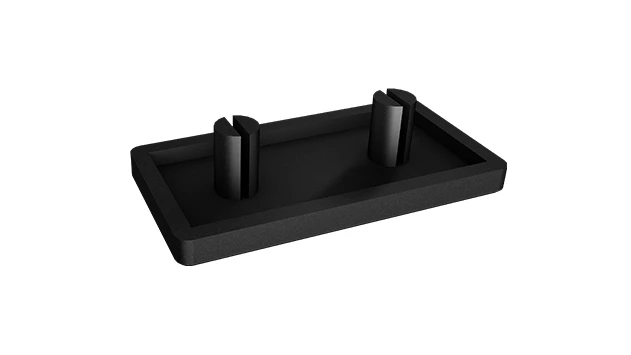
2040 Aluminum Profile End Cap
The aluminum profile end cap adds a finishing touch to your project and closes off profile ends to limit dust and debris buildup, also it can avaid some scratch for material and labor during the assemble work.
If you've ever worked with aluminum extrusion profiles—whether building a workbench for your garage, a material rack for your workshop, or a custom conveyor system for a production line—you've probably noticed something important: those sleek, industrial-looking aluminum beams need a little extra care to be truly functional and safe. That's where small but mighty components like the 2040 aluminum profile end cap come into play. These unassuming accessories might not be the first thing you think about when designing with aluminum profiles, but they're the finishing touch that turns a rough assembly into a polished, professional end product. In this guide, we'll dive deep into what 2040 aluminum profile end caps are, why they matter, how to choose the right one, and where they fit into your projects. Whether you're a DIY enthusiast or a manufacturing professional, by the end, you'll understand why these tiny caps are a big deal in the world of aluminum extrusion.
Understanding Aluminum Extrusion Profiles: The Foundation
Before we get to the end caps, let's take a quick step back to understand the star of the show: aluminum extrusion profiles. These are the backbone of countless industrial, commercial, and even home projects. Aluminum profiles are created by pushing heated aluminum through a die to form specific cross-sectional shapes—think T-slots, channels, or hollow rectangles. The result? Lightweight, strong, and infinitely customizable building blocks that can be connected with brackets, bolts, and accessories to create everything from workbenches to automated machinery.
One of the most popular profile sizes is the 2040 aluminum profile. The numbers "2040" refer to its dimensions: 20 millimeters in width and 40 millimeters in height (though exact measurements can vary slightly by manufacturer). This size strikes a perfect balance between strength and versatility. It's sturdy enough to support tools, materials, or even small equipment, but not so bulky that it's hard to maneuver or overkill for lighter projects. You'll find 2040 profiles in workbenches (like the aptly named Workbench E), material racks (such as Material Rack B with its 3 rows and 3 floors), and even lightweight conveyor systems. Their T-slot design—grooves running along the length—lets you attach accessories, shelves, or brackets without drilling, making assembly a breeze.
What Exactly Is a 2040 Aluminum Profile End Cap?
Now, let's zoom in on the hero of this guide: the 2040 aluminum profile end cap. Simply put, it's a small, usually plastic or rubber component designed to fit snugly over the exposed ends of a 2040 aluminum extrusion profile. Think of it as the "cap" on a marker or the "stopper" on a water bottle—its job is to cover the open end, but it does so much more than that. End caps are specifically engineered to match the inner dimensions of the 2040 profile, ensuring a tight, secure fit that won't slip off during use.
You might be wondering: Why not just leave the ends of the aluminum profile exposed? After all, aluminum is durable, right? While it's true that aluminum profiles are tough, their raw ends can be sharp, jagged, or unfinished—especially after cutting to length with a saw. Those sharp edges pose a safety risk: a quick brush against an exposed end could result in a cut or scrape, which is the last thing you want in a busy workshop or production environment. Additionally, open ends collect dust, debris, and even moisture over time, which can corrode the aluminum from the inside out. End caps solve both problems: they smooth out rough edges and seal the profile to keep out unwanted elements.

Key Features of 2040 Aluminum Profile End Caps
Not all end caps are created equal, and 2040 aluminum profile end caps come with a few key features that make them effective for their role. Let's break down what to look for:
- Precision Fit: The most critical feature is a tight, tailored fit. 2040 end caps are molded to match the exact inner dimensions of 20mm x 40mm profiles, so they won't wobble or fall off. Some are designed with small tabs or ridges that grip the inner walls of the profile, while others use friction or even adhesive for extra security.
- Material Variety: Most end caps are made from plastic—typically PVC, nylon, or polypropylene. These materials are lightweight, affordable, and resistant to impact, chemicals, and UV rays. For heavier-duty applications or where aesthetics matter more, you might find aluminum end caps, which blend seamlessly with the profile itself but come with a higher price tag.
- Design Options: End caps aren't just functional—they can be stylish too. Some are smooth and minimalist, while others have a slightly rounded or beveled edge for a softer look. You'll also find them in neutral colors like black, white, or gray, which blend with most workshop decors, though some manufacturers offer custom colors for branded projects.
- Easy Installation: No one wants to spend hours installing end caps. Most 2040 end caps are "snap-on," meaning you can push them into place with a firm press—no tools, glue, or screws required. For permanent installations, there are adhesive-backed options, and for profiles that need occasional access (like those with internal wiring), threaded end caps that screw on and off are available.

The Many Roles of a 2040 End Cap: More Than Just a Cover
At first glance, end caps might seem like a "nice-to-have" accessory, but they're actually a "must-have" for anyone working with aluminum profiles. Let's explore their key functions and why they matter in real-world applications:
1. Safety First: Eliminating Sharp Edges
In a workshop or production line, safety is non-negotiable. Exposed aluminum profile ends are often rough, with burrs or sharp corners left over from cutting. A quick lean against a workbench made with 2040 profiles, or a misstep near a material rack, could result in a painful cut. End caps smooth out these edges, turning a potential hazard into a harmless, rounded surface. This is especially important in environments with frequent foot traffic or where workers handle materials near the profiles—like loading/unloading items from Material Rack B or moving tools across a Workbench E.
2. Aesthetics: Polishing the Look
Aluminum profiles are known for their clean, industrial aesthetic, but exposed ends can make a project look unfinished. Imagine building a sleek aluminum workbench for your home office—you've spent time aligning the profiles, attaching the accessories, and even painting the top… but the raw, silver ends of the 2040 beams stick out like a sore thumb. End caps cover these ends, creating a cohesive, professional look. Whether you choose black, white, or a color that matches your project, they add that "finished" touch that elevates the design from "homemade" to "high-quality."
3. Protection Against Dust, Debris, and Moisture
Aluminum is resistant to rust, but it's not impervious to corrosion, especially if debris or moisture gets trapped inside the profile. Dust, dirt, and even small tools can fall into open ends, clogging T-slots or making it hard to attach accessories later. Moisture—from spills, humidity, or cleaning—can lead to internal corrosion over time, weakening the profile. End caps act as a barrier, sealing the ends and keeping these unwanted elements out. This is particularly useful for profiles used in garages, warehouses, or outdoor settings (though for extreme weather, aluminum end caps are more durable than plastic).
4. Reducing Noise and Vibration
Ever noticed how metal-on-metal contact creates a loud, annoying noise? In dynamic environments—like conveyor systems with roller tracks or turnover trolleys—aluminum profiles can vibrate or shift slightly during use. Exposed ends might rattle against other components, creating a constant clatter. End caps, especially those made of rubber or soft plastic, absorb some of this vibration and dampen noise, making the workspace quieter and more pleasant. They also prevent the aluminum ends from scratching or marring other surfaces they might come into contact with, like walls or neighboring profiles.
5. Preserving Profile Integrity
Aluminum profiles are strong, but their ends are vulnerable to dents or damage from impacts. A dropped tool, a heavy box, or even a forklift bumping into a material rack can bend or deform the exposed end of a 2040 profile. End caps act as a buffer, absorbing some of the impact and protecting the aluminum itself. This is especially important for profiles used in high-traffic areas or those supporting heavy loads, as a damaged end could compromise the profile's structural integrity over time.
Types of 2040 Aluminum Profile End Caps: Choosing the Right One
Not all 2040 end caps are the same, and choosing the right type depends on your project's needs. Let's break down the most common varieties:
Snap-On End Caps: The Go-To for Easy Installation
Snap-on end caps are the most popular choice for DIYers and professionals alike. As the name suggests, they "snap" into place by compressing slightly when pushed into the profile end, then expanding to grip the inner walls. They're typically made of flexible plastic (like PVC or polypropylene) and require no tools—just a firm press with your hand. Snap-on caps are ideal for projects where you might need to remove the cap later (e.g., to access the inside of the profile) and work well for most standard applications, like workbenches or shelving units. They come in a range of colors, with black and white being the most common for neutrality.
Adhesive-Backed End Caps: For Permanent Sealing
If you want a more permanent solution, adhesive-backed end caps are the way to go. These have a strong, double-sided adhesive strip on the inner surface; you peel off the backing, align the cap with the profile end, and press firmly to bond it in place. The adhesive creates a watertight, dustproof seal, making these caps perfect for outdoor use or profiles exposed to moisture. They're also great for high-vibration environments, as they won't pop off like snap-on caps might. The downside? Once installed, they're hard to remove without damaging the profile or the cap itself, so save these for projects where you won't need to access the inside of the profile later.
Threaded End Caps: For Accessible Profiles
Threaded end caps are a less common but useful option for profiles that need occasional access—for example, if you're running wires, cables, or tubing through the inside of the 2040 profile. These caps have threads on the outer surface that match threads cut into the inner walls of the profile (or into a threaded insert glued into the profile). You simply screw them on and off as needed. They're often made of harder plastic or even aluminum for durability, and they provide a secure seal when closed. Threaded caps are ideal for electronic enclosures, custom machinery with internal wiring, or any project where you might need to modify the inside later.
Aluminum End Caps: For Heavy-Duty and Aesthetic Appeal
While most end caps are plastic, aluminum end caps are available for projects that demand extra durability or a seamless, metal-on-metal look. They're heavier than plastic caps but offer superior resistance to impact, chemicals, and UV rays, making them suitable for industrial settings or outdoor use. Aluminum caps often have a brushed or anodized finish that matches the aluminum profile, creating a sleek, uniform appearance. They can be snap-on, adhesive-backed, or even bolt-on for maximum security. The tradeoff? They're more expensive than plastic caps, so they're usually reserved for high-end or heavy-duty applications.
Real-World Applications: Where 2040 End Caps Shine
Now that we understand what 2040 end caps are and what they do, let's look at how they're used in everyday projects. Chances are, if there's a 2040 aluminum profile involved, an end cap isn't far behind:
Workbenches: From Garage DIY to Industrial Workstations
Workbenches are one of the most common uses for 2040 aluminum profiles, and end caps are essential here. Take Workbench E, for example—a single-deck workbench without casters, often used in workshops or labs. Its frame is built with 2040 profiles, and the exposed ends of those profiles would be a hazard to anyone leaning on the bench or reaching across it. Snap-on end caps smooth out the edges, making the workbench safer and more comfortable to use. They also keep dust and debris from collecting in the profile ends, ensuring the bench stays clean and functional for years.
Material Racks: Organizing with Safety in Mind
Material Rack B, with its 3 rows and 3 floors, is another project where 2040 profiles (and their end caps) star. These racks hold tools, parts, or inventory, and workers are constantly loading and unloading items. Exposed profile ends could scratch boxes, damage parts, or even cut hands. End caps protect both the user and the materials, while also keeping the rack looking neat and professional. Adhesive-backed caps might be used here for a permanent seal, as the rack is unlikely to need disassembly.
Conveyor Systems and Roller Tracks
Lightweight conveyor systems, often made with 2040 profiles and roller tracks (like the 38 aluminum roller track with yellow wheels), rely on end caps to reduce noise and vibration. As products move along the rollers, the profiles can vibrate; end caps dampen this noise, creating a quieter workspace. They also prevent debris from falling into the profile ends, which could jam the rollers or interfere with the track's movement. In this case, snap-on caps are preferred for easy maintenance—if a roller needs replacement, the cap can be popped off quickly.
DIY Projects and Custom Furniture
Hobbyists and DIYers love 2040 profiles for custom projects: think bookshelves, desk frames, or even outdoor furniture. For these, end caps are often chosen for aesthetics as much as function. A black snap-on cap on a white aluminum desk frame adds a modern, finished look, while a colored cap can match the project's theme. Adhesive-backed caps might be used for outdoor furniture to resist rain and humidity, ensuring the piece lasts through the elements.
How to Install a 2040 Aluminum Profile End Cap: A Step-by-Step Guide
Installing a 2040 end cap is a simple process, even for beginners. Here's a quick guide to get you started:
- Prepare the Profile End: First, ensure the end of the 2040 profile is clean and free of burrs. If the profile was recently cut, use a file or sandpaper to smooth any rough edges—this helps the cap fit better and prevents damage to the cap during installation.
- Choose the Right Cap: Make sure you have a 2040-specific end cap. Check the dimensions (most caps will list "2040" on the packaging) and the type (snap-on, adhesive, etc.) to match your needs.
- Align the Cap: Hold the cap with the open end facing the profile. Line up the cap's edges with the profile's edges—most caps have a lip or guide that helps with alignment.
- Press Firmly (Snap-On): For snap-on caps, apply even pressure to the center of the cap with your palm. You should hear a "click" as the cap compresses and then expands to grip the profile. If it's tight, gently wiggle the cap while pressing to help it seat.
- Apply Adhesive (Adhesive-Backed): For adhesive caps, peel off the backing to expose the adhesive. Align the cap as above, then press firmly for 30-60 seconds to ensure a strong bond. For best results, clean the profile end with rubbing alcohol first to remove oil or dust.
- Screw On (Threaded): Threaded caps require the profile end to have internal threads (or a threaded insert). Simply twist the cap clockwise until it's tight—don't over-tighten, as this can strip the threads.
- Test the Fit: Give the cap a gentle tug to ensure it's secure. It shouldn't wobble or fall off. If it does, check for debris in the profile end or misalignment, and try again.
Comparing 2040 End Caps to Other Profile End Caps
2040 profiles are just one of many aluminum extrusion sizes—there are also 2020, 3030, 4040, and even larger profiles like 4080. Each has its own end cap, and while they share similar functions, there are key differences. Let's compare the 2040 end cap to two common alternatives:
| Feature | 2040 Aluminum Profile End Cap | 3030 Aluminum Profile End Cap | 4040 Aluminum Profile End Cap |
|---|---|---|---|
| Profile Size | Fits 20mm x 40mm profiles | Fits 30mm x 30mm profiles | Fits 40mm x 40mm profiles |
| Common Materials | Plastic (PVC, polypropylene), aluminum | Plastic, aluminum | Plastic, aluminum, rubber (for heavy duty) |
| Primary Use Cases | Workbenches, light material racks, DIY projects | Medium-duty shelving, machine frames | Heavy-duty racks, industrial machinery, conveyors |
| Installation Difficulty | Easy (snap-on, no tools needed) | Easy to moderate (slightly larger, may need more pressure) | Moderate (heavier caps, may require adhesive for security) |
| Price Range | $0.50–$2.00 per cap | $0.75–$2.50 per cap | $1.00–$3.50 per cap |
As you can see, 2040 end caps are the middle ground—smaller than 4040 caps, larger than 3030, and perfectly suited for projects that need a balance of strength and flexibility. Their affordability and ease of installation make them a favorite for both hobbyists and professionals.
Caring for Your 2040 End Caps: Maintenance Tips
End caps are low-maintenance, but a little care can extend their lifespan. Here are some quick tips:
- Clean Regularly: Wipe end caps with a damp cloth to remove dust or grime—this keeps them looking new and prevents buildup that could loosen the fit.
- Check for Wear: Inspect caps periodically for cracks, tears, or looseness. replace any damaged caps immediately, as they won't protect the profile or ensure safety.
- Avoid Harsh Chemicals: Plastic caps can degrade with exposure to strong solvents (like acetone or paint thinner). Use mild soap and water for cleaning instead.
- replace When Needed: Even the best end caps wear out over time, especially in high-use areas. Keep a few spares on hand so you can replace them quickly.
Final Thoughts: Small Accessory, Big Impact
The 2040 aluminum profile end cap might be small, but its impact on safety, functionality, and aesthetics is undeniable. Whether you're building a workbench, organizing a material rack, or designing a custom conveyor system, these tiny caps ensure your aluminum profiles look great, stay safe, and last longer. By choosing the right type (snap-on, adhesive, aluminum) and installing it properly, you'll turn your project from "good" to "professional-grade." So the next time you're assembling with 2040 profiles, don't overlook the end caps—they're the finishing touch that makes all the difference.