- Company Articles
- Products and Technology
- Product knowledge
- What Is a 3030 Aluminum Profile End Cap? Key Functions Explained

What Is a 3030 Aluminum Profile End Cap? Key Functions Explained
Related Product
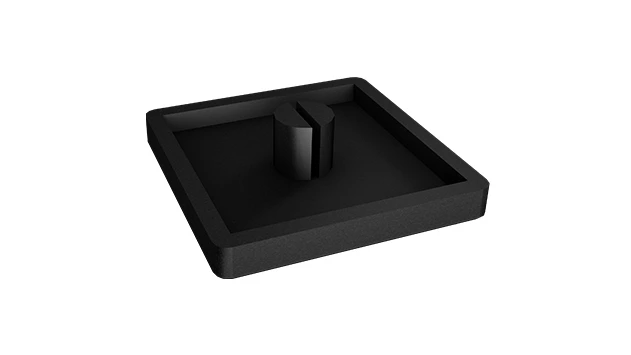
3030 Aluminum Profile End Cap
The aluminum profile end cap adds a finishing touch to your project and closes off profile ends to limit dust and debris buildup, also it can avaid some scratch for material and labor during the assemble work.
Walk into any modern factory, workshop, or even a well-organized retail store, and you'll likely spot structures that seem to effortlessly blend strength, flexibility, and clean design. Chances are, those structures are built with aluminum extrusion profiles—those sleek, T-slot metal beams that form the backbone of everything from production workbenches to material racks, conveyor systems to display shelves. But if you take a closer look at the ends of these profiles, you might notice something small yet crucial: a neat, often unassuming cap that covers the open end of the beam. That, my friend, is an aluminum profile end cap. And today, we're zeroing in on one of the most widely used types: the 3030 aluminum profile end cap.
At first glance, it's easy to dismiss this tiny component as "just a cap." But anyone who works with aluminum extrusion profiles regularly will tell you: the smallest parts often make the biggest difference. Whether you're building a heavy-duty industrial workstation or a lightweight retail display, the 3030 aluminum profile end cap plays a role far more vital than you might expect. In this article, we'll peel back the layers to understand what exactly a 3030 aluminum profile end cap is, why it matters, and the key functions that make it an indispensable part of any aluminum profile system.
First Things First: What Even Is a 3030 Aluminum Profile?
Before diving into the end cap itself, let's get clear on the "star" it's designed to complement: the 3030 aluminum profile. If you're new to the world of aluminum extrusion, think of these profiles as the building blocks of modular structures. They're created through a process called extrusion, where heated aluminum is forced through a die to form long, uniform shapes with consistent cross-sections. The "3030" in the name refers to its dimensions: typically 30mm in width and 30mm in height (though exact measurements can vary slightly by manufacturer).
What makes 3030 profiles so popular? Their versatility. Thanks to the T-slots running along their length—those grooves that look like tiny T-shaped channels—they can be easily connected with bolts, brackets, or other aluminum profile accessories to build almost anything. Need a sturdy workbench? Combine 3030 profiles with a tabletop. A mobile cart? Add casters. A material rack for storing tools? Attach shelves. From automotive assembly lines to lab equipment, 3030 aluminum extrusion profiles are the unsung heroes of modular design because they're lightweight, strong, corrosion-resistant, and infinitely customizable.
But here's the thing: when you cut an aluminum extrusion profile to length (which you almost always do to fit your project), you're left with an open end. That end isn't just "unfinished"—it's a potential problem waiting to happen. Sharp edges, exposed internal channels, and a rough appearance can all undermine the profile's functionality and safety. That's where the 3030 aluminum profile end cap comes in.
So, What Is a 3030 Aluminum Profile End Cap?
Put simply, a 3030 aluminum profile end cap is a small, usually plastic or rubber component designed to fit snugly over the open end of a 3030 aluminum extrusion profile. Think of it as the "cap" on a marker pen—simple, but essential for keeping the marker from drying out and protecting the tip. Similarly, the end cap protects the profile, enhances safety, and gives the structure a polished look.
Most end caps are lightweight, durable, and designed to be easy to install—no fancy tools required. They're typically made from materials like PVC (polyvinyl chloride), nylon, rubber, or even aluminum (for heavy-duty applications). The choice of material depends on the environment: PVC might work for general use, while rubber could be better for shock absorption, and aluminum for high-temperature settings.
But here's the key: not all end caps are created equal. A 3030 end cap is specifically engineered to match the internal dimensions of a 3030 profile. That means it's not too loose (so it won't fall off) and not too tight (so you can install it without damaging the profile). It's a small detail, but getting the fit right is critical—after all, an ill-fitting end cap is about as useful as a screen door on a submarine.

Key Functions of a 3030 Aluminum Profile End Cap: Why It Matters
Now that we know what a 3030 aluminum profile end cap is, let's dig into why it's more than just a "finishing touch." These unassuming caps perform four core functions that make them indispensable in any aluminum profile system. Let's break them down one by one.
1. Protecting the Aluminum Extrusion Profile Itself
Aluminum extrusion profiles are tough, but their open ends are surprisingly vulnerable. When you cut a profile to length, the cut edge can be rough, with burrs or micro-cracks that weaken the material over time. Without an end cap, those burrs can catch on gloves, tools, or even the hands of workers moving the profile, leading to further damage. Imagine sliding a 10-foot 3030 profile across a concrete floor during installation—without an end cap, the exposed end would scrape against the ground, chipping the aluminum and creating more rough edges. Over time, that wear and tear can compromise the profile's structural integrity, especially if it's part of a load-bearing structure like a material rack or a workbench.
The end cap acts as a barrier. Made from durable materials like nylon or PVC, it absorbs impact when the profile is moved, dragged, or bumped. It also prevents moisture, dust, and debris from getting inside the T-slot channel at the end of the profile. You might not think much about dust in a workshop, but over time, particles can build up in the T-slot, making it harder to insert bolts, brackets, or other aluminum profile accessories later. In humid environments, moisture trapped in the end could even lead to small amounts of corrosion—something aluminum is generally resistant to, but not immune to when exposed to prolonged dampness.
In short: the end cap is the first line of defense for your aluminum extrusion profile, keeping it in top shape for longer.
2. Enhancing Safety: No More Sharp Edges
Walk through a busy factory, and you'll quickly realize that safety isn't optional—it's everything. Loose wires, slippery floors, and sharp edges are all hazards that can lead to accidents. Aluminum extrusion profiles, when cut, can have surprisingly sharp edges at their open ends. Even a small burr can slice through a glove or scratch skin, leading to cuts or, worse, infections if the wound isn't treated properly.
This is where the 3030 aluminum profile end cap shines as a safety tool. By covering the open end, it rounds off those sharp edges, turning a potential hazard into a smooth, harmless surface. Think about a production line where workers are constantly reaching across a workbench built with 3030 profiles. Without end caps, every time someone leans against the edge of the bench, they risk catching their arm on a sharp profile end. With end caps, that risk disappears.
It's not just workers who benefit, either. If the profile is part of a structure that's moved—like a mobile cart or a turnover trolley—an exposed end could catch on walls, equipment, or even people as it's wheeled around. The end cap adds a buffer, reducing the chance of snags or injuries. In environments with strict safety regulations (which, let's face it, most workplaces are these days), end caps aren't just a good idea—they're often a requirement.
3. Aesthetics: Polishing the Look of Your Structure
Let's be honest: we all judge a book by its cover, even if we try not to. The same goes for structures built with aluminum profiles. A rack or workbench with exposed, rough-cut profile ends looks unfinished, like a project that was abandoned halfway through. On the other hand, one with neatly fitted end caps looks professional, intentional, and well-crafted.
This matters more than you might think. In retail settings, for example, a display built with 3030 profiles is meant to showcase products—and a shoddy, unfinished look can distract from the merchandise. Customers might subconsciously associate a poorly finished display with low-quality products. Similarly, in a client-facing workshop or a lab, a clean, polished structure sends a message: "We care about details."
End caps also come in a range of colors, from neutral tones like black, white, or gray to brighter hues. This means you can match them to the profile color (most 3030 profiles are silver or black anodized) or use them to add a subtle pop of color. For example, a white end cap on a black aluminum profile can create a sleek, modern contrast. It's a small touch, but it elevates the entire structure from "functional" to "functional and good-looking."
4. Sealing and Dust Prevention: Keeping the Inside Clean
The T-slot design of aluminum extrusion profiles is what makes them so versatile—those slots let you attach accessories like brackets, shelves, and panels with ease. But those slots, especially at the open end of a profile, can also act as magnets for dust, dirt, and debris. In a busy workshop, sawdust, metal shavings, or even spilled liquids can find their way into the end of the profile and settle in the T-slot. Over time, that buildup can make it hard to insert or adjust accessories, or even corrode the inside of the profile.
The 3030 aluminum profile end cap seals off that open end, acting like a plug to keep unwanted particles out. This is especially important in environments where cleanliness is critical, like food processing facilities, pharmaceutical labs, or electronics manufacturing plants. In a cleanroom, for example, even a tiny speck of dust can ruin a sensitive circuit board. End caps help maintain a controlled environment by preventing contaminants from entering the profile.
Moisture is another enemy. In humid or outdoor settings, rain or condensation can seep into the end of an uncovered profile, leading to oxidation (that dull, chalky white film that forms on aluminum). While aluminum is corrosion-resistant, prolonged exposure to moisture can still damage the profile's finish and weaken its structural integrity. The end cap acts as a barrier, keeping water out and extending the life of the profile.

Types of 3030 Aluminum Profile End Caps: Which One Is Right for You?
Not all 3030 aluminum profile end caps are the same. Just as every project has unique needs—whether it's heavy-duty use, a focus on aesthetics, or a need for extreme durability—there are different types of end caps designed to meet those needs. Let's take a look at the most common options, so you can choose the best one for your setup.
| Material | Design Feature | Installation Method | Best For | Durability |
|---|---|---|---|---|
| PVC (Polyvinyl Chloride) | Smooth, lightweight, often in neutral colors (black, white, gray) | Press-fit (snaps into place) | General use, indoor structures, budget-friendly projects | Moderate (resists wear but can crack in extreme cold) |
| Nylon | More rigid than PVC, higher temperature resistance | Press-fit or adhesive-backed (for extra security) | Industrial settings, high-traffic areas, moderate chemical exposure | High (abrasion-resistant, less prone to cracking) |
| Rubber | Flexible, shock-absorbent, often with a soft texture | Stretch-fit (compresses to seal tightly) | Applications with vibration (e.g., conveyor systems), noise reduction | High (elastic, resistant to impact and temperature swings) |
| Aluminum | Matte or polished finish, matches metal profiles | Screw-on or press-fit (with a tighter tolerance) | Heavy-duty structures, high-temperature environments, outdoor use | Excellent (corrosion-resistant, nearly indestructible) |
Table 1: Common Types of 3030 Aluminum Profile End Caps and Their Key Traits
PVC End Caps: The Budget-Friendly Workhorse
PVC is the most common material for 3030 end caps, and for good reason: it's affordable, lightweight, and easy to work with. These end caps are typically smooth, come in basic colors (think black, white, or gray), and install with a simple press-fit—just push them onto the end of the profile until they click into place. They're perfect for indoor projects where the profile isn't exposed to extreme temperatures or heavy impact, like office partitions, retail displays, or lightweight workbenches.
The downside? PVC can become brittle in very cold temperatures (below freezing) and may crack if dropped or hit hard. It's also not the best choice for outdoor use, as prolonged UV exposure can cause it to fade or degrade over time. But for most indoor, low-stress applications, PVC end caps get the job done without breaking the bank.
Nylon End Caps: Toughness Meets Versatility
Nylon end caps are a step up from PVC in terms of durability. Nylon is a strong, rigid plastic that resists abrasion, chemicals, and higher temperatures (up to around 80°C/176°F). This makes them ideal for industrial settings, where the profile might be bumped, scraped, or exposed to oils, solvents, or cleaning agents. They're also less likely to crack in cold weather than PVC, making them a better choice for unheated workshops or garages.
Many nylon end caps come with a slightly textured surface, which can help hide minor scratches, and some are even adhesive-backed—meaning you can add a small amount of glue to the inside for extra security, ensuring they don't pop off during heavy use. They're a bit pricier than PVC, but the added durability is often worth the investment for projects that see a lot of action.
Rubber End Caps: Shock Absorption and Sealing
If your project involves vibration, noise, or a need for a super-tight seal, rubber end caps are the way to go. Made from flexible materials like EPDM or silicone rubber, these end caps compress when installed, creating a snug, watertight seal that keeps out dust, moisture, and even sound. They're soft to the touch, which makes them excellent for environments where people might bump into the profile—like a busy warehouse or a school workshop—since they reduce the risk of injury from impact.
Rubber end caps are also great for conveyor systems or machinery that vibrates, as their flexibility absorbs shock and prevents the end cap from loosening over time. The downside? They're heavier than PVC or nylon, and they can attract dust and dirt due to their slightly sticky texture. They're also more expensive than PVC, but for applications where sealing or shock absorption is critical, they're irreplaceable.
Aluminum End Caps: The Heavy-Duty Option
For the toughest jobs, aluminum end caps are the gold standard. Made from the same material as the profile itself (or a lightweight aluminum alloy), these end caps are nearly indestructible. They're resistant to extreme temperatures (both high and low), chemicals, UV rays, and physical impact—making them ideal for outdoor use, heavy machinery, or marine environments where corrosion is a concern.
Aluminum end caps often have a polished or anodized finish that matches the profile, giving the structure a seamless, high-end look. They're typically installed with small screws or a press-fit design with an extremely tight tolerance, ensuring they stay in place even under heavy load. The only downside? They're the most expensive option, and they add a bit of weight to the profile. But if you need something that will last for decades, aluminum end caps are worth every penny.
How to Install a 3030 Aluminum Profile End Cap: A Step-by-Step Guide
Installing a 3030 aluminum profile end cap is one of the easiest parts of working with aluminum extrusion profiles—no special tools, no advanced skills, just a few simple steps. Whether you're a seasoned builder or a DIY beginner, you can have your end caps in place in minutes. Let's walk through the process.
What You'll Need
- A clean, cut 3030 aluminum profile (ensure the end is free of burrs—if not, use a deburring tool or sandpaper to smooth it)
- Your chosen 3030 aluminum profile end cap (check that it's the right size for your profile—measure the internal width/height if unsure)
- Optional: A rubber mallet (for tight-fitting end caps)
- Optional: A small amount of adhesive (for extra security, especially with nylon or rubber end caps)
Step 1: Prepare the Profile End
Before installing the end cap, make sure the end of the aluminum profile is clean and smooth. If the profile was recently cut, there might be burrs (small, sharp metal fragments) along the edge. These can scratch the end cap or make it harder to install. Use a deburring tool (a small hand tool with a blade that scrapes off burrs) or a piece of fine-grit sandpaper (120-grit or higher) to gently smooth the edge. Wipe the end with a clean cloth to remove any dust or metal shavings—you want a clean surface for the end cap to grip.
Step 2: Align the End Cap
Take the end cap and hold it up to the profile end. Most end caps have a slightly tapered design—meaning one side is narrower than the other—to make installation easier. The narrower end should face the inside of the profile. If your end cap is symmetrical (no taper), just align it so that the edges of the cap are flush with the edges of the profile.
Double-check that the end cap is the right size: it should fit snugly without being too loose or too tight. If it's too loose, it will fall off; if it's too tight, you risk damaging the cap or the profile when installing it. If the fit seems off, double-check that you have a 3030-specific end cap—using a 2020 or 4040 end cap on a 3030 profile will never work.
Step 3: Press or Tap the End Cap Into Place
For most end caps (PVC, nylon, rubber), installation is as simple as pressing them into place. Hold the end cap with your thumb and forefinger, and push firmly but evenly onto the profile end. You should feel a slight "pop" or resistance as the cap seats into the profile. If it's a tight fit, don't force it with your hands—you could bend the cap or hurt your fingers. Instead, use a rubber mallet to gently tap the end cap into place. Place a soft cloth over the cap first to avoid scratching it, then tap around the edges (not just the center) to ensure even installation.
For adhesive-backed end caps (common with nylon), peel off the protective film from the adhesive, align the cap, and press firmly for 30-60 seconds to ensure the adhesive bonds. For aluminum end caps that require screws, pre-drill small holes in the profile end (if needed), then line up the cap's screw holes with the profile's T-slot, and tighten the screws with a screwdriver (don't over-tighten—you could strip the threads).
Step 4: Test the Fit
Once the end cap is installed, give it a gentle tug to make sure it's secure. It shouldn't wiggle or come loose. If it does, remove it, check for debris or burrs on the profile end, and try again. If it still won't stay, you may need a different size or material (e.g., switching from PVC to a tighter-fitting nylon cap).
And that's it! You've successfully installed a 3030 aluminum profile end cap. Repeat the process for all open ends of your profile structure, and you're done.
Where Do 3030 Aluminum Profile End Caps Shine? Real-World Applications
By now, you might be thinking, "Okay, end caps are useful, but where exactly are they used in the real world?" The answer is: almost everywhere aluminum extrusion profiles are used. From factories to offices, labs to retail stores, 3030 aluminum profile end caps play a quiet but critical role in making structures safer, more durable, and more professional-looking. Let's explore some common applications.
Industrial Workbenches and Production Lines
Walk into any manufacturing plant, and you'll find workbenches built with 3030 aluminum profiles. These workbenches are where assembly, testing, and packaging happen—so they see a lot of action. Workers lean on them, tools are dropped on them, and heavy parts are moved across them. Without end caps, the open ends of the bench's support beams would be sharp and prone to damage. End caps protect the profiles from wear, keep workers safe from cuts, and ensure the bench looks neat even after years of use.
Production lines, too, rely on 3030 profiles for everything from conveyor supports to tool holders. In these fast-paced environments, safety is paramount—so end caps are non-negotiable. They prevent injuries from sharp edges and keep debris from getting into the profiles, ensuring the line runs smoothly with minimal downtime.
Material Racks and Storage Systems
Material racks—whether they're holding boxes, tools, or raw materials—are another common use for 3030 profiles. These racks need to be strong, but they also need to be easy to adjust (thanks to the T-slot design). End caps on the vertical and horizontal beams of the rack prevent items from catching on sharp edges when being loaded or unloaded. They also keep dust and pests (like mice or insects) from nesting inside the profiles, which is especially important for storing food, pharmaceuticals, or sensitive equipment.
In warehouses, where racks are often moved or reconfigured, end caps help protect the profiles during transport. Sliding a rack across the floor without end caps would scratch and dent the profile ends; with end caps, the profiles stay in good shape, extending the rack's lifespan.
Retail Displays and Trade Show Booths
Retailers love aluminum extrusion profiles for displays because they're lightweight, customizable, and easy to assemble. Whether it's a clothing rack, a shelving unit for electronics, or a promotional display at a trade show, 3030 profiles offer the perfect balance of strength and style. End caps are crucial here for aesthetics—they give the display a polished, professional look that appeals to customers. A display with exposed profile ends looks cheap and unfinished, while one with matching end caps looks intentional and high-quality.
Trade show booths, which are set up and taken down repeatedly, also benefit from end caps. They protect the profiles during transport (so the booth doesn't look worn after one show) and ensure the structure is safe for attendees who might brush up against it.
Lab Equipment and Cleanrooms
In laboratories and cleanrooms, precision and cleanliness are everything. Equipment like test benches, instrument holders, and storage cabinets are often built with 3030 aluminum profiles because they're easy to sanitize and resistant to corrosion. End caps play a key role here by sealing the profiles, preventing dust, bacteria, or chemicals from getting inside. In a biotech lab, for example, even a small amount of contamination can ruin an experiment—so end caps are essential for maintaining a sterile environment.
Many labs also require equipment to be mobile (on casters), so end caps protect the profiles when the equipment is moved around. They also ensure the equipment meets strict safety standards, as sharp edges are a hazard when handling delicate samples or instruments.
The Bottom Line: Small Part, Big Impact
At first glance, a 3030 aluminum profile end cap might seem like a trivial accessory—just a small piece of plastic or rubber that covers the end of a metal beam. But as we've explored, it's so much more than that. It's a protector, keeping your aluminum extrusion profiles safe from damage and wear. It's a safety guard, turning sharp edges into smooth surfaces that protect workers and users. It's a designer, adding a polished look to everything from workbenches to retail displays. And it's a gatekeeper, keeping dust, moisture, and debris out of your profiles to ensure they last for years.
Whether you're building a heavy-duty industrial structure or a lightweight retail display, choosing the right 3030 aluminum profile end cap matters. Consider your environment (indoor vs. outdoor, clean vs. dirty), your priorities (durability, aesthetics, safety), and your budget—and pick a material (PVC, nylon, rubber, or aluminum) that fits. And remember: installation is quick and easy, so there's no excuse to skip this small but essential step.
In the world of aluminum extrusion profiles, it's often the smallest components that make the biggest difference. The 3030 aluminum profile end cap is a perfect example. It may not grab headlines, but it's the unsung hero that ensures your structures are safe, durable, and ready to perform—no matter what you throw at them.