- Company Articles
- Products and Technology
- Product knowledge
- What Is a 3060 Aluminum Profile End Cap? Definition & Core Functions in Lean Systems

What Is a 3060 Aluminum Profile End Cap? Definition & Core Functions in Lean Systems
Related Product
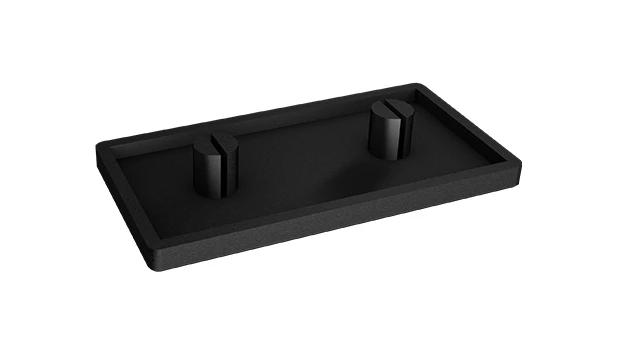
3060 Aluminum Profile End Cap
The aluminum profile end cap adds a finishing touch to your project and closes off profile ends to limit dust and debris buildup, also it can avaid some scratch for material and labor during the assemble work.
In the world of manufacturing and industrial workflow, we often celebrate the big players—the high-tech machinery, the automated assembly lines, the sleek conveyor systems. But if you've ever spent time on a factory floor or in a workshop, you know that the smallest components can sometimes make the biggest difference. Today, we're shining a spotlight on one such unsung hero: the 3060 aluminum profile end cap. It might not grab headlines, but this humble piece plays a critical role in keeping lean systems running smoothly, safely, and efficiently. Let's dive in and explore what it is, what it does, and why it matters in the world of lean manufacturing.
First Things First: What Exactly Is a 3060 Aluminum Profile End Cap?
To understand the 3060 aluminum profile end cap, let's start with its foundation: the aluminum extrusion profile itself. Aluminum extrusion profiles are those versatile, groove-lined beams you've likely seen in workbenches, material racks, and assembly stations. They're popular because they're lightweight, strong, and infinitely customizable—thanks to their T-slot design, which lets you attach accessories like brackets, shelves, and yes, end caps, with ease.
The "3060" in its name refers to its dimensions: typically 30mm in width and 60mm in height (though exact measurements can vary slightly by manufacturer). This makes it a mid-to-heavy-duty profile, often used in applications that need a bit more strength than smaller profiles (like the 2020 or 3030) but don't require the industrial heft of a 4080 or 4545. Think workbenches where operators assemble electronics, material racks holding heavy components, or even lightweight conveyor supports.
Now, the 3060 aluminum profile end cap is exactly what it sounds like: a small, usually plastic or rubber cap designed to fit snugly over the exposed ends of a 3060 aluminum extrusion profile. Picture the end of a pipe—without a cap, it's sharp, unfinished, and open to dust, debris, and even accidental cuts. The end cap seals that off, transforming a raw edge into a clean, functional finish. It's a simple solution, but as we'll see, its impact is anything but minor.
Core Functions: Why This Little Cap Matters
At first glance, you might think, "It's just a cap—how important can it be?" But in lean systems, where every detail is optimized to reduce waste, improve safety, and boost efficiency, the 3060 end cap pulls its weight in four key ways:
1. Protection: Keeping People and Profiles Safe
Let's start with the most obvious (and perhaps most critical) function: safety. Aluminum extrusion profiles, by nature, have sharp, unfinished ends. Even a slight brush against an exposed end can result in a cut or scrape—something no workplace wants, especially in fast-paced environments where workers are moving quickly. The 3060 end cap acts as a buffer, softening those edges and turning a potential hazard into a smooth, harmless surface.
But it's not just people it protects. The end cap also shields the profile itself. Without it, dust, dirt, and moisture can seep into the hollow interior of the extrusion. Over time, this can lead to corrosion (even in aluminum, which is rust-resistant but not rust-proof) or buildup that clogs the T-slots, making it harder to attach accessories later. By sealing the end, the cap extends the life of the profile, reducing the need for premature replacements—a classic example of waste reduction in lean systems.
2. Aesthetics: Polishing the Workspace
Lean systems aren't just about efficiency—they're also about creating organized, visually clear workspaces. A cluttered, messy environment can slow down workers, increase errors, and even lower morale. Exposed profile ends, with their rough edges and visible internal structure, can make a workstation look unfinished or haphazard. The 3060 end cap cleans that up instantly.
Available in neutral colors like black, gray, or white (to match common profile finishes), these caps give workbenches, racks, and stations a professional, put-together look. It's a small touch, but in a space where every tool and component has a place, a clean finish sends a message: "This workspace is intentional. We care about the details." And that mindset trickles down to the people working there, fostering pride and focus.
3. Structural Integrity: Supporting the System
You might not think of a tiny cap as a structural component, but hear us out. Aluminum extrusion profiles are strong, but their ends—especially if they're cut to length on-site—can sometimes have minor burrs or imperfections. These burrs can weaken the connection when the profile is joined to another component (like a bracket or a corner joint). The end cap, when fitted tightly, helps distribute pressure evenly across the end of the profile, reducing stress on those burrs and ensuring a more stable connection.
In some cases, end caps also prevent the profile from "creaking" or shifting over time. If a profile is used in a dynamic setup—say, a workbench that's adjusted up and down or a material rack that's loaded and unloaded daily—small movements can cause the ends to rub against adjacent parts. The end cap acts as a buffer, dampening friction and keeping the structure tight and quiet.
4. Compatibility: Playing Well with Others
Aluminum extrusion systems thrive on modularity. You start with a base profile, then add accessories to build exactly what you need: a shelf here, a tool holder there, a conveyor track above. The 3060 end cap ensures that this modularity isn't disrupted by exposed ends. For example, if you're building a material rack and want to attach a side panel or a label holder near the top, an exposed end might get in the way or make the accessory sit unevenly. The end cap creates a flat, uniform surface, so accessories fit as intended—no gaps, no wobbles, no wasted time adjusting.
This compatibility extends to aluminum profile accessories of all kinds, from simple brackets to complex sliding mechanisms. By keeping the profile's end clean and consistent, the end cap ensures that your system remains flexible—you can reconfigure, add, or remove components without worrying about those raw edges throwing a wrench in your plans.

The 3060 End Cap in Lean Systems: More Than Just a Cap
Lean manufacturing is all about eliminating waste—whether that's wasted time, wasted materials, or wasted effort. So how does a tiny end cap fit into this philosophy? Let's break it down:
- Reducing Waste of Time: Without end caps, workers might spend extra time filing down sharp edges on profiles or cleaning out debris from hollow ends. Over weeks and months, those minutes add up. End caps eliminate that extra work, letting teams focus on value-adding tasks.
- Reducing Waste of Materials: As we mentioned earlier, end caps protect profiles from corrosion and damage, extending their lifespan. This means fewer replacements, less material waste, and lower costs over time.
- Reducing Waste of Safety: Workplace injuries are a major source of waste in any system—they lead to downtime, medical costs, and lost productivity. By preventing cuts and scrapes, end caps help keep teams healthy and operations running smoothly.
- Supporting Continuous Improvement: Lean systems are never "finished"—they're always evolving. The 3060 end cap's compatibility with accessories makes it easy to adapt workspaces as needs change. Want to add a new shelf to your workbench? Swap out a material rack for a conveyor? The end cap ensures the transition is seamless, so you can implement improvements without starting from scratch.
In short, the 3060 aluminum profile end cap is a lean tool in disguise. It doesn't overhaul workflows or replace machinery, but it removes small, persistent sources of friction—making the entire system more efficient, safer, and adaptable.

How Does It Stack Up? Comparing Aluminum Profile End Caps
Not all end caps are created equal. Different aluminum profiles (2020, 3030, 4040, etc.) require different end caps, each tailored to their size and use case. To give you a better sense of where the 3060 end cap fits, let's compare it to some common counterparts:
| Profile Type | End Cap Size (Approx.) | Common Material | Typical Applications | Key Advantage |
|---|---|---|---|---|
| 2020 Aluminum Profile | 20mm x 20mm | Plastic (PVC) | Light-duty shelving, small workbenches, hobby projects | Lightweight, cost-effective for simple setups |
| 3030 Aluminum Profile | 30mm x 30mm | Plastic or rubber | Medium-duty workbenches, small material racks, cart frames | Balances strength and weight for everyday use |
| 3060 Aluminum Profile | 30mm x 60mm | Rubber or reinforced plastic | Heavy workbenches, multi-tier material racks, conveyor supports | Extra durability for heavier loads; compatible with more robust accessories |
| 4040 Aluminum Profile | 40mm x 40mm | Reinforced plastic or metal | Industrial workstations, heavy machinery frames, automated systems | Maximum strength for high-load applications |
As you can see, the 3060 end cap sits in a sweet spot: it's tough enough for heavier applications but not overkill for everyday use. Its rubber or reinforced plastic construction (sturdier than the basic plastic used for 2020 or 3030 end caps) makes it ideal for environments where durability matters—like factories, warehouses, or busy workshops.
Installing a 3060 Aluminum Profile End Cap: It's Easier Than You Think
One of the best things about 3060 end caps? They're designed for hassle-free installation. You don't need special tools or technical expertise—just a few minutes and a steady hand. Here's how it's done:
- Prepare the Profile End: First, make sure the end of your 3060 aluminum extrusion is clean and free of burrs. If there are any sharp edges (from cutting the profile to length), gently file them down with a metal file—this ensures the end cap fits snugly and doesn't get damaged.
- Align the End Cap: Take the end cap and line it up with the profile's end. Most end caps have a slightly tapered design, so the narrower end goes into the profile first. Check that the cap's shape matches the profile—some 3060 profiles have rounded edges, while others are square, so the cap should mirror that.
- Press Firmly: Once aligned, apply even pressure to the end cap, pushing it into the profile. You should feel a slight "pop" or resistance as it seats itself. If it's a tight fit, you can tap the cap gently with a rubber mallet (avoid metal hammers—they might crack the cap).
- Check for Stability: Give the end cap a light tug to make sure it's secure. It shouldn't wiggle or fall out. If it does, double-check that you have the right size cap (3060) and that the profile end is smooth—sometimes debris or a misaligned cut can prevent a tight fit.
That's it! No screws, no adhesives, no complicated steps. This simplicity is another reason end caps are a favorite in lean systems—they save time during setup and reconfiguration.
Caring for Your 3060 End Caps: Simple Maintenance for Longevity
Like any component, 3060 end caps need a little care to last. Fortunately, maintenance is minimal:
- Clean Regularly: Wipe end caps with a damp cloth to remove dust and grime. This keeps them looking neat and prevents buildup that could loosen the fit over time.
- Inspect for Wear: Every few months, check end caps for cracks, chips, or signs of wear—especially in high-traffic areas like workbench corners or material rack edges. If a cap is damaged, replace it promptly to maintain safety and protection.
- replace When Needed: End caps are inexpensive, so there's no need to repair a damaged one—just swap it out for a new one. Keep a few spares on hand so you can replace them quickly without disrupting workflow.
By following these simple steps, your end caps will keep protecting your profiles, workers, and workflow for years to come.
Real-World Example: How One Factory Benefited from 3060 End Caps
Let's put this all into context with a real scenario. Imagine a mid-sized electronics manufacturer that recently switched to a lean system. They invested in new workbenches, material racks, and assembly stations—all built with 3060 aluminum extrusion profiles. Initially, they skipped end caps to save a few dollars, figuring they weren't "essential."
Within a month, they noticed issues: workers were complaining about minor cuts on their forearms from brushing against exposed profile ends. The workbenches looked messy, with dust collecting in the hollow profiles. And during a reconfiguration, the team spent extra time cleaning out debris from the profile ends before attaching new accessories.
The solution? Adding 3060 end caps to all their profiles. Almost immediately, the cuts stopped. The workbenches looked cleaner, boosting team morale. And reconfigurations became faster, since there was no need to clean out debris. Over six months, the factory estimated they saved 12 hours of labor (from reduced cleaning and rework) and avoided three minor injury incidents—all from a component that cost less than $1 per cap.
This story illustrates a key lean principle: sometimes the smallest investments yield the biggest returns. The 3060 end cap might not seem like much, but in action, it's a game-changer for efficiency and safety.
Wrapping Up: The Little Cap That Powers Lean Systems
So, what is a 3060 aluminum profile end cap? It's a small, unassuming component that protects workers, shields profiles, enhances aesthetics, and ensures compatibility with accessories. But more than that, it's a testament to the lean philosophy: that success lies in the details. In a world where we're always chasing the next big innovation, it's the little things—the end caps, the brackets, the tools—that keep systems running smoothly, safely, and efficiently.
Whether you're building a single workbench or overhauling an entire production line, don't overlook the 3060 aluminum profile end cap. It might just be the unsung hero your lean system needs.