- Company Articles
- Products and Technology
- Product knowledge
- What is a 4040 Aluminum Profile End Cap? Definition & Core Functions Explained

What is a 4040 Aluminum Profile End Cap? Definition & Core Functions Explained
Related Product
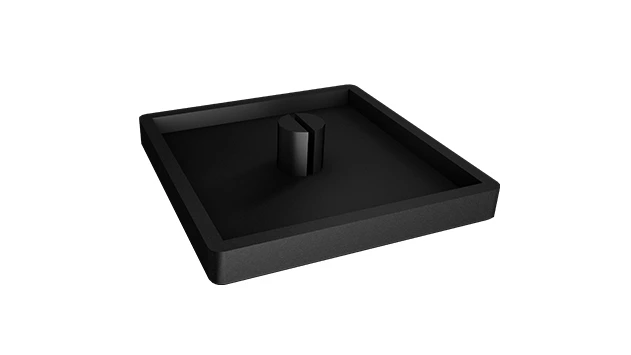
4040 Aluminum Profile End Cap
The aluminum profile end cap adds a finishing touch to your project and closes off profile ends to limit dust and debris buildup, also it can avaid some scratch for material and labor during the assemble work.
Walk into any modern factory, workshop, or even a tech startup's prototyping lab, and you'll likely spot sleek, silver structures holding up workbenches, organizing tools, or guiding materials along production lines. These are aluminum extrusion profiles—versatile, durable, and the backbone of countless industrial and commercial setups. But if you lean in closer, you'll notice something small yet crucial at the ends of many of these profiles: a simple, often unassuming cap. That's the aluminum profile end cap. Today, we're zeroing in on one of the most common types: the 4040 aluminum profile end cap. What is it? Why does it matter? And how does it fit into the bigger picture of aluminum profile systems and lean manufacturing? Let's dive in.
First Things First: What Even is a 4040 Aluminum Extrusion Profile?
Before we get to the end cap, let's make sure we're on the same page about the star of the show: the 4040 aluminum extrusion profile. Aluminum extrusion is a manufacturing process where aluminum is pushed through a die to create long, uniform shapes. The "4040" refers to the profile's cross-section: 40 millimeters wide and 40 millimeters tall. Think of it as a square tube, but with built-in grooves—called T-slots—running along its length. These T-slots are what make aluminum profiles so versatile; they let you slide in bolts, brackets, or other aluminum profile accessories to build everything from workbenches to material racks to conveyor systems.
4040 profiles are workhorses in industrial settings. They're strong enough to support heavy loads (like tools on a workbench or parts on a material rack) but lightweight enough to assemble and reconfigure without heavy machinery. You'll find them in lean systems, where efficiency and flexibility are key—think production lines that need to adapt quickly, or workstations (like ESD workbenches) that require precise organization. Now, onto the unsung hero that keeps these profiles functioning at their best: the end cap.
So, What is a 4040 Aluminum Profile End Cap?
Put simply, a 4040 aluminum profile end cap is a small, usually plastic or rubber component designed to fit snugly over the exposed ends of a 4040 aluminum extrusion profile. Picture this: when you cut an aluminum profile to length (say, to build a shelf or a workbench leg), the cut end is often rough, sharp, and full of tiny metal burrs. It might also have an open cavity (since many profiles are hollow to save weight). The end cap covers that raw edge, transforming it from a potential hazard into a smooth, finished surface.
End caps come in various shapes and sizes, but they're all tailored to the specific profile they're meant to cover. For 4040 profiles, the end cap is square (matching the 40x40mm cross-section) and sized to press-fit or snap into place without the need for glue or screws. It's a simple solution, but as we'll see, its impact is anything but minor.

What's It Made Of? Materials Matter
Most 4040 aluminum profile end caps are made from plastic—think PVC, nylon, or polypropylene. Why plastic? Let's break it down:
- Durability: Plastic is tough enough to withstand daily wear and tear in industrial environments. It won't rust (unlike metal), and it holds up well to oils, coolants, and other common workshop fluids.
- Flexibility: Plastic has a little "give," which helps the end cap snap onto the profile and stay put. It also absorbs minor impacts—say, if a tool accidentally bumps the end of the profile—without cracking.
- Safety: Plastic is soft compared to aluminum, so even if someone brushes against the end of a profile, the plastic cap reduces the risk of cuts or scrapes.
- Cost-Effectiveness: Plastic end caps are cheap to produce, which keeps the overall cost of aluminum profile systems low—important for businesses looking to optimize their lean systems on a budget.
Occasionally, you might find rubber end caps, especially in applications where vibration dampening or a tighter seal is needed (like on a mobile trolley with casters). But for most general-purpose uses—workbenches, static material racks, or lean pipe workstations—plastic is the go-to.

Types of 4040 Aluminum Profile End Caps: One Size Doesn't Fit All
Not all 4040 end caps are created equal. Depending on the application, you might need a different design. Here are the most common types you'll come across:
| End Cap Type | Design | Key Feature | Best For |
|---|---|---|---|
| Flat End Cap | Thin, flat plastic disc that sits flush with the profile end | Low-profile, minimalistic look | Workbenches, shelving, or visible areas where aesthetics matter |
| Domed End Cap | Rounded, slightly convex top for a softer look | Smoother surface, reduces snagging risk | Profiles in high-traffic areas (e.g., near walkways or caster-equipped trolleys) |
| Cable Management End Cap | Has a small hole or notch for routing wires/cables | Turns the profile into a hidden cable channel | ESD workstations or tech workbenches with power tools/electronics |
| Ventilated End Cap | Perforated or slotted to allow air flow | Prevents moisture buildup inside hollow profiles | Outdoor use or humid environments (e.g., near wash stations) |
No matter the type, the goal is the same: to protect the profile, the people around it, and the system it's part of. Let's dig into those core functions next.
Core Functions: Why 4040 End Caps Are Non-Negotiable
At first glance, end caps might seem like an afterthought—"just a piece of plastic," you might think. But in reality, they perform four critical roles that keep aluminum profile systems running smoothly and safely.
1. Safety First: Eliminating Sharp Edges
Let's start with the most obvious (and important) function: safety. When you cut an aluminum profile, even with a high-quality saw, the end is rarely perfectly smooth. Tiny metal burrs, sharp corners, or jagged edges are common. Without an end cap, these edges pose a real risk: a worker could brush against the profile and get a cut, or a soft material (like a wire or fabric) could snag and tear.
Real-World Example: Imagine a material rack b (a common 3-row, 3-floor rack used to store parts) built with 4040 profiles. Without end caps, the top edges of the vertical supports are sharp. A worker reaching for a box on the top shelf could easily scrape their arm. With end caps? The edges are smooth, and the risk is eliminated.
2. Protecting the Profile (and Its T-Slots)
Aluminum profiles are tough, but they're not indestructible. The raw end of a profile is vulnerable to dents, dings, or corrosion—especially if it's exposed to moisture, dust, or chemicals (like coolants in a factory). An end cap acts as a barrier, sealing off the hollow interior of the profile and preventing debris from getting stuck in the T-slots. Remember: T-slots are the "glue" that holds aluminum profile accessories (like brackets, lights, or tool holders) in place. If a T-slot gets clogged with dirt or bent from an impact, those accessories won't attach securely, and the whole system becomes less reliable.
3. Aesthetics: Turning "Rough" into "Refined"
Let's be honest: raw, cut aluminum ends look unfinished. Whether you're building a customer-facing display or a workstation in a modern office, details matter. End caps give profiles a clean, polished look, making the entire structure feel intentional and professional. This might seem trivial, but in lean systems—where organization and visual management are key—clutter (even the visual clutter of raw metal edges) can distract from efficiency.
4. Sealing Out the Elements (and Noise)
Hollow aluminum profiles can act like echo chambers, amplifying noise in a busy factory. End caps help muffle that noise by closing off the open end. They also seal out dust, water, and other contaminants that could damage the profile over time. For example, if you're using a 4040 profile as part of a roller track (to move parts along a production line), an end cap prevents small debris from falling into the track and jamming the rollers.
Installation 101: How to Put On a 4040 End Cap (Spoiler: It's Super Easy)
You might be thinking, "If end caps are so important, installing them must be complicated." Nope! In fact, one of the best things about end caps is how simple they are to attach. Here's a step-by-step guide:
- Prep the Profile End: First, make sure the end of the 4040 profile is clean and free of burrs. If there are sharp edges, gently file them down with sandpaper—this helps the end cap fit better and last longer.
- Align the End Cap: Hold the end cap so that its inner lip (the part that grips the profile) is facing the profile end. Most end caps have a slight taper, so the narrower end goes in first.
- Press It On: Using your thumb or the palm of your hand, push the end cap firmly onto the profile. You should feel a slight "snap" as it seats into place. For a tighter fit, you can tap it gently with a rubber mallet (but be careful not to crack the plastic!)
- Check the Fit: Give the end cap a light tug to make sure it's secure. It shouldn't wiggle or fall off easily. If it does, double-check that the profile end is smooth and that you're using the right size end cap (yes, there are 2020, 3030, and 4080 end caps too—don't mix them up!)
That's it! No screws, no adhesives, no special tools. Just a few seconds of effort, and your profile is protected.
When Would You Skip an End Cap? (Rarely, But It Happens)
Is there ever a time you wouldn't use an end cap on a 4040 profile? Maybe, but it's rare. For example:
- If the profile end is already covered: If you're attaching a bracket or another profile directly to the end (using a 90° aluminum profile connector, for instance), the end cap might not be necessary—though some people still add it for extra protection.
- In temporary setups: If you're building a quick prototype that will be disassembled and recycled, you might skip end caps to save time (but we still don't recommend it—safety first!)
For almost all permanent or semi-permanent setups—especially those in lean systems where durability and safety are prioritized—end caps are a must-have.
Why This Matters for Lean Systems and Aluminum Profile Accessories
At this point, you might be wondering, "Okay, end caps are useful, but how do they tie into bigger concepts like lean manufacturing or aluminum profile systems?" Great question. Lean systems are all about eliminating waste, improving efficiency, and creating value. End caps might seem small, but they support these goals in big ways:
- Reducing Waste: By protecting profiles from damage, end caps extend their lifespan, so you don't have to replace profiles as often. Less waste = more lean.
- Minimizing Downtime: A profile with a damaged T-slot or a stuck aluminum profile accessory (because of debris) can bring a production line to a halt. End caps prevent these issues, keeping workflows smooth.
- Supporting Flexibility: Aluminum profiles are all about reconfiguration—you can take apart a workbench and build a material rack tomorrow. End caps make it easier to disassemble and reassemble profiles without worrying about damaging the ends in the process.
Plus, end caps are part of the broader ecosystem of aluminum profile accessories that make these systems so versatile. From caster wheels that let you move workstations to roller tracks that guide materials, every accessory plays a role—and end caps ensure they all work together seamlessly.
Final Thoughts: The Small Part That Makes a Big Difference
The 4040 aluminum profile end cap might not be the flashiest component in your workshop or factory, but it's a perfect example of how the smallest details can have the biggest impact. It keeps workers safe, protects your investment in aluminum profiles, and ensures your lean system runs like a well-oiled machine. The next time you walk past a workbench, a material rack, or a conveyor, take a second to check out the ends of the profiles—chances are, you'll spot an end cap doing its quiet, crucial job.
So, whether you're a seasoned manufacturer, a DIY enthusiast building a home workshop, or someone just curious about how things work, remember: great systems are built on great details. And the 4040 aluminum profile end cap? It's one detail you don't want to overlook.