- Company Articles
- Products and Technology
- Product knowledge
- What Is a 4080 Aluminum Profile End Cap? Definition & Uses

What Is a 4080 Aluminum Profile End Cap? Definition & Uses
Related Product
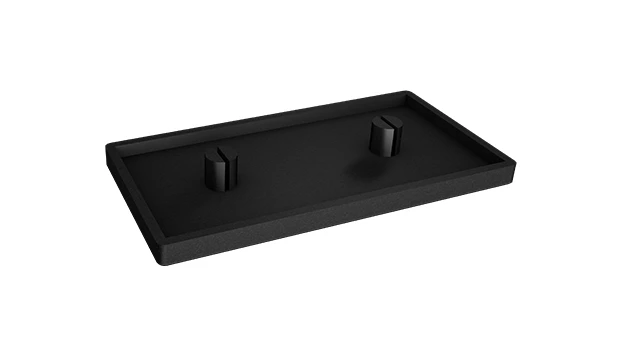
4080 Aluminum Profile End Cap
The aluminum profile end cap adds a finishing touch to your project and closes off profile ends to limit dust and debris buildup, also it can avaid some scratch for material and labor during the assemble work.
In the world of industrial manufacturing, construction, and even DIY projects, the smallest components often play the biggest roles in ensuring safety, functionality, and polish. If you've ever worked with aluminum extrusion profiles—those versatile, T-slot aluminum beams that form the backbone of workbenches, material racks, and assembly lines—you've likely encountered the need to finish off their exposed ends. Sharp, raw edges can snag gloves, scratch surfaces, or even cause injury, while unfinished profiles look unprofessional and leave the aluminum vulnerable to dust, moisture, and debris. Enter the 4080 aluminum profile end cap: a simple yet indispensable accessory that transforms a functional setup into a refined, safe, and durable one. In this article, we'll dive deep into what these end caps are, why they matter, and how they fit into the broader ecosystem of aluminum profile accessories.
What Is a 4080 Aluminum Profile End Cap?
Let's start with the basics. A 4080 aluminum profile end cap is a specialized component designed to fit snugly over the open ends of 4080 aluminum extrusion profiles. The "4080" designation refers to the profile's dimensions: 40mm in width and 80mm in height, a common size used in medium to heavy-duty applications like industrial workbenches, machinery frames, and storage systems. Made from materials like plastic, rubber, or even aluminum, these end caps are engineered to cover the exposed ends of the profile, providing a clean, finished look while addressing practical concerns like safety and protection.
Think of aluminum extrusion profiles as the "bones" of a project—strong, flexible, and ready to be customized with brackets, panels, and tools. But just as bones need joints and protective coverings, aluminum profiles need end caps to seal off their hollow interiors and smooth their edges. Without them, a project might work, but it won't work well . End caps are the final touch that turns a "functional" build into a "professional" one, whether you're setting up a workshop workbench or constructing a material rack for a factory floor.
Materials Used in 4080 Aluminum Profile End Caps
4080 aluminum profile end caps aren't one-size-fits-all when it comes to materials. Manufacturers choose materials based on the end cap's intended use, balancing factors like cost, durability, and environmental resistance. Here are the most common options you'll encounter:
- PVC Plastic: The workhorse of end cap materials, PVC (polyvinyl chloride) is lightweight, affordable, and resistant to moisture, chemicals, and impact. It's the go-to choice for general-purpose applications like workbenches in dry environments or storage racks in warehouses. PVC end caps often come in neutral colors like black, white, or gray, blending seamlessly with most aluminum profiles.
- Nylon: For projects that demand extra toughness, nylon end caps are a step up. Nylon is more rigid than PVC, offers better heat resistance, and stands up to repeated impacts—ideal for high-traffic areas like factory floors where profiles might get bumped by carts or tools. It's also less prone to cracking in cold temperatures, making it suitable for outdoor or unheated spaces.
- Rubber: When grip or vibration dampening is key, rubber end caps shine. They're often used in applications where the profile might come into contact with delicate surfaces, like electronic assembly workbenches, or where noise reduction matters, such as conveyor systems. Rubber also provides a non-slip surface, which can be useful for profiles used as handles or supports.
- Aluminum: For a sleek, industrial look or when the end cap needs to match the profile itself, aluminum end caps are the way to go. They're durable, corrosion-resistant, and can be anodized or painted to match the profile's finish. These are popular in high-end setups like retail displays or custom machinery where aesthetics are as important as function.
Each material has its pros and cons, but the best part is that there's an option for nearly every project. Whether you need something budget-friendly for a home workshop or a heavy-duty solution for a manufacturing plant, 4080 aluminum profile end caps have you covered.

Types of 4080 Aluminum Profile End Caps
Not all end caps are designed to do the same job. Depending on the profile's design, the project's needs, and the environment it will be used in, you'll find several types of 4080 aluminum profile end caps on the market. Let's break down the most common varieties:
Snap-On End Caps
The most widely used type, snap-on end caps are designed for quick, tool-free installation. They feature a flexible, slightly tapered design that allows them to "snap" into place over the profile's end, creating a tight seal. Think of them like the cap on a marker—you push them on, and they stay put until you need to remove them. Snap-on caps are perfect for projects where you might need to access the profile's interior later (for wiring, for example) or for temporary setups. They're available in all the materials mentioned above, with PVC being the most common for everyday use.
Threaded End Caps
For applications where security is a priority, threaded end caps are the answer. These caps have internal threads that screw onto corresponding threads cut into the profile's end, creating a permanent, tamper-resistant seal. They're often used in heavy machinery or outdoor setups where vibration or weather might dislodge a snap-on cap. Threaded caps are typically made from metal (like aluminum or steel) or hard plastic, ensuring they can withstand frequent tightening and loosening without stripping.
Customized End Caps
Sometimes, standard end caps just won't cut it. Maybe you need a cap with a hole for wiring, a specific color to match a brand's palette, or a unique shape to fit a non-standard profile modification. Customized end caps are made to order, tailored to the project's exact specifications. While they're more expensive than off-the-shelf options, they're invaluable for specialized applications—like medical equipment where hygiene and precision are critical, or automotive assembly lines with unique tooling requirements.
Flanged End Caps
Flanged end caps have a small lip or "flange" that extends beyond the profile's edge, providing extra protection for the surrounding area. Imagine a workbench where the profile's end juts out slightly; a flanged cap would cover not just the end but also the adjacent surface, preventing scratches or dents from tools or materials sliding against it. These are popular in woodworking shops or labs where delicate materials are handled.
| Type of End Cap | Primary Material | Installation Method | Best For | Key Benefit |
|---|---|---|---|---|
| Snap-On | PVC, Nylon | Tool-free, push-fit | General workbenches, temporary setups | Quick installation and removal |
| Threaded | Aluminum, Steel | Screws onto threaded profile ends | Heavy machinery, outdoor use | Secure, vibration-resistant seal |
| Customized | Variable (per project) | Depends on design (snap, glue, screw) | Specialized equipment, brand-matched setups | Tailored to unique needs |
| Flanged | Rubber, Nylon | Snap or glue | Delicate material handling, woodworking | Extra surface protection |

Installation Guide for 4080 Aluminum Profile End Caps
Installing a 4080 aluminum profile end cap is usually a straightforward process, but getting it right ensures a tight, long-lasting fit. Here's a step-by-step guide to help you do it like a pro:
Step 1: Prepare the Profile End
First, make sure the end of the 4080 aluminum extrusion profile is clean and free of debris. Use a rag or brush to wipe away dust, dirt, or metal shavings from cutting. If the end is rough (from sawing, for example), lightly sand it with fine-grit sandpaper to smooth any burrs—this prevents the end cap from tearing during installation and ensures a snug fit.
Step 2: Choose the Right End Cap Size
Not all "4080" profiles are identical—some might have slightly different tolerances or custom modifications (like drilled holes near the end). Double-check that your end cap is designed for 4080 profiles specifically; using a cap meant for a 4040 or 3030 profile will result in a loose fit. Most manufacturers label end caps with their intended profile size, so look for "4080" on the packaging or product description.
Step 3: Snap-On or Secure the Cap
For snap-on caps: Hold the cap with both hands, aligning it evenly with the profile's end. Apply firm, even pressure—you should hear a "click" as the cap seats into place. If it's tight, gently wiggle it side-to-side while pushing to avoid damaging the cap or profile.
For threaded caps: Ensure the profile's end is pre-threaded (most heavy-duty 4080 profiles come with this option, or you can tap threads using a die set). Screw the cap on clockwise until it's tight—avoid over-tightening, as this can strip the threads.
For glued caps (common with custom or flanged designs): Apply a small amount of industrial-grade adhesive (like epoxy or cyanoacrylate) to the inside of the cap, then press it onto the profile. Hold it in place for 30-60 seconds to allow the glue to set, and let it cure fully (per the adhesive's instructions) before using the profile.
Step 4: Test the Fit
Once installed, give the cap a gentle tug to ensure it's secure. A properly installed snap-on cap shouldn't come off with light pressure; a threaded cap shouldn't wiggle or unscrew easily. If it feels loose, remove it, check for debris or misalignment, and try again.
Key Benefits of Using 4080 Aluminum Profile End Caps
At first glance, end caps might seem like an afterthought—nice to have, but not necessary. But anyone who's worked with aluminum extrusion profiles knows better. Here are the top reasons why investing in 4080 aluminum profile end caps is always worth it:
Safety First
Raw aluminum edges are sharp—sharp enough to cut gloves, scratch forearms, or even tear clothing. In a busy factory or workshop, where workers are moving quickly, this isn't just a nuisance; it's a safety hazard. End caps blunt these edges, turning a potential injury risk into a smooth, safe surface. This is especially critical in environments with frequent foot traffic, like schools or retail spaces using aluminum profile displays.
Protection for the Profile
Aluminum extrusion profiles are durable, but their hollow interiors are vulnerable to dust, moisture, and pests. A cap seals off the end, preventing debris from building up inside (which can clog T-slots or corrode the aluminum over time) and keeping out insects or rodents in storage areas. For profiles used outdoors or in humid environments, end caps also act as a barrier against rain or condensation, extending the profile's lifespan.
Aesthetic Appeal
There's no denying it: unfinished profile ends look messy. Whether you're building a customer-facing display or a workshop workbench you'll use daily, end caps give the project a polished, professional look. They hide the raw aluminum, creating clean lines that make even DIY setups look like they were built by experts. This attention to detail matters—clients notice it, coworkers appreciate it, and you'll take pride in a job well done.
Cost-Effective Longevity
Replacing a damaged aluminum profile is far more expensive than buying an end cap. By protecting the profile from dents, scratches, and corrosion, end caps save you money in the long run. They also reduce maintenance time—no more sanding down rough edges or cleaning out debris from hollow profiles. For businesses, this translates to lower repair costs and less downtime; for hobbyists, it means your projects stay in top shape for years.
Versatility
End caps aren't just for sealing ends—they can also add functionality. Some caps come with built-in features like cable management holes (for routing wires through the profile), mounting points for small tools, or non-slip surfaces for grip. This versatility makes them useful beyond basic protection, turning a simple cap into a multi-purpose accessory.
Practical Applications in Different Industries
4080 aluminum profile end caps might be small, but their impact spans nearly every industry that uses aluminum extrusion profiles. Let's take a look at how they're used in real-world scenarios:
Manufacturing and Assembly Lines
In factories, 4080 profiles form the frames of workbenches, conveyor supports, and material racks. End caps here are non-negotiable: they prevent workers from catching gloves or clothing on sharp edges during repetitive tasks, and they keep dust and lubricants from seeping into the profiles (which could jam moving parts like conveyor belts). In automotive plants, for example, end caps on assembly line workbenches ensure that tools and parts slide smoothly without snagging, keeping production on track.
Electronics and Tech
Cleanrooms and electronics manufacturing facilities rely on aluminum profiles for static-free workstations and equipment frames. ESD (electrostatic discharge) safe end caps—made from conductive materials—prevent static buildup, protecting sensitive components like circuit boards from damage. These caps also seal the profiles to maintain the cleanroom's sterile environment, blocking dust and particles that could compromise product quality.
Retail and Display
From store shelves to trade show booths, aluminum extrusion profiles are a popular choice for custom displays. Here, end caps play a dual role: they make displays look sleek and professional (no sharp edges to deter customers) and protect merchandise from scratches. For example, a clothing store using 4080 profiles for hanging racks might use flanged end caps to prevent hangers from catching on raw aluminum, keeping clothes wrinkle-free.
Construction and Architecture
In commercial construction, 4080 profiles are used for temporary supports, scaffolding, and even permanent fixtures like handrails. End caps here need to withstand harsh weather and heavy use—threaded aluminum caps are common, as they won't loosen in high winds or rain. On building sites, they also protect workers from injury when moving or installing profiles, reducing the risk of cuts during transport.
DIY and Hobbyist Projects
Home workshops, garage setups, and maker spaces love 4080 profiles for their flexibility—they're easy to cut, drill, and assemble into custom workbenches, tool racks, or 3D printer enclosures. For hobbyists, snap-on PVC end caps are a budget-friendly way to add safety and polish. A woodworker building a router table, for instance, might use end caps to cover the profile ends, ensuring the tabletop is smooth and safe for sliding lumber.
How 4080 Aluminum Profile End Caps Complement Other Aluminum Profile Accessories
Aluminum extrusion profiles rarely work alone—they're part of a system, paired with brackets, connectors, panels, and other accessories to create functional structures. 4080 aluminum profile end caps fit seamlessly into this ecosystem, enhancing the performance of other components:
Workbenches and Tables
A typical workbench built with 4080 profiles uses brackets to attach shelves, drawers, or tool holders, and casters for mobility. End caps finish off the table's corners and edges, preventing the brackets from snagging on clothing and ensuring the work surface is smooth enough for tasks like drafting or electronics assembly. Without end caps, even the sturdiest workbench would feel unfinished and unsafe.
Material Racks and Storage Systems
Material racks (like the "material rack b (3 row and 3 floor)" often seen in warehouses) rely on aluminum profiles for strength and adjustability. End caps on these racks protect stored items—think of a rack holding metal sheets or boxes; a loose end cap could leave a sharp edge that scratches inventory. They also prevent dust from collecting inside the profiles, which could otherwise jam the T-slots used to adjust shelf heights.
Conveyors and Roller Tracks
Conveyor systems use aluminum profiles to support roller tracks, which move products along the line. End caps on the profiles' ends prevent debris from falling into the conveyor mechanism, reducing jams and maintenance needs. They also stabilize the track, ensuring rollers align properly for smooth product flow—critical for high-speed manufacturing lines where even a small misalignment can cause delays.
Aluminum Profile Accessories
From corner codes to hinges, aluminum profile accessories are designed to work with T-slot profiles. End caps don't interfere with these accessories—in fact, they often make installation easier. For example, when attaching a hinge to a 4080 profile, a properly installed end cap ensures the hinge sits flush against the profile, preventing wobbling or uneven wear over time.
Maintenance Tips to Extend the Lifespan of 4080 Aluminum Profile End Caps
Like any component, 4080 aluminum profile end caps need a little care to stay effective. Here are simple maintenance tips to keep them in top shape:
- Clean Regularly: Wipe end caps with a damp cloth to remove dust, grease, or chemicals—this is especially important in industrial settings where oils or solvents might degrade plastic caps over time. For aluminum caps, use a mild detergent to avoid scratching the finish.
- Inspect for Wear: Check end caps periodically for cracks, looseness, or damage. A cracked PVC cap won't seal the profile properly, while a loose threaded cap could fall off, exposing the raw aluminum. replace worn caps immediately to maintain safety and protection.
- Lubricate Threaded Caps: If you're using threaded end caps, apply a small amount of anti-seize lubricant to the threads once a year. This prevents rust and makes removal easier if you need to access the profile's interior later.
- Avoid Over-Exposure to UV Light: Plastic end caps (like PVC) can fade or become brittle in direct sunlight. If your setup is outdoors, choose UV-resistant caps or paint them with a UV-protective coating to extend their life.
Choosing the Right 4080 Aluminum Profile End Cap for Your Project
With so many options available, selecting the right end cap can feel overwhelming. Here's a quick checklist to help you decide:
- Environment: Indoor or outdoor? Dry or humid? Choose materials accordingly (e.g., rubber for moisture, aluminum for weather resistance).
- Safety Needs: Are sharp edges a risk? Opt for flanged or thick PVC caps. Working with ESD-sensitive equipment? Go for conductive ESD caps.
- Aesthetics: Does the project need a polished look? Aluminum or colored caps might be best. For hidden applications, basic PVC works.
- Installation Frequency: Will you need to remove the cap often? Snap-on is easiest. For permanent setups, threaded or glued caps are more secure.
- Budget: Standard snap-on caps are the most affordable; custom or specialized caps (like ESD or aluminum) cost more but offer added benefits.
Conclusion
The 4080 aluminum profile end cap may be small, but its impact is undeniable. It's the finishing touch that turns a functional aluminum extrusion setup into a safe, durable, and professional one—whether you're building an industrial workbench, a retail display, or a DIY garage project. By sealing sharp edges, protecting the profile from damage, and enhancing aesthetics, end caps prove that sometimes, the smallest components are the most essential.
When shopping for end caps, remember to prioritize your project's unique needs: safety, environment, and functionality should guide your choice. And don't overlook the importance of quality—investing in a well-made end cap now will save you time, money, and headaches down the line. After all, in the world of aluminum extrusion profiles, it's the details that make all the difference.