- Company Articles
- Products and Technology
- Product knowledge
- What Is a 60 Steel Roller Track Small Wheel? Definition & Core Functions

What Is a 60 Steel Roller Track Small Wheel? Definition & Core Functions
Related Product
60 Steel Roller Track Small Wheel
Modular system roller tracks aluminum gravity roller tracks are an excellent solution for transporting materials within industrial environments, warehouses and distribution centres.
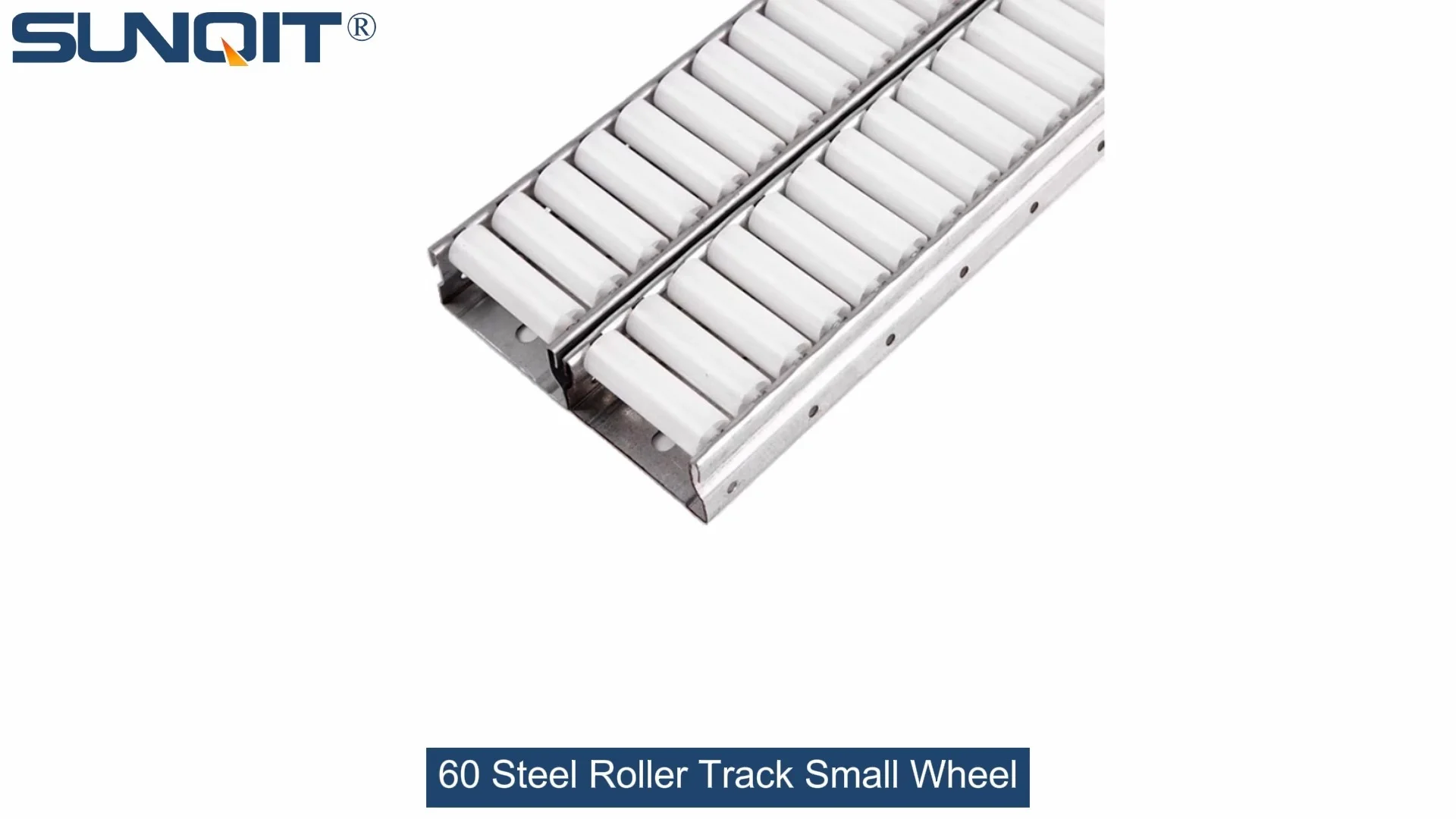
What Is a 60 Steel Roller Track Small Wheel? Definition & Core Functions
Let's get straight to the point: if you've ever walked through a busy warehouse or a bustling manufacturing line, you've probably seen rows of shelves where boxes glide smoothly from the back to the front, or conveyors moving parts from one station to another without a hitch. Behind that seamless movement is a tiny but powerful component: the 60 steel roller track small wheel. It's easy to overlook these small wheels, but they're the unsung heroes of efficient material handling—keeping production lines running, reducing worker fatigue, and aligning perfectly with lean manufacturing principles that businesses rely on today.
In this article, we'll dive deep into what exactly a 60 steel roller track small wheel is, its core functions that make it indispensable, how it fits into modern manufacturing systems, and why it's a go-to choice for industries ranging from 3C assembly to automotive production. We'll also cover its key features, maintenance tips, and real-world applications to give you a complete picture of this essential component.
Definition: What Exactly Is a 60 Steel Roller Track Small Wheel?
Put simply, a 60 steel roller track small wheel is a compact, high-strength steel wheel designed specifically for use in 60-series roller tracks. Let's break down the name to understand it better:
1.
60-series:
This refers to the width of the roller track it's compatible with—usually 60mm. This standard size ensures that the wheel fits snugly into the track, preventing wobbling or misalignment during use.
2.
Steel:
The wheel is made from high-quality carbon steel, chosen for its durability, load-bearing capacity, and resistance to wear and tear. Unlike plastic wheels that might crack or deform under heavy loads, steel wheels hold up well in high-traffic, high-weight environments.
3.
Small Wheel:
The wheel itself has a relatively small diameter (typically between 25mm and 30mm, depending on the model). This small size allows for tighter turns and more precise movement, which is crucial in spaces where every inch counts—like compact production lines or narrow warehouse aisles.
But it's not just about the parts; it's about the purpose. These wheels are engineered to facilitate the smooth flow of materials—whether it's a box of electronic components, a heavy automotive part, or a sensitive medical device component. They're designed to work in tandem with roller tracks, flow racks, and conveyors to create a seamless material handling system that saves time, reduces waste, and boosts productivity.
Core Functions: Why This Small Wheel Matters So Much
The 60 steel roller track small wheel isn't just a "part" — it's a solution to some of the biggest pain points in material handling. Let's look at its core functions and why each one is critical:
1. Enabling Smooth, Frictionless Material Flow
The primary job of these wheels is to reduce friction between the material (like a box or a part tray) and the track. When you push a box onto a flow rack fitted with these wheels, it glides forward with minimal effort—no more straining to pull heavy items from the back of a shelf. This smooth flow is especially important in FIFO (First-In, First-Out) inventory systems, where the oldest items need to be accessed first. For example, in a 3C assembly line, components like phone batteries are stored in flow racks with these wheels; as workers take the front battery, the next one slides forward automatically, ensuring that no parts are left unused or expired.
2. Supporting Heavy Loads Without Compromise
Steel is known for its strength, and these wheels are no exception. Each small wheel can support between 50kg and 100kg of weight (depending on the model), which adds up when you have multiple wheels on a track. This means you can use them to move heavy items like automotive engine parts, large medical device components, or stacks of warehouse boxes without worrying about the wheels bending or breaking. Unlike plastic wheels that might fail under heavy loads, these steel wheels are built to last—reducing the need for frequent replacements and saving your business money in the long run.
3. Integrating Seamlessly With Lean Systems
Lean manufacturing is all about eliminating waste—whether it's time, effort, or resources. The 60 steel roller track small wheel fits perfectly into this philosophy. It's part of flexible systems like flow racks and conveyors that can be reconfigured quickly as your production needs change. For example, if you need to adjust your warehouse layout to accommodate a new product line, you can easily move the roller tracks (fitted with these wheels) and reassemble them using aluminum profiles to build custom flow racks or conveyors. This compatibility makes them part of flexible lean systems, since you can reconfigure the tracks easily as production needs change.
4. Withstanding Harsh Environments
Manufacturing and warehouse environments aren't always gentle. There's dust, oil, temperature fluctuations, and constant use. The 60 steel roller track small wheel is designed to handle all of this. Most models are zinc-plated or coated to resist corrosion, so they won't rust even if they're exposed to moisture or oil. This durability ensures that the wheels keep working reliably, even in high-traffic areas where other components might fail. For example, in an automotive factory where oil spills are common, these wheels continue to roll smoothly without getting stuck or corroded.
5. Reducing Worker Fatigue and Improving Safety
When materials glide easily, workers don't have to strain to lift or pull heavy items. This reduces the risk of back injuries and fatigue, making the workplace safer and more comfortable. For instance, in a medical device warehouse, workers handling sensitive and heavy equipment parts can access items quickly without exerting extra effort—allowing them to focus on their tasks instead of struggling with material handling. This not only improves productivity but also boosts employee morale, which is a key factor in any successful business.
Key Specifications: A Closer Look at the Details
To understand why the 60 steel roller track small wheel is such a versatile component, let's look at its key specifications. The table below outlines the typical features of these wheels (note: specs may vary slightly by manufacturer, but these are the most common):
| Specification Category | Common Details |
|---|---|
| Material | High-quality carbon steel (SUS 304 optional for corrosion resistance) |
| Wheel Diameter | 25mm, 30mm (small sizes for precise movement) |
| Track Compatibility | 60mm wide roller tracks |
| Load Capacity per Wheel | 50kg to 100kg |
| Surface Treatment | Zinc plating, black oxide coating, or powder coating |
| Operating Temperature Range | -20°C to 80°C (suitable for most indoor environments) |
| Compatibility with Other Components | Aluminum profiles, flow racks, conveyors, lean pipe systems |
| Rotation Type | 360° free rotation (for smooth direction changes) |
These specifications make the 60 steel roller track small wheel a flexible choice for a wide range of applications. For example, the zinc plating ensures corrosion resistance, which is essential in food processing or medical environments where hygiene is a priority. The compatibility with aluminum profiles means you can build custom flow racks or conveyors that fit your exact needs—whether you're in the 3C industry or the automotive sector.
How It Fits Into Lean Manufacturing Systems
Lean manufacturing is more than just a buzzword—it's a way of doing business that focuses on maximizing value while minimizing waste. The 60 steel roller track small wheel is a key component of lean systems, and here's how:
1. Part of Flow Racks for Efficient Inventory Management
Flow racks are a staple of lean warehouses, and they rely heavily on these small wheels. When you store items in a flow rack, they move forward as the front items are taken—ensuring that you use the oldest stock first (FIFO). This eliminates waste from expired or obsolete items and reduces the time workers spend searching for parts. For example, in a consumer electronics warehouse, flow racks with these wheels hold smartphone screens; every time a screen is taken from the front, the next one slides into place, so workers never have to reach to the back of the shelf.
2. Integral to Conveyors for Smooth Production Flow
Conveyors are the backbone of lean production lines, and these wheels are what make them work. Whether it's a roller conveyor moving partially assembled cars or a belt conveyor (with roller track components) moving 3C parts, the 60 steel roller track small wheel ensures that parts move smoothly from one station to the next. This reduces downtime caused by stuck parts and keeps the production line running at optimal speed. For instance, in an automotive assembly line, conveyors with these wheels move car doors from the painting station to the assembly station—no delays, no hiccups.
3. Flexible Reconfiguration with Lean Pipe Systems
Lean pipe systems are all about flexibility—you can build, disassemble, and reassemble workstations, racks, and conveyors as needed. The 60 steel roller track small wheel is compatible with these systems, so you can easily add roller tracks to a lean pipe workstation or modify a conveyor to fit a new product line. This flexibility means you don't have to invest in new equipment every time your business changes—saving money and reducing waste, which is exactly what lean is all about.
4. Reducing Waste in Material Handling
Every time a worker has to strain to pull a heavy box or wait for a stuck part to be freed, that's waste. The 60 steel roller track small wheel eliminates this waste by making material handling effortless. Workers can move items quickly and easily, so they spend more time on value-adding tasks (like assembling products) and less time on non-value-adding tasks (like lifting heavy boxes). This aligns with the lean principle of eliminating "motion waste" and "waiting waste."
Real-World Applications: Where You'll Find These Wheels in Action
The 60 steel roller track small wheel is used across a wide range of industries, thanks to its durability, flexibility, and compatibility with lean systems. Let's take a look at some of the most common applications:
1. 3C Assembly Industry
The 3C industry (computers, communication, consumer electronics) is all about precision and speed. In assembly lines for smartphones, tablets, or laptops, these wheels are used in conveyors that move partially assembled devices from one station to the next. For example, a conveyor with these wheels might move a smartphone from the screen assembly station to the battery installation station—ensuring that the device arrives at the right time, every time. The smooth flow reduces the risk of damage to sensitive components, which is critical in this industry.
2. Automotive Industry
Automotive manufacturing involves heavy parts and fast production lines. These wheels are used in flow racks that hold components like brake pads, suspension parts, or engine components. Workers can access these parts quickly without straining, which keeps the assembly line moving. Additionally, conveyors with these wheels move car bodies or parts through painting, welding, and assembly stations—ensuring that production stays on schedule.
3. Medical Device Industry
Medical devices require precise handling and hygiene. The 60 steel roller track small wheel (especially models with stainless steel options) is used in conveyors and flow racks that transport sensitive components like surgical instruments, diagnostic equipment parts, or implantable devices. The smooth movement ensures that parts aren't damaged during transport, and the corrosion-resistant surface keeps the components clean and safe.
4. Warehouse and Logistics Industry
Warehouses and logistics centers rely on efficient material handling to keep up with customer demand. These wheels are used in flow racks for storing boxes, pallets, or packages. For example, in an e-commerce warehouse, flow racks with these wheels hold customer orders—when an order is picked from the front, the next one slides forward, reducing the time workers spend searching for items. This efficiency helps warehouses fulfill orders faster and meet delivery deadlines.
5. Home Appliance Industry
Home appliances like refrigerators, washing machines, or air conditioners are large and heavy. These wheels are used in conveyors that move these appliances through the production line—from the frame assembly to the final testing station. The load-bearing capacity of the steel wheels ensures that even heavy appliances move smoothly, reducing downtime and increasing productivity.
Maintenance Tips: Keeping Your Wheels Rolling Smoothly
Like any component, the 60 steel roller track small wheel needs regular maintenance to keep it working at its best. Here are some simple tips to ensure longevity and performance:
1. Regular Cleaning
Dust, debris, or oil can build up on the wheels and track, causing friction and reducing smoothness. Wipe the wheels and track with a dry cloth every week to remove any buildup. For stubborn dirt, use a mild detergent (avoid harsh chemicals that might damage the surface treatment).
2. Lubrication
Apply a light lubricant (like silicone oil or lithium grease) to the wheel bearings every month. This keeps the wheels rotating smoothly and reduces wear and tear. Be careful not to over-lubricate—too much oil can attract dust and debris.
3. Check for Wear and Tear
Inspect the wheels every quarter for signs of wear, like bent rims, cracked wheels, or loose bearings. If you notice any damage, replace the wheel immediately. Worn wheels can cause misalignment or stuck parts, which disrupt production and increase the risk of accidents.
4. Adjust Track Alignment
If the wheels are wobbling or the material isn't moving smoothly, check the track alignment. Make sure the track is straight and level. If it's not, adjust the aluminum profiles or brackets that hold the track in place. Proper alignment ensures that the wheels work as intended and extends their lifespan.
5. Avoid Overloading
Every wheel has a maximum load capacity—don't exceed it. Overloading can cause the wheels to bend or break, leading to costly repairs and downtime. Always check the load capacity of the wheels before using them for heavy items.
Why Choose 60 Steel Roller Track Small Wheels Over Other Options?
You might be wondering: why not use plastic wheels instead? Let's compare the 60 steel roller track small wheel with plastic alternatives to see why steel is the better choice for many applications:
1. Durability
Steel wheels are far more durable than plastic wheels. They can handle heavier loads, resist wear and tear, and last longer—even in high-traffic areas. Plastic wheels might crack or deform under heavy use, leading to frequent replacements.
2. Load Capacity
As mentioned earlier, each steel wheel can support up to 100kg, which is much higher than most plastic wheels. This makes steel wheels ideal for heavy items like automotive parts or medical devices.
3. Resistance to Harsh Environments
Steel wheels are resistant to oil, dust, and temperature fluctuations. Plastic wheels might melt in high temperatures or crack in cold environments, making them unsuitable for many manufacturing settings.
4. Cost-Effectiveness
While steel wheels might have a higher initial cost than plastic wheels, they last longer—reducing the need for frequent replacements. This makes them more cost-effective in the long run.
That said, plastic wheels have their place (like in light-load applications or environments where noise reduction is key). But for most heavy-duty, high-traffic applications, the 60 steel roller track small wheel is the clear winner.
Conclusion: The Unsung Hero of Efficient Material Handling
The 60 steel roller track small wheel might be small, but its impact is huge. It's the component that keeps flow racks gliding, conveyors moving, and production lines running smoothly. It's a key part of lean manufacturing systems, helping businesses reduce waste, improve efficiency, and save money. And it's versatile enough to be used in industries from 3C assembly to medical device manufacturing.
Whether you're a warehouse manager looking to improve inventory efficiency, a production supervisor aiming to reduce downtime, or a business owner wanting to align with lean principles, the 60 steel roller track small wheel is a component you can't afford to overlook. It's the unsung hero that makes modern material handling possible—one smooth glide at a time.