- Company Articles
- Products and Technology
- Product knowledge
- What Is a Duplex Aluminum Pipe Joint? A Comprehensive Guide

What Is a Duplex Aluminum Pipe Joint? A Comprehensive Guide
Related Product
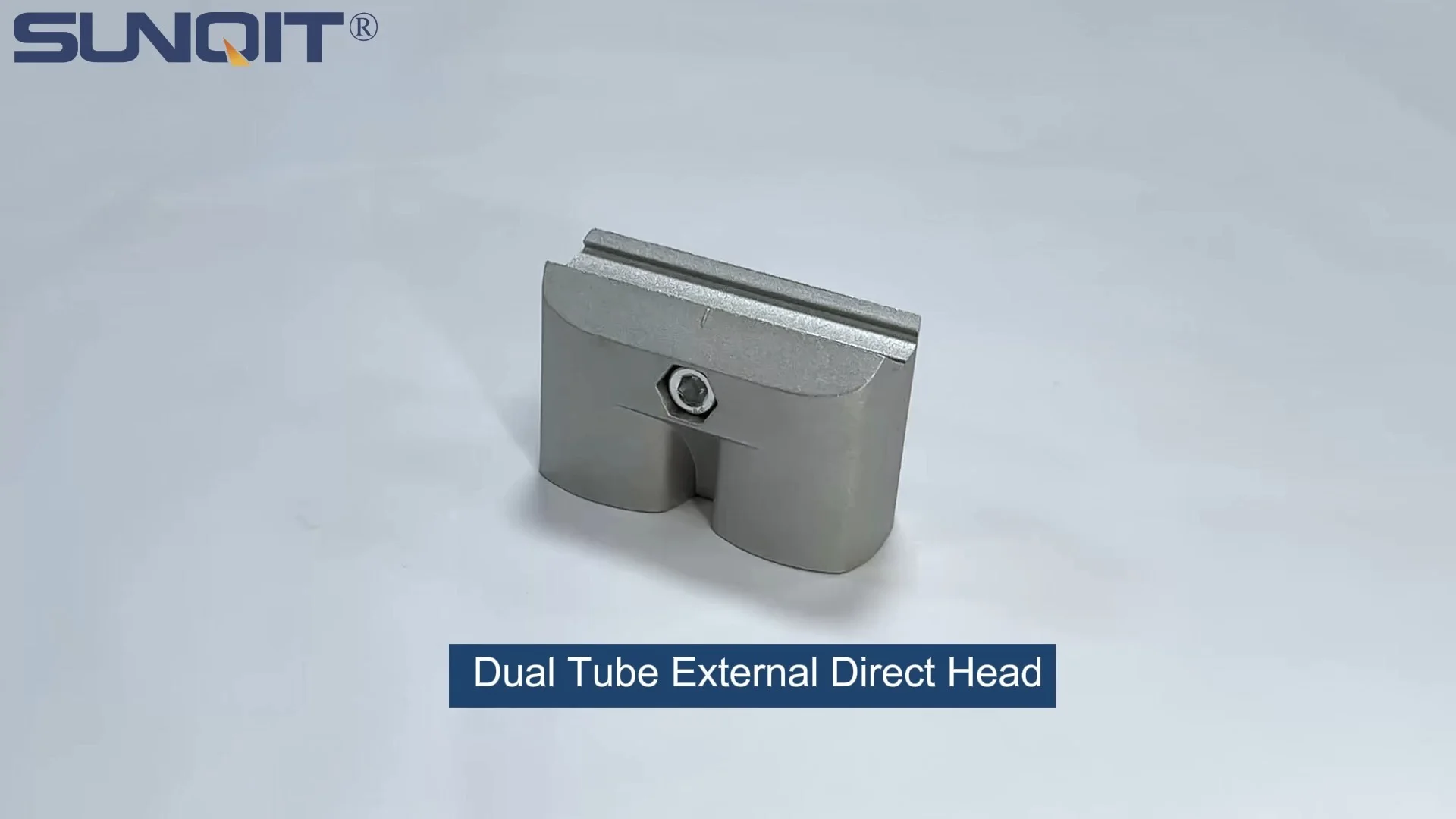
Duplex Aluminum Pipe Joint
Duplex Aluminum pipe joint used for one pcs 28pcs aluminum pipe and one pcs of 28mm duplex pipe connection in straight angle.
Walk into any modern manufacturing facility, warehouse, or assembly plant, and you'll likely notice a common thread: flexibility. Production lines shift, workstations adapt, and material flows evolve—all to keep pace with changing demands. At the heart of this adaptability lies a humble yet crucial component: the duplex aluminum pipe joint. These unassuming connectors are the silent architects of efficient, modular workspaces, enabling teams to build, reconfigure, and optimize everything from workbenches to material racks with minimal hassle. But what exactly is a duplex aluminum pipe joint, and why has it become a staple in lean manufacturing environments? Let's dive in.
What Is a Duplex Aluminum Pipe Joint?
At its core, a duplex aluminum pipe joint is a specialized connector designed to link aluminum lean pipes (also known as aluminum extrusion profiles) into stable, customizable structures. Unlike single-function joints, "duplex" refers to its ability to handle two primary tasks: securing pipes at specific angles (often 90°, 45°, or 180°) and allowing for rotational or adjustable movement, depending on the design. This dual functionality makes it a versatile choice for building everything from rigid workbenches to flexible conveyor systems.
Think of it as the "Swiss Army knife" of industrial connectors. Where traditional steel joints might require welding or permanent fasteners, duplex aluminum joints use a combination of clamping mechanisms, internal springs, or threaded components to create a secure yet detachable bond. This means a team can assemble a workstation in hours, then take it apart and rebuild it as a material cart the next day—no power tools or specialized skills needed.
How Does a Duplex Aluminum Pipe Joint Work?
The magic of a duplex aluminum pipe joint lies in its simplicity. Let's break down the typical assembly process: first, you slide the joint onto the end of an aluminum lean pipe. Most joints feature a hollow, cylindrical body with internal grooves or ridges that grip the pipe's outer surface. Next, you align a second pipe at your desired angle (say, 90° for a workbench leg). The joint's design—often with multiple ports or "arms"—lets you insert the second pipe into a perpendicular opening.
To secure the connection, you tighten a setscrew, lever, or cam mechanism (depending on the joint type). This compresses the joint's inner components, creating friction that locks the pipes in place. What sets duplex joints apart is their adjustability: some models include a rotating collar, allowing one pipe to swivel relative to the other, while others have fixed angles but can be loosened and repositioned without disassembly. This flexibility is a game-changer for lean systems, where downtime during reconfiguration can cost time and money.

Materials & Construction: Why Aluminum?
Aluminum isn't chosen by accident here. Its lightweight nature (about 1/3 the weight of steel) makes handling and assembly easy—even for a single worker. But don't let the lightness fool you: when alloyed with elements like magnesium or silicon, aluminum becomes surprisingly strong, able to support heavy loads without bending or warping. This strength-to-weight ratio is critical for structures like workbenches, which need to hold tools, parts, and equipment without collapsing.
Corrosion resistance is another key advantage. Unlike steel, aluminum forms a natural oxide layer when exposed to air, protecting it from rust and degradation—even in damp warehouses or outdoor loading docks. For environments where cleanliness is paramount (like electronics manufacturing), many duplex joints also come with anodized finishes, which add a hard, non-porous surface that resists scratches and chemical spills.
And let's not forget cost. While high-grade aluminum alloys can be pricier than basic steel, the long-term savings are undeniable. Because duplex joints allow for reusability, facilities rarely need to replace entire structures—they simply reconfigure existing parts. Plus, aluminum's low maintenance needs (no painting or rust treatment) cut down on upkeep costs over time.

Key Features & Benefits for Modern Workspaces
Duplex aluminum pipe joints aren't just "good enough"—they're designed to solve real pain points in fast-paced environments. Here are some of their standout features:
1. Tool-Free Assembly
Most duplex joints use hand-tightened knobs or levers, eliminating the need for wrenches, drills, or welding equipment. This speeds up setup and reduces the risk of errors—even new team members can assemble a basic structure in minutes.
2. Modularity
Need to add a shelf to a workbench? Extend a conveyor line? Simply loosen the joint, adjust the pipe length, and retighten. This modularity aligns perfectly with lean manufacturing principles, where waste (like excess inventory or unused space) is minimized.
3. Compatibility with Aluminum Profile Accessories
Duplex joints play well with others. They pair seamlessly with aluminum profile accessories like caster wheels, roller tracks, and workbench surfaces, turning a basic pipe structure into a fully functional workstation. For example, adding a set of swivel casters to a joint-connected frame transforms it into a mobile cart, while attaching roller track guide rails creates a gravity-fed material flow system.
4. Lightweight yet Durable
Aluminum's natural lightness makes structures easy to move, but the joints themselves are built to last. High-quality models can support hundreds of pounds without bending, making them suitable for heavy-duty tasks like holding automotive parts or industrial machinery.

Practical Applications: Where Duplex Joints Shine
Duplex aluminum pipe joints are everywhere in manufacturing, but their most impactful uses often fly under the radar. Here are a few real-world scenarios where they make a tangible difference:
Workbenches: The Backbone of Assembly Lines
A well-designed workbench can boost productivity by reducing unnecessary movements. With duplex joints, teams can build workbenches tailored to specific tasks: adding a lower shelf for tool storage, attaching a pegboard for hanging supplies, or integrating a (ESD) surface to protect sensitive electronics. When production needs change, the same bench can be disassembled and rebuilt with taller legs or a wider top—no need to buy a new one.
Material Racks & Flow Systems
In warehouses, material flow is everything. Duplex joints excel at building gravity-fed flow racks, where products slide from the back to the front via roller tracks. By adjusting the angle of the joints, teams can control the speed of product movement—critical for fragile items like glass components or electronics. For example, a 3-row, 3-floor material rack (a common setup in automotive plants) uses duplex joints to secure aluminum guide rails, ensuring each level stays stable even when fully loaded.
Mobile Carts & Trolleys
Need to move parts from the warehouse to the assembly line? Duplex joints make building custom trolleys a breeze. By connecting aluminum pipes with swivel casters and a flat top (using workbench components like single-deck surfaces), teams can create carts that fit through narrow aisles or carry oddly shaped items. And when the cart isn't needed, it can be taken apart and stored compactly—unlike bulky steel trolleys that take up permanent space.
Conveyor Systems
While large-scale conveyors often use heavy-duty machinery, smaller, in-line conveyors (like those between workstations) rely on duplex joints for flexibility. By linking aluminum roller tracks with these joints, facilities can create short, adjustable conveyor segments that adapt to changes in production layout. For instance, a food packaging plant might use them to build a temporary conveyor around a maintenance area, then disassemble it once repairs are done.
Duplex vs. Other Joint Types: A Quick Comparison
Not all joints are created equal. Let's see how duplex aluminum pipe joints stack up against common alternatives:
| Joint Type | Material | Assembly Time | Reusability | Best For |
|---|---|---|---|---|
| Duplex Aluminum | Aluminum Alloy | 5-10 minutes (per joint) | High (unlimited reconfigurations) | Modular workspaces, mobile structures, lean systems |
| Stainless Steel Fixed Joint | Stainless Steel | 15-20 minutes (requires tools) | Low (permanent once tightened) | Heavy-load, corrosion-resistant environments |
| Plastic Snap-Fit Joint | Polypropylene | 2-3 minutes (tool-free) | Medium (may wear over time) | Light-duty use, temporary structures |
| Welded Steel Joint | Carbon Steel | 30+ minutes (requires welding) | None (permanent) | Fixed, long-term structures (e.g., building supports) |
As the table shows, duplex aluminum joints strike a balance between speed, flexibility, and durability—making them ideal for environments where change is constant. They outshine plastic joints in strength and stainless steel joints in reusability, all while keeping assembly times short.
Installation Tips for Success
While duplex aluminum pipe joints are designed for ease of use, a few best practices can ensure your structures are safe and stable:
1. Start with a Plan
Sketch your structure first (even a rough drawing works!) to map out where joints and pipes will go. This prevents wasted materials and ensures the final design meets your needs—no last-minute adjustments.
2. Tighten Joints Evenly
When securing a joint, tighten the setscrews or levers in a crisscross pattern (like tightening a car tire). This distributes pressure evenly, reducing the risk of wobbling or loosening over time.
3. Use the Right Pipe Size
Duplex joints are sized to fit specific aluminum pipe diameters (common sizes include 28mm, 30mm, and 40mm). Using a pipe that's too small or large can weaken the connection—always check the manufacturer's specs.
4. Reinforce High-Stress Areas
For structures holding heavy loads (like a workbench with machinery), add extra joints or use "strengthened" duplex models (look for terms like "heavy-duty" or "reinforced" in product descriptions). You can also add diagonal braces using 45° joints to boost stability.
Maintenance & Care: Keeping Joints in Top Shape
With proper care, duplex aluminum pipe joints can last for years. Here's how to maintain them:
1. Clean Regularly
Dust, grease, and debris can build up in joint crevices, making them harder to adjust. Wipe joints with a damp cloth weekly, and use a small brush (like a toothbrush) to clean tight spaces.
2. Check for Wear
Over time, setscrews may loosen or plastic components may crack. Inspect joints monthly—if a knob feels wobbly or a part looks damaged, replace it immediately (most suppliers sell replacement parts like knobs or springs separately).
3. Lubricate Moving Parts
For joints with rotational features (like swivel collars), apply a small amount of silicone lubricant every 3-6 months to keep movement smooth. Avoid oil-based lubricants, which can attract dust.
Frequently Asked Questions
Q: Can duplex aluminum joints be used outdoors?
A: Yes! Aluminum's corrosion resistance makes it suitable for covered outdoor areas (like loading docks). For exposed areas, look for joints with anodized finishes, which add extra protection against rain and UV rays.
Q: What's the weight limit for a single duplex joint?
A: It varies by model, but most standard duplex joints can support 50-100 pounds per connection. Heavy-duty versions (often labeled "industrial grade") can handle 200+ pounds—always check the product specs for exact limits.
Q: Are duplex joints compatible with non-aluminum pipes?
A: In most cases, no. They're designed for aluminum lean pipes, which have specific tolerances and surface textures. Using steel or plastic pipes may result in a loose or unstable connection.
Q: Can I paint duplex aluminum joints?
A: Yes, but use paint formulated for aluminum (look for "adhesion-promoting" or "metal-specific" paints). Sand the joint lightly first to help the paint stick, and avoid painting moving parts (like swivel collars) as it can hinder movement.
Why Duplex Aluminum Pipe Joints Matter
In a world where manufacturing demands are always shifting, flexibility isn't just a nice-to-have—it's a necessity. Duplex aluminum pipe joints embody this flexibility, turning simple aluminum pipes into tools that empower teams to build, adapt, and thrive. Whether you're setting up a new assembly line, optimizing a warehouse, or creating custom workspaces, these joints offer a cost-effective, user-friendly solution that grows with your needs.
So the next time you walk through a factory and admire how seamlessly the workflow moves, take a closer look at the structures holding it all together. Chances are, a duplex aluminum pipe joint is there, quietly doing its job—connecting more than just pipes, but connecting ideas to action.