- Company Articles
- Products and Technology
- Product knowledge
- What Is a Heavy Duty Split Foot Seat? A Comprehensive Guide

What Is a Heavy Duty Split Foot Seat? A Comprehensive Guide
Related Product
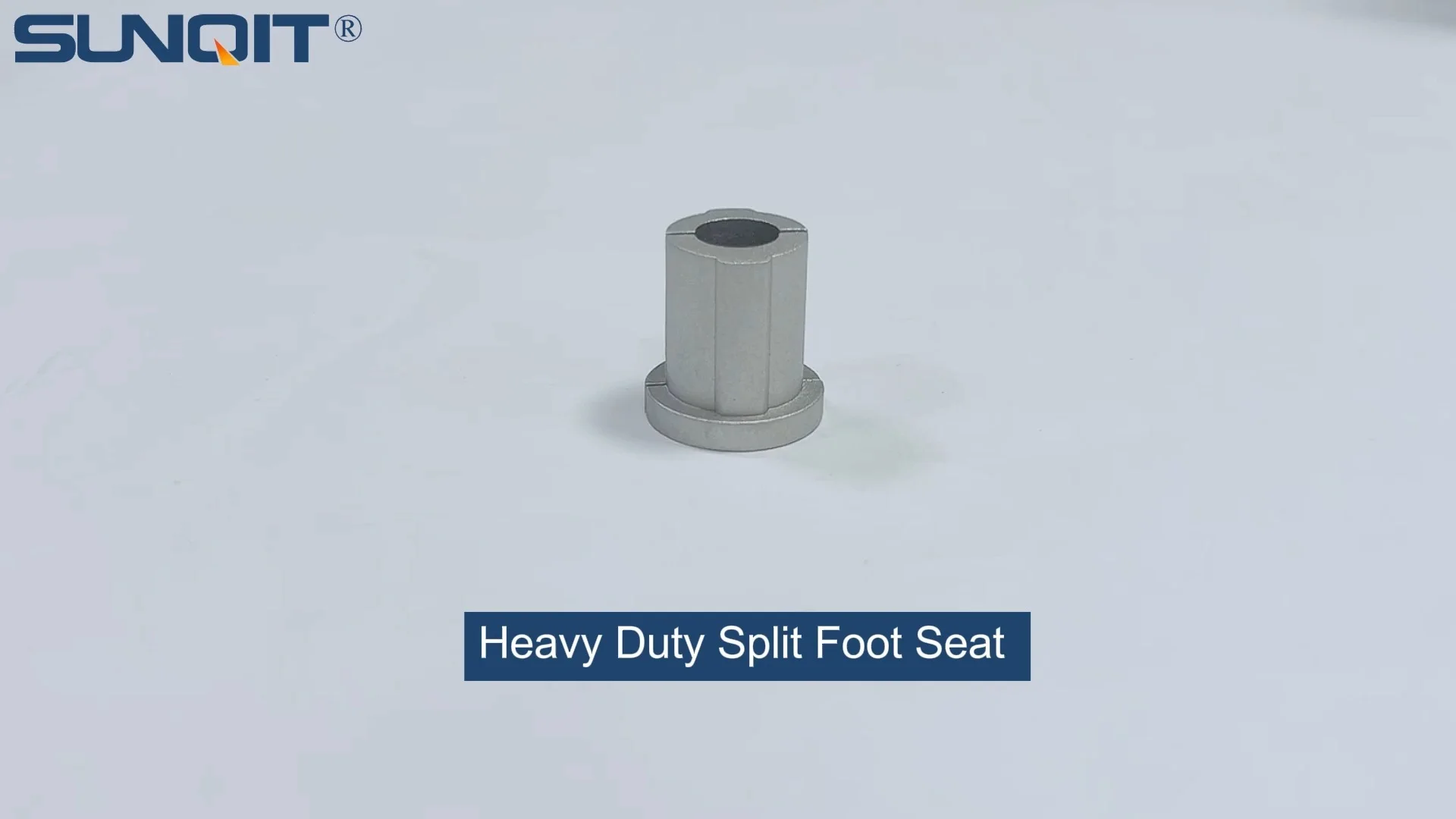
Heavy Duty Split Foot Seat
M10 aluminum heavy duty split foot deat with foot adjuster for workbench and flow rack.
In the fast-paced world of manufacturing, warehousing, and industrial operations, every component of your workspace matters. From the largest conveyor belt to the smallest joint, each part plays a role in keeping things running smoothly, safely, and efficiently. But if there's one aspect that often goes unnoticed—until it fails—it's stability. Imagine a workbench wobbling under the weight of precision tools, a material rack tilting as boxes are loaded, or a turnover trolley shuddering as it moves across the factory floor. These aren't just minor inconveniences; they're risks to productivity, safety, and even product quality.
Enter the heavy duty split foot seat: a humble yet critical component designed to anchor your equipment, distribute weight evenly, and ensure that even the heaviest loads stay steady. Whether you're setting up a lean pipe workbench in an automotive plant, organizing a warehouse with turnover trolleys and racks, or building a custom material handling system, this unassuming part could be the difference between a smooth operation and a costly breakdown. In this guide, we'll dive deep into what a heavy duty split foot seat is, how it works, why it matters, and how to choose the right one for your needs. Let's start by answering the basics.
What Is a Heavy Duty Split Foot Seat?
At its core, a heavy duty split foot seat is a specialized support component used to stabilize industrial equipment, workbenches, racks, and trolleys. Its primary function is to distribute the weight of the equipment (and any loads it carries) across a larger surface area, reducing pressure on the floor and preventing wobbling, tilting, or sinking. Unlike standard leveling feet or simple pads, the "split" design refers to its base structure—typically a flat, durable plate split into two or more sections (or with a split-style mounting mechanism) that enhances grip and stability, especially on uneven surfaces.
Think of it as the foundation of your equipment. Just as a house needs a strong foundation to withstand the elements, your workbench or material rack needs a reliable base to handle daily use. Heavy duty split foot seats are engineered for strength, with materials like high-grade steel or reinforced plastic, and are designed to handle loads ranging from a few hundred pounds to several tons—depending on the model.
But why "split"? The split design isn't just for show. It allows for better weight distribution by creating multiple points of contact with the floor, which is especially useful on imperfect surfaces (like concrete floors with small cracks or unevenness). It also often includes a mounting mechanism that attaches securely to the legs of equipment—think workbenches, lean pipe structures, or turnover trolleys—ensuring a tight, wobble-free connection.
Key Features of a Heavy Duty Split Foot Seat
Not all foot seats are created equal. Heavy duty models are built to stand up to the rigors of industrial environments, and their features reflect that. Here are the key characteristics that set them apart:
1. High Load Capacity
The term "heavy duty" isn't just marketing—it's a promise of strength. These foot seats are designed to support massive weights, often ranging from 500 lbs to 5,000 lbs or more per unit. This makes them ideal for equipment like metalworking workbenches, industrial material racks, or heavy-duty conveyor systems. The load capacity is determined by the material (steel is common for maximum strength) and the design of the base plate, which spreads the weight to avoid concentrated pressure.
2. Split-Style Base Design
As mentioned earlier, the split base is the defining feature. This design can take a few forms: some have a base plate split into two separate "feet" connected by a central mounting stem, while others have a single plate with split grooves or notches to enhance flexibility. The goal is always the same: to create multiple contact points with the floor, reducing the risk of tipping and improving stability on uneven surfaces.
3. Durable Materials
Industrial environments are tough—dust, moisture, chemicals, and heavy impacts are all part of the daily grind. Heavy duty split foot seats are built to resist these challenges. Common materials include:
- Steel: Hot-dipped galvanized steel or stainless steel for corrosion resistance and maximum strength. Ideal for outdoor or humid environments (like food processing plants or warehouses with high moisture).
- Reinforced Plastic: Nylon or polypropylene blends for lighter weight (without sacrificing strength) and resistance to chemicals. Often used in cleanrooms or environments where metal might scratch delicate floors.
- Aluminum: Lightweight yet strong, with natural corrosion resistance. Popular in lean systems where weight savings matter, such as mobile trolleys.
4. Secure Mounting Mechanism
A foot seat is only as good as its connection to the equipment. Most models feature a threaded stem, bolt hole, or clamp-style mounting system that attaches firmly to the legs of workbenches, racks, or trolleys. Some even include locking nuts or washers to prevent loosening over time—critical in high-vibration environments like manufacturing plants.
5. Floor Protection
Scratching or damaging floors is a common concern, especially in facilities with polished concrete or epoxy coatings. Many heavy duty split foot seats come with non-slip, non-marking pads (often made of rubber or polyurethane) on the bottom. These pads not only protect the floor but also enhance grip, reducing the risk of the equipment sliding during use.

How Does It Work with Other Lean System Components?
In the world of lean manufacturing and industrial organization, no component works alone. The heavy duty split foot seat is part of a larger ecosystem of parts—lean pipes, joints, workbenches, and more—that come together to create efficient, flexible workspaces. Let's look at how it interacts with some key components:
1. Lean Pipe Workbenches and Frames
Lean pipe workbenches are a staple in lean systems, prized for their modularity and adaptability. These workbenches are built using lean pipes (hollow metal or aluminum tubes) and joints, which can be configured into custom shapes and sizes. But even the sturdiest lean pipe frame needs a solid base—and that's where the heavy duty split foot seat comes in. By attaching to the bottom of the workbench legs, the split foot seat distributes the weight of the bench, tools, and materials, preventing the legs from sinking into the floor or wobbling during use. This is especially important for workbenches used in precision tasks, like electronics assembly or mechanical repairs, where stability directly impacts accuracy.
2. Turnover Trolleys and Racks
Turnover trolleys and racks are essential for moving materials around a facility, from raw components to finished products. While many trolleys use casters for mobility, some stationary or semi-stationary racks rely on foot seats for stability. A heavy duty split foot seat ensures that even when fully loaded with boxes or parts, the trolley or rack stays upright. For example, a material rack B (3 row and 3 floor) in a warehouse might use split foot seats to keep it steady as workers load and unload heavy items, preventing the rack from tipping forward or sideways.
3. Adjustable Leveling Feet
You might be wondering: how does a heavy duty split foot seat differ from an adjustable leveling foot? While both are used for stability, they serve slightly different purposes. Adjustable leveling feet have a threaded stem that allows you to raise or lower the height of the equipment, making them ideal for uneven floors. Split foot seats, on the other hand, are primarily for weight distribution and grip, though some models do offer limited adjustability. In many cases, they're used together: a workbench might have adjustable leveling feet to fine-tune height, with split foot seats added for extra stability when heavy loads are involved. It's a one-two punch for a rock-solid setup.
4. Aluminum Profiles and Joints
Aluminum profiles (like 4040 or 3030 aluminum extrusion profiles) are another common building block in industrial systems, thanks to their lightweight strength and modularity. Heavy duty split foot seats are often compatible with these profiles, attaching to the bottom of aluminum legs via specialized brackets or internal threads. This makes them a versatile choice for everything from custom workstations to automated conveyor supports, ensuring that even lightweight aluminum structures can handle heavy loads when paired with the right foot seats.

Applications: Where Is a Heavy Duty Split Foot Seat Used?
Heavy duty split foot seats are versatile workhorses, finding homes in a wide range of industries and settings. Here are some of the most common applications:
1. Manufacturing Facilities
In factories—whether automotive, aerospace, or electronics—workbenches and assembly stations are the heart of production. These workbenches often support heavy tools, machinery, or (semi-finished products). A heavy duty split foot seat ensures that the bench stays stable, even when workers are using power tools or moving heavy components. For example, a lean pipe workbench in an automotive plant might use split foot seats to support a 1,000-lb hydraulic press, preventing vibrations from affecting the precision of the assembly line.
2. Warehouses and Distribution Centers
Warehouses rely on material racks, shelving units, and turnover trolleys to keep inventory organized and accessible. A material rack B (3 row and 3 floor) loaded with bulk goods can weigh thousands of pounds, and a split foot seat prevents the rack from leaning or collapsing under that weight. Similarly, stationary turnover trolleys used for picking and packing need to stay steady as workers load and unload boxes—split foot seats ensure they don't slide or tip, even on busy warehouse floors.
3. Laboratories and Cleanrooms
In environments where precision is critical—like pharmaceutical labs or electronics cleanrooms—even the smallest vibration can ruin experiments or damage sensitive components. Heavy duty split foot seats (often made of stainless steel or non-marking plastic) provide the stability needed for lab benches, ensuring that microscopes, scales, and testing equipment stay perfectly still. The non-slip pads also help maintain the cleanliness of the space by preventing debris from scratching floors or trapping dust.
4. Food Processing Plants
Food processing facilities have unique challenges: moisture, frequent cleaning with harsh chemicals, and strict hygiene standards. Stainless steel heavy duty split foot seats are ideal here, as they resist corrosion from water and sanitizers. They're used to stabilize mixing tables, packaging stations, and conveyor supports, ensuring that equipment stays secure even in wet, high-traffic areas.
5. Construction and Heavy Machinery
On construction sites or in workshops with heavy machinery (like lathes, milling machines, or 3D printers), stability is non-negotiable. A single wobble could lead to a damaged part—or worse, an accident. Heavy duty split foot seats are often used to anchor these machines to the floor, distributing their weight to prevent sinking into concrete or asphalt and reducing vibrations that could affect performance.

The Benefits of Using a Heavy Duty Split Foot Seat
By now, it's clear that heavy duty split foot seats are more than just "feet"—they're an investment in your workspace. Here are the top benefits they bring to the table:
1. Enhanced Safety
Safety is always the top priority, and unstable equipment is a major hazard. A workbench that wobbles could cause tools to fall, injuring workers. A material rack that tilts might collapse, damaging inventory and risking injury. Heavy duty split foot seats eliminate these risks by keeping equipment firmly anchored, reducing the chance of accidents, and creating a safer work environment for everyone.
2. Improved Productivity
When equipment is stable, workers can focus on their tasks instead of worrying about wobbling tables or shifting racks. For example, a stable lean pipe workbench allows assembly line workers to work faster and more accurately, as they don't have to pause to readjust tools or steady the bench. Over time, this adds up to significant gains in productivity—time that would otherwise be wasted on fixes or corrections.
3. Protection for Equipment and Floors
Vibrations and uneven weight distribution can damage expensive equipment over time. A heavy duty split foot seat absorbs shocks and spreads weight evenly, extending the lifespan of your workbenches, racks, and machinery. Additionally, the non-slip pads protect your floors from scratches, dents, or indentations—saving you money on repairs and keeping your facility looking professional.
4. Versatility and Adaptability
Whether you're using lean pipes, aluminum profiles, or steel frames, heavy duty split foot seats are designed to work with a variety of systems. Many models come with adjustable mounting options (like threaded stems or clamp-on brackets), making them easy to install on new equipment or retrofitted onto existing setups. This versatility means you can use them across multiple areas of your facility, from the production line to the warehouse.
5. Long-Term Cost Savings
It's true: heavy duty split foot seats cost more upfront than basic plastic pads. But consider the alternative: replacing a damaged workbench, repairing a collapsed rack, or paying for worker injuries. By preventing these issues, split foot seats save you money in the long run. They're also built to last—often with a lifespan of 10+ years—so you won't need to replace them frequently.
Heavy Duty Split Foot Seat vs. Adjustable Leveling Feet: A Comparison
If you're familiar with industrial hardware, you might be asking: "How is this different from adjustable leveling feet?" Both are used for stability, but they serve distinct purposes. Let's break down the differences to help you decide which is right for your needs:
| Feature | Heavy Duty Split Foot Seat | Adjustable Leveling Foot |
|---|---|---|
| Primary Function | Weight distribution and grip; ideal for heavy, stationary loads. | Height adjustment; ideal for uneven floors or fine-tuning equipment level. |
| Load Capacity | Higher (often 1,000 lbs+ per unit) due to broader base and robust materials. | Moderate to high (varies by model), but focused more on adjustability than raw strength. |
| Adjustability | Limited (some models have minor height adjustment, but not the primary focus). | High (threaded stem allows precise height changes to level equipment on uneven floors). |
| Best For | Heavy, stationary equipment (workbenches, material racks, large machinery). | Equipment on uneven floors (e.g., warehouse racks, mobile workstations, conveyor supports). |
| Floor Protection | Excellent (broad, non-slip base distributes weight to prevent indentation). | Good (but smaller base may concentrate weight if overloaded). |
| Cost | Higher upfront (due to heavy-duty materials and design). | Lower to moderate (varies by load capacity and adjustability). |
The bottom line? If you need to level equipment on an uneven floor, go with adjustable leveling feet. If you need to support massive, stationary loads and ensure maximum stability, a heavy duty split foot seat is the better choice. And in many cases, they work together: a workbench might use adjustable leveling feet to get perfectly level, then add split foot seats for extra stability when heavy loads are involved.
How to Install a Heavy Duty Split Foot Seat
Installing a heavy duty split foot seat is a straightforward process, but it's important to do it correctly to ensure maximum stability. Here's a step-by-step guide:
Tools You'll Need:
- Wrench or socket set (to tighten mounting nuts/bolts)
- Level (to ensure the equipment is even after installation)
- Drill (if mounting holes need to be pre-drilled)
- Tape measure (to align foot seats evenly)
- Rubber mallet (for gently tapping seats into place, if needed)
Step 1: Prepare the Equipment
Start by moving the equipment to its final location (if possible) and ensuring the floor is clean and free of debris. If the equipment is already assembled (like a lean pipe workbench), flip it upside down or prop it up on blocks to access the legs. This will make it easier to attach the foot seats.
Step 2: Align the Foot Seats
Measure and mark where the foot seats will attach to the legs. For stability, they should be centered on each leg and evenly spaced. If the legs have pre-drilled holes or threaded inserts, align the foot seat's mounting holes with these. If not, you may need to drill holes (use a drill bit matching the size of the mounting bolts).
Step 3: Attach the Foot Seats
Place the foot seat against the leg, aligning the mounting holes. insert the bolts or screws through the foot seat and into the leg, then tighten with a wrench or socket set. Be careful not to overtighten—this could strip the threads or damage the leg. For threaded stems (common on some models), simply screw the foot seat into the leg until it's snug.
Step 4: Level the Equipment (If Needed)
Once all foot seats are installed, lower the equipment to the floor. Use a level to check if it's even. If one side is higher than the other, you may need to adjust the foot seats (if they're adjustable) or add shims under the base (for non-adjustable models). For maximum stability, the equipment should sit flat on all four foot seats with no rocking.
Step 5: Test for Stability
Give the equipment a gentle shake or push to test for wobbling. If it moves, double-check the mounting bolts to ensure they're tight. If the floor is uneven, you may need to reposition the foot seats or use a combination of split foot seats and adjustable leveling feet for the perfect setup.
Maintenance Tips to Keep Your Split Foot Seats in Top Shape
Heavy duty split foot seats are built to last, but like any industrial component, they need a little care to stay effective. Here's how to maintain them:
1. Regular Inspections
Check the foot seats monthly for signs of wear: loose bolts, cracks in the base, or damage to the non-slip pads. Tighten any loose bolts immediately—vibration from equipment can cause them to loosen over time. If you notice cracks or bent parts, replace the foot seat right away; a damaged seat can't provide reliable stability.
2. Clean the Base
Dirt, debris, or oil on the floor can reduce the grip of the non-slip pads. Wipe the base of the foot seats with a damp cloth regularly to remove buildup. For stubborn grime, use a mild detergent—avoid harsh chemicals that could damage the pads or the seat's finish.
3. replace Worn Pads
The non-slip pads on the bottom of the foot seats will wear down over time, especially in high-traffic areas. When the pads start to look thin or lose their grip, replace them. Most manufacturers sell replacement pads, or you can use generic rubber pads cut to size.
4. Protect Against Corrosion
If your foot seats are made of steel, check for rust in humid or outdoor environments. If you spot rust, sand it off with fine-grit sandpaper, then apply a coat of rust-resistant paint or spray. For stainless steel models, a quick wipe with a stainless steel cleaner will keep them looking new and prevent corrosion.
How to Choose the Right Heavy Duty Split Foot Seat for Your Needs
With so many options on the market, choosing the right split foot seat can feel overwhelming. Here's a step-by-step guide to help you narrow it down:
1. Calculate the Load Capacity
Start by determining how much weight each foot seat will need to support. Divide the total weight of the equipment (plus the maximum load it will carry) by the number of legs. For example, a workbench that weighs 500 lbs and will hold 1,000 lbs of tools has a total weight of 1,500 lbs. If it has four legs, each foot seat needs to support at least 375 lbs. To be safe, choose a model with a load capacity 20-30% higher than your calculation—this accounts for uneven weight distribution or occasional overloading.
2. Consider the Environment
Where will the foot seat be used? If it's in a wet or humid area (like a food processing plant), choose stainless steel or plastic to resist corrosion. For cleanrooms, opt for non-marking plastic to avoid scratching floors. In industrial settings with heavy debris, steel is a better choice for durability.
3. Check the Mounting Style
Make sure the foot seat is compatible with your equipment's legs. Do the legs have threaded holes, or will you need to drill? Are they round, square, or rectangular? Most manufacturers list compatible leg sizes and mounting options (e.g., bolt-on, clamp-on, threaded stem), so check the specs before buying.
4. Evaluate the Floor Type
If you have delicate floors (like polished concrete or epoxy), choose a foot seat with a large, non-slip pad to distribute weight and prevent scratches. For rough concrete, a steel base with a textured bottom may provide better grip.
5. Look for Quality and Warranty
Not all foot seats are created equal. Look for reputable brands known for industrial hardware—they're more likely to use high-quality materials and rigorous testing. Check for a warranty (at least 1-2 years) to protect against defects. A cheap, poorly made foot seat might save you money upfront, but it could fail when you need it most.
Frequently Asked Questions (FAQs)
Q: Can I use a heavy duty split foot seat on a mobile trolley?
A: While split foot seats are designed for stationary equipment, some models can be used on mobile trolleys that are rarely moved. However, for trolleys that are frequently moved, casters are a better choice—split foot seats would drag on the floor and wear out quickly. If you need both mobility and stability, consider a trolley with locking casters and split foot seats that can be lowered when the trolley is stationary.
Q: How do I know if my foot seats are overloaded?
A: Signs of overloading include cracks in the base, bending of the mounting stem, or the foot seat sinking into the floor. If you notice any of these, immediately reduce the load and replace the foot seat with a higher-capacity model. Overloading can lead to equipment failure and safety risks.
Q: Can I paint or customize my split foot seats?
A: Yes, if they're made of steel. Clean the surface with sandpaper or a degreaser, then apply a metal primer and paint. Avoid painting the non-slip pads, as this will reduce their grip. Plastic foot seats are harder to paint, but you can use adhesive decals or tape for customization if needed.
Q: Are split foot seats compatible with lean pipe systems?
A: Absolutely! Most heavy duty split foot seats are designed to work with lean pipes, which are commonly used in modular workbenches and racks. Look for models with clamp-on or threaded mounts that fit standard lean pipe diameters (often 28mm or 30mm).
Q: How long do heavy duty split foot seats last?
A: With proper maintenance, they can last 10+ years. Steel models are the most durable, often lasting decades in indoor, dry environments. Plastic models may need replacement sooner (5-7 years) in harsh conditions, but they're still long-lasting for their price point.
Conclusion: The Unsung Hero of a Stable Workspace
In the grand scheme of industrial equipment, the heavy duty split foot seat might not get the attention of a shiny new conveyor or a high-tech robot arm. But as we've explored, it's an unsung hero—quietly ensuring that your workbenches stay steady, your racks stay upright, and your operations stay safe and efficient. From manufacturing plants to warehouses, from cleanrooms to construction sites, this humble component plays a vital role in keeping your workspace stable, productive, and secure.
When choosing a heavy duty split foot seat, remember to prioritize load capacity, compatibility with your equipment, and the unique needs of your environment. And don't forget to maintain them—regular inspections and cleaning will keep them working hard for years to come. Whether you're building a new lean system, upgrading an old workbench, or simply looking to improve safety in your facility, investing in quality split foot seats is a decision that will pay off in stability, productivity, and peace of mind.
So the next time you walk through your workspace, take a moment to look down. Chances are, there's a heavy duty split foot seat holding everything together—proving that even the smallest components can make the biggest difference.