- Company Articles
- Products and Technology
- Product knowledge
- What is a Parallel Lean Pipe Joint Chrome? Definition, Structure & Functions

What is a Parallel Lean Pipe Joint Chrome? Definition, Structure & Functions
Related Product
Parallel Lean Pipe Joint Chrome
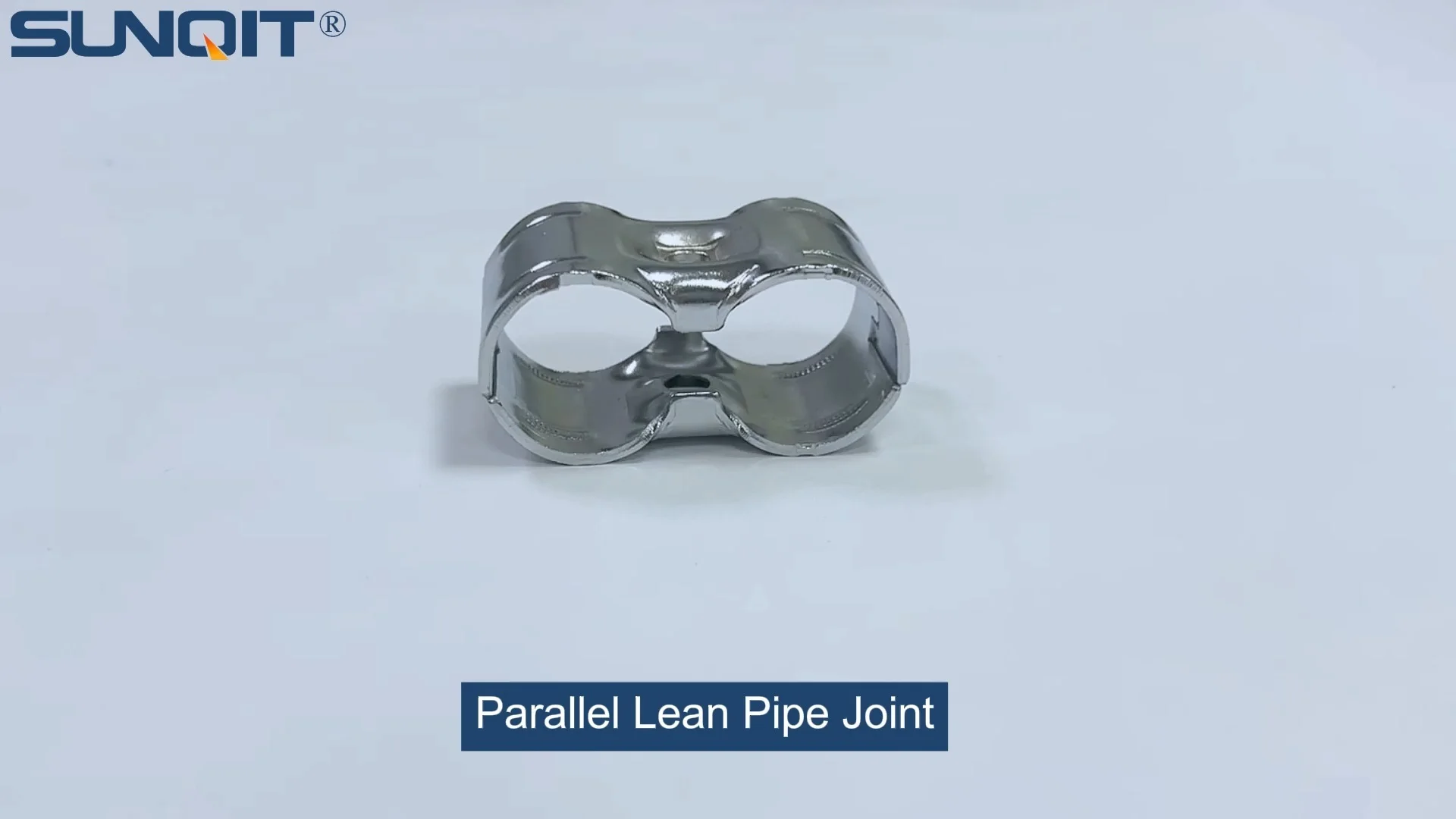
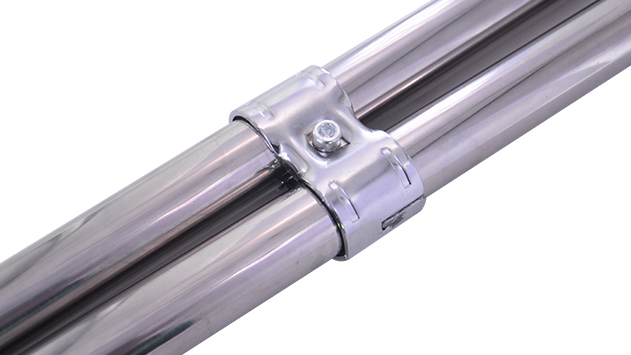
Parallel lean pipe joint used for 2 pcs 28MM lean pipe connection in parallel direction to enhance frame structure, usually for heavy payload requirement for workbench. flow rack, hand trolley.
Introduction: The Backbone of Lean Manufacturing
Walk into any modern factory, warehouse, or assembly line, and you'll quickly notice a common theme: efficiency. Every tool, every workstation, every inch of space is designed to minimize waste, maximize productivity, and keep operations running like a well-oiled machine. This is the essence of lean manufacturing—a philosophy that's transformed industries from automotive to electronics, and it all starts with the right infrastructure. At the heart of this infrastructure lies the
lean pipe system
: a modular framework of pipes and joints that can be configured into workbenches, flow racks, trolleys, and more. These systems are the unsung heroes of the factory floor, adapting to changing needs and turning chaos into order. But if lean pipes are the bones of these structures, then the joints are the ligaments—connecting, supporting, and enabling the flexibility that makes lean systems so powerful. Today, we're shining a spotlight on one such ligament: the Parallel Lean Pipe Joint Chrome. Quietly robust and surprisingly versatile, this small but critical component plays a big role in keeping lean systems stable, durable, and ready for whatever the production floor throws at them.
Defining the Parallel Lean Pipe Joint Chrome: More Than Just a Connector
Let's start with the basics: What exactly is a Parallel Lean Pipe Joint Chrome? At its core, it's a specialized hardware component designed to connect two or more
lean pipes
in a parallel arrangement. Unlike joints that angle pipes at 90° or 45°, this joint is all about alignment—keeping pipes running side by side to create flat surfaces, evenly spaced supports, or parallel rails. Think of it as the "straight-line expert" in the world of lean pipe connections.
The "chrome" in its name isn't just for show. It refers to the chrome-plated finish applied to the joint's surface. This plating is a game-changer: it adds a layer of protection against corrosion, scratches, and wear, making the joint ideal for use in tough industrial environments where moisture, oils, or chemicals might be present. But it's not just durable—chrome also gives the joint a sleek, professional look, which matters in settings where cleanliness and aesthetics are part of the workflow (we're looking at you, electronics manufacturing labs).
So, in short: A Parallel Lean Pipe Joint Chrome is a chrome-plated, steel-based connector that joins lean pipes in parallel, balancing strength, adjustability, and longevity to support the dynamic needs of lean manufacturing systems.
The "chrome" in its name isn't just for show. It refers to the chrome-plated finish applied to the joint's surface. This plating is a game-changer: it adds a layer of protection against corrosion, scratches, and wear, making the joint ideal for use in tough industrial environments where moisture, oils, or chemicals might be present. But it's not just durable—chrome also gives the joint a sleek, professional look, which matters in settings where cleanliness and aesthetics are part of the workflow (we're looking at you, electronics manufacturing labs).
So, in short: A Parallel Lean Pipe Joint Chrome is a chrome-plated, steel-based connector that joins lean pipes in parallel, balancing strength, adjustability, and longevity to support the dynamic needs of lean manufacturing systems.
Structure Breakdown: What Makes It Tick?
To truly understand the Parallel Lean Pipe Joint Chrome, let's take it apart—metaphorically, of course. Its design is a masterclass in functional simplicity, with each part serving a specific purpose. Here's a closer look at its key components:
1. Base Material: Steel for Strength
The foundation of the joint is high-grade steel. Steel is chosen for its unbeatable combination of rigidity and tensile strength—qualities that ensure the joint can hold lean pipes (which can be made of aluminum, steel, or plastic-coated steel) firmly in place, even when supporting heavy loads like toolboxes, assembly parts, or full material bins. Low-carbon steel is common here, as it's easy to machine into precise shapes while maintaining structural integrity.
2. Chrome Plating: Protection with Shine
Once the steel body is shaped, it undergoes chrome plating—a process where a thin layer of chromium is electroplated onto the surface. This isn't just about aesthetics (though the mirror-like finish is a nice bonus). Chromium is incredibly hard (harder than steel, in fact) and resistant to corrosion, making it perfect for factory environments. It acts as a barrier, shielding the steel from rust, scratches, and chemical damage. Ever noticed how some factory equipment starts to rust after a few months? Not with chrome-plated joints—they stand up to moisture, oils, and even occasional spills, ensuring a longer lifespan.
3. Pipe Openings: Precision Fit
The joint's body features one or more cylindrical openings, each sized to match standard lean pipe diameters. Most manufacturers stick to common sizes like 28mm or 30mm (about 1.1 inches), but custom sizes are available for specialized systems. These openings are machined to tight tolerances—no sloppy gaps here—to ensure a snug fit with the pipe. A loose fit would mean instability, which is the last thing you want in a workbench or flow rack holding expensive components.
4. Clamping Mechanism: Grip That Doesn't Slip
Inside each opening, you'll find the clamping mechanism—the part that locks the pipe in place. This usually consists of one or more set screws (small, threaded bolts) or a cam lever. When tightened, the screws press against the pipe, creating friction that prevents slippage. Some joints also include rubber or plastic inserts in the openings to protect the pipe's surface from scratches and enhance grip, especially useful for aluminum lean pipe (which is softer than steel).
5. Shape: Hexagonal or Cylindrical?
The outer body of the joint is often hexagonal (six-sided) or cylindrical. Hexagonal designs are popular because they're easier to grip with tools when tightening screws, reducing installation time. Cylindrical bodies, on the other hand, may be preferred for applications where the joint needs to blend into the structure (think cleanroom environments where sharp edges are a no-go).
Together, these components create a joint that's not just a connector, but a reliable, long-lasting link in the chain of lean manufacturing.
1. Base Material: Steel for Strength
The foundation of the joint is high-grade steel. Steel is chosen for its unbeatable combination of rigidity and tensile strength—qualities that ensure the joint can hold lean pipes (which can be made of aluminum, steel, or plastic-coated steel) firmly in place, even when supporting heavy loads like toolboxes, assembly parts, or full material bins. Low-carbon steel is common here, as it's easy to machine into precise shapes while maintaining structural integrity.
2. Chrome Plating: Protection with Shine
Once the steel body is shaped, it undergoes chrome plating—a process where a thin layer of chromium is electroplated onto the surface. This isn't just about aesthetics (though the mirror-like finish is a nice bonus). Chromium is incredibly hard (harder than steel, in fact) and resistant to corrosion, making it perfect for factory environments. It acts as a barrier, shielding the steel from rust, scratches, and chemical damage. Ever noticed how some factory equipment starts to rust after a few months? Not with chrome-plated joints—they stand up to moisture, oils, and even occasional spills, ensuring a longer lifespan.
3. Pipe Openings: Precision Fit
The joint's body features one or more cylindrical openings, each sized to match standard lean pipe diameters. Most manufacturers stick to common sizes like 28mm or 30mm (about 1.1 inches), but custom sizes are available for specialized systems. These openings are machined to tight tolerances—no sloppy gaps here—to ensure a snug fit with the pipe. A loose fit would mean instability, which is the last thing you want in a workbench or flow rack holding expensive components.
4. Clamping Mechanism: Grip That Doesn't Slip
Inside each opening, you'll find the clamping mechanism—the part that locks the pipe in place. This usually consists of one or more set screws (small, threaded bolts) or a cam lever. When tightened, the screws press against the pipe, creating friction that prevents slippage. Some joints also include rubber or plastic inserts in the openings to protect the pipe's surface from scratches and enhance grip, especially useful for aluminum lean pipe (which is softer than steel).
5. Shape: Hexagonal or Cylindrical?
The outer body of the joint is often hexagonal (six-sided) or cylindrical. Hexagonal designs are popular because they're easier to grip with tools when tightening screws, reducing installation time. Cylindrical bodies, on the other hand, may be preferred for applications where the joint needs to blend into the structure (think cleanroom environments where sharp edges are a no-go).
Together, these components create a joint that's not just a connector, but a reliable, long-lasting link in the chain of lean manufacturing.

Core Functions: What Does It Actually Do?
Now that we know what it's made of, let's talk about what it
does
. The Parallel Lean Pipe Joint Chrome has three primary functions that make it indispensable in lean systems:
1. Stabilizing Parallel Structures
Its most obvious job is to hold lean pipes in parallel. Why does this matter? Parallel pipes create flat, even surfaces—like the top of a workbench or the rails of a flow rack. Imagine a workbench where the front and back pipes are slightly misaligned: the tabletop would wobble, tools would slide, and assembly accuracy would suffer. The parallel joint eliminates this by ensuring pipes run perfectly alongside each other, distributing weight evenly and preventing racking (sideways movement). This stability is critical for tasks that require precision, like electronics assembly or quality inspection.
2. Enabling Adjustability
Lean manufacturing thrives on adaptability—what works today might not work tomorrow as production needs change. The Parallel Lean Pipe Joint Chromes this by being adjustable. Unlike welded joints (which are permanent), this joint uses screws or levers to clamp onto pipes, meaning you can loosen, reposition, and retighten it as needed. Need to extend a workbench by 2 feet? Simply add a new pipe section and a parallel joint. Want to lower a flow rack to ergonomic height? Adjust the joint positions. This flexibility reduces downtime and avoids the cost of replacing entire structures when needs shift.
3. Supporting Loads: From Light to Heavy-Duty
Not all joints are created equal when it comes to load capacity. The Parallel Lean Pipe Joint Chrome, with its steel core and tight clamping, is built to handle serious weight. Depending on the size and design, most can support between 150–200 kg (330–440 lbs) per joint. That's enough to hold a fully loaded tool chest, a stack of metal sheets, or multiple bins of parts. For even heavier loads, multiple joints can be used in tandem—think of a material rack with 3 rows and 3 floors (like Material Rack B from some suppliers)—where parallel joints work together to distribute weight across the entire structure.
4. Compatibility: Works with Multiple Pipe Types
Lean pipes come in various materials, and the best joints play well with all of them. The Parallel Lean Pipe Joint Chrome is no exception. It pairs seamlessly with standard steel lean pipes, aluminum lean pipe (which is lighter but still strong), and even plastic-coated lean pipes (common in cleanrooms or food processing). The rubber or plastic inserts in the pipe openings protect softer materials like aluminum from scratches, ensuring the pipes stay looking and functioning like new.
1. Stabilizing Parallel Structures
Its most obvious job is to hold lean pipes in parallel. Why does this matter? Parallel pipes create flat, even surfaces—like the top of a workbench or the rails of a flow rack. Imagine a workbench where the front and back pipes are slightly misaligned: the tabletop would wobble, tools would slide, and assembly accuracy would suffer. The parallel joint eliminates this by ensuring pipes run perfectly alongside each other, distributing weight evenly and preventing racking (sideways movement). This stability is critical for tasks that require precision, like electronics assembly or quality inspection.
2. Enabling Adjustability
Lean manufacturing thrives on adaptability—what works today might not work tomorrow as production needs change. The Parallel Lean Pipe Joint Chromes this by being adjustable. Unlike welded joints (which are permanent), this joint uses screws or levers to clamp onto pipes, meaning you can loosen, reposition, and retighten it as needed. Need to extend a workbench by 2 feet? Simply add a new pipe section and a parallel joint. Want to lower a flow rack to ergonomic height? Adjust the joint positions. This flexibility reduces downtime and avoids the cost of replacing entire structures when needs shift.
3. Supporting Loads: From Light to Heavy-Duty
Not all joints are created equal when it comes to load capacity. The Parallel Lean Pipe Joint Chrome, with its steel core and tight clamping, is built to handle serious weight. Depending on the size and design, most can support between 150–200 kg (330–440 lbs) per joint. That's enough to hold a fully loaded tool chest, a stack of metal sheets, or multiple bins of parts. For even heavier loads, multiple joints can be used in tandem—think of a material rack with 3 rows and 3 floors (like Material Rack B from some suppliers)—where parallel joints work together to distribute weight across the entire structure.
4. Compatibility: Works with Multiple Pipe Types
Lean pipes come in various materials, and the best joints play well with all of them. The Parallel Lean Pipe Joint Chrome is no exception. It pairs seamlessly with standard steel lean pipes, aluminum lean pipe (which is lighter but still strong), and even plastic-coated lean pipes (common in cleanrooms or food processing). The rubber or plastic inserts in the pipe openings protect softer materials like aluminum from scratches, ensuring the pipes stay looking and functioning like new.
How It Fits into Lean Systems: Real-World Applications
So, where do you actually find Parallel Lean Pipe Joint Chrome in action? Its versatility makes it a staple in countless lean manufacturing setups. Here are a few common applications:
1. Workbenches: The Factory's Workhorse
Workbenches are the heart of any assembly line, and they rely heavily on parallel joints. A typical workbench (like Workbench E, a single-deck model without casters) uses a frame of lean pipes connected by parallel joints to create a flat, stable surface. The joints ensure the front and rear rails run parallel, preventing the tabletop from sagging or wobbling. Add a few more joints, and you can attach shelves, tool hooks, or LED task lights—all without compromising stability.
2. Flow Racks: Keeping Materials Moving
Flow racks (also called gravity racks) use inclined roller tracks to let materials slide from the back to the front, minimizing manual lifting. The sides of these racks are often built with parallel lean pipes, connected by—you guessed it—Parallel Lean Pipe Joint Chrome. These joints keep the side rails straight and evenly spaced, ensuring the roller tracks (like the 40 steel roller track or 38 aluminum roller track) align perfectly. Misaligned rails would cause jams, slowing down production. With parallel joints, materials flow smoothly, and workers can focus on picking parts instead of unjamming racks.
3. Turnover Trolleys: Mobile Efficiency
Trolleys are essential for moving materials between workstations, and their frames need to be both light and sturdy. Parallel joints shine here, too. They connect the horizontal and vertical pipes of the trolley, ensuring the structure doesn't twist when pushed. Even with casters (wheels) attached, the parallel alignment keeps the trolley stable, preventing it from tipping over when loaded with heavy parts.
4. Material Racks: Organized Storage
Material racks (like Material Rack B, with 3 rows and 3 floors) use parallel joints to create evenly spaced shelves. Each shelf is supported by parallel pipes front and back, held in place by joints that ensure the shelves stay level. This organization reduces clutter, makes parts easy to find, and maximizes vertical space—all key to lean storage.
1. Workbenches: The Factory's Workhorse
Workbenches are the heart of any assembly line, and they rely heavily on parallel joints. A typical workbench (like Workbench E, a single-deck model without casters) uses a frame of lean pipes connected by parallel joints to create a flat, stable surface. The joints ensure the front and rear rails run parallel, preventing the tabletop from sagging or wobbling. Add a few more joints, and you can attach shelves, tool hooks, or LED task lights—all without compromising stability.
2. Flow Racks: Keeping Materials Moving
Flow racks (also called gravity racks) use inclined roller tracks to let materials slide from the back to the front, minimizing manual lifting. The sides of these racks are often built with parallel lean pipes, connected by—you guessed it—Parallel Lean Pipe Joint Chrome. These joints keep the side rails straight and evenly spaced, ensuring the roller tracks (like the 40 steel roller track or 38 aluminum roller track) align perfectly. Misaligned rails would cause jams, slowing down production. With parallel joints, materials flow smoothly, and workers can focus on picking parts instead of unjamming racks.
3. Turnover Trolleys: Mobile Efficiency
Trolleys are essential for moving materials between workstations, and their frames need to be both light and sturdy. Parallel joints shine here, too. They connect the horizontal and vertical pipes of the trolley, ensuring the structure doesn't twist when pushed. Even with casters (wheels) attached, the parallel alignment keeps the trolley stable, preventing it from tipping over when loaded with heavy parts.
4. Material Racks: Organized Storage
Material racks (like Material Rack B, with 3 rows and 3 floors) use parallel joints to create evenly spaced shelves. Each shelf is supported by parallel pipes front and back, held in place by joints that ensure the shelves stay level. This organization reduces clutter, makes parts easy to find, and maximizes vertical space—all key to lean storage.
Parallel Lean Pipe Joint Chrome vs. Other Joints: A Comparison
To appreciate the Parallel Lean Pipe Joint Chrome, it helps to see how it stacks up against other common lean pipe joints. Below is a comparison table highlighting key differences:
As the table shows, the Parallel Lean Pipe Joint Chrome isn't the strongest (that title goes to 90° fixed joints) or the most adjustable (45° rotatory takes that prize), but it strikes a balance that makes it indispensable for parallel structures. Its chrome plating also gives it an edge in durability over unplated steel joints, which can rust or wear faster in harsh environments.
| Joint Type | Primary Use | Adjustability | Max Load (kg) | Best For |
|---|---|---|---|---|
| Parallel Lean Pipe Joint Chrome | Connecting pipes in parallel | Medium (loosen/tighten screws) | 150–200 | Workbenches, flow rack sides, material shelves |
| 90° Fixed Lean Pipe Joint | Right-angle connections (e.g., vertical to horizontal) | Low (fixed angle) | 200–250 | Corner supports, vertical frames |
| 45° Rotatory Lean Pipe Joint | Angled connections (sloped surfaces) | High (rotates 45°) | 100–150 | Incline roller tracks, ergonomic workstations |
| Vertical Lean Pipe Joint | Stacking pipes vertically (e.g., multi-level racks) | Medium | 180–220 | Multi-tier material racks, shelving units |
As the table shows, the Parallel Lean Pipe Joint Chrome isn't the strongest (that title goes to 90° fixed joints) or the most adjustable (45° rotatory takes that prize), but it strikes a balance that makes it indispensable for parallel structures. Its chrome plating also gives it an edge in durability over unplated steel joints, which can rust or wear faster in harsh environments.
Benefits: Why Choose Chrome-Plated Parallel Joints?
Still on the fence about whether to use Parallel Lean Pipe Joint Chrome in your system? Here are the top benefits that make it a smart choice:
1. Longevity: Save Money in the Long Run
Chrome plating isn't cheap, but it pays for itself over time. Unplated steel joints might cost less upfront, but they'll rust, scratch, and wear out faster—meaning you'll replace them every 1–2 years. Chrome-plated joints, with their corrosion resistance, can last 5–7 years or more with minimal maintenance. That's fewer replacements, less downtime, and lower long-term costs.
2. Aesthetics: Clean, Professional Look
Let's not underestimate the power of a clean workspace. Chrome-plated joints have a sleek, modern finish that looks far more professional than dull, rusting steel. This matters in environments where clients or auditors visit, or where employee morale is boosted by a tidy, well-maintained facility. It's a small detail, but it adds up to a more positive work environment.
3. Compatibility with Lean Principles
Lean is all about eliminating waste—including waste from inflexible systems. The Parallel Lean Pipe Joint Chrome aligns with this by being reusable and adjustable. Unlike custom-fabricated metal brackets (which are one-and-done), these joints can be repurposed when structures change, reducing waste and keeping costs down.
4. Easy to Install & Maintain
You don't need a PhD in engineering to install these joints. With basic tools (a hex key or screwdriver), anyone on the factory floor can assemble or adjust them. Maintenance is just as simple: a quick wipe with a damp cloth to remove dust and grime, and an occasional check of the screws to ensure they're tight. No special chemicals or tools required.
1. Longevity: Save Money in the Long Run
Chrome plating isn't cheap, but it pays for itself over time. Unplated steel joints might cost less upfront, but they'll rust, scratch, and wear out faster—meaning you'll replace them every 1–2 years. Chrome-plated joints, with their corrosion resistance, can last 5–7 years or more with minimal maintenance. That's fewer replacements, less downtime, and lower long-term costs.
2. Aesthetics: Clean, Professional Look
Let's not underestimate the power of a clean workspace. Chrome-plated joints have a sleek, modern finish that looks far more professional than dull, rusting steel. This matters in environments where clients or auditors visit, or where employee morale is boosted by a tidy, well-maintained facility. It's a small detail, but it adds up to a more positive work environment.
3. Compatibility with Lean Principles
Lean is all about eliminating waste—including waste from inflexible systems. The Parallel Lean Pipe Joint Chrome aligns with this by being reusable and adjustable. Unlike custom-fabricated metal brackets (which are one-and-done), these joints can be repurposed when structures change, reducing waste and keeping costs down.
4. Easy to Install & Maintain
You don't need a PhD in engineering to install these joints. With basic tools (a hex key or screwdriver), anyone on the factory floor can assemble or adjust them. Maintenance is just as simple: a quick wipe with a damp cloth to remove dust and grime, and an occasional check of the screws to ensure they're tight. No special chemicals or tools required.
Installation Tips: Getting It Right the First Time
Even the best joint won't perform well if installed incorrectly. Follow these tips to ensure a stable, long-lasting setup:
1. Measure Twice, Cut Once
Before cutting lean pipes , double-check the distance between parallel joints. Use a tape measure and mark the pipes clearly—even a 1cm error can throw off alignment. Most lean pipe systems use modular sections, so stick to standard lengths (e.g., 1m, 2m) to simplify assembly.
2. Match Pipe Diameter to Joint Openings
Not all pipes and joints are compatible. A 28mm joint won't fit a 30mm pipe, and vice versa. Check the manufacturer's specs to ensure a snug fit—gaps between the pipe and joint will cause instability. If in doubt, test-fit before fully tightening.
3. Don't Over-Tighten the Screws
It's tempting to crank down on the screws to "make sure it's tight," but this can strip the threads or warp the pipe (especially with aluminum lean pipe). Tighten until you feel resistance, then give an extra quarter-turn—this ensures a secure grip without damaging the joint or pipe.
4. Use a Level for Parallel Alignment
Even a slight tilt in parallel pipes can cause wobbling. Use a spirit level to check that pipes are perfectly horizontal (or vertical, for vertical parallel setups) before finalizing the joint positions. Adjust as needed until the bubble is centered.
5. Test for Stability
After assembly, give the structure a gentle shake or apply light pressure to the joints. If there's movement, recheck the screws—loose connections are usually the culprit. For heavy-duty setups (like material racks), do a load test with weights similar to what you'll use in daily operations to ensure the joints hold firm.
1. Measure Twice, Cut Once
Before cutting lean pipes , double-check the distance between parallel joints. Use a tape measure and mark the pipes clearly—even a 1cm error can throw off alignment. Most lean pipe systems use modular sections, so stick to standard lengths (e.g., 1m, 2m) to simplify assembly.
2. Match Pipe Diameter to Joint Openings
Not all pipes and joints are compatible. A 28mm joint won't fit a 30mm pipe, and vice versa. Check the manufacturer's specs to ensure a snug fit—gaps between the pipe and joint will cause instability. If in doubt, test-fit before fully tightening.
3. Don't Over-Tighten the Screws
It's tempting to crank down on the screws to "make sure it's tight," but this can strip the threads or warp the pipe (especially with aluminum lean pipe). Tighten until you feel resistance, then give an extra quarter-turn—this ensures a secure grip without damaging the joint or pipe.
4. Use a Level for Parallel Alignment
Even a slight tilt in parallel pipes can cause wobbling. Use a spirit level to check that pipes are perfectly horizontal (or vertical, for vertical parallel setups) before finalizing the joint positions. Adjust as needed until the bubble is centered.
5. Test for Stability
After assembly, give the structure a gentle shake or apply light pressure to the joints. If there's movement, recheck the screws—loose connections are usually the culprit. For heavy-duty setups (like material racks), do a load test with weights similar to what you'll use in daily operations to ensure the joints hold firm.
Maintenance: Keeping It in Top Shape
With minimal care, your Parallel Lean Pipe Joint Chrome will serve you for years. Here's how to keep it performing at its best:
1. Regular Cleaning
Dust, oil, and grime can build up on the chrome surface, dulling its shine and potentially hiding loose screws. Wipe the joints with a soft, damp cloth weekly—this takes 2 minutes and prevents buildup. For stubborn grease, use a mild soap solution (avoid harsh chemicals like bleach, which can damage chrome). Rinse and dry thoroughly to prevent water spots.
2. Inspect for Wear Monthly
Take 5 minutes each month to inspect the joints:
- Check for loose screws and tighten them if needed.
- Look for cracks in the steel body (rare, but possible if overloaded).
- Ensure the clamping mechanism still grips the pipe firmly (no slipping).
replace any damaged joints immediately—compromised joints put the entire structure at risk.
3. Polish Chrome Annually (Optional)
For extra shine and protection, apply a chrome polish once a year. This removes minor scratches and adds a protective layer that repels water and dirt. Just follow the polish instructions—most require applying with a cloth, letting it dry, then buffing to a shine.
1. Regular Cleaning
Dust, oil, and grime can build up on the chrome surface, dulling its shine and potentially hiding loose screws. Wipe the joints with a soft, damp cloth weekly—this takes 2 minutes and prevents buildup. For stubborn grease, use a mild soap solution (avoid harsh chemicals like bleach, which can damage chrome). Rinse and dry thoroughly to prevent water spots.
2. Inspect for Wear Monthly
Take 5 minutes each month to inspect the joints:
- Check for loose screws and tighten them if needed.
- Look for cracks in the steel body (rare, but possible if overloaded).
- Ensure the clamping mechanism still grips the pipe firmly (no slipping).
replace any damaged joints immediately—compromised joints put the entire structure at risk.
3. Polish Chrome Annually (Optional)
For extra shine and protection, apply a chrome polish once a year. This removes minor scratches and adds a protective layer that repels water and dirt. Just follow the polish instructions—most require applying with a cloth, letting it dry, then buffing to a shine.
Conclusion: The Quiet Hero of Lean Systems
In the grand scheme of lean manufacturing, the Parallel Lean Pipe Joint Chrome might seem small—but its impact is huge. It's the component that turns ordinary pipes into extraordinary systems, balancing strength, adjustability, and durability to support the ever-changing needs of modern production. Whether you're building a workbench, a flow rack, or a material trolley, this joint ensures your structure is stable, adaptable, and built to last.
So, the next time you walk through a factory and admire the efficiency of the workflow, take a moment to look down at the framework holding it all together. Chances are, you'll spot a Parallel Lean Pipe Joint Chrome—quietly doing its job, proving that even the smallest components can make a big difference in the world of lean manufacturing.
So, the next time you walk through a factory and admire the efficiency of the workflow, take a moment to look down at the framework holding it all together. Chances are, you'll spot a Parallel Lean Pipe Joint Chrome—quietly doing its job, proving that even the smallest components can make a big difference in the world of lean manufacturing.