- Company Articles
- Products and Technology
- Product knowledge
- What Is a Parallel Rotatory Lean Pipe Joint Chrome? Definition & Core Functions

What Is a Parallel Rotatory Lean Pipe Joint Chrome? Definition & Core Functions
Related Product
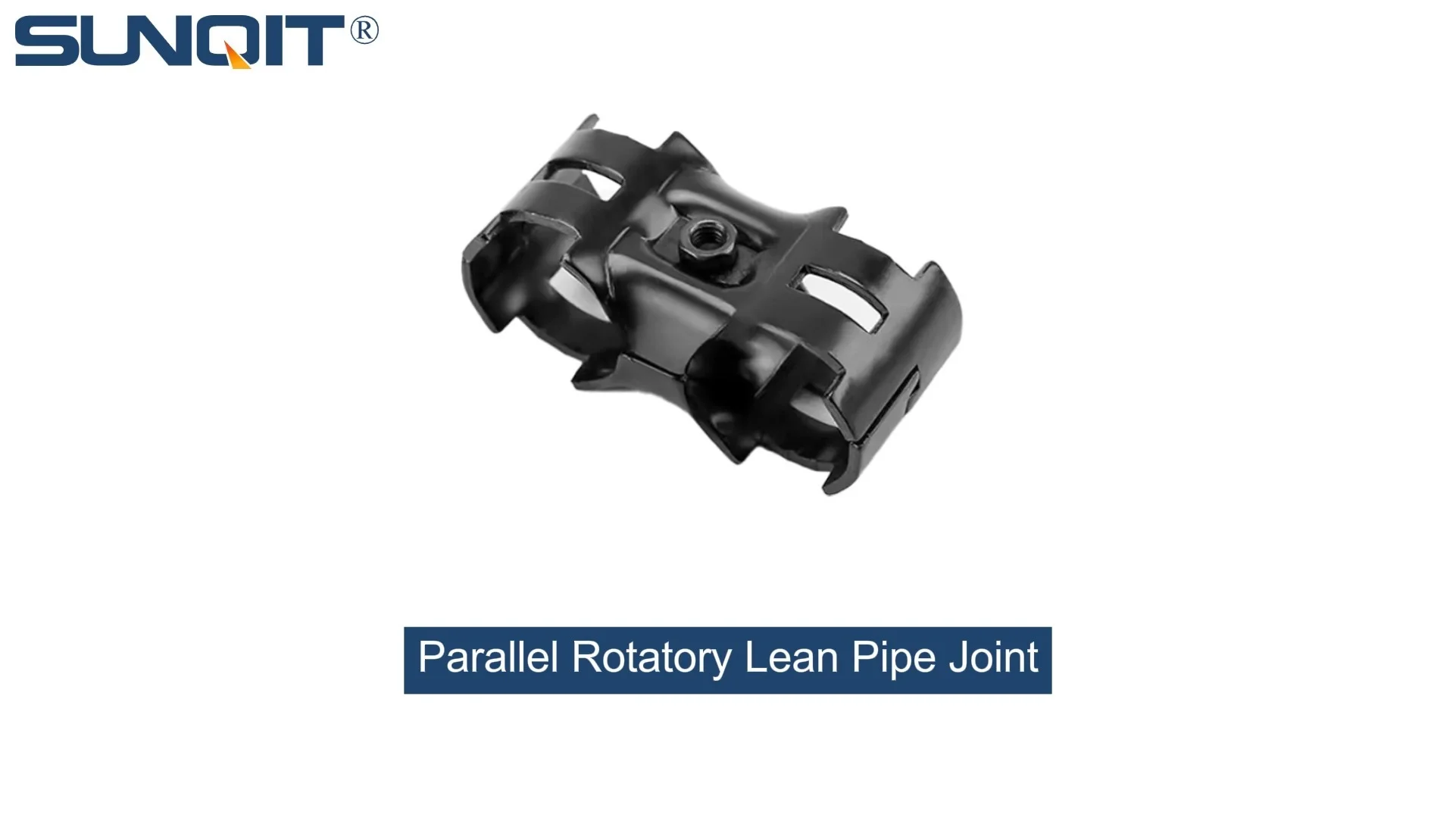
Parallel Rotatory Lean Pipe Joint
Parallel rotatory lean pipe joint, for 2 pcs pipe conenction in parallel direction with rotatory function.
The Backbone of Lean Manufacturing: Why Every Component Matters
Walk into any modern manufacturing facility, and you'll notice a rhythm—a symphony of moving parts, workers collaborating seamlessly, and materials flowing like water from one station to the next. Behind this harmony lies a philosophy that has reshaped industries worldwide: lean manufacturing. At its core, lean is about eliminating waste, optimizing flow, and creating value for customers. But philosophy alone doesn't build efficient factories. It takes tangible tools, and among the most critical are lean pipe systems—flexible, modular structures that adapt to the ever-changing needs of production lines.
Lean pipe systems are the unsung heroes of the factory floor. They form workbenches where products are assembled, flow racks where materials glide into place, and turnover trolleys that carry components across the shop. Yet, for all their versatility, these systems rely on a small but mighty component: the joints that hold everything together. Today, we're shining a spotlight on one such component that's quietly revolutionizing how manufacturers build and adapt their workspaces: the parallel rotatory lean pipe joint chrome.
In this article, we'll dive into what makes this joint unique, how it functions, and why it's become a go-to for lean system designers and operators alike. Whether you're a plant manager looking to upgrade your facility, a lean coordinator aiming to cut waste, or simply curious about the tools that keep production lines running smoothly, this guide will unpack everything you need to know about the parallel rotatory lean pipe joint chrome.
Defining the Parallel Rotatory Lean Pipe Joint Chrome: More Than Just a Connector
Let's start with the basics: What exactly is a parallel rotatory lean pipe joint chrome? At its simplest, it's a specialized connector designed to join lean pipes—hollow tubes typically made of steel, aluminum, or stainless steel—in parallel configurations while allowing controlled rotation. But to call it "just a connector" would be like calling a piston "just a metal cylinder" in an engine. Its design and functionality make it a linchpin in creating flexible, durable lean systems.
First, let's break down the name. "Parallel" refers to its primary role: aligning two or more lean pipes side by side, ensuring they stay equidistant and structurally aligned. "Rotatory" highlights its key feature: the ability to rotate along an axis, letting users adjust the angle of connected pipes without disassembling the entire structure. "Lean pipe joint" situates it within the broader family of components used in lean systems. And "chrome"? That's the finishing touch—a layer of chromium plating that boosts durability, resists corrosion, and adds a smooth, professional finish.
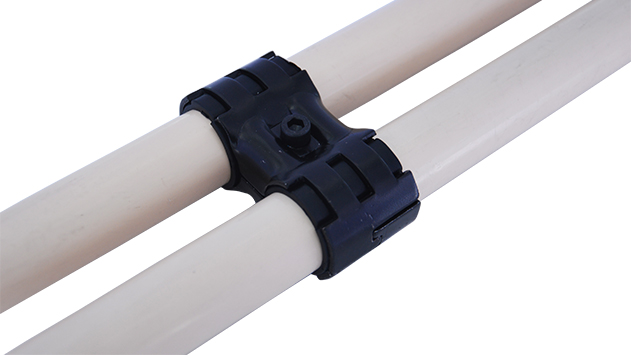
To visualize it, imagine two aluminum lean pipes running parallel to each other, say on the sides of a workbench. The parallel rotatory joint connects these pipes, but instead of locking them in a fixed position, it lets you pivot one section upward or downward—maybe to tilt a shelf for easier access to tools or adjust the height of a flow rack to match a worker's reach. Once adjusted, the joint locks securely, keeping the structure stable even under the weight of materials or daily use.
But why chrome? In manufacturing environments, where spills, humidity, and constant handling are par for the course, materials matter. Chrome plating adds a hard, protective layer to the joint's base material (often steel), making it resistant to rust, scratches, and wear. It also creates a smooth surface that reduces friction during rotation, ensuring the joint moves freely even after months of use. For facilities that prioritize longevity and low maintenance—key tenets of lean manufacturing—this chrome coating isn't just a nice-to-have; it's a necessity.
Design Deep Dive: What Makes This Joint Stand Out?
To truly appreciate the parallel rotatory lean pipe joint chrome, let's peek under the hood (or, in this case, under the plating). Its design is a masterclass in functional simplicity, with every curve and component serving a specific purpose. Let's break down its key features:
1. Dual Pipe Holders for Parallel Alignment
At the heart of the joint are two cylindrical holders, spaced precisely to grip lean pipes (often 28mm or 30mm in diameter, the standard for most lean systems). These holders are machined to fit snugly around the pipes, preventing slippage even when the joint is rotated. What sets them apart is their parallel orientation: unlike some joints that connect pipes at angles, these holders ensure the pipes stay perfectly side by side, which is critical for structures like workbench frames or flow rack sides that rely on parallel stability.
2. Rotational Mechanism with Locking Lever
Between the two pipe holders is a rotating axle or hinge that allows the joint to pivot. Most models offer 180 degrees of rotation, though some are limited to 90 degrees for specialized applications. What makes this rotation useful is the locking lever—a small, ergonomic handle that tightens or loosens the joint. When loose, the joint swivels smoothly; when tightened, it locks into place with enough force to withstand the weight of tools, materials, or even workers leaning on the structure. This "adjust and lock" feature eliminates the need for tools during reconfiguration, saving precious time on the factory floor.
3. Chrome Plating for Industrial Toughness
The base material of the joint is typically cold-rolled steel, chosen for its strength and affordability. But steel alone is prone to rust in damp environments (think food processing plants or warehouses with high humidity). Enter chrome plating: a thin layer of chromium applied via electroplating, which bonds to the steel surface. This layer is harder than steel itself, resisting dents and scratches from daily use. It also repels moisture, preventing rust from weakening the joint over time. For workers who handle the joint regularly, the chrome finish is smoother than bare steel, reducing the risk of snags or cuts on gloves or clothing.
4. Compatibility with Standard Lean Pipes and Accessories
A great lean component plays well with others, and the parallel rotatory lean pipe joint chrome is no exception. It's designed to work with most standard lean pipes, including aluminum lean pipe (lightweight and corrosion-resistant) and traditional steel lean pipe (known for heavy-duty strength). It also pairs seamlessly with other accessories: casters for mobile workbenches, roller tracks for flow racks, and even brackets for attaching shelves or tool holders. This compatibility means manufacturers don't have to overhaul their entire system to adopt it—they can simply swap out old joints for this upgrade.

Core Functions: How It Powers Lean Systems
Now that we understand its design, let's explore the core functions that make the parallel rotatory lean pipe joint chrome indispensable in lean environments. These functions aren't just "nice to have"—they directly support the lean principles of flexibility, efficiency, and waste reduction.
1. Enabling On-the-Fly Reconfiguration (No Tools Required)
In traditional manufacturing setups, changing a workbench height or adjusting a flow rack angle meant stopping production, grabbing wrenches, and disassembling parts—wasting time and disrupting workflow. The parallel rotatory joint eliminates this waste. With its locking lever, a worker can loosen the joint, rotate the connected pipes to the desired angle, and lock it back in place in seconds. For example, imagine a lean pipe workbench where the upper shelf is too high for a shorter worker. Instead of building a new shelf, the team can rotate the shelf downward, lock it, and get back to work—no downtime, no extra parts, no frustration.
2. Maintaining Structural Integrity in Parallel Setups
Parallel pipes are everywhere in lean systems: the legs of a workbench, the sides of a flow rack, the rails of a turnover trolley. If these pipes aren't perfectly aligned, the structure becomes wobbly, risking damage to materials or injury to workers. The parallel rotatory joint's dual holders ensure pipes stay parallel even during rotation. Unlike generic swivel joints that might misalign pipes when rotated, this joint keeps them locked in their parallel axis, maintaining the structure's stability no matter the angle.
3. Adapting to Variable Workflows (From Assembly to Inspection)
Manufacturing lines rarely produce the same product day in and day out. One week, a workbench might assemble small electronics; the next, it might inspect larger components. The parallel rotatory joint adapts to these changes. For assembly, the joint can lock pipes in a fixed, horizontal position to hold tools steady. For inspection, it can tilt a shelf to a 45-degree angle, making it easier to examine parts without straining. This adaptability turns static workstations into dynamic, multi-purpose hubs—reducing the need for multiple dedicated stations (and the waste of unused space).
4. Withstanding the Rigors of Industrial Use
Factory floors are tough on equipment. Joints get bumped by forklifts, splashed with coolants, and exposed to dust and debris. The parallel rotatory lean pipe joint chrome is built to handle this abuse. The chrome plating resists corrosion from liquids and chemicals, while the steel core stands up to impacts. Even the locking mechanism is designed for repeated use—no stripped threads or worn-out levers after months of adjustments. For lean pipe suppliers and manufacturers, this durability translates to lower replacement costs and fewer disruptions from broken components.

Real-World Applications: Where the Joint Shines Brightest
Theory is one thing, but seeing the parallel rotatory lean pipe joint chrome in action is where its value truly hits home. Let's explore some common applications where this joint makes a tangible difference in efficiency, safety, and adaptability.
1. Lean Pipe Workbenches: Customizable for Every Task
The lean pipe workbench is the workhorse of the factory floor, used for assembly, packaging, and quality control. With the parallel rotatory joint, these workbenches become infinitely customizable. For example, a electronics manufacturer might use a workbench with adjustable shelves: in the morning, workers assemble circuit boards on a flat surface; in the afternoon, they tilt the shelf to 30 degrees to test components under gravity. The joint lets them switch between setups in minutes, without tools. Even better, when the product line changes, the workbench can be reconfigured instead of replaced—saving thousands in new equipment costs.
2. Flow Racks: Optimizing Material Flow with Tilted Tracks
Flow racks are designed to let materials "flow" to the point of use, minimizing the distance workers walk to retrieve parts. The parallel rotatory joint is a game-changer here. By tilting sections of the flow rack, manufacturers can control how quickly materials move—steeper angles for lightweight components, shallower angles for heavier ones. For instance, a automotive plant might use a flow rack with rotating sections to feed bolts and nuts to the assembly line: when demand is high, the angle is steepened to speed up flow; when demand slows, it's flattened to prevent jams. The joint ensures the tracks stay parallel and stable, even when tilted, so materials glide smoothly every time.
3. Turnover Trolleys: Ergonomic Adjustments for Worker Comfort
Turnover trolleys carry heavy loads across the factory, but pushing a trolley with handles at the wrong height can lead to back strain and fatigue. The parallel rotatory joint solves this by letting workers adjust handle height on the fly. A tall worker can raise the handles; a shorter worker can lower them—all without tools. Some trolleys even use the joint to adjust shelf angles, keeping fragile components secure during transport. This focus on ergonomics reduces worker injuries and boosts morale, proving that lean systems aren't just about efficiency—they're about people, too.
4. Assembly Lines: Adapting to New Products Overnight
In today's fast-paced market, manufacturers need to switch between products quickly—sometimes within hours. The parallel rotatory joint makes this possible. For example, a toy manufacturer might produce action figures in the morning and dolls in the afternoon. The assembly line's workstations, built with lean pipe systems, can be reconfigured using the joint: adjusting the height of conveyor rails, tilting part holders, or repositioning tool hooks. What once took a team of workers hours to rearrange now takes minutes, letting the line start production on the new product faster and meet tight deadlines.
How It Compares: A Look at Other Lean Pipe Joints
To understand why the parallel rotatory lean pipe joint chrome is so valuable, it helps to compare it to other common joints in lean systems. Let's break down the differences in a simple table:
| Joint Type | Key Feature | Rotation? | Parallel Alignment? | Best For | Durability (Coating) |
|---|---|---|---|---|---|
| Parallel Rotatory Lean Pipe Joint Chrome | Adjustable rotation + parallel pipe alignment | Yes (up to 180°) | Yes | Custom workbenches, flow racks, adjustable trolleys | High (chrome plating resists corrosion/wear) |
| Fixed Lean Pipe Joint | Static connection, no movement | No | Yes (if designed for parallel pipes) | Permanent structures (e.g., stationary shelving) | Medium (often uncoated steel) |
| 90° Swivel Joint | Connects pipes at right angles with rotation | Yes (90°) | No (designed for perpendicular pipes) | Corner connections (e.g., workbench legs) | Medium (zinc-plated steel common) |
| Parallel Fixed Joint | Joins parallel pipes but no rotation | No | Yes | Structures needing rigidity (e.g., heavy-duty racks) | Medium (zinc or powder coating) |
As the table shows, the parallel rotatory lean pipe joint chrome fills a unique niche: it combines parallel alignment (critical for structural stability) with rotation (critical for adaptability), all while offering superior durability thanks to its chrome coating. For lean systems that need to balance rigidity and flexibility, it's often the best choice.
Why Chrome? The Benefits of Plating for Lean Environments
We've mentioned chrome plating several times, but why is it such a key feature? Let's dive deeper into the benefits of choosing a chrome-plated joint over uncoated or zinc-plated alternatives.
First, corrosion resistance. In factories where coolants, oils, or water are present (think automotive or food processing), uncoated steel joints rust quickly. Rust weakens the joint, making it prone to failure and creating debris that can contaminate products. Chrome plating acts as a barrier, preventing moisture from reaching the steel and stopping rust in its tracks. This is especially important for lean pipe suppliers who sell to industries with strict hygiene standards—chrome joints are easier to clean and maintain, ensuring compliance with regulations.
Second, wear resistance. Every time a joint is rotated or adjusted, metal rubs against metal, causing friction and wear. Chrome is harder than steel, so it resists this wear far longer. A zinc-plated joint might start to show signs of wear after a few hundred adjustments; a chrome-plated one can handle thousands before needing replacement. For high-traffic workstations that get reconfigured daily, this longevity translates to lower maintenance costs and fewer disruptions.
Finally, aesthetics and safety. Chrome has a smooth, shiny finish that looks professional and clean—important for facilities that host clients or auditors. It also reduces the risk of snags: uncoated steel joints can have rough edges that catch on gloves or clothing, but chrome's smooth surface eliminates this hazard. For workers who interact with the joint regularly, this small detail makes a big difference in comfort and safety.
Choosing the Right Lean Pipe Supplier: What to Look For
Now that you're convinced of the parallel rotatory lean pipe joint chrome's value, the next step is finding a reliable lean pipe supplier to source it from. Not all suppliers are created equal, and the quality of your joint can make or break your lean system. Here are a few tips to ensure you're getting a product that lives up to its promises:
First, ask about material quality. A reputable supplier will use high-grade steel for the joint's core and thick, even chrome plating (look for plating thickness of at least 5 microns). Avoid suppliers who cut corners with thin plating or low-carbon steel—these joints will bend or rust prematurely.
Second, check for certifications. Look for suppliers who comply with industry standards, such as ISO 9001 for quality management. This ensures their manufacturing processes are consistent and their products undergo rigorous testing.
Third, inquire about customization. While standard joints work for most applications, some projects need special sizes or rotation limits. A good supplier will offer custom solutions to meet your unique needs, whether that's a joint with 90-degree rotation or a larger pipe diameter.
Finally, ask about after-sales support, A supplier who stands behind their products will offer warranties, technical advice, and replacement parts if needed. This is especially important for lean pipe wholesale buyers who purchase in bulk—you want to know you're covered if a batch of joints has defects.
Conclusion: Small Joint, Big Impact on Lean Success
In the world of lean manufacturing, success lies in the details. A well-placed tool, a streamlined workflow, or a flexible workstation can mean the difference between meeting a deadline and falling behind. The parallel rotatory lean pipe joint chrome embodies this philosophy: it's a small component, but its ability to adapt, endure, and simplify reconfiguration makes it a cornerstone of efficient, waste-free production.
Whether you're building a new lean system from scratch or upgrading an existing one, this joint offers something invaluable: the freedom to change. In an industry where product lines evolve, customer demands shift, and efficiency is king, that freedom is priceless. It lets you turn static workspaces into dynamic, responsive hubs that grow with your business.
So, the next time you walk through a factory and admire the smooth flow of production, take a closer look at the joints holding the lean pipe systems together. Chances are, you'll spot the parallel rotatory lean pipe joint chrome—quietly doing its job, making efficiency look easy. And isn't that what lean manufacturing is all about?