- Company Articles
- Products and Technology
- Product knowledge
- What Is a Plastic Pipe Cover? Definition, Types & Uses in Lean Manufacturing

What Is a Plastic Pipe Cover? Definition, Types & Uses in Lean Manufacturing
Related Product
Plastic Pipe Cover
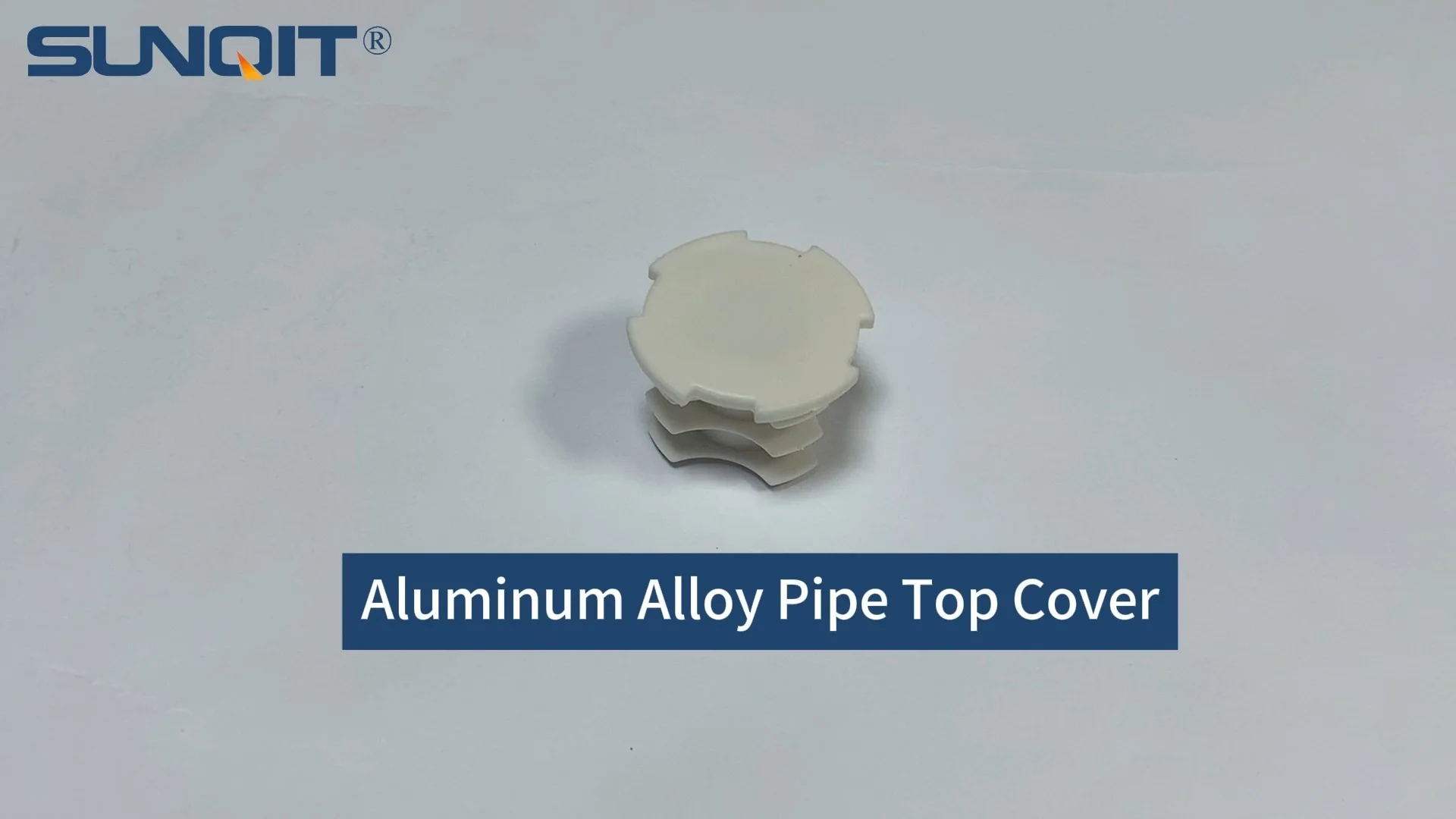
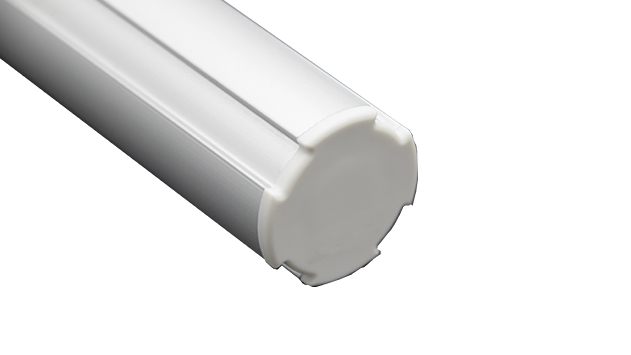
Plastic pipe cover to cover dia 28MM aluminum pipe end at workbench, flow rack, to prevent metal surface scratch material or worker.
In the fast-paced world of manufacturing, where efficiency and durability are the backbone of success, even the smallest components play a critical role in keeping operations running smoothly. Walk through any well-organized production floor, and you'll notice the intricate network of metal pipes and frames that form workstations, material racks, and conveyance systems. These structures—often built with lean pipe , aluminum profile, or stainless steel—are the unsung heroes of daily operations. But look closer, and you'll spot a subtle detail that elevates their performance: the smooth, colored sleeves wrapped around their surfaces. These are plastic pipe covers, and they're far more than just a cosmetic addition. They're essential tools that protect equipment, reduce waste, and enhance the longevity of the lean system that powers modern manufacturing.
Defining the Plastic Pipe Cover: More Than Just a Sleeve
At its core, a plastic pipe cover is a protective sleeve designed to fit over metal pipes—such as lean pipe , aluminum pipe, or stainless steel pipe series—to shield them from damage, reduce friction, and improve functionality. Made from durable plastics like PVC (polyvinyl chloride), polyethylene (PE), or polypropylene (PP), these covers are engineered to withstand the rigors of industrial environments, including impacts, chemical exposure, and constant wear. Unlike rigid metal sleeves, plastic covers offer flexibility, making them easy to install, trim to size, and replace when needed. They come in various thicknesses, colors, and designs, each tailored to specific applications, from light-duty workbenches to heavy-duty conveyor systems.
But the value of a plastic pipe cover extends beyond protection. In lean manufacturing , where every component is evaluated for its contribution to efficiency and waste reduction, these covers play a dual role: they extend the lifespan of expensive pipe infrastructure (reducing replacement costs) and enhance operational safety (preventing scratches, corrosion, or snags that could disrupt workflows). For example, a workbench used for assembling delicate electronics might use a soft, static-dissipative plastic cover to protect both the pipe frame and the products being built. Similarly, a flow rack in a warehouse might rely on high-visibility yellow covers to mark hazard zones or streamline material flow.
Types of Plastic Pipe Covers: Tailored to Every Need
Not all plastic pipe covers are created equal. Manufacturers design them to meet the unique demands of different industrial settings, from cleanrooms to automotive plants. Below are the most common types, categorized by their material, design, and application:
1. By Material: Choosing the Right Plastic for the Job
PVC (Polyvinyl Chloride) Covers: The workhorse of plastic pipe covers, PVC is prized for its affordability, rigidity, and resistance to moisture and chemicals. It's ideal for general-purpose use, such as covering lean pipe on assembly line workbenches or storage racks. PVC covers typically come in thicknesses ranging from 0.8mm to 2mm, with 1.5mm being the sweet spot for balance between durability and flexibility. They're available in neutral colors like grey or white, making them easy to integrate into any workspace aesthetic.
Polyethylene (PE) Covers: Softer and more flexible than PVC, PE covers excel in applications where impact absorption is key. They're often used on conveyor systems or flow rack roller tracks, where products glide along pipes—PE's smooth surface reduces friction, preventing snags and minimizing noise. PE is also resistant to extreme temperatures, making it suitable for cold-storage facilities or outdoor use.
Polypropylene (PP) Covers: For environments with high heat or chemical exposure, PP covers are the go-to choice. They can withstand temperatures up to 120°C (248°F) without warping, making them ideal for use near ovens or industrial machinery. PP is also lightweight and resistant to oils and solvents, making it a favorite in automotive or aerospace manufacturing.
ESD-Safe Covers: In electronics manufacturing, where static electricity can damage sensitive components, ESD (electrostatic discharge)-safe plastic covers are non-negotiable. Made with conductive additives, these covers (often black in color) dissipate static charges, protecting both products and workers. They're commonly used on esd workbench frames or material racks storing circuit boards and semiconductors.
2. By Design: Form Follows Function
Slip-On Covers: The simplest and most widely used design, slip-on covers are cylindrical sleeves that slide directly over pipes. They're easy to install—no tools required—and can be trimmed with scissors or a utility knife to fit custom pipe lengths. They're perfect for retrofitting existing lean pipe structures or for temporary setups that may need reconfiguration.
Snap-On Covers: Designed with a split seam along one side, snap-on covers "click" into place around pipes, eliminating the need to slide them on from the end. This makes them ideal for pipes with fixed joints or connectors, such as those found in workbench frames or roller track systems. Snap-on covers also provide a tighter fit, reducing the risk of slipping during heavy use.
Adhesive-Backed Covers: For pipes that are difficult to slide or snap covers onto—such as those welded to a frame—adhesive-backed covers offer a solution. These thin, flexible sleeves have a peel-and-stick backing that bonds directly to the pipe surface. They're often used for small-diameter pipes or in tight spaces where traditional covers can't reach.
3. By Application: Matching the Cover to the Task
Plastic pipe covers are also categorized by their intended use, ensuring they meet the specific demands of different equipment:
- Workbench Covers: Typically 1-1.5mm thick, these covers protect workbench frames from scratches, dents, and chemical spills. They often come in neutral colors (grey, white) to maintain a clean, professional look.
- Flow Rack Covers: Used on the roller tracks of flow rack systems, these covers are low-friction (often PE or PVC) to ensure smooth product movement. High-visibility colors like yellow are common here, helping workers quickly identify active material lanes.
- Conveyor Covers: Designed for conveyor pipes and roller tracks, these heavy-duty covers (2mm+ thickness) resist impacts from falling products and prevent corrosion from dust or moisture.
- Outdoor/Weather-Resistant Covers: UV-stabilized and waterproof, these covers protect pipes used in outdoor storage racks or loading docks from sun, rain, and snow.
A Closer Look: Comparing Plastic Pipe Cover Types
| Cover Type | Material | Thickness (mm) | Color Options | Temperature Range (°C) | Key Features | Best For |
|---|---|---|---|---|---|---|
| Standard PVC | PVC | 1.0–2.0 | Grey, white, black | -10 to 60 | Affordable, moisture-resistant, rigid | Workbench frames, storage racks |
| ESD-Safe PP | Polypropylene (with additives) | 1.2–1.8 | Black | -5 to 100 | Static-dissipative, chemical-resistant | ESD workbenches, electronics assembly |
| High-Temp PE | Polyethylene | 1.5–2.5 | Clear, yellow, blue | -40 to 80 | Flexible, impact-resistant, low friction | Flow racks, conveyor roller tracks |
| Heavy-Duty PVC | Reinforced PVC | 2.0–3.0 | Red, orange, yellow | -5 to 70 | Impact-resistant, UV-stabilized | Outdoor racks, loading docks |

Plastic Pipe Covers in Lean Manufacturing: Driving Efficiency, Reducing Waste
Lean manufacturing is built on the principle of eliminating waste—whether it's time, materials, or resources. Plastic pipe covers align perfectly with this philosophy, offering tangible benefits that boost productivity and cut costs. Here's how they make a difference in key areas of the lean system :
1. Protecting Equipment, Reducing Replacement Costs
Metal pipes—even durable ones like aluminum or stainless steel—are vulnerable to daily wear and tear. A workbench used for assembling heavy parts, for example, will see constant impacts from tools, dropped components, and worker traffic. Over time, this leads to dents, scratches, and corrosion, weakening the pipe and forcing early replacement. Plastic pipe covers act as a sacrificial barrier, absorbing impacts and preventing direct contact between the metal and external forces. A study by the Lean Manufacturing Institute found that facilities using pipe covers reduced lean pipe replacement costs by 35% over three years, as covers extend pipe lifespan by 2–3 times.
2. Enhancing Safety and Reducing Downtime
A scratched or corroded pipe isn't just an eyesore—it's a safety hazard. Sharp edges from dents can snag clothing or cause cuts, while rust flakes from corroded pipes can contaminate products (especially in food or pharmaceutical manufacturing). Plastic covers eliminate these risks by creating a smooth, sealed surface. In conveyor systems, for instance, a rust-free pipe (protected by a cover) ensures rollers spin freely, preventing jams that could halt production. One automotive plant reported a 22% reduction in downtime after installing covers on their conveyor pipes, citing fewer mechanical failures and maintenance checks.
3. Streamlining Material Flow in Flow Racks and Conveyors
Flow rack and conveyor systems rely on gravity and smooth surfaces to move materials efficiently. Without covers, metal pipes can develop rough patches or rust, creating friction that slows product movement or causes jams. Plastic covers—especially low-friction PE or PVC—ensure a consistent, slippery surface, allowing items to glide seamlessly. For example, a warehouse using yellow plastic roller track guide rails (paired with pipe covers) reported a 15% faster material flow rate compared to uncovered metal tracks. This speed boost translates to quicker order fulfillment and higher throughput.
4. Supporting Visual Management and 5S Principles
Lean manufacturing thrives on visual clarity—using colors, labels, and signage to organize workspaces and reduce errors. Plastic pipe covers play a key role here, thanks to their wide range of color options. Many facilities use color-coded covers to differentiate work zones: red for hazardous areas, blue for finished goods, and yellow for active production lines. This instant visual cue helps workers navigate the floor faster and reduces mistakes (e.g., placing materials in the wrong rack). In 5S programs (Sort, Set in Order, Shine, Standardize, Sustain), color-coded covers simplify "Set in Order" by clearly defining where tools, materials, and equipment belong.
5. Enabling Quick Reconfiguration of Lean Systems
One of the greatest strengths of a lean system is its adaptability—workstations, racks, and conveyors can be reconfigured in hours to meet changing production needs. Plastic pipe covers support this flexibility by being easy to remove and reuse. Unlike permanent metal coatings, covers can be slid off, trimmed, or replaced when pipes are disassembled and reassembled. A electronics manufacturer in China, for example, reconfigured their assembly line to produce a new product in just two days, in part because their lean pipe covers were quick to remove and reinstall on the new workstation layout.

Real-World Applications: How Manufacturers Are Using Plastic Pipe Covers
To understand the impact of plastic pipe covers, let's look at two case studies from different industries:
Case Study 1: Automotive Assembly Plant
A major automotive manufacturer in Michigan was struggling with frequent downtime on their chassis assembly line. The culprit? Rust on the conveyor pipes that moved heavy steel components. Rust flakes would jam the rollers, causing the line to stop 3–4 times per shift. After installing heavy-duty PVC pipe covers (2mm thickness, black) on the conveyor pipes, the plant saw a 90% reduction in jams. The covers prevented rust formation and created a smoother surface for roller movement, cutting downtime to just 1–2 stops per week. Additionally, the black covers hid oil stains and wear, maintaining a cleaner, more professional workspace.
Case Study 2: Electronics ESD Workstation
A semiconductor manufacturer in Taiwan needed to reduce static-related product defects on their esd workbench lines. Sensitive microchips were occasionally damaged by static discharge from uncoated aluminum lean pipe frames. The solution? ESD-safe polypropylene covers (black, 1.5mm thickness) on all workstation pipes. The covers dissipated static charges, bringing defect rates down from 0.8% to 0.2% within three months. Workers also reported fewer minor shocks, improving morale and focus.
Choosing the Right Plastic Pipe Cover: Key Considerations
With so many options available, selecting the right plastic pipe cover requires careful consideration of your facility's unique needs. Here are the questions to ask before making a purchase:
- What type of pipe are you covering? Lean pipe (PE-coated or aluminum) may require different thicknesses than stainless steel. Measure the pipe diameter to ensure a snug fit.
- What's the environment like? Is the area exposed to chemicals, moisture, high temperatures, or static? Choose materials like PP for heat, ESD-safe covers for electronics, or PE for wet areas.
- What's the level of wear and tear? Heavy-duty applications (e.g., flow rack with metal parts) need thicker covers (2mm+), while light-duty workbenches can use 1mm covers.
- Do you need visual cues? Color-coded covers can enhance organization—opt for high-visibility hues (yellow, orange) for busy zones or neutral tones (grey, white) for cleanrooms.
- What's your budget? PVC is the most affordable, while ESD-safe or high-temp covers cost more but offer long-term savings in specialized environments.
Conclusion: The Small Component That Delivers Big Results
In the grand scheme of manufacturing, plastic pipe covers may seem—but their impact is undeniable. They protect critical infrastructure, reduce waste, enhance safety, and support the lean system principles that drive modern production. Whether you're outfitting a new workbench , upgrading a flow rack , or maintaining a conveyor line, investing in the right plastic pipe cover is a small decision that yields significant returns. By choosing a cover tailored to your environment and needs, you're not just protecting pipes—you're protecting the efficiency, safety, and success of your entire operation.
So the next time you walk through your facility, take a moment to appreciate those colorful sleeves on your lean pipe frames. They may be quiet, but they're working hard—proving that in lean manufacturing, even the smallest details can make the biggest difference.