- Company Articles
- Products and Technology
- Product knowledge
- What Is a Plastic Pipe End Cap? Key Functions in Manufacturing Systems

What Is a Plastic Pipe End Cap? Key Functions in Manufacturing Systems
Related Product
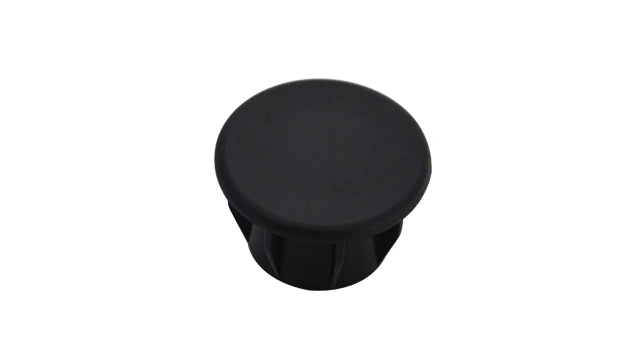
Plastic pipe end cap
Plastic pipe cover, used for 28mm two end cover and protection, to avoid any scratch from sharp metal surface.
In the bustling world of manufacturing, where assembly lines hum, robots precision-engineer components, and workers collaborate to meet tight deadlines, it's easy to overlook the small parts that keep everything running smoothly. We marvel at high-tech machinery and complex software, but the truth is, many of these systems rely on humble, unassuming components to maintain efficiency, safety, and longevity. One such unsung hero? The plastic pipe end cap. Though it might seem like a minor detail, this small accessory plays a critical role in supporting everything from lean pipe structures to workbenches and flow racks—key elements of modern manufacturing systems. In this article, we'll dive deep into what a plastic pipe end cap is, explore its multifaceted functions, and uncover why it's an indispensable part of keeping production lines efficient, safe, and resilient.
Defining the Plastic Pipe End Cap: Small in Size, Big in Impact
At its core, a plastic pipe end cap is a simple device: a small, often cylindrical or tapered piece of plastic designed to fit snugly over the open end of a pipe. But to dismiss it as "simple" would be a mistake. These caps are engineered with precision to address specific challenges in manufacturing environments, where durability, safety, and functionality are non-negotiable. Let's break down the basics.
Materials: Choosing the Right Plastic for the Job
Plastic pipe end caps are typically made from one of several thermoplastic materials, each selected for its unique properties. The most common options include:
- Polyethylene (PE): Known for its flexibility, chemical resistance, and low cost, PE is a popular choice for general-purpose end caps. It's lightweight, impact-resistant, and works well in environments with moderate temperatures.
- Polyvinyl Chloride (PVC): Stiffer than PE, PVC offers excellent rigidity and chemical resistance, making it ideal for pipes that need to maintain structural shape. It's also flame-retardant, a key feature in settings where fire safety is a priority.
- Nylon: For high-stress applications, nylon end caps shine. They boast superior strength, heat resistance, and durability, making them suitable for pipes that endure heavy loads or frequent movement—think lean pipe structures in dynamic assembly lines.
- Polypropylene (PP): PP is valued for its resistance to acids, alkalis, and high temperatures, making it a go-to for end caps in chemical processing or food manufacturing, where hygiene and corrosion resistance are critical.
The choice of material depends on the pipe's purpose, the environment it operates in, and the stresses it will face. For example, a lean pipe used in a automotive assembly workbench might use a PE or nylon cap for impact resistance, while a pipe in a chemical plant would likely opt for PVC or PP to withstand harsh substances.
Design Variations: One Size Doesn't Fit All
Plastic pipe end caps come in a range of designs to accommodate different pipe types, sizes, and installation needs. Some common variations include:
- Friction-Fit Caps: These caps rely on tension to stay in place, with a slightly larger diameter than the pipe's end. They're easy to install and remove, making them ideal for pipes that need occasional access (e.g., for cleaning or maintenance).
- Threaded Caps: For a more secure fit, threaded end caps screw onto pipes with matching threads. They're often used in applications where the cap needs to withstand vibration or pressure, such as in flow rack roller tracks, where material movement could dislodge a friction-fit cap.
- Tapered Caps: Designed with a slight cone shape, tapered caps are used for pipes with varying inner diameters or for creating a smooth transition between pipe sections. They're common in lean pipe structures where pipes of different sizes are connected via lean pipe joint components.
- Flanged Caps: These caps feature a flared edge that extends beyond the pipe's diameter, providing extra protection against impacts or debris. They're often used on pipes at floor level, where workers or equipment might accidentally bump into them.
Many end caps also include additional features, such as UV resistance for outdoor use, anti-static properties for electronics manufacturing (to prevent static discharge that could damage sensitive components), or color-coding for easy identification (e.g., yellow for high-traffic areas, red for hazard zones).
Key Functions of Plastic Pipe End Caps in Manufacturing Systems
Now that we understand what plastic pipe end caps are, let's explore why they matter. These small components perform a surprising number of critical functions, each contributing to the overall efficiency, safety, and longevity of manufacturing systems. Here are the top five:
1. Protection: Keeping Pipes—and Their Contents—Safe
One of the most fundamental roles of a plastic pipe end cap is protection. Open pipe ends are vulnerable to a host of threats, and end caps act as a barrier against them:
- Debris and Contamination: In manufacturing facilities, dust, metal shavings, grease, and even small tools can easily find their way into open pipes. Over time, this debris can clog pipes, jam moving parts (like the rollers in a flow rack ), or corrode internal surfaces. End caps seal off these entry points, ensuring pipes remain clean and functional.
- Moisture and Corrosion: Pipes made of metal (such as stainless steel or aluminum) are prone to rust when exposed to moisture. Plastic end caps create a seal that prevents water, condensation, or cleaning fluids from entering, extending the pipe's lifespan. This is especially important for lean pipe systems, which are often assembled from metal pipes and rely on lean pipe joint components to maintain structural integrity—corroded pipes weaken these joints, risking system failure.
- Damage During Handling: Pipes are often transported, stored, or reconfigured in manufacturing settings. Open ends can get dented, bent, or cracked during these processes, rendering the pipe unusable. End caps act as a buffer, absorbing impacts and protecting the pipe's structural integrity.
Consider a scenario in a electronics plant: A flow rack used to transport circuit boards relies on roller tracks to move components smoothly. If the aluminum pipes supporting these tracks had open ends, dust could accumulate inside, causing rollers to jam. A simple plastic end cap keeps the dust out, ensuring the flow rack operates without interruptions—saving maintenance time and preventing costly delays.
2. Safety: Protecting Workers, One Cap at a Time
Manufacturing floors are busy, fast-paced environments, and worker safety is paramount. Open pipe ends pose a hidden hazard: sharp edges. Whether from metal burrs, cut plastic, or jagged aluminum, these edges can cause cuts, scrapes, or even more serious injuries when workers brush against them. Plastic pipe end caps eliminate this risk by covering sharp edges with a smooth, rounded surface.
Take workbench setups, for example. Many workbenches in assembly lines are built using lean pipe frames, which are lightweight and easy to reconfigure. Without end caps, the exposed ends of these pipes could catch on clothing, scratch hands, or even snag tools. A study by the Occupational Safety and Health Administration (OSHA) found that over 20% of non-fatal manufacturing injuries are caused by "struck-by" or "caught-in" hazards—many of which could be prevented with simple safeguards like end caps.
End caps also enhance safety in other ways. In environments where static electricity is a risk (e.g., electronics manufacturing), anti-static plastic caps prevent static discharge, protecting sensitive components from damage. In food processing plants, non-toxic, easy-to-clean caps reduce the risk of contamination, ensuring compliance with health regulations.
3. Structural Integrity: Strengthening the System
A manufacturing system is only as strong as its weakest link. While plastic end caps might seem passive, they play an active role in maintaining the structural integrity of pipe-based systems. Here's how:
- Reinforcing Joints: Lean pipe joint components connect pipes to form structures like workbenches, trolleys, or material racks. When a pipe is capped, it creates a closed system, distributing weight more evenly across the joint. This reduces stress on the joint, preventing loosening or failure over time. For example, a workbench loaded with heavy tools will put less strain on its lean pipe joint connections if the pipes are capped, as the caps help distribute the load.
- Preventing Pipe Collapse: Hollow pipes are strong, but their open ends are vulnerable to crushing or deformation under pressure. A plastic end cap adds rigidity, acting as a support that prevents the pipe from collapsing when force is applied. This is critical for pipes used in load-bearing structures, such as the legs of a workbench or the vertical supports of a flow rack .
- Stabilizing Reconfigurable Systems: Lean manufacturing systems are designed to be flexible—pipes and joints are often disassembled and reassembled to adapt to new production needs. End caps ensure that even after reconfiguration, pipes remain stable. A cap that fits snugly prevents wobbling, shifting, or misalignment, which could otherwise lead to system instability.
4. Aesthetics and Organization: Keeping Lines Clean and Efficient
While functionality is king in manufacturing, aesthetics and organization play a surprising role in efficiency. A cluttered, disorganized workspace can slow down workers, increase errors, and even impact morale. Plastic pipe end caps contribute to a cleaner, more professional look by hiding unsightly open pipe ends, creating a polished appearance that reflects well on the facility.
Color-coded end caps take this a step further, aiding in organization. For example, a plant might use yellow caps for pipes in high-traffic areas, red caps for pipes connected to electrical systems, and blue caps for pipes used in flow rack setups. This visual cue helps workers quickly identify pipe functions, reducing confusion and speeding up tasks like maintenance or reconfiguration.
In a study by the Lean Enterprise Institute, facilities with color-coded systems reported a 15% reduction in time spent searching for tools or identifying components—proof that even small organizational touches like colored end caps can have a measurable impact on productivity.
5. Cost Savings: An Affordable Investment with Big Returns
At first glance, plastic pipe end caps might seem like an unnecessary expense. Why spend money on a "tiny piece of plastic" when the pipe works fine without it? The reality is, end caps are a cost-saving investment. Let's break down the numbers:
- Reduced Maintenance Costs: By preventing debris, corrosion, and damage, end caps extend the life of pipes and joints. A lean pipe that would otherwise need replacement after 2 years might last 4 years with proper end caps—cutting replacement costs in half.
- Fewer Downtime Incidents: A jammed flow rack or a broken lean pipe joint can halt production for hours. End caps reduce these incidents by keeping systems clean and stable. Even a single hour of downtime avoided can save thousands of dollars in lost productivity—far more than the cost of a few caps.
- Lower Injury Costs: Workplace injuries lead to medical bills, workers' compensation claims, and lost workdays. OSHA estimates that the average cost of a minor cut or scrape in manufacturing is $1,000–$3,000. By preventing these injuries, end caps protect both workers and the company's bottom line.
For a small component that often costs less than $1 per unit, the return on investment is clear. As one manufacturing manager put it: "We used to skimp on end caps to save money, but after a few costly flow rack jams and a worker injury, we realized they're not an expense—they're insurance."

Integration with Lean Manufacturing Systems: Where End Caps Meet Pipes, Joints, and Workbenches
To truly appreciate the value of plastic pipe end caps, we need to see how they fit into larger manufacturing systems—specifically, lean manufacturing systems, which prioritize efficiency, flexibility, and waste reduction. Lean systems rely heavily on modular components like lean pipe , lean pipe joint connectors, workbench frames, and flow rack structures. Plastic end caps are the glue that holds these components together, ensuring they work in harmony.
Lean Pipes and End Caps: A Match Made in Efficiency
Lean pipe (also called "" or "flexible pipe") is the backbone of many lean systems. These pipes are typically made of steel, aluminum, or plastic, and they're designed to be lightweight, strong, and easy to assemble with lean pipe joint components. But without end caps, their effectiveness is compromised.
Consider a lean pipe assembly line trolley used to transport parts between workstations. The trolley's frame is built from interconnected lean pipes and joints. If the pipes have open ends, dirt and debris can enter, increasing friction in the joints and making the trolley harder to move. Over time, this friction wears down the joints, requiring frequent replacements. A plastic end cap keeps debris out, ensuring the trolley rolls smoothly and the joints last longer.
End caps also play a role in the "5S" methodology of lean manufacturing (Sort, Set in Order, Shine, Standardize, Sustain). By keeping pipes clean (Shine) and organized (Set in Order), end caps help maintain a workspace that adheres to 5S principles—reducing waste and boosting efficiency.
Workbenches: Comfort and Safety for Frontline Workers
Workbench setups are where the rubber meets the road in manufacturing—this is where workers spend most of their shifts, assembling products, inspecting components, or packaging goods. Lean workbenches, built with lean pipe frames, are popular because they're customizable: height, width, and accessories (like tool hooks or shelves) can be adjusted to fit the task.
Plastic end caps are critical here for two reasons: safety and comfort. A worker standing at a workbench for 8 hours a day will inevitably brush against the bench's frame. Sharp pipe ends could cause irritation or injury, leading to distractions and reduced productivity. End caps create a smooth, comfortable surface that workers can lean against or rest tools on without worry.
Additionally, end caps help maintain the workbench's structural stability. When a worker leans on the bench or places heavy equipment on it, the caps distribute the weight across the lean pipe joint connections, preventing the frame from wobbling or collapsing. This stability is essential for precision tasks, like assembling small electronics, where even a slight shake could ruin a component.
Flow Racks: Keeping Materials Moving
Flow rack systems are designed to move materials from one point to another using gravity or rollers. They're common in warehouses, distribution centers, and manufacturing lines where components need to flow to assembly stations efficiently. These racks are often built with metal or aluminum pipes that support roller tracks—and plastic end caps are vital to their performance.
Roller tracks in flow rack systems rely on smooth movement to prevent jams. If the pipes supporting these tracks have open ends, dust, dirt, or small debris can enter, lodging between rollers and causing them to stick. A plastic end cap seals the pipe, keeping the interior clean and ensuring rollers spin freely. This reduces maintenance time and ensures materials flow consistently, preventing bottlenecks in production.
End caps also protect the flow rack's structural integrity. The pipes in a flow rack are often arranged in a sloped design to facilitate gravity flow. This slope puts stress on the pipe joints, which can loosen over time. Capped pipes distribute this stress more evenly, keeping the rack stable and preventing collapse—even when loaded with heavy materials like automotive parts or large appliances.
Real-World Example: How End Caps Transformed a Automotive Assembly Line
Let's look at a concrete case: a mid-sized automotive parts manufacturer in Michigan that recently upgraded its assembly line with lean manufacturing systems. The plant installed new lean pipe workbenches, flow rack systems, and material trolleys, but initially skipped plastic end caps to save costs.
Within three months, problems emerged: Workers reported minor cuts on their arms from brushing against open pipe ends on the workbenches. The flow racks began jamming frequently, as dust accumulated in the roller track pipes, requiring maintenance crews to clean them twice a week. The lean pipe joint connections on the trolleys started loosening, leading to wobbly carts that were difficult to push.
The plant manager decided to invest in plastic end caps, choosing nylon caps for the workbenches (for durability) and PE caps for the flow racks (for cost-effectiveness). The results were striking: Cuts decreased by 75%, flow rack jams dropped to zero, and lean pipe joint replacements fell by 60%. The plant saved over $10,000 in maintenance costs and worker compensation claims in the first year alone—all from a $500 investment in end caps.

Choosing the Right Plastic Pipe End Cap: Key Considerations
With so many options available, selecting the right plastic pipe end cap can feel overwhelming. But by focusing on a few key factors, you can ensure you choose a cap that meets your system's needs. Here's what to consider:
1. Pipe Size and Type
First and foremost, the cap must fit the pipe. Measure the pipe's outer diameter (OD) and inner diameter (ID) to ensure a snug fit. Most manufacturers list cap sizes by pipe OD (e.g., "1-inch OD cap"), but double-checking is critical—an ill-fitting cap will fall off or fail to seal properly.
Also, consider the pipe material. Metal pipes (like steel or aluminum) may have sharper edges, so a thicker, more impact-resistant cap (like nylon) is better. Plastic pipes may require a more flexible cap (like PE) to avoid cracking during installation.
2. Environment and Conditions
Where will the pipe be used? Ask yourself:
- Temperature: Will the cap be exposed to extreme heat (e.g., near ovens) or cold (e.g., freezers)? PVC and nylon handle heat better than PE, while PE is more flexible in cold temperatures.
- Chemicals: Will the cap come into contact with oils, solvents, or cleaning agents? PP or PVC offers better chemical resistance than PE.
- Moisture: In wet environments (e.g., food processing plants), a cap with a tight seal (like a threaded cap) is essential to prevent corrosion.
- UV Exposure: For outdoor use, choose a UV-resistant cap (often labeled "UV-stabilized") to prevent fading or brittleness from sunlight.
3. Installation and Access Needs
How often will you need to remove the cap? If the pipe requires frequent access (e.g., for cleaning or inspection), a friction-fit cap is best—it's easy to pop on and off. For permanent installations, a threaded cap or adhesive-backed cap (which bonds to the pipe) offers a more secure seal.
4. Load and Stress
Will the cap be subject to heavy loads, impacts, or vibration? For high-stress applications (like lean pipe workbenches or material trolleys), opt for a rigid, durable material like nylon. For low-stress uses (like decorative pipes), PE or PVC will suffice.
5. Safety and Compliance
In regulated industries (e.g., healthcare, aerospace), end caps may need to meet specific safety standards. For example, ESD-safe caps are required in electronics manufacturing to prevent static discharge, while food-grade caps (made from FDA-approved materials like PP) are necessary in food processing.
| Material | Best For | Temperature Range | Key Benefit |
|---|---|---|---|
| Polyethylene (PE) | General-purpose, low-stress, moderate temperatures | -40°C to 80°C | Flexible, low cost, impact-resistant |
| Polyvinyl Chloride (PVC) | Rigid pipes, chemical resistance, flame safety | -15°C to 60°C | Stiff, chemical-resistant, flame-retardant |
| Nylon | High-stress, heavy loads, frequent movement | -40°C to 120°C | Strong, heat-resistant, durable |
| Polypropylene (PP) | Chemical processing, food manufacturing, high temperatures | -20°C to 100°C | Acid/alkali resistance, heat-resistant, food-safe |
Conclusion: Celebrating the Unsung Hero of Manufacturing
In the grand scheme of manufacturing, plastic pipe end caps may not grab headlines or win innovation awards. But as we've explored, they're the quiet workhorses that keep systems running smoothly, workers safe, and costs in check. From protecting lean pipe joints from corrosion to ensuring flow rack roller tracks stay jam-free, these small components play a outsized role in efficiency and reliability.
The next time you walk through a manufacturing plant, take a moment to look at the workbench frames, the flow rack systems, or the lean pipe trolleys. Chances are, you'll spot a plastic pipe end cap—and now you'll know just how much work it's doing behind the scenes. In a world that celebrates big technology, it's the small, thoughtful details like these that truly make manufacturing systems great.