- Company Articles
- Products and Technology
- Product knowledge
- What is a Plastic Pipe Sleeve? Definition & Core Roles in Lean Pipe Systems

What is a Plastic Pipe Sleeve? Definition & Core Roles in Lean Pipe Systems
Related Product
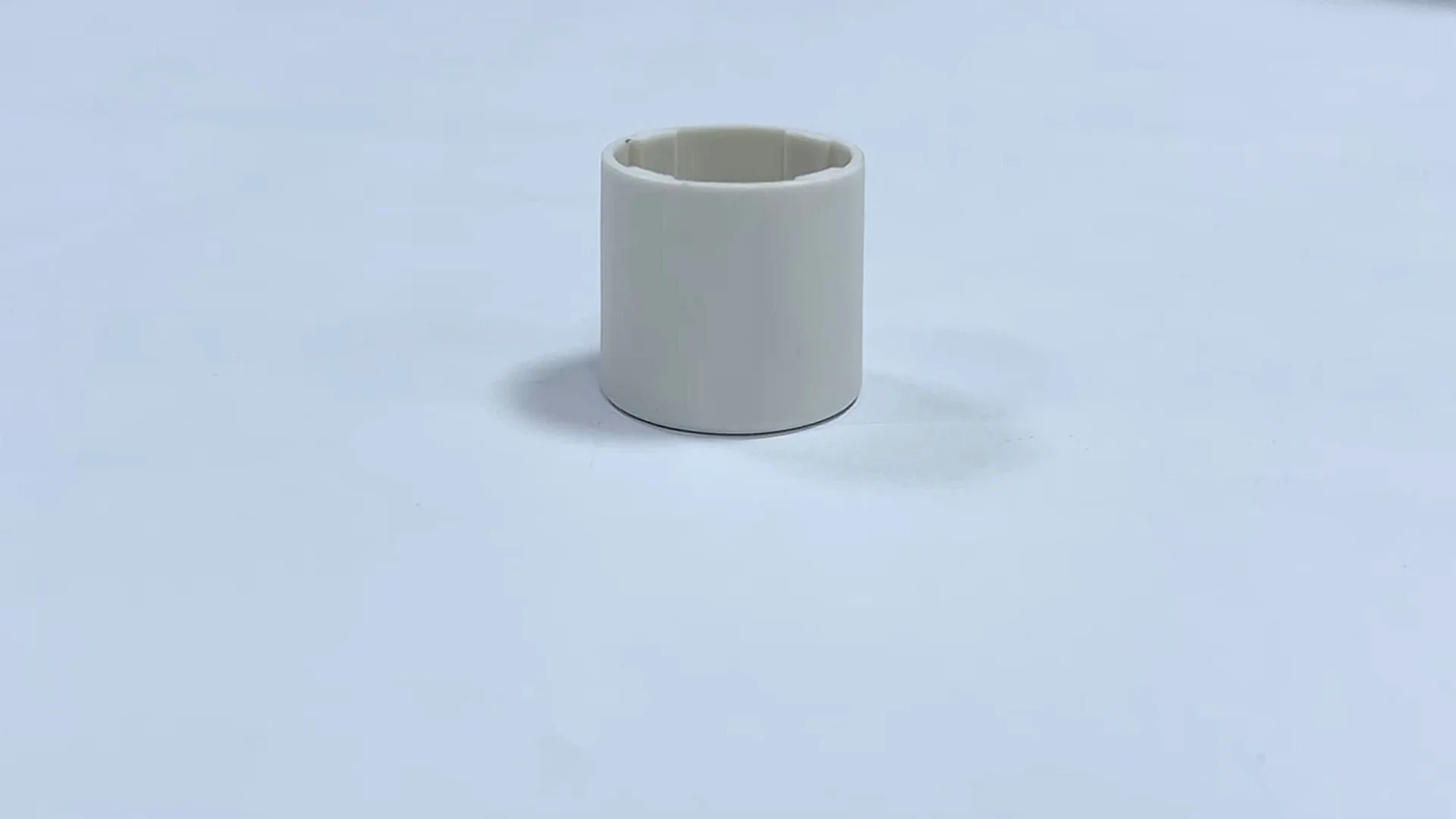
Plastic Pipe Sleeve
Plastic pipe sleeve to cover dia 28MM aluminum pipe end to contact with ground.
The Backbone of Lean Manufacturing – Why Small Components Matter
Walk into any modern manufacturing facility, and you'll likely notice the rhythm of efficiency: assembly lines moving in sync, workbenches organized with precision, and material racks that seem to anticipate the next step in production. Behind this harmony lies a network of systems and components designed to eliminate waste, reduce downtime, and keep operations flowing smoothly. While large machinery and high-tech equipment often steal the spotlight, it's the smaller, often overlooked parts that truly hold the system together. One such unsung hero? The plastic pipe sleeve.
In the world of lean manufacturing, where every detail counts, components like lean pipes, lean pipe joints, and their accompanying accessories form the building blocks of flexible, adaptable workspaces. But even among these, the plastic pipe sleeve plays a quiet yet critical role. It's not flashy, and it rarely gets mentioned in boardroom discussions about productivity—but without it, the durability, safety, and efficiency of lean pipe systems would take a significant hit. Let's dive into what a plastic pipe sleeve is, how it works, and why it's indispensable in keeping lean operations running like clockwork.
Defining the Plastic Pipe Sleeve: More Than Just a Covering
At first glance, a plastic pipe sleeve might seem like little more than a simple tube of plastic slipped over a metal pipe. But that's a bit like calling a smartphone "just a screen and a battery"—it barely scratches the surface of its purpose. A plastic pipe sleeve is a specialized component designed to fit snugly over lean pipes (often aluminum, steel, or stainless steel) to enhance their performance, protect them from damage, and improve their compatibility with other parts of the lean system.
Think of it as a protective jacket for your lean pipes. Just as a good jacket shields you from the elements, a well-designed plastic pipe sleeve shields lean pipes from scratches, corrosion, and everyday wear and tear. But its role goes beyond protection. Depending on the material and design, it can also provide insulation, reduce friction, enhance grip, and even contribute to electrical safety in sensitive environments like ESD workstations. In short, it's a multitasker that adds value in ways that might not be obvious until you consider the alternative: lean pipes without sleeves, prone to damage, inefficiency, and higher long-term costs.
Materials Used: Polypropylene, Nylon, PVC – What Sets Them Apart
Not all plastic pipe sleeves are created equal. The choice of material depends on the specific needs of the application, and manufacturers typically offer options tailored to different environments. Here's a breakdown of the most common materials and what makes each unique:
| Material | Key Properties | Ideal Applications | Pros | Cons |
|---|---|---|---|---|
| Polypropylene (PP) | Lightweight, chemical-resistant, low friction | General manufacturing, food processing (FDA-grade variants) | Durable, affordable, resistant to oils and solvents | Less flexible than nylon; can become brittle in extreme cold |
| Nylon | High impact strength, excellent abrasion resistance, flexible | Heavy-duty applications, ESD workstations, dynamic systems (e.g., roller tracks) | Withstands repeated stress, good for moving parts | More expensive than PP; absorbs moisture, which can affect dimensions |
| PVC (Polyvinyl Chloride) | Rigid, flame-resistant, good electrical insulation | Static environments, electrical workbenches, indoor storage racks | Cost-effective, easy to clean, good for static control | Less impact-resistant than nylon; can release harmful fumes if burned |
Common Types: Sizing, Thickness, and Design Variations
Plastic pipe sleeves come in a range of sizes to fit different lean pipe diameters, from small 0.5-inch pipes used in lightweight workbenches to larger 2-inch pipes for heavy-duty material racks. Thickness also varies, with thinner sleeves (0.5mm–1mm) used for basic protection and thicker sleeves (2mm–3mm) reserved for high-wear applications, like roller tracks or turnover trolleys that see constant movement.
Design-wise, some sleeves are smooth and seamless, ideal for reducing friction in systems where materials slide along pipes (think roller track guide rails). Others have textured surfaces to improve grip, which is useful when pipes are handled frequently or need to stay in place during reconfigurations. There are even color-coded sleeves, which help with organization—for example, yellow sleeves might mark pipes used in high-traffic areas, while grey sleeves could indicate ESD-safe zones in electronics manufacturing.

Core Roles of Plastic Pipe Sleeves in Lean Pipe Systems
Now that we understand what a plastic pipe sleeve is and how it's made, let's explore its core roles in lean pipe systems. These small components punch far above their weight, contributing to everything from equipment longevity to workplace safety.
Protection: Shielding Lean Pipes from Wear and Tear
Lean pipes are the backbone of structures like workbenches, material racks, and flow racks. They're often made of aluminum, steel, or stainless steel—strong materials, but not invincible. In a busy factory, pipes rub against tools, get bumped by trolleys, and are exposed to oils, chemicals, and even moisture. Over time, this can lead to scratches, dents, or corrosion, weakening the pipe and compromising the stability of the entire structure.
Enter the plastic pipe sleeve. By acting as a physical barrier between the metal pipe and the outside world, it absorbs the brunt of daily impacts. A scratch on a sleeve is easy and cheap to fix—just slide on a new one—whereas a scratch on the pipe itself could lead to rust, weakening the material over time. This is especially critical for stainless steel pipe series, which are prized for their corrosion resistance but can still be damaged by sharp tools or abrasive materials. The sleeve ensures that the pipe's structural integrity remains intact, even in high-traffic areas.
Consider a material rack B (3 row and 3 floor) in a warehouse, where workers constantly load and unload boxes. Without sleeves, the metal pipes supporting the shelves would quickly show signs of wear from the friction of boxes sliding on and off. With sleeves, the pipes stay smooth and damage-free, extending the rack's lifespan by years.
Insulation: Electrical and Thermal Barriers in ESD Environments
Many manufacturing environments, particularly those handling electronics, require strict control over electrostatic discharge (ESD). Even a small static charge can damage sensitive components like circuit boards, costing companies thousands in defective products. ESD workstations are designed to prevent this by grounding static electricity, and plastic pipe sleeves play a key role here.
Certain sleeve materials, like nylon or specialized ESD-safe PVC, are formulated to dissipate static charges, preventing them from building up on the lean pipes. This is crucial because metal pipes are conductive—without insulation, they could act as pathways for static electricity to jump to nearby components. By covering the pipes with an insulating sleeve, the risk of ESD damage is significantly reduced.
Thermal insulation is another benefit, though it's less commonly discussed. In environments with extreme temperatures—like factories with hot machinery or cold storage facilities—plastic sleeves help regulate the temperature of the lean pipes. This prevents condensation from forming on cold pipes (which could lead to rust) or heat from transferring to sensitive materials placed on workbenches or racks.
Connection Support: Enhancing Stability Between Lean Pipe Joints
Lean pipe systems are all about flexibility—they're designed to be reconfigured quickly as production needs change. This flexibility relies on lean pipe joints, which connect pipes at various angles to form structures like workbenches or trolleys. But for these joints to hold securely, the connection between the pipe and the joint needs to be tight and stable.
Plastic pipe sleeves improve this connection in two ways. First, they add a slight amount of thickness to the pipe, creating a tighter fit inside the joint. This reduces slippage, especially in joints that are adjusted frequently. Second, the sleeve's surface texture (whether smooth or slightly textured) can enhance friction between the pipe and the joint, preventing it from rotating or shifting under load.
Imagine assembling a workbench using lean pipe joints and aluminum lean pipes. Without sleeves, the metal-on-metal contact might allow the pipes to twist slightly when pressure is applied (e.g., when placing heavy tools on the bench). With sleeves, the fit is snugger, and the bench remains stable even with repeated use. This not only improves safety but also reduces the need for constant readjustments, saving time and effort for workers.
Flexibility: Adapting to Dynamic Manufacturing Needs
One of the core principles of lean manufacturing is "just-in-time" production—adapting quickly to changes in demand, product design, or workflow. Lean pipe systems excel at this because they're modular; you can take apart a workbench in the morning and reassemble it as a turnover trolley in the afternoon. Plastic pipe sleeves make this reconfiguration easier and less damaging.
When you disassemble a lean structure, pipes are often pulled out of joints, stacked, or moved around. Without sleeves, this process can scratch or dent the pipes, making them harder to fit into new joints later. Sleeves act as a protective layer, ensuring that pipes remain in good condition even after multiple reconfigurations. They also make pipes easier to handle—plastic is lighter than metal, and some sleeves have a non-slip surface that reduces the risk of dropping pipes during setup.
For example, a team might need to reconfigure a flow rack to accommodate a new product size. With plastic sleeves, they can quickly disconnect the lean pipe joints, adjust the pipe lengths, and reassemble the rack without worrying about damaging the pipes. The sleeves ensure that the reconfigured rack is just as stable and durable as the original.
Cost-Effectiveness: Extending Lifespan, Reducing Replacement Costs
At the end of the day, lean manufacturing is about eliminating waste—and that includes wasteful spending on unnecessary replacements. Plastic pipe sleeves might seem like a small expense, but their impact on the bottom line is significant. Let's break it down:
• Lower Replacement Costs: A plastic pipe sleeve costs a fraction of what a new lean pipe costs. If a sleeve gets damaged, you can replace it for $2–$5, whereas replacing a bent or corroded pipe could cost $20–$50. Over time, this adds up to substantial savings.
• Reduced Downtime: Repairing or replacing a damaged pipe takes time—time that workers could be spending on production. Sleeves prevent many common pipe damages, meaning less downtime for maintenance.
• Longer System Lifespan: By protecting pipes from wear, sleeves extend the life of the entire lean system. A well-maintained lean pipe system can last 10+ years, whereas an unprotected system might need major overhauls every 3–5 years.
Consider a small manufacturer with 50 workbenches, each using 10 lean pipes. If each pipe costs $30 and needs replacement every 4 years without sleeves, that's 500 pipes x $30 = $15,000 every 4 years. With sleeves, the pipes might last 8 years, cutting replacement costs in half. Add in the savings from reduced downtime, and the ROI on sleeves becomes clear.

Integration with Lean Pipe and Accessories: A Synergistic Relationship
A plastic pipe sleeve doesn't work in isolation—it's part of a larger ecosystem of lean pipe and accessories. From caster wheels to roller tracks, every component relies on others to function smoothly. Let's explore how sleeves interact with some of the most common lean system accessories.
How Sleeves Work with Lean Pipe Joints and Connectors
As we touched on earlier, lean pipe joints are the "glue" that holds lean systems together. They come in various designs—90° joints, 45° joints, three-way joints—to create different angles and structures. The plastic pipe sleeve ensures that the pipe fits securely into these joints, whether they're made of aluminum, steel, or plastic.
For example, internal rotatary aluminum joints allow pipes to rotate slightly, which is useful for adjusting the height of workbench shelves. A sleeve on the pipe ensures that the rotation is smooth (reducing friction between metal parts) and that the joint doesn't loosen over time. Similarly, parallel lean pipe joints, which connect two pipes side by side, benefit from sleeves that keep the pipes aligned and prevent them from rubbing against each other, which could cause noise or wear.
Compatibility with Aluminum vs. Stainless Steel Lean Pipes
Lean pipes are available in different materials, with aluminum and stainless steel being two of the most popular. Aluminum pipes are lightweight and corrosion-resistant, making them ideal for workbenches and light-duty racks. Stainless steel pipes, part of the stainless steel pipe series, are heavier and more durable, often used in food processing or high-moisture environments.
Plastic sleeves are compatible with both, but the choice of sleeve material might vary. For aluminum pipes, which are softer than steel, a thicker nylon sleeve can provide extra protection against dents. For stainless steel pipes, which are more scratch-resistant but prone to fingerprints and smudges, a smooth polypropylene sleeve can keep them clean and maintain their aesthetic appeal (important in environments where appearance matters, like customer-facing demo areas).
Roller Tracks and Caster Wheels: Reducing Friction, Improving Movement
Roller tracks (like plastic roller track guide rail yellow or grey) and caster wheels are essential for moving materials efficiently. Roller tracks allow boxes or components to slide smoothly from one workstation to another, while caster wheels make trolleys and mobile workbenches easy to maneuver. In both cases, plastic pipe sleeves play a role in reducing friction and noise.
On roller tracks, the sleeves covering the supporting pipes prevent metal-to-metal contact between the track and the pipes, which would create squeaking or scratching. Similarly, on caster wheels attached to turnover trolleys, sleeves on the vertical pipes reduce friction when the trolley is moved, making it easier to push even when fully loaded. This might seem like a small detail, but in a factory where workers push trolleys dozens of times a day, reducing effort translates to less fatigue and higher productivity.

Real-World Applications: Where Plastic Pipe Sleeves Shine
To truly appreciate the value of plastic pipe sleeves, let's look at some real-world scenarios where they make a tangible difference. From automotive plants to electronics factories, these small components are hard at work behind the scenes.
Automotive Assembly Lines: Withstanding Heavy Loads and Friction
Automotive manufacturing is a high-stress environment for lean systems. Assembly lines run 24/7, with heavy parts like engines and transmissions moving along roller tracks, and workbenches holding tools that weigh 50 pounds or more. In this setting, plastic pipe sleeves are non-negotiable.
Take a flow rack used to store car parts. Each shelf is supported by lean pipes, and workers constantly slide heavy boxes onto and off the shelves. Without sleeves, the metal pipes would quickly develop deep scratches from the friction, leading to rust and weakening the structure. With thick nylon sleeves, the pipes remain smooth, and the boxes slide easily, reducing the effort workers need to exert. Additionally, sleeves on the caster wheels of mobile workbenches make it easier to move tools around the assembly line, even when the bench is fully loaded.
Electronics Manufacturing: ESD Protection in ESD Workstations
Electronics factories are all about precision—and static control. A single static discharge can ruin a microchip, so ESD workstations are designed to ground every surface. Plastic pipe sleeves with ESD properties are a critical part of this setup.
An ESD workstation might use aluminum lean pipes to support the work surface and material racks. Sleeves made of ESD-safe nylon cover these pipes, ensuring that any static charge generated by workers (e.g., from moving their arms across the bench) is dissipated harmlessly, rather than transferring to the sensitive components on the bench. Even the roller track guide rails on the workstation's flow rack are covered in sleeves to prevent static buildup as circuit boards slide along them.
Warehousing: Supporting Flow Racks and Turnover Trolleys
Warehouses are all about moving inventory quickly, and flow racks are a staple for this. A flow rack b (3 row and 3 floor), for example, uses gravity to move boxes from the back to the front, so workers can pick items without reaching. The roller tracks on these racks rely on smooth, low-friction surfaces to keep boxes moving freely.
Plastic pipe sleeves on the supporting pipes of the flow rack ensure that the structure remains stable even when fully loaded with heavy boxes. They also reduce noise—without sleeves, the metal pipes would vibrate as boxes slide down the roller tracks, creating a loud, distracting environment. In busy warehouses, this noise reduction alone can improve worker morale and focus.
Turnover trolleys, used to transport goods between storage and shipping, also benefit from sleeves. Caster wheels on these trolleys are attached to lean pipes, and sleeves on those pipes prevent the wheels from loosening over time, ensuring the trolley rolls smoothly and safely, even when navigating uneven warehouse floors.
Choosing the Right Plastic Pipe Sleeve: Key Considerations
With so many options available, how do you choose the right plastic pipe sleeve for your needs? Here are the key factors to consider:
Environmental Factors: Temperature, Chemical Exposure, Moisture
The environment where the sleeve will be used is the biggest determinant of material choice. If your facility has high temperatures (e.g., near ovens or furnaces), avoid PVC sleeves, which can soften in heat. Instead, opt for polypropylene or nylon, which have higher melting points. For chemical exposure—like oil, solvents, or cleaning agents—polypropylene is a good choice, as it's resistant to most chemicals. In high-moisture environments (e.g., food processing), stainless steel pipes with polypropylene sleeves work best, as they resist mold and mildew.
Load Requirements: Static vs. Dynamic Stress
Consider how much weight the lean system will bear and whether the stress is static (e.g., a workbench holding tools) or dynamic (e.g., a roller track with boxes sliding constantly). Static loads require sleeves that focus on protection and stability, like thick nylon. Dynamic loads need sleeves that reduce friction and wear, so smooth polypropylene or low-friction nylon might be better.
Compatibility with Existing Lean System Components
Finally, ensure the sleeve is compatible with your existing lean pipe and accessories. Measure the diameter of your pipes to get the right sleeve size—too loose, and it won't protect the pipe; too tight, and it might be hard to install. If you're using specialized joints or roller track placon mount connectors, check that the sleeve doesn't interfere with how these components attach to the pipe.
Maintenance and Care: Keeping Your Sleeves (and System) in Top Shape
Plastic pipe sleeves are durable, but they still need a little care to perform their best. Here are some tips for maintaining your sleeves and extending their lifespan:
- Inspect Regularly: Check sleeves monthly for signs of wear—cracks, thinning, or discoloration. replace any damaged sleeves immediately to prevent pipe damage.
- Clean Gently: Wipe sleeves with a damp cloth and mild soap to remove dirt, oil, or grease. Avoid harsh chemicals like bleach, which can degrade the plastic.
- replace When Needed: Even with good care, sleeves will eventually wear out. Keep a stock of replacement sleeves on hand so you can swap them out quickly without disrupting production.
Conclusion: The Quiet Champion of Lean Efficiency
In the world of lean manufacturing, where every component is designed to add value and eliminate waste, the plastic pipe sleeve stands out as a quiet champion. It protects, insulates, supports, and adapts—all while costing just a fraction of the components it safeguards. Whether you're building an ESD workstation, a material rack, or a roller track system, don't overlook this small but mighty component.
At the end of the day, lean manufacturing is about paying attention to the details. And when it comes to details, the plastic pipe sleeve proves that even the smallest parts can make the biggest difference in creating a system that's efficient, durable, and ready to adapt to whatever the future of manufacturing brings.