- Company Articles
- Products and Technology
- Product knowledge
- What Is a Roller Track Placon Mount for Aluminum Profile Flat? Definition & Core Functions

What Is a Roller Track Placon Mount for Aluminum Profile Flat? Definition & Core Functions
Related Product
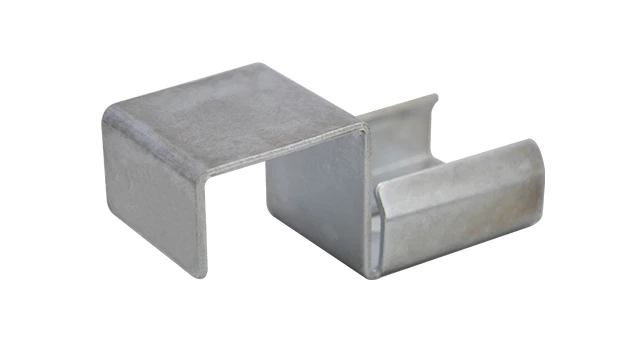
Roller Track Placon Mount for Aluminum Profile Flat
For mounting roller rails, hook-in brackets are slid around the aluminum profile. The hook-in bracket is then clamped around the roller track.Depending on the solution you are looking for, there are various hook-in brackets that can be applied.
Exploring the unsung hero behind smooth material flow in modern manufacturing
Ever Wondered What Keeps Factory Workstations Flowing Smoothly?
Picture a busy electronics assembly line: workers hunched over benches, reaching for components, and parts sliding seamlessly from one station to the next. Or a warehouse where boxes glide down racks without a hitch, cutting down on the time spent fetching supplies. What if I told you that much of this efficiency hinges on a small but mighty component? Meet the Roller Track Placon Mount for Aluminum Profile Flat —a quiet workhorse that's often overlooked, yet critical to keeping production lines and warehouses running like well-oiled machines.
In the world of lean manufacturing, every second counts. Delays caused by clunky material handling, wobbly racks, or ill-fitting parts can throw off an entire shift's output. That's where this unassuming mount comes in. It's not just a piece of metal or plastic; it's the bridge between your aluminum profiles (the backbone of modern workstations) and the roller tracks that make material flow possible. Let's dive into what it is, how it works, and why it matters for anyone serious about building efficient, adaptable production systems.
Defining the Roller Track Placon Mount for Aluminum Profile Flat: More Than Just a "Bracket"
At its core, a Roller Track Placon Mount for Aluminum Profile Flat is a specialized mounting component designed to attach roller tracks (those grooved rails that let items slide) to flat aluminum profiles. Think of it as the "glue" that holds your flow rack or workstation's material delivery system together—but with way more precision and flexibility than regular glue.
Unlike generic brackets that might fit one size or require drilling into your aluminum profiles (ruining their reusability), this placon mount is engineered for a perfect, non-destructive fit with flat aluminum profiles. It's typically made from lightweight yet durable aluminum (matching the profiles it attaches to) and features pre-designed slots or holes that align with the T-slots in aluminum profiles—so you can secure it with simple bolts or clips, no drilling needed.
Key Trait: "Flat" here refers to its low-profile design. Unlike "high-type" placon mounts that raise the roller track higher off the profile, the flat version sits close to the surface, saving vertical space—ideal for tight workstations or racks where every inch of height matters.
But it's not just about fitting well. This mount is built to handle the daily grind of factory life: vibrations from machinery, the weight of sliding parts (from small screws to heavy toolboxes), and even the occasional bump from a forklift. It's the kind of component you install once and forget about—until you try to run a workstation without it.

Core Functions: What Makes This Mount Indispensable?
Let's break down the jobs this little mount does behind the scenes. It's not just holding things up—it's enabling a smarter, more efficient way of working.
1. Securely Anchors Roller Tracks to Aluminum Profiles
First and foremost, it keeps your roller tracks firmly attached to the aluminum profiles that form the frame of your flow rack or lean pipe workbench . Imagine a roller track that wobbles every time a part slides over it: parts might get stuck, workers might have to manually push them (wasting energy), or worse, items could topple off. The placon mount eliminates this by distributing the weight evenly across the profile, ensuring a rock-solid connection that stands up to constant use.
For example, in a 3C assembly plant (where tiny components like phone circuit boards are handled), even a 1mm wobble in the roller track could misalign parts, leading to assembly errors. The flat placon mount's tight fit ensures the track stays level, keeping those delicate components on course.
2. Enables Quick, Tool-Free Adjustments (Because Change Happens)
Lean manufacturing isn't just about efficiency—it's about adaptability . Production lines change, product sizes shift, and workstations need to evolve. Traditional brackets often require unscrewing, drilling new holes, or even replacing the entire component when you need to reposition a roller track. Not this mount.
Thanks to its T-slot compatibility, you can loosen a few bolts, slide the mount along the aluminum profile, and re-tighten it in seconds. Need to raise the roller track by an inch to match a new lean pipe workbench height? No problem. Switching from small to larger parts and need to widen the track spacing? Done in minutes. This flexibility is why it's a favorite among manufacturers who embrace the "sustainable improvement" ethos—no more wasting time or money on custom brackets every time your process changes.
3. Supports Various Roller Track Types (One Mount, Many Solutions)
Not all roller tracks are created equal. You might use small plastic roller tracks for lightweight electronics, steel tracks for heavy automotive parts, or ESD-safe tracks for sensitive medical devices. The beauty of the flat placon mount is that it's designed to work with a wide range of track sizes and materials. Whether you're using 40mm steel roller tracks with yellow wheels or 38mm aluminum tracks with side guides, this mount adapts—no need to buy a new set of brackets for every track type.
This versatility is a game-changer for facilities that handle diverse products. A single warehouse might use the same placon mount on flow racks for both small component storage and larger finished goods, simplifying inventory and reducing replacement costs.
4. Reduces Noise and Wear (Because Smooth = Quiet = Happy Workers)
Ever worked in a factory where the constant clatter of metal-on-metal makes it hard to concentrate? Or noticed how jerky, misaligned tracks wear down roller wheels faster, leading to frequent replacements? The flat placon mount addresses both issues. Its precise fit minimizes gaps between the track and the profile, so parts slide smoothly instead of bouncing or scraping. This not only cuts down on noise (making the workspace more pleasant for employees) but also extends the life of your roller tracks and wheels—saving you money on replacements in the long run.
In medical device manufacturing, where cleanliness and calm are critical, this quiet operation is especially valuable. No more loud bangs disrupting delicate assembly work or startling staff—just the soft hum of efficient material flow.

How It Fits Into Your Lean Ecosystem: Working with Flow Racks, Workbenches, and More
A placon mount might seem like a standalone part, but its true power shines when paired with other lean tools. Let's look at how it teams up with common equipment to create cohesive, high-performance systems:
Pairing with Flow Racks: The Heart of "First In, First Out" (FIFO) Storage
Flow racks are the backbone of efficient warehousing, allowing items to be loaded from one end and unloaded from the other—perfect for FIFO inventory management. But without stable, flat placon mounts, those racks can become uneven over time, causing items to get stuck or slide too quickly. By securing roller tracks to flat aluminum profiles, the mount ensures each level of the rack stays aligned, so boxes or bins glide consistently, whether you're storing car parts or medical supplies.
Building Better Lean Pipe Workbenches
Your lean pipe workbench is where the magic happens—assembly, testing, packaging. Adding a roller track to the edge (using a flat placon mount) turns it into a mini conveyor belt, letting parts slide from the storage area right to the worker's hands. No more reaching across the bench or walking to a separate rack. For example, in a smartphone assembly line, a workstation with a mounted roller track could deliver screws, screens, and casings exactly where they're needed, cutting down on wasted motion and speeding up each unit's assembly time.
Supporting Custom Lean Solutions
Every industry has unique needs. A 3C manufacturer might need a compact workstation with tight corners, while a medical device maker requires ESD-safe components to protect sensitive electronics. The flat placon mount's adaptability makes it a cornerstone of custom lean solutions . It can be combined with aluminum honeycomb panels for work surfaces, anti-slip leveling feet for stability, or even ESD grounding components—all while keeping the core material flow system strong and flexible.
Flat vs. High: Which Placon Mount Is Right for You? A Quick Comparison
Not sure if the "flat" placon mount is the best fit for your setup? Let's compare it to its cousin, the "high-type" placon mount, to help you decide:
| Feature | Roller Track Placon Mount for Aluminum Profile Flat | High-Type Placon Mount |
|---|---|---|
| Profile Fit | Designed for flat aluminum profiles (e.g., 2020, 3030, 4040 series) | Works with taller or irregularly shaped profiles |
| Vertical Space | Low-profile; saves 2-3 inches of height | Raises the roller track higher off the profile |
| Best For | Tight workstations, flow racks with limited vertical space, lightweight to medium loads | Heavy-duty applications, tracks needing extra clearance (e.g., for large wheels) |
| Installation | Closer to the profile; easier to align in tight spots | May require more vertical clearance for tools during setup |
Pro Tip: If you're building a system with multiple levels (like a multi-tier flow rack) or need to fit roller tracks under overhead shelves, the flat mount's space-saving design will be your best friend. For heavy loads (think 50+ kg per meter), check the mount's weight rating—most aluminum flat mounts handle 30-40 kg easily, but high-type mounts often support more.
The Benefits of Choosing Quality: Why Skimping on Placon Mounts Hurts in the Long Run
It might be tempting to go for the cheapest bracket you can find, but in manufacturing, "cheap" often translates to "costly later." Here's why investing in a high-quality Roller Track Placon Mount for Aluminum Profile Flat pays off:
- Durability: Aluminum construction resists rust and corrosion, even in dusty or humid factory environments. Unlike plastic mounts that crack or bend over time, a well-made aluminum mount will last through years of use and adjustments.
- Safety: A secure mount reduces the risk of roller tracks coming loose—meaning fewer dropped parts, less damage to products, and a safer workspace for your team.
- Time Savings: Quick installation and adjustment mean less downtime when setting up or reconfiguring workstations. Your team can focus on production, not fixing wobbly brackets.
- Lean Compatibility: Aligns with the "reduce waste" principle by being reusable. When you redesign a workstation, you can remove the mount and reuse it elsewhere—no need to buy new parts.
One electronics manufacturer we worked with once shared a story: They'd been using generic plastic mounts that kept breaking under the weight of their components. After switching to aluminum flat placon mounts, they reported a 40% drop in maintenance time and a noticeable reduction in parts damaged during handling. "It's not something we think about anymore," their production manager said. "It just works."
Final Thoughts: More Than a Component—A Building Block for Lean Success
The Roller Track Placon Mount for Aluminum Profile Flat might not have the flashiest name or the most glamorous role, but it's a testament to the idea that great systems are built on great details. In a world where manufacturers are constantly striving to do more with less—less time, less space, less waste—this small mount delivers big results.
Whether you're setting up a new flow rack, upgrading a lean pipe workbench , or designing a fully custom production line, don't overlook the importance of a reliable, flexible mounting solution. It's the difference between a workstation that fights against you and one that works with you—smoothly, quietly, and adaptably.
So the next time you walk through a factory or warehouse and marvel at how efficiently everything moves, take a closer look at the racks and workbenches. Chances are, you'll spot this unsung hero hard at work—keeping the flow going, one slide at a time.