- Company Articles
- Products and Technology
- Product knowledge
- What Is a Roller Track Placon Mount for Rail Connection? Definition & Key Functions

What Is a Roller Track Placon Mount for Rail Connection? Definition & Key Functions
Related Product
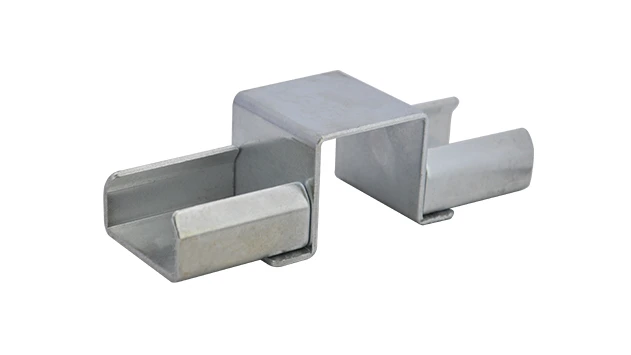
Roller Track Placon Mount for Rail Connection
For mounting roller rails, hook-in brackets are slid around the aluminum profile. The hook-in bracket is then clamped around the roller track.Depending on the solution you are looking for, there are various hook-in brackets that can be applied.
In the fast-paced world of manufacturing, where every second counts and efficiency is the name of the game, it's often the smallest components that make the biggest difference. Think about the last time you walked through a factory or warehouse—you probably noticed conveyor belts humming, workbenches lined with tools, and materials gliding smoothly from one station to the next. What you might not have seen is the unsung hero keeping all that movement coordinated: the roller track placon mount for rail connection. It's not the flashiest part of the production line, but without it, that seamless workflow you take for granted could quickly turn into a chaotic mess of jams, delays, and frustrated workers.
Whether you're deep into lean manufacturing or just starting to optimize your production processes, understanding how these small but critical components work can help you unlock new levels of efficiency. In this article, we're going to dive into everything you need to know about roller track placon mounts: what they are, how they function, why they matter in industries from 3C assembly to medical device manufacturing, and how they fit into the bigger picture of lean solutions and aluminum profile systems. Let's start by breaking down the basics.
Defining the Roller Track Placon Mount for Rail Connection
At its core, a roller track placon mount for rail connection is a specialized component designed to bridge the gap between roller tracks and supporting rails or aluminum profiles in material handling systems. If you think of a roller track as the highway for materials, then the placon mount is the sturdy foundation that keeps that highway securely attached to the "roadbed" (your aluminum profiles or conveyor frames). It's the (connector) that ensures the roller track stays aligned, stable, and capable of handling the constant flow of parts, components, or products moving across it.
But it's not just about holding things together—it's about precision. Imagine trying to build a bookshelf where the shelves aren't properly secured to the frame. The books would wobble, the shelves might sag, and eventually, the whole thing could collapse. Now scale that up to a manufacturing setting where delicate 3C components or heavy automotive parts are moving at speed. A poorly designed or low-quality placon mount could lead to misaligned roller tracks, causing parts to jam, get damaged, or even fall off the line. That's why these mounts are engineered with specific materials, shapes, and connection mechanisms to meet the unique demands of different industries and applications.
Most commonly made from high-grade aluminum (a material prized for its strength-to-weight ratio and resistance to corrosion), these mounts come in various configurations—flat, high, angled, or with specialized brackets—to fit different roller track types, rail sizes, and installation scenarios. Some are designed for quick, tool-free assembly, while others prioritize heavy-duty stability for high-load applications. No matter the design, their primary job remains the same: to create a reliable, repeatable connection that keeps your material flow consistent and your production line running like a well-oiled machine.
Core Structure: What Makes Up a Roller Track Placon Mount?
To really understand how a roller track placon mount works, let's take a closer look at its key components. While designs can vary slightly between manufacturers, most high-quality placon mounts share a few essential parts that work together to deliver stability, adjustability, and durability.
1. The Main Bracket (Body)
This is the backbone of the placon mount—the part that physically connects the roller track to the supporting rail or aluminum profile. Typically made from extruded aluminum or stamped steel (depending on load requirements), the main bracket is engineered to distribute weight evenly across the connection point. For example, a "flat" placon mount might have a low-profile bracket that sits flush against the aluminum profile, while a "high" mount would have a taller bracket to raise the roller track to a specific height, accommodating different conveyor layouts or workstation designs.
2. Connection Interfaces
On one end, you'll find the interface that attaches to the roller track—this might be a slot, a series of holes, or a specialized clamp that locks onto the track's frame. On the other end, there's the connection to the aluminum profile or rail, often using T-slot nuts, bolts, or snap-in mechanisms that align with the grooves in standard aluminum profiles (like 4040 or 3030 series). This dual-interface design is what makes placon mounts so versatile—they're the translators between two critical parts of your material handling system, ensuring they speak the same "language" of stability and alignment.
3. Adjustment Mechanisms
No manufacturing setup is perfect, and floors can be uneven, profiles might have slight variations, or you might need to tweak the angle of the roller track to optimize material flow. That's why many placon mounts include adjustment features—slotted holes for side-to-side alignment, threaded bolts for height adjustments, or swivel joints for angled connections. These small tweaks might seem minor, but they're essential for fine-tuning your system to run at peak efficiency.
4. Reinforcement Features
For heavy-duty applications—think automotive parts or large medical devices—the placon mount needs to stand up to constant stress. That's where reinforcements like ribbed sides, thicker gauge metal, or gusseted brackets come in. These features prevent the mount from bending or warping under load, ensuring it maintains its structural integrity even after years of use. It's like adding extra support beams to a bridge—the stronger the foundation, the more weight it can carry without failure.

Key Functions: Why This Component Matters in Material Handling
Now that we know what a roller track placon mount is and how it's built, let's explore the critical roles it plays in keeping your production line running smoothly. These functions might not be glamorous, but they directly impact your bottom line—from reducing downtime to improving worker safety and enabling lean manufacturing principles.
1. Ensuring Precise Alignment for Uninterrupted Flow
One of the biggest enemies of material handling efficiency is misalignment. Even a tiny gap or tilt in a roller track can cause parts to catch, jam, or slide off course. The placon mount's job is to eliminate that risk by locking the roller track into a precise position relative to the supporting rail or aluminum profile. For example, in a 3C assembly line where small circuit boards are moving between workstations, a misaligned track could scratch delicate components or disrupt the timing of automated pick-and-place machines. The placon mount acts as a guide, keeping everything straight and true so materials flow like water—no bottlenecks, no stops, just consistent movement.
2. Supporting Loads Without Compromise
Different applications demand different load capacities. A roller track carrying lightweight plastic parts in a medical device facility has very different needs than one moving heavy steel components in an automotive plant. Placon mounts are engineered to match these demands, with designs rated for specific weight limits (often ranging from a few kilograms to over 100kg per linear meter). The best mounts use high-strength aluminum or steel alloys that can handle these loads day in and day out without deforming, ensuring your material handling system remains reliable even during peak production times.
3. Enabling Quick, Tool-Free Installation and Reconfiguration
In today's manufacturing landscape, flexibility is key. Lean manufacturing principles emphasize the ability to adapt production lines quickly to changing product designs, order volumes, or workflow needs. Traditional mounting systems that require welding or complex bolting can slow down reconfigurations, eating into valuable time. Modern placon mounts, however, often feature tool-free or quick-connect designs—think snap-in brackets, thumb screws, or T-slot compatible hardware—that let workers adjust or relocate roller tracks in minutes, not hours. This agility is a game-changer for manufacturers looking to stay competitive in fast-moving industries like consumer electronics, where product cycles can be as short as a few months.
4. Compatibility Across Systems and Brands
Let's face it: most manufacturing facilities don't use a single brand for all their material handling components. You might have aluminum profiles from one supplier, roller tracks from another, and conveyors from a third. A good placon mount is designed to play well with others, featuring standardized connection points that work with common profile sizes (like 40mm x 40mm or 30mm x 60mm aluminum profiles) and roller track types (steel wheel, aluminum wheel, staggered, etc.). This compatibility eliminates the need for custom adapters or expensive system overhauls, making it easier to upgrade or expand your material handling setup without starting from scratch.
5. Resisting Wear, Corrosion, and Harsh Environments
Manufacturing floors can be tough places. Dust, oil, chemicals, and constant vibration can take a toll on equipment over time. Placon mounts are built to withstand these conditions, with features like anodized aluminum surfaces (to resist corrosion), powder-coated steel (for scratch resistance), or sealed fasteners (to keep out debris). In environments like food processing or medical device manufacturing, where cleanliness is critical, some mounts even come with smooth, easy-to-clean surfaces that won't harbor bacteria or contaminants. This durability means less time spent replacing worn components and more time focused on production.

Applications Across Industries: Where You'll Find Roller Track Placon Mounts in Action
Roller track placon mounts might be small, but their impact spans nearly every corner of the manufacturing world. From the sleek production lines of 3C assembly plants to the bustling warehouses of logistics companies, these components are hard at work keeping materials moving. Let's take a closer look at some key industries where they play a starring role.
1. 3C Assembly: Precision for Delicate Electronics
In 3C (Computer, Communication, Consumer Electronics) manufacturing, where components like smartphone motherboards or laptop screens are delicate and often tiny, precision is non-negotiable. Roller track placon mounts are used here to connect roller tracks on assembly workstations, ensuring that parts move smoothly from soldering stations to quality control without jostling or damage. For example, in a smartphone production line, a placon mount might secure a mini aluminum roller track that carries circuit boards between ESD workstations, where static electricity protection is critical. The mount's ability to maintain alignment prevents micro-scratches or component misalignment, which could render a device defective.
2. Automotive and Heavy Machinery: Handling the Heavy Lifting
Automotive plants are all about moving heavy parts—engine blocks, transmissions, door panels—across long distances. Here, placon mounts are used to secure robust steel roller tracks to large aluminum profiles or conveyor frames, supporting loads that can exceed hundreds of kilograms. In a truck assembly line, for instance, a placon mount with reinforced brackets might connect a 60 steel roller track to the main conveyor system, ensuring that axles or chassis components glide smoothly to the next workstation without sagging or shifting. The mount's durability is key here, as any failure could lead to costly delays or safety hazards.
3. Medical Device Manufacturing: Clean, Reliable Performance
Medical device manufacturing demands not just efficiency but also strict adherence to cleanliness and contamination control standards. Roller track placon mounts in this industry are often made from anodized aluminum with smooth, crevice-free designs that resist dust and are easy to sanitize. They're used in cleanrooms to connect roller tracks on lean workstations, where components like syringes, pacemakers, or surgical tools are assembled. For example, a plastic roller track guide rail (often in white or grey to avoid color transfer) mounted with placon brackets might carry sterile parts between inspection stations, ensuring that nothing disrupts the sterile environment or compromises product integrity.
4. Warehousing and Logistics: Streamlining Order Fulfillment
In warehouses and distribution centers, flow racks are the backbone of order picking and fulfillment. These racks use gravity-fed roller tracks to move boxes, totes, or packages from the back to the front, where workers can easily access them. Roller track placon mounts are critical here, as they secure the roller tracks to the flow rack's aluminum profiles, ensuring that the tracks remain sloped at the optimal angle for smooth, consistent movement. Imagine a busy e-commerce warehouse during peak season—if the placon mounts fail, the flow racks could jam, leading to delayed shipments and frustrated customers. By keeping the tracks stable and aligned, these mounts help warehouses keep up with the relentless pace of modern logistics.
| Industry | Common Roller Track Type | Placon Mount Key Feature | Primary Benefit |
|---|---|---|---|
| 3C Assembly | Mini Aluminum Roller Track (Yellow/Grey) | Precision alignment, ESD compatibility | Protects delicate electronics from damage |
| Automotive | 60 Steel Roller Track (Green/Yellow) | Reinforced brackets, high load capacity | Supports heavy parts without sagging |
| Medical Devices | Plastic Roller Track (White/Grey) | Smooth, easy-to-clean surface | Meets cleanroom contamination standards |
| Warehousing | 40 Steel Roller Track (Black/White Wheel) | Angle-adjustable design | Optimizes gravity flow for order picking |
Synergy with Other Components: Building a Complete Lean Solution
A roller track placon mount might be a small part, but it rarely works alone. In fact, its true value shines when it's integrated with other components in a lean material handling system—aluminum profiles, roller tracks, conveyors, workbenches, and more. Let's explore how these components work together to create a seamless, efficient workflow that embodies lean principles like "just-in-time" production and "continuous improvement."
Working Hand-in-Hand with Aluminum Profiles
Aluminum profiles are the "building blocks" of modern material handling systems—lightweight, strong, and infinitely configurable, they form the frames for everything from workbenches to conveyor supports. Roller track placon mounts are designed to fit perfectly into the T-slots of these profiles, using T-slot nuts and bolts to create a secure, tool-free connection. This synergy is what makes lean systems so flexible. Need to reconfigure your production line? Simply loosen the bolts, adjust the placon mounts to a new position on the aluminum profile, and tighten them back down. No welding, no drilling, no hassle. It's this adaptability that allows manufacturers to quickly respond to changing production needs, whether that's adding a new workstation or reallocating space for a new product line.
Integrating with Conveyor Systems for End-to-End Flow
Conveyors are the arteries of a manufacturing facility, moving materials from point A to point B over long distances. Roller track placon mounts play a key role in connecting shorter roller track sections to these larger conveyor systems, creating a continuous flow path. For example, in a consumer electronics plant, a belt conveyor might carry finished products to a packaging area, but before that, those products need to move from the assembly workbench to the conveyor. A roller track connected to the workbench with placon mounts bridges that gap, allowing products to slide smoothly onto the conveyor without manual lifting. This integration eliminates bottlenecks and reduces the need for workers to carry materials, cutting down on fatigue and human error.
Enhancing Workbench Functionality in Lean Workstations
Workbenches are the heart of any production line—they're where the actual assembly, inspection, or packaging happens. Many lean workstations incorporate built-in roller tracks to move parts directly to the worker, reducing reach and wasted motion. Roller track placon mounts secure these tracks to the workbench's aluminum profile frame, ensuring they're positioned at the optimal height and angle for the task at hand. For example, a Workbench E (single deck, without casters) in a 3C plant might have a roller track mounted along its edge, connected via placon mounts, so that circuit boards can be slid directly to the assembler without them having to stretch or turn. This not only speeds up work but also reduces the risk of repetitive strain injuries, making the workstation safer and more ergonomic.
Choosing the Right Roller Track Placon Mount: A Quick Guide
With so many different types of roller track placon mounts available—flat, high, angled, with stops, with wheels—it can be tough to know which one is right for your application. The good news is that by focusing on a few key factors, you can narrow down your options and select a mount that will perform reliably for years to come. Here's what to consider:
1. Load Capacity: Match the Mount to Your Materials
Start by calculating the maximum weight your roller track will need to support. This includes not just the weight of the materials but also any dynamic forces from movement (like parts sliding down a flow rack). Placon mounts are rated for specific load capacities, so check the manufacturer's specifications to ensure the mount can handle your needs. When in doubt, err on the side of a higher capacity—overloading a mount is a surefire way to cause failure and downtime.
2. Compatibility: Ensure It Fits Your Existing System
Not all placon mounts work with all roller tracks or aluminum profiles. Check the dimensions of your roller track (width, height, mounting hole spacing) and your aluminum profile (slot size, profile series) to ensure the mount is compatible. For example, a 40 roller track placon mount flat is designed for 40mm wide roller tracks and flat aluminum profiles, while a 40 roller track placon mount drop high is better for profiles that need a higher clearance. Mixing incompatible components can lead to poor alignment, instability, or even safety risks.
3. Environment: Consider Conditions Like Moisture, Dust, or ESD
The environment where the mount will be used matters too. In a damp or corrosive setting (like a food processing plant), look for placon mounts made from anodized aluminum or stainless steel to resist rust. In an ESD-sensitive environment (like 3C assembly), choose mounts with non-conductive coatings or materials to prevent static buildup. For cleanrooms, opt for mounts with smooth, crevice-free designs that are easy to sanitize. Ignoring environmental factors can shorten the mount's lifespan or compromise product quality.
4. Adjustability: Plan for Future Changes
Even the best-laid production plans can change, so it's wise to choose placon mounts that offer some adjustability. Look for features like slotted mounting holes (for side-to-side alignment), height-adjustable brackets, or swivel joints (for angled tracks). This flexibility will save you time and money down the line when you need to tweak your system to accommodate new products, higher volumes, or process improvements.
Maintaining Your Roller Track Placon Mounts: Tips for Longevity
Like any component in your material handling system, roller track placon mounts need regular maintenance to keep performing at their best. Neglecting them can lead to loosening, misalignment, or premature failure—all of which can disrupt your production line. The good news is that maintaining placon mounts is simple and doesn't require specialized tools or expertise. Here are a few easy tips to keep them in top shape:
1. Inspect Regularly for Loose Fasteners
Vibration is a constant in manufacturing settings, and over time, it can loosen the bolts or nuts holding your placon mounts in place. Make it a habit to inspect the mounts weekly (or monthly, depending on usage) and tighten any loose fasteners. A quick check with a wrench or screwdriver can prevent a small issue from turning into a major alignment problem. Pay extra attention to mounts in high-traffic areas or those supporting heavy loads—these are more likely to loosen faster.
2. Keep Them Clean and Free of Debris
Dust, oil, and debris can build up on placon mounts, especially in busy factories. This buildup can interfere with adjustment mechanisms or cause corrosion over time. Wipe down the mounts with a clean, dry cloth during your regular cleaning routine, and use a mild detergent if there's grease or oil. Avoid using harsh chemicals, as these can damage the mount's finish or weaken the materials. In dusty environments, consider using compressed air to blow out any debris from the T-slots or connection points.
3. Lubricate Moving Parts (If Applicable)
Some placon mounts have moving parts, like swivel joints or adjustable brackets, that benefit from occasional lubrication. Use a light machine oil or silicone spray to keep these parts moving smoothly, but be careful not to overdo it—excess lubricant can attract dust and create a mess. Check the manufacturer's recommendations for lubrication frequency and type, as some materials (like plastic components) may not require lubrication at all.
4. replace Worn or Damaged Mounts Promptly
Even with proper maintenance, placon mounts will eventually wear out. Signs of wear include bent brackets, cracked plastic components, stripped threads, or excessive play in the connection. If you notice any of these issues, replace the mount immediately. Waiting can lead to misalignment, jams, or even safety hazards (like a roller track detaching from the profile). Keep a few spare mounts on hand so you can make replacements quickly without disrupting production.
Why Quality Matters: Choosing a Reliable Supplier for Your Roller Track Placon Mounts
When it comes to roller track placon mounts, not all products are created equal. A cheap, poorly made mount might save you a few dollars upfront, but it could cost you far more in downtime, repairs, and lost productivity down the line. That's why choosing a reliable supplier is just as important as selecting the right mount for your application. Here's what to look for in a supplier:
1. Commitment to Material Quality and Manufacturing Standards
High-quality placon mounts start with high-quality materials. Look for suppliers who use premium aluminum alloys (like 6063-T5) or cold-rolled steel, which offer the perfect balance of strength, weight, and corrosion resistance. They should also adhere to strict manufacturing standards—precision machining to ensure consistent dimensions, anodizing or powder-coating for durability, and rigorous testing to verify load capacities. A supplier who can provide material certificates or test reports is a good sign they take quality seriously.
2. Customization Capabilities for Unique Needs
No two manufacturing facilities are exactly alike, and sometimes off-the-shelf placon mounts won't fit your specific setup. A good supplier should offer customization options—whether that's modifying the bracket size, adding special coatings for ESD protection, or designing a completely new mount for a unique application. This flexibility is especially important for lean solution providers who need to tailor systems to their clients' exact requirements, from 3C assembly lines to medical device cleanrooms.
3. Technical Support and Expertise
Even the most experienced manufacturers can run into questions when selecting or installing placon mounts. A reliable supplier should have a team of technical experts who can help you choose the right product, provide installation guidance, or troubleshoot issues. Look for suppliers who offer phone or email support, detailed product documentation, or even on-site assistance if needed. This level of support can save you hours of frustration and ensure your material handling system performs as expected.
4. Consistent Availability and Fast Lead Times
In manufacturing, downtime is expensive. The last thing you need is to wait weeks for a replacement placon mount to arrive. Choose a supplier with a large inventory of standard mounts and the ability to fulfill orders quickly. Many reputable suppliers offer same-day or next-day shipping for in-stock items, ensuring you can get back up and running fast if a mount fails. For custom orders, ask about lead times upfront and make sure they align with your production schedule.
Wrapping Up: The Unsung Hero of Lean Material Handling
As we've explored, the roller track placon mount for rail connection might not be the most glamorous component in your manufacturing facility, but it's undoubtedly one of the most critical. From ensuring precise alignment and supporting heavy loads to enabling flexible, lean workflows, these small brackets play a big role in keeping your production line running smoothly, safely, and efficiently. Whether you're building a new system from scratch or upgrading an existing one, taking the time to understand, select, and maintain the right placon mounts can make a world of difference in your bottom line.
So the next time you walk through your factory or warehouse, take a moment to appreciate the unsung heroes holding it all together. And remember: in the world of lean manufacturing, success lies in the details. By choosing high-quality placon mounts, integrating them seamlessly with your aluminum profiles and conveyor systems, and keeping them well-maintained, you're not just investing in a component—you're investing in the efficiency, flexibility, and future of your business.
Here's to smoother workflows, fewer jams, and more productive days ahead—one placon mount at a time.