- Company Articles
- Products and Technology
- Product knowledge
- What Is a Saddle Pipe Clamp? Definition, Types & Core Functions in Manufacturing

What Is a Saddle Pipe Clamp? Definition, Types & Core Functions in Manufacturing
Related Product
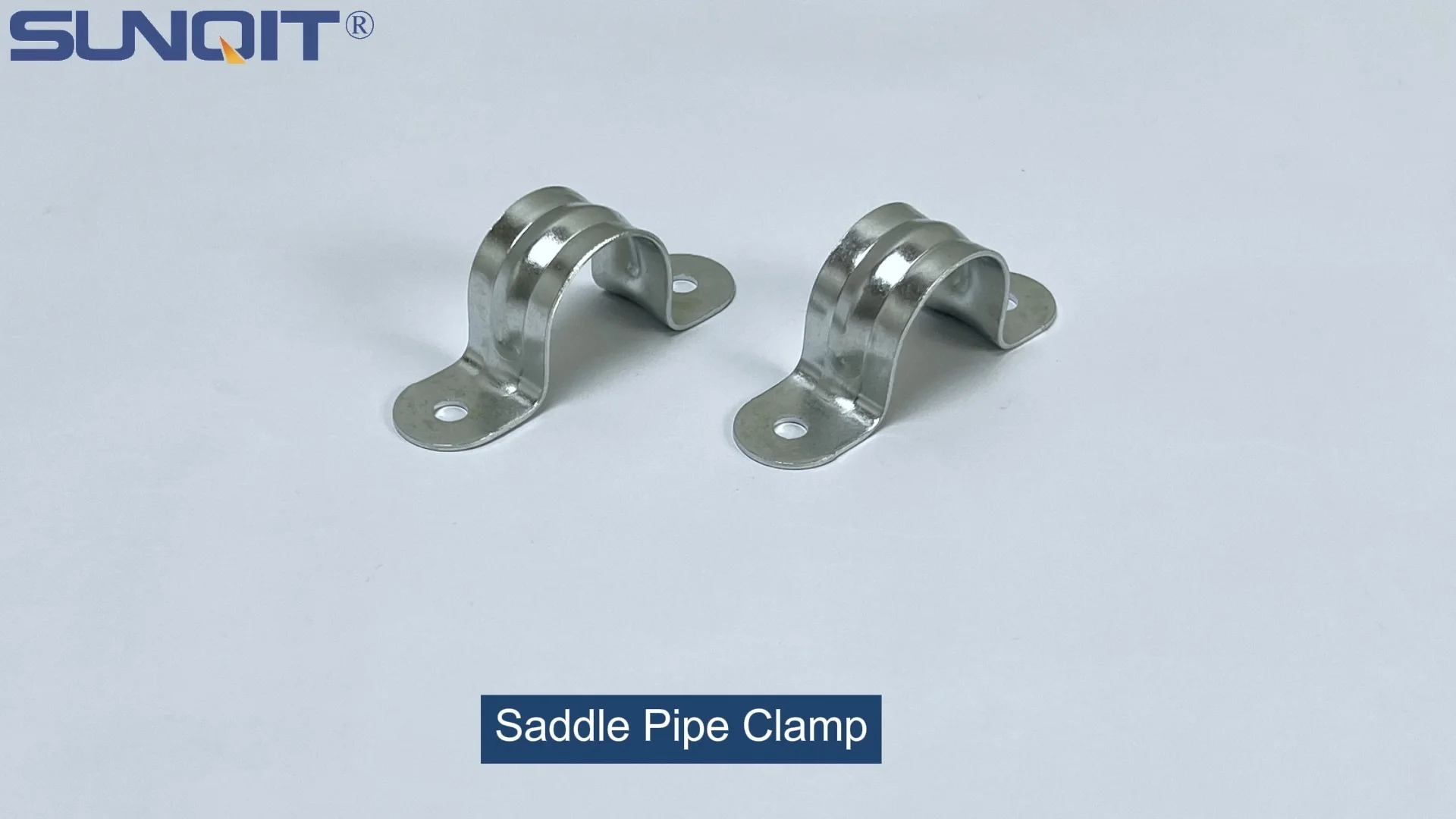
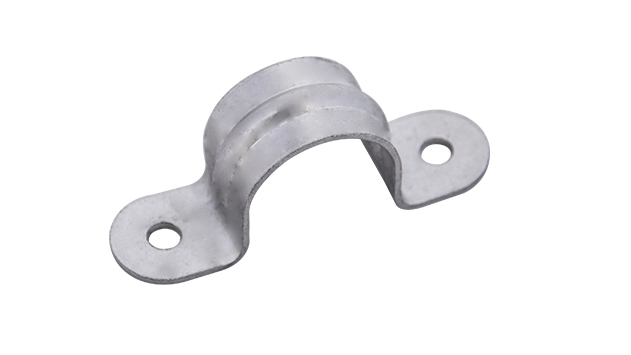
Saddle Pipe Clamp
Saddle pipe clamp, used for board connect with pipe, usually for table top installation.
Introduction: The Unsung Hero of Factory Floors
Walk into any bustling manufacturing facility, and your eyes might be drawn to the high-tech machinery, the rhythmic hum of assembly lines, or the teams of workers collaborating to build everything from electronics to automotive parts. But if you look closer—at the workbenches where components are assembled, the flow racks carrying materials, or the conveyors moving products from station to station—you'll notice something small but mighty holding it all together: the saddle pipe clamp. These unassuming devices are the backbone of flexible, efficient manufacturing setups, quietly ensuring that pipes, tubes, and profiles stay securely in place while adapting to the ever-changing needs of lean production. In this article, we'll dive into what saddle pipe clamps are, the different types available, and why they're indispensable in modern manufacturing.
Defining the Saddle Pipe Clamp: More Than Just a "Clamp"
At its core, a saddle pipe clamp is a mechanical device designed to secure pipes, tubes, or profiles to a fixed surface (like a workbench frame) or to another structural component (such as a lean pipe in a modular system). What sets it apart from generic clamps is its "saddle" shape—a curved, U-like design that conforms to the outer diameter of a pipe, distributing pressure evenly to prevent damage while creating a tight, stable hold. Think of it as a custom-fitted seat for your pipe: just as a well-designed saddle keeps a rider secure on a horse, a saddle pipe clamp keeps your pipe firmly in place, even when vibrations, movement, or heavy loads are involved.
But saddle pipe clamps aren't one-trick ponies. They're engineered to balance three key needs: strength, adjustability, and compatibility. In manufacturing, where production lines are reconfigured, workbenches are modified, and materials are swapped out regularly, a clamp that can be easily installed, adjusted, or removed is worth its weight in efficiency. That's why you'll find saddle pipe clamps in everything from lightweight aluminum pipe workstations to heavy-duty steel conveyor frames—they're the silent enablers of lean manufacturing's "adapt or thrive" philosophy.
Types of Saddle Pipe Clamps: Finding the Right Fit for Every Job
Not all saddle pipe clamps are created equal. Just as a carpenter wouldn't use a hammer to tighten a screw, manufacturers need clamps tailored to their specific pipes, loads, and environments. Let's break down the most common types, categorized by material, design, and use case.
1. By Material: Matching Durability to the Environment
Steel Saddle Pipe Clamps: The workhorses of the bunch, steel clamps are built for strength. Made from carbon steel or stainless steel (for corrosion resistance), they're ideal for heavy-duty applications—think securing thick lean pipe frames on assembly lines or anchoring conveyor rollers in factories with high moisture or chemicals. Stainless steel variants are especially popular in food processing or pharmaceutical facilities, where hygiene and rust resistance are non-negotiable.
Aluminum Saddle Pipe Clamps: When weight and flexibility matter more than raw strength, aluminum clamps shine. Lightweight and corrosion-resistant, they pair perfectly with aluminum pipe systems, common in electronics manufacturing or cleanrooms where minimizing weight (for easy reconfiguration) and avoiding contamination are key. Aluminum clamps are also easier to handle during setup, reducing worker fatigue during frequent adjustments.
Plastic Saddle Pipe Clamps: The budget-friendly, lightweight option. Made from nylon or polypropylene, plastic clamps are best for light-duty tasks—like securing small-diameter tubes on workbench shelves or temporary storage racks. They're non-conductive (great for electronics) and won't scratch delicate surfaces, but they're not built for heavy loads or high temperatures.
2. By Design: Fixed vs. Adjustable
Fixed Saddle Clamps: As the name suggests, these clamps have a set diameter, designed to fit one specific pipe size. They're simple, affordable, and offer a rock-solid hold when you don't need to change pipe sizes often. For example, a fixed steel clamp might be used to secure a permanent lean pipe joint in a long-term production line setup.
Adjustable Saddle Clamps: The chameleons of the clamp world. These feature a sliding or hinged design that lets you adjust the diameter to fit different pipe sizes (e.g., from 20mm to 30mm). They're a favorite in lean manufacturing, where teams might switch between aluminum pipe and traditional lean pipe based on the project. Adjustable clamps often use bolts or levers to tighten, making on-the-fly adjustments quick and tool-friendly.
3. By Application: Light-Duty vs. Heavy-Duty
Light-Duty: These are the "everyday" clamps, used for securing pipes carrying lightweight materials—like small parts bins on a workbench or guide rails for hand tools. They're often plastic or thin-gauge aluminum and can be installed with just a screwdriver.
Heavy-Duty: Built for the big jobs. Heavy-duty clamps (usually steel) handle loads over 50kg, like supporting conveyor belts, large flow rack structures, or pipes carrying heavy machinery components. They often have reinforced saddles and extra bolts for added stability.
Real-World Example:
Maria, a production supervisor at an electronics plant, needed to reconfigure her team's assembly line to accommodate a new smartphone model. The old setup used fixed steel clamps, which took hours to remove and replace. By switching to adjustable aluminum saddle clamps, her team could loosen the bolts, swap out the smaller
aluminum pipe
for a larger diameter, and retighten—all in under 30 minutes. "It used to take half a day to rework the line," she says. "Now we can adapt on the fly, which keeps our production targets on track."

Core Functions: Why Saddle Pipe Clamps Matter in Manufacturing
At first glance, a saddle pipe clamp might seem like a simple tool—"it just holds pipes, right?" But in the context of manufacturing, its role is far more critical. Let's unpack the core functions that make these clamps indispensable.
1. Securing Pipes with Precision
The most obvious function, but one that can't be overstated: saddle pipe clamps keep pipes from moving. In a factory, even a small shift in a lean pipe frame can throw off assembly alignment, slow down production, or even damage products. The saddle design ensures that pressure is distributed evenly around the pipe, preventing dents or cracks while creating a friction fit that resists sliding, twisting, or vibrating loose. This is especially important for conveyor systems, where constant motion could easily dislodge unsecured pipes.
2. Enabling Lean Manufacturing Flexibility
Lean manufacturing is all about eliminating waste—including the waste of time spent reconfiguring workspaces. Saddle pipe clamps excel here. Unlike welded joints or permanent fasteners, they can be installed, adjusted, or removed in minutes, allowing teams to redesign workbench layouts, expand flow rack systems, or repurpose aluminum pipe frames for new projects. This flexibility is a game-changer for small-batch production or facilities that handle multiple product lines.
3. Compatibility Across Pipe Types
Modern factories rarely stick to one type of pipe. You might find traditional steel lean pipes, lightweight aluminum pipe , and even plastic tubes all in the same workspace. Saddle pipe clamps are designed to work across this diversity. Adjustable models can grip everything from 10mm plastic tubes to 50mm steel pipes, while material-specific clamps (like aluminum for aluminum pipes) ensure a perfect match without galvanic corrosion (a common issue when dissimilar metals touch).
4. Protecting Pipes and Workers
A poorly secured pipe isn't just inefficient—it's dangerous. Loose pipes can fall, causing injuries or damage to equipment. Saddle clamps mitigate this risk by locking pipes in place, even under stress. Additionally, their smooth, curved design reduces sharp edges, lowering the chance of cuts or scrapes during installation. For workers who assemble or adjust lean pipe structures daily, this safety feature is as important as the clamp's holding power.

How Saddle Pipe Clamps Fit Into Your Manufacturing Ecosystem
To truly appreciate saddle pipe clamps, it helps to see them in action within a typical manufacturing setup. Let's walk through a few common scenarios where these clamps play a starring role.
1. Building Custom Workbenches
Workbenches are the heart of any assembly line, and most modern ones are built using modular lean pipe or aluminum pipe frames. Saddle pipe clamps are used to attach shelves, tool holders, or even caster wheel bases (for mobile workbenches). For example, a worker might use adjustable aluminum clamps to mount a keyboard tray under the bench, then reposition it later if a taller operator needs to use the station. The clamps ensure the tray stays level and secure, even when the bench is moved (thanks to those caster wheel s!).
2. Assembling Flow Racks and Conveyors
Flow racks—used to store and transport materials from one workstation to the next—rely on inclined roller tracks to let gravity move items smoothly. Saddle pipe clamps secure these roller tracks to the rack's vertical aluminum pipe supports. By adjusting the clamps' position, workers can tweak the track's angle to control how fast items flow, preventing jams or damage to delicate parts. Similarly, in conveyor systems, clamps anchor the conveyor's frame to the factory floor or overhead beams, ensuring stability even when moving heavy loads.
3. Temporary and Seasonal Setups
Many factories have seasonal spikes (e.g., holiday production for electronics) or one-off projects (like prototyping a new product). Saddle pipe clamps make it easy to build temporary structures—think extra storage racks or pop-up assembly stations—that can be disassembled and stored when not needed. Unlike permanent welds, clamps leave no marks, so pipes can be reused for future projects.
Choosing the Right Saddle Pipe Clamp: A Quick Guide
With so many types available, how do you pick the right clamp for your needs? Here's a step-by-step checklist to narrow it down:
- Know Your Pipe: What material is your pipe (steel, aluminum, plastic)? What's its diameter? A clamp that's too small will crack the pipe; too large won't hold it.
- Estimate the Load: How much weight will the pipe carry? A light-duty plastic clamp won't cut it for a heavy lean pipe joint —opt for steel or aluminum instead.
- Consider the Environment: Is the area wet (use stainless steel), dusty (plastic or aluminum), or prone to temperature swings (avoid plastic, which can warp)?
- Think About Adjustments: Will you need to reposition the pipe often? Go for an adjustable clamp. If it's a permanent setup, fixed clamps are cheaper and more secure.
- Check Compatibility: If you're using existing lean pipe or aluminum pipe accessories (like joints or brackets), ensure the clamp fits the system's design.
| Clamp Type | Material | Best For | Load Capacity | Key Benefit |
|---|---|---|---|---|
| Fixed Steel | Carbon Steel | Permanent heavy-duty setups (conveyor frames) | Up to 200kg | Maximum strength and durability |
| Adjustable Aluminum | Aluminum Alloy | Aluminum pipe workbenches, flow racks | Up to 50kg | Lightweight and easy to reconfigure |
| Plastic Fixed | Nylon | Light-duty shelves, electronics workbenches | Up to 10kg | Non-conductive and budget-friendly |
| Stainless Steel Adjustable | Stainless Steel | Wet environments (food processing, cleanrooms) | Up to 100kg | Corrosion-resistant and adjustable |
Conclusion: Small Clamps, Big Impact
Saddle pipe clamps may not grab headlines like the latest robotic arm or AI-powered quality control system, but they're the unsung heroes that keep manufacturing floors running smoothly. By securing pipes, enabling flexibility, and adapting to changing needs, these small devices play a huge role in making lean manufacturing possible. Whether you're building a workbench with aluminum pipe , setting up a flow rack with roller tracks, or mounting a conveyor system, the right saddle pipe clamp ensures your setup is safe, efficient, and ready to evolve. So the next time you walk through a factory, take a moment to appreciate these quiet workhorses—they're proof that even the smallest tools can make the biggest difference.