- Company Articles
- Products and Technology
- Product knowledge
- What Is a Suction Cup Anti-Slip Foot Adjuster? Definition & Core Functions

What Is a Suction Cup Anti-Slip Foot Adjuster? Definition & Core Functions
Related Product
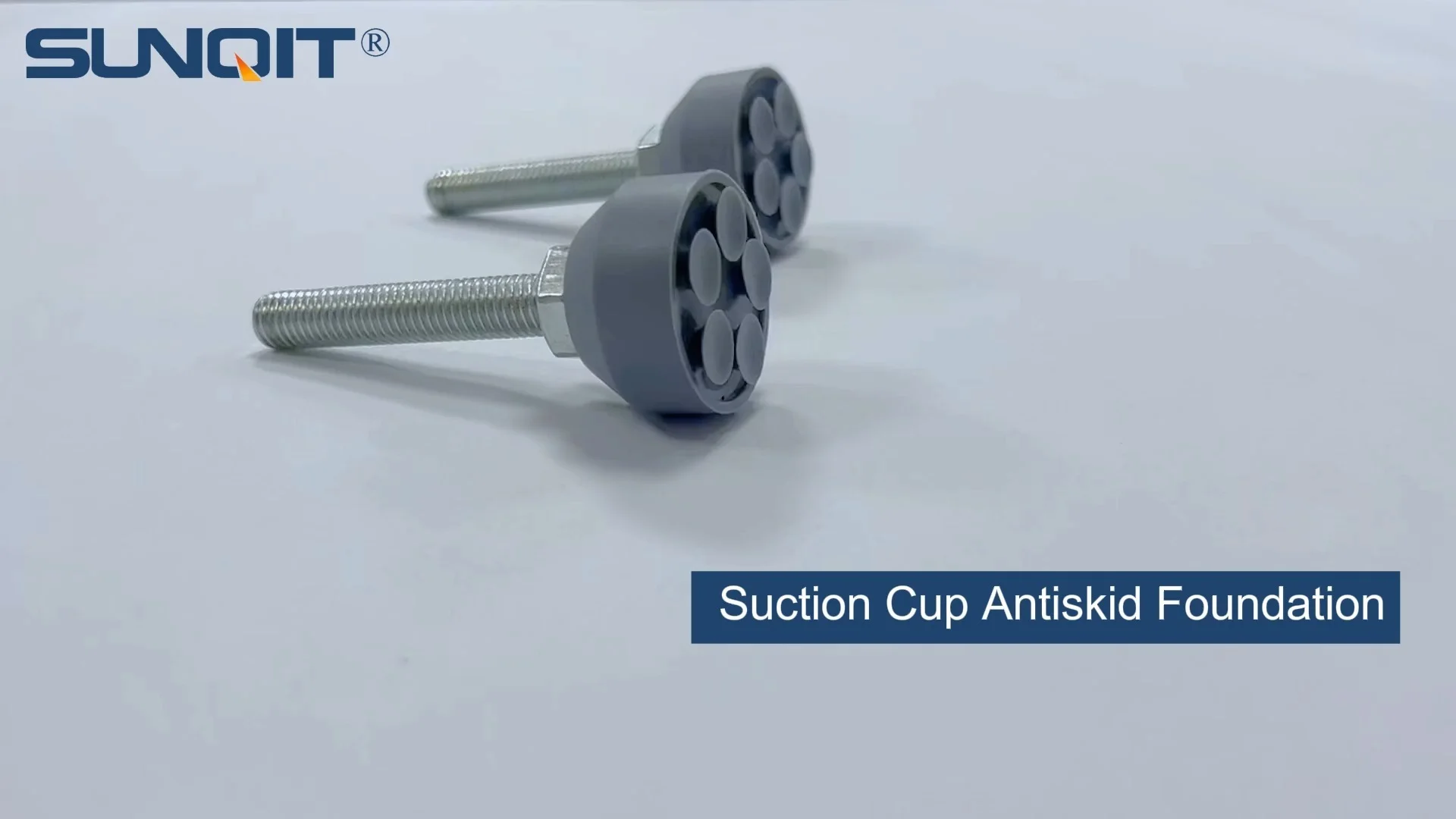
Suction Cup Anti-slip Foot Adjuster
D=35mm suction cup anti-slip foot adjusterï¼screw M10*55ï¼with a blot, used for workbench, flowrack pipe contact with groud.
Introduction: The Unsung Hero of Stable Workspaces
Walk into any workshop, factory floor, or even a home garage, and you'll likely spot workbenches, tool carts, or assembly stations hard at work. These surfaces are the backbone of productivity—holding everything from delicate circuit boards to heavy machinery parts. But here's a quiet problem that plagues many of these setups: instability. A slight nudge, a uneven floor, or even the vibration of nearby equipment can send tools sliding, components tipping, or entire workbenches wobbling. Over time, this isn't just annoying—it's a recipe for mistakes, wasted time, and even safety hazards.
Enter the suction cup anti-slip foot adjuster. It's not the flashiest tool in the shed, nor does it get the same attention as high-tech machinery or sleek aluminum profiles. But for anyone who values precision, safety, and efficiency, this small component is nothing short of a game-changer. Think of it as the "steady hand" of your workspace—quietly ensuring that your equipment stays put, your surfaces stay level, and your workflow stays uninterrupted.
In this article, we'll dive deep into what a suction cup anti-slip foot adjuster is, how it works, and why it matters. Whether you're setting up a lean pipe workbench in a manufacturing plant, building a custom workstation with aluminum profiles, or simply want to keep your garage tools from sliding, understanding this unassuming device will help you create a more stable, productive environment. We'll also compare it to other common solutions like caster wheels and standard adjustable leveling feet, so you can decide if it's the right fit for your needs.
Enter the suction cup anti-slip foot adjuster. It's not the flashiest tool in the shed, nor does it get the same attention as high-tech machinery or sleek aluminum profiles. But for anyone who values precision, safety, and efficiency, this small component is nothing short of a game-changer. Think of it as the "steady hand" of your workspace—quietly ensuring that your equipment stays put, your surfaces stay level, and your workflow stays uninterrupted.
In this article, we'll dive deep into what a suction cup anti-slip foot adjuster is, how it works, and why it matters. Whether you're setting up a lean pipe workbench in a manufacturing plant, building a custom workstation with aluminum profiles, or simply want to keep your garage tools from sliding, understanding this unassuming device will help you create a more stable, productive environment. We'll also compare it to other common solutions like caster wheels and standard adjustable leveling feet, so you can decide if it's the right fit for your needs.
Definition: What Exactly Is a Suction Cup Anti-Slip Foot Adjuster?
Let's start with the basics. A suction cup anti-slip foot adjuster is a specialized component designed to be attached to the bottom of equipment, furniture, or workstations. Its primary job? To keep that equipment stable, level, and firmly grounded—even on less-than-perfect surfaces. But what sets it apart from other types of feet or stabilizers? Two key features: the
suction cup base
and the
adjustable height mechanism
.
At its core, the device has three main parts:
1. The Stem : Typically made of metal (like steel or aluminum) or durable plastic, this is the "adjustable" part. It screws into the base of the equipment and can be twisted up or down to raise or lower the height of that corner of the equipment.
2. The Suction Cup : Attached to the bottom of the stem, this is the "anti-slip" hero. Usually made of rubber or a high-friction polymer, the suction cup creates a tight seal with the floor surface. When pressed down, it expels air, creating a vacuum that grips the floor—preventing sliding, shifting, or wobbling.
3. The Base Plate (Optional) : Some models include a small metal or plastic plate between the stem and the suction cup, adding extra stability and distributing weight more evenly.
Unlike standard adjustable leveling feet (which often have a flat or rubber pad), the suction cup design takes grip to the next level. It's not just about "resting" on the floor—it's about "sticking" to it, even when vibrations or minor impacts occur. And unlike caster wheels (which are all about mobility), the suction cup foot adjuster is strictly for stationary stability. It's the perfect middle ground for equipment that needs to stay put but also needs to be leveled on uneven floors.
At its core, the device has three main parts:
1. The Stem : Typically made of metal (like steel or aluminum) or durable plastic, this is the "adjustable" part. It screws into the base of the equipment and can be twisted up or down to raise or lower the height of that corner of the equipment.
2. The Suction Cup : Attached to the bottom of the stem, this is the "anti-slip" hero. Usually made of rubber or a high-friction polymer, the suction cup creates a tight seal with the floor surface. When pressed down, it expels air, creating a vacuum that grips the floor—preventing sliding, shifting, or wobbling.
3. The Base Plate (Optional) : Some models include a small metal or plastic plate between the stem and the suction cup, adding extra stability and distributing weight more evenly.
Unlike standard adjustable leveling feet (which often have a flat or rubber pad), the suction cup design takes grip to the next level. It's not just about "resting" on the floor—it's about "sticking" to it, even when vibrations or minor impacts occur. And unlike caster wheels (which are all about mobility), the suction cup foot adjuster is strictly for stationary stability. It's the perfect middle ground for equipment that needs to stay put but also needs to be leveled on uneven floors.

Core Functions: What Does It Actually Do?
Now that we know what it is, let's break down the key functions that make the suction cup anti-slip foot adjuster so valuable. It's not just a "one-trick pony"—it pulls double (and triple!) duty to solve common workspace headaches.
1. Anti-Slip Grip: No More Sliding
The most obvious function is right there in the name: anti-slip . The suction cup base is designed to create a strong bond with the floor. Whether the surface is concrete, tile, wood, or even smooth industrial flooring, the rubber suction cup conforms to minor imperfections, expels air, and locks in place. This is especially critical in high-traffic areas or environments with vibrations (like near machinery or conveyor belts). Imagine a lean pipe workbench holding a batch of sensitive electronic components—without a secure grip, a passing forklift or a bump from an employee could send those components crashing to the floor. The suction cup prevents that.
2. Height Adjustment: Leveling the Playing Field
Few floors are perfectly flat—especially in older factories or workshops. A slight dip here, a small bump there, and suddenly your workbench is rocking like a boat. The adjustable stem solves this. By twisting the stem, you can raise or lower individual feet to compensate for uneven floors, ensuring the entire surface is level. Why does this matter? A level workbench reduces eye strain (no tilting your head to read measurements), prevents tools from rolling off, and even extends the life of equipment by reducing uneven wear and tear. For example, an aluminum profile workstation used for assembly line tasks needs to be perfectly level to ensure parts move smoothly along roller tracks—otherwise, jams and delays become inevitable.
3. Stability: Reducing Wobble and Vibration
Even on flat floors, equipment can wobble due to imbalanced loads or nearby vibrations. The suction cup foot adjuster adds a layer of stability by anchoring the equipment to the floor. The vacuum seal dampens small movements, so your workbench feels solid under pressure—whether you're hammering, drilling, or assembling delicate parts. This stability isn't just about comfort; it's about precision. In tasks like soldering or 3D printing, even a tiny wobble can ruin a project.
4. Surface Protection: Gentle on Floors
Metal feet or hard plastic pads can scratch or dent floors over time, especially with heavy equipment. The rubber suction cup is soft enough to avoid damaging surfaces but tough enough to handle weight. This makes the foot adjuster ideal for use on polished concrete, hardwood, or even epoxy-coated floors where preserving the surface finish matters.
1. Anti-Slip Grip: No More Sliding
The most obvious function is right there in the name: anti-slip . The suction cup base is designed to create a strong bond with the floor. Whether the surface is concrete, tile, wood, or even smooth industrial flooring, the rubber suction cup conforms to minor imperfections, expels air, and locks in place. This is especially critical in high-traffic areas or environments with vibrations (like near machinery or conveyor belts). Imagine a lean pipe workbench holding a batch of sensitive electronic components—without a secure grip, a passing forklift or a bump from an employee could send those components crashing to the floor. The suction cup prevents that.
2. Height Adjustment: Leveling the Playing Field
Few floors are perfectly flat—especially in older factories or workshops. A slight dip here, a small bump there, and suddenly your workbench is rocking like a boat. The adjustable stem solves this. By twisting the stem, you can raise or lower individual feet to compensate for uneven floors, ensuring the entire surface is level. Why does this matter? A level workbench reduces eye strain (no tilting your head to read measurements), prevents tools from rolling off, and even extends the life of equipment by reducing uneven wear and tear. For example, an aluminum profile workstation used for assembly line tasks needs to be perfectly level to ensure parts move smoothly along roller tracks—otherwise, jams and delays become inevitable.
3. Stability: Reducing Wobble and Vibration
Even on flat floors, equipment can wobble due to imbalanced loads or nearby vibrations. The suction cup foot adjuster adds a layer of stability by anchoring the equipment to the floor. The vacuum seal dampens small movements, so your workbench feels solid under pressure—whether you're hammering, drilling, or assembling delicate parts. This stability isn't just about comfort; it's about precision. In tasks like soldering or 3D printing, even a tiny wobble can ruin a project.
4. Surface Protection: Gentle on Floors
Metal feet or hard plastic pads can scratch or dent floors over time, especially with heavy equipment. The rubber suction cup is soft enough to avoid damaging surfaces but tough enough to handle weight. This makes the foot adjuster ideal for use on polished concrete, hardwood, or even epoxy-coated floors where preserving the surface finish matters.

How It Works: The Science Behind the Grip
You might be wondering: How exactly does that little suction cup keep a heavy workbench from moving? It all comes down to basic physics—specifically, atmospheric pressure. Let's break it down step by step:
Step 1: Attachment
First, the foot adjuster is screwed into the bottom of the equipment (like the legs of a lean pipe workbench). The stem is adjusted so that the suction cup makes contact with the floor. At this point, the cup is just resting on the surface—no vacuum yet.
Step 2: Weight and Pressure
As the equipment's weight bears down on the foot adjuster, the suction cup is pressed against the floor. This pressure squeezes air out from under the cup, reducing the amount of air (and thus the pressure) between the cup and the floor. Meanwhile, the air pressure outside the cup (atmospheric pressure) remains the same.
Step 3: Vacuum Seal
With less air under the cup, the higher atmospheric pressure outside pushes down on the cup, creating a tight seal. This is the "suction" effect. The rubber material of the cup is flexible, so it conforms to small bumps or grooves in the floor, ensuring no air leaks back in. The result? A strong, temporary bond between the foot adjuster and the floor.
Step 4: Release (When Needed)
If you need to move the equipment, simply lift that corner slightly. Lifting breaks the vacuum seal, allowing air to flow back under the cup, and the foot adjuster releases its grip. No tools required—just a gentle lift.
This process works best on smooth, non-porous surfaces (like concrete, tile, or metal). On porous surfaces (like wood with deep grain or carpet), the suction cup may not seal as effectively, since air can leak through the pores. For those surfaces, some models include a textured rubber pad instead of a full suction cup, still offering extra grip without relying on a vacuum.
Step 1: Attachment
First, the foot adjuster is screwed into the bottom of the equipment (like the legs of a lean pipe workbench). The stem is adjusted so that the suction cup makes contact with the floor. At this point, the cup is just resting on the surface—no vacuum yet.
Step 2: Weight and Pressure
As the equipment's weight bears down on the foot adjuster, the suction cup is pressed against the floor. This pressure squeezes air out from under the cup, reducing the amount of air (and thus the pressure) between the cup and the floor. Meanwhile, the air pressure outside the cup (atmospheric pressure) remains the same.
Step 3: Vacuum Seal
With less air under the cup, the higher atmospheric pressure outside pushes down on the cup, creating a tight seal. This is the "suction" effect. The rubber material of the cup is flexible, so it conforms to small bumps or grooves in the floor, ensuring no air leaks back in. The result? A strong, temporary bond between the foot adjuster and the floor.
Step 4: Release (When Needed)
If you need to move the equipment, simply lift that corner slightly. Lifting breaks the vacuum seal, allowing air to flow back under the cup, and the foot adjuster releases its grip. No tools required—just a gentle lift.
This process works best on smooth, non-porous surfaces (like concrete, tile, or metal). On porous surfaces (like wood with deep grain or carpet), the suction cup may not seal as effectively, since air can leak through the pores. For those surfaces, some models include a textured rubber pad instead of a full suction cup, still offering extra grip without relying on a vacuum.

Materials Matter: What Are They Made Of?
The performance of a suction cup anti-slip foot adjuster depends largely on the materials used. Manufacturers choose materials based on durability, weight capacity, and the environments they'll be used in. Here's a closer look at the most common materials:
Suction Cup Material: Rubber and Polymers
The star of the show is the suction cup, and it's almost always made of rubber or a synthetic polymer (like nitrile or silicone). Rubber is ideal because it's flexible (to conform to surfaces), durable (to withstand weight and wear), and has high friction (to prevent slipping even without a vacuum). Some cups are reinforced with fabric or fibers to add strength, especially for heavy-duty applications. For example, a foot adjuster used on a metalworking bench might have a thicker, more rugged rubber cup than one used on a lightweight aluminum profile workstation.
Stem Material: Metal or Plastic
The stem is the adjustable part, so it needs to be strong enough to support weight without bending. Metal stems (steel or aluminum) are common for heavy equipment—they're strong, corrosion-resistant (especially if coated or made of stainless steel), and can handle higher weight capacities (often up to 500 lbs per foot or more). Plastic stems (like nylon or polypropylene) are lighter and more affordable, making them a good choice for lighter equipment, such as small tool carts or home workbenches.
Base Plate (If Included): Metal or Reinforced Plastic
Base plates add stability by distributing the equipment's weight over a larger area. They're usually made of steel (for heavy duty) or reinforced plastic (for lightweight use). Some plates have a textured bottom to add extra grip, even if the suction cup loses its seal temporarily.
Suction Cup Material: Rubber and Polymers
The star of the show is the suction cup, and it's almost always made of rubber or a synthetic polymer (like nitrile or silicone). Rubber is ideal because it's flexible (to conform to surfaces), durable (to withstand weight and wear), and has high friction (to prevent slipping even without a vacuum). Some cups are reinforced with fabric or fibers to add strength, especially for heavy-duty applications. For example, a foot adjuster used on a metalworking bench might have a thicker, more rugged rubber cup than one used on a lightweight aluminum profile workstation.
Stem Material: Metal or Plastic
The stem is the adjustable part, so it needs to be strong enough to support weight without bending. Metal stems (steel or aluminum) are common for heavy equipment—they're strong, corrosion-resistant (especially if coated or made of stainless steel), and can handle higher weight capacities (often up to 500 lbs per foot or more). Plastic stems (like nylon or polypropylene) are lighter and more affordable, making them a good choice for lighter equipment, such as small tool carts or home workbenches.
Base Plate (If Included): Metal or Reinforced Plastic
Base plates add stability by distributing the equipment's weight over a larger area. They're usually made of steel (for heavy duty) or reinforced plastic (for lightweight use). Some plates have a textured bottom to add extra grip, even if the suction cup loses its seal temporarily.
Where to Use It: Common Applications
Suction cup anti-slip foot adjusters are versatile, but they shine in specific environments where stability and grip are non-negotiable. Here are some of the most common places you'll find them:
Lean Pipe Workbenches and Stations
Lean pipe workbenches (often built with aluminum or steel pipes and joints) are a staple in manufacturing and assembly lines. They're designed for flexibility, but that flexibility can sometimes lead to wobbling—especially when loaded with tools or parts. Adding suction cup foot adjusters ensures the workbench stays steady, even during repetitive tasks like screwing or sorting. In lean manufacturing setups, where efficiency is key, a stable workbench reduces errors and keeps the workflow moving.
Aluminum Profile Workstations
Aluminum profiles are popular for building custom workstations, shelving, and machine guards because they're lightweight and easy to assemble. However, their lightweight nature can make them prone to shifting. Suction cup foot adjusters add the stability needed for tasks like electronics assembly, where precision is critical. They're also easy to install on aluminum profiles—just drill a hole, screw in the stem, and adjust.
Medical and Laboratory Equipment
In labs and clinics, equipment like microscopes, centrifuges, or test tube racks can't afford to slide or wobble. Even a tiny movement could ruin a sample or compromise a test result. Suction cup foot adjusters provide the stability needed in these high-precision environments, and their non-slip grip works well on the smooth, often sanitized floors common in medical settings.
Home Workshops and Garages
Hobbyists and DIYers aren't left out. A garage workbench used for woodworking, automotive repairs, or crafting can benefit from suction cup feet. They keep the bench from sliding when you're using power tools, and the height adjustment helps level the bench on uneven concrete floors. Plus, they protect the floor from scratches—important if you've invested in epoxy coatings or polished concrete.
Food Processing and Commercial Kitchens
In environments where floors are often wet or greasy (like commercial kitchens or food processing plants), slip resistance is critical. Suction cup foot adjusters provide extra grip on slippery tiles, ensuring equipment like prep tables, mixers, or storage racks stay put—even when floors are mopped or splashed with liquids.
Lean Pipe Workbenches and Stations
Lean pipe workbenches (often built with aluminum or steel pipes and joints) are a staple in manufacturing and assembly lines. They're designed for flexibility, but that flexibility can sometimes lead to wobbling—especially when loaded with tools or parts. Adding suction cup foot adjusters ensures the workbench stays steady, even during repetitive tasks like screwing or sorting. In lean manufacturing setups, where efficiency is key, a stable workbench reduces errors and keeps the workflow moving.
Aluminum Profile Workstations
Aluminum profiles are popular for building custom workstations, shelving, and machine guards because they're lightweight and easy to assemble. However, their lightweight nature can make them prone to shifting. Suction cup foot adjusters add the stability needed for tasks like electronics assembly, where precision is critical. They're also easy to install on aluminum profiles—just drill a hole, screw in the stem, and adjust.
Medical and Laboratory Equipment
In labs and clinics, equipment like microscopes, centrifuges, or test tube racks can't afford to slide or wobble. Even a tiny movement could ruin a sample or compromise a test result. Suction cup foot adjusters provide the stability needed in these high-precision environments, and their non-slip grip works well on the smooth, often sanitized floors common in medical settings.
Home Workshops and Garages
Hobbyists and DIYers aren't left out. A garage workbench used for woodworking, automotive repairs, or crafting can benefit from suction cup feet. They keep the bench from sliding when you're using power tools, and the height adjustment helps level the bench on uneven concrete floors. Plus, they protect the floor from scratches—important if you've invested in epoxy coatings or polished concrete.
Food Processing and Commercial Kitchens
In environments where floors are often wet or greasy (like commercial kitchens or food processing plants), slip resistance is critical. Suction cup foot adjusters provide extra grip on slippery tiles, ensuring equipment like prep tables, mixers, or storage racks stay put—even when floors are mopped or splashed with liquids.
How Does It Compare? Suction Cup vs. Other Feet
To understand why suction cup anti-slip foot adjusters are useful, it helps to compare them to other common types of equipment feet: standard adjustable leveling feet and caster wheels. Let's break down the differences in a table:
As the table shows, each type has its place. Caster wheels are unbeatable for mobility—if you need to roll a workstation across the factory floor daily, they're the way to go. But if your equipment stays put and needs to be rock-solid, suction cup foot adjusters offer better grip than standard leveling feet. For many setups, a hybrid approach works: use caster wheels for mobility and suction cup feet (or leveling feet with brakes) to lock the equipment in place when stationary.
| Feature | Suction Cup Anti-Slip Foot Adjuster | Standard Adjustable Leveling Foot | Caster Wheel |
|---|---|---|---|
| Primary Function | Stability, anti-slip grip, height adjustment | Height adjustment, basic stability | Mobility, easy movement |
| Grip Strength | High (vacuum seal + rubber friction) | Moderate (rubber/plastic pad friction) | Low (wheels roll easily) |
| Mobility | Stationary (must lift to move) | Stationary (must lift to move) | High (rolls on wheels; some have brakes) |
| Best For | Equipment that stays in one place, needs maximum stability (lean pipe workbenches, labs) | Leveling on uneven floors, basic stability (shelving, static workstations) | Equipment that needs to be moved often (tool carts, mobile workstations) |
| Surface Protection | High (rubber cup is gentle) | Moderate (rubber/plastic pad) | Moderate (depends on wheel material; can scratch if not rubberized) |
| Installation Difficulty | Easy (screw-on) | Easy (screw-on or bolt-on) | Moderate (may require mounting plates) |
As the table shows, each type has its place. Caster wheels are unbeatable for mobility—if you need to roll a workstation across the factory floor daily, they're the way to go. But if your equipment stays put and needs to be rock-solid, suction cup foot adjusters offer better grip than standard leveling feet. For many setups, a hybrid approach works: use caster wheels for mobility and suction cup feet (or leveling feet with brakes) to lock the equipment in place when stationary.
Benefits: Why Invest in Suction Cup Foot Adjusters?
By now, you might be thinking, "Is this small component really worth the investment?" The short answer: yes. Here are the key benefits that make suction cup anti-slip foot adjusters a smart choice for any workspace:
1. Reduced Errors and Waste
A stable workbench means fewer mistakes. When tools don't slide, parts don't tip, and surfaces stay level, you'll spend less time fixing errors and more time being productive. In manufacturing, this translates to lower scrap rates and higher quality products. For example, an electronics assembler using a stable lean pipe workbench is less likely to solder a joint incorrectly due to wobbling.
2. Improved Safety
Sliding equipment is a safety hazard. A workbench that shifts unexpectedly can cause tools to fall, leading to injuries. Suction cup feet reduce this risk by keeping equipment anchored. They also reduce tripping hazards—no more wobbling tables with uneven legs sticking out.
3. Longer Equipment Lifespan
Wobbling and vibration can wear down equipment over time, loosening screws, damaging internal components, or causing uneven wear. By stabilizing the equipment, suction cup foot adjusters reduce this wear and tear, extending the life of your workbenches, tools, and machinery.
4. Easy to Install and Adjust
You don't need to be a DIY expert to install these foot adjusters. Most come with standard threaded stems that screw into pre-drilled holes or mounting plates. Adjusting the height is as simple as twisting the stem—no tools required. This makes them a quick fix for existing unstable equipment.
5. Cost-Effective
Compared to the cost of replacing damaged equipment, fixing errors, or treating injuries, suction cup foot adjusters are a budget-friendly solution. They're affordable, durable, and require little maintenance—making them a low-cost way to boost productivity and safety.
1. Reduced Errors and Waste
A stable workbench means fewer mistakes. When tools don't slide, parts don't tip, and surfaces stay level, you'll spend less time fixing errors and more time being productive. In manufacturing, this translates to lower scrap rates and higher quality products. For example, an electronics assembler using a stable lean pipe workbench is less likely to solder a joint incorrectly due to wobbling.
2. Improved Safety
Sliding equipment is a safety hazard. A workbench that shifts unexpectedly can cause tools to fall, leading to injuries. Suction cup feet reduce this risk by keeping equipment anchored. They also reduce tripping hazards—no more wobbling tables with uneven legs sticking out.
3. Longer Equipment Lifespan
Wobbling and vibration can wear down equipment over time, loosening screws, damaging internal components, or causing uneven wear. By stabilizing the equipment, suction cup foot adjusters reduce this wear and tear, extending the life of your workbenches, tools, and machinery.
4. Easy to Install and Adjust
You don't need to be a DIY expert to install these foot adjusters. Most come with standard threaded stems that screw into pre-drilled holes or mounting plates. Adjusting the height is as simple as twisting the stem—no tools required. This makes them a quick fix for existing unstable equipment.
5. Cost-Effective
Compared to the cost of replacing damaged equipment, fixing errors, or treating injuries, suction cup foot adjusters are a budget-friendly solution. They're affordable, durable, and require little maintenance—making them a low-cost way to boost productivity and safety.
Installation Tips: Getting the Most Grip
Installing suction cup anti-slip foot adjusters is straightforward, but a few tips can help you get the best performance:
1. Clean the Floor First
Dirt, dust, or oil on the floor will prevent the suction cup from sealing properly. Before installing, sweep or vacuum the area, then wipe the floor with a damp cloth to remove any residue. For extra grip, use a mild detergent (avoid harsh chemicals that could damage the rubber cup).
2. Position the Feet Correctly
Install the foot adjusters at the corners of the equipment—this provides the most stability. If the equipment is large or heavy, add extra feet along the sides to distribute weight evenly. For example, a long lean pipe workbench might need feet at each corner and one in the middle of each long side.
3. Adjust the Height Evenly
When leveling the equipment, adjust each foot a little at a time. Check for wobble by pressing down on different corners—if it rocks, raise the lower foot until the surface is steady. Over-adjusting one foot can put stress on the equipment frame, so aim for a balanced setup.
4. Press Down to Engage the Suction
After adjusting, apply downward pressure to each foot to ensure the suction cup seals. You can do this by pushing down on the equipment above each foot or gently tapping the top of the stem with a rubber mallet (be careful not to damage the stem).
5. Check for Leaks
If the equipment starts to slip after a few days, the suction cup might have a leak. Check for debris under the cup, cracks in the rubber, or a loose stem. Clean or replace the cup if needed—most manufacturers sell replacement cups separately.
1. Clean the Floor First
Dirt, dust, or oil on the floor will prevent the suction cup from sealing properly. Before installing, sweep or vacuum the area, then wipe the floor with a damp cloth to remove any residue. For extra grip, use a mild detergent (avoid harsh chemicals that could damage the rubber cup).
2. Position the Feet Correctly
Install the foot adjusters at the corners of the equipment—this provides the most stability. If the equipment is large or heavy, add extra feet along the sides to distribute weight evenly. For example, a long lean pipe workbench might need feet at each corner and one in the middle of each long side.
3. Adjust the Height Evenly
When leveling the equipment, adjust each foot a little at a time. Check for wobble by pressing down on different corners—if it rocks, raise the lower foot until the surface is steady. Over-adjusting one foot can put stress on the equipment frame, so aim for a balanced setup.
4. Press Down to Engage the Suction
After adjusting, apply downward pressure to each foot to ensure the suction cup seals. You can do this by pushing down on the equipment above each foot or gently tapping the top of the stem with a rubber mallet (be careful not to damage the stem).
5. Check for Leaks
If the equipment starts to slip after a few days, the suction cup might have a leak. Check for debris under the cup, cracks in the rubber, or a loose stem. Clean or replace the cup if needed—most manufacturers sell replacement cups separately.
Maintenance: Keeping Your Foot Adjusters in Top Shape
Like any component, suction cup anti-slip foot adjusters need a little care to stay effective. Here's how to maintain them:
1. Clean the Suction Cups Regularly
Over time, dust, hair, or grease can build up on the suction cup, breaking the seal. Every few weeks (or more often in dirty environments), wipe the cups with a damp cloth and mild soap. Avoid abrasive cleaners, which can damage the rubber.
2. Inspect for Wear and Tear
Check the rubber cups for cracks, tears, or hardening (rubber can dry out over time). If the cup is damaged, replace it immediately—even a small tear can prevent a proper seal. Also, check the stem for rust (if metal) or cracks (if plastic). A rusted stem might seize up, making height adjustment difficult.
3. Lubricate the Stem (If Needed)
If the stem becomes hard to twist, apply a small amount of lubricant (like silicone spray or graphite powder) to the threads. Avoid oil-based lubricants, which can attract dust and gum up the threads.
4. Re-Seal Periodically
Even with proper cleaning, the suction seal might weaken over time. Every month or so, lift each corner of the equipment slightly, then set it back down to re-engage the vacuum. This ensures the cups stay tight.
1. Clean the Suction Cups Regularly
Over time, dust, hair, or grease can build up on the suction cup, breaking the seal. Every few weeks (or more often in dirty environments), wipe the cups with a damp cloth and mild soap. Avoid abrasive cleaners, which can damage the rubber.
2. Inspect for Wear and Tear
Check the rubber cups for cracks, tears, or hardening (rubber can dry out over time). If the cup is damaged, replace it immediately—even a small tear can prevent a proper seal. Also, check the stem for rust (if metal) or cracks (if plastic). A rusted stem might seize up, making height adjustment difficult.
3. Lubricate the Stem (If Needed)
If the stem becomes hard to twist, apply a small amount of lubricant (like silicone spray or graphite powder) to the threads. Avoid oil-based lubricants, which can attract dust and gum up the threads.
4. Re-Seal Periodically
Even with proper cleaning, the suction seal might weaken over time. Every month or so, lift each corner of the equipment slightly, then set it back down to re-engage the vacuum. This ensures the cups stay tight.
Common Issues and Solutions
No product is perfect, and suction cup foot adjusters can run into issues from time to time. Here are the most common problems and how to fix them:
Issue: The Suction Cup Won't Stick
Causes: Dirty floor, damaged cup, porous surface, or not enough weight on the foot.
Solution: Clean the floor and cup; replace a damaged cup; on porous surfaces, use a textured rubber pad instead of a suction cup; add weight to the equipment (if possible) to help the cup seal.
Issue: The Stem Won't Adjust
Causes: Rusted threads, debris in the threads, or over-tightening.
Solution: Clean the threads with a brush; apply lubricant; if rusted, soak the stem in vinegar or a rust remover, then twist gently. Avoid forcing it—you could break the stem.
Issue: The Equipment Still Wobbles
Causes: Uneven adjustment, missing feet, or the equipment itself is bent/warped.
Solution: Re-level the feet; add extra feet for support; inspect the equipment frame for damage (if bent, the frame may need repair or replacement).
Issue: The Suction Cup Won't Stick
Causes: Dirty floor, damaged cup, porous surface, or not enough weight on the foot.
Solution: Clean the floor and cup; replace a damaged cup; on porous surfaces, use a textured rubber pad instead of a suction cup; add weight to the equipment (if possible) to help the cup seal.
Issue: The Stem Won't Adjust
Causes: Rusted threads, debris in the threads, or over-tightening.
Solution: Clean the threads with a brush; apply lubricant; if rusted, soak the stem in vinegar or a rust remover, then twist gently. Avoid forcing it—you could break the stem.
Issue: The Equipment Still Wobbles
Causes: Uneven adjustment, missing feet, or the equipment itself is bent/warped.
Solution: Re-level the feet; add extra feet for support; inspect the equipment frame for damage (if bent, the frame may need repair or replacement).
Conclusion: Small Component, Big Impact
The suction cup anti-slip foot adjuster might not be the most glamorous tool in your workspace, but it's undeniably one of the most important. By combining anti-slip grip, height adjustment, and stability, it transforms wobbly, sliding equipment into a solid foundation for productivity. Whether you're setting up a lean pipe workbench in a factory, building an aluminum profile workstation in a lab, or just upgrading your garage setup, these small components deliver big benefits: fewer errors, better safety, and longer equipment life.
So the next time you're troubleshooting a wobbly workbench or a sliding tool cart, don't overlook the power of the suction cup foot adjuster. It's a simple, affordable solution that proves sometimes the smallest parts make the biggest difference.
So the next time you're troubleshooting a wobbly workbench or a sliding tool cart, don't overlook the power of the suction cup foot adjuster. It's a simple, affordable solution that proves sometimes the smallest parts make the biggest difference.