- Company Articles
- Products and Technology
- Product knowledge
- What Is a T-Slot Rubber Seal Cover? Definition, Functions, and Industrial Importance

What Is a T-Slot Rubber Seal Cover? Definition, Functions, and Industrial Importance
Related Product
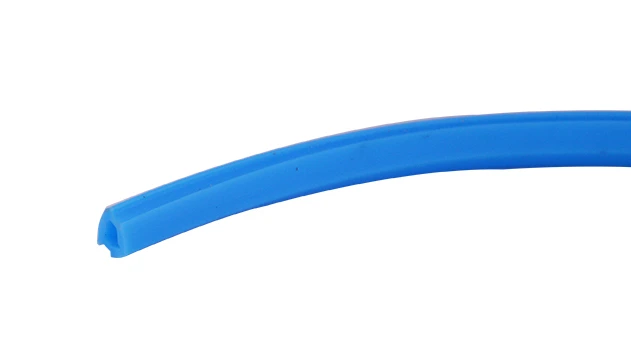
T-slot Rubber Seal Cover
The rubber T-slot seal cover prevents dust and debris buildup, covers wires in the T-slot channel, and adds an extra layer of protection to applications. It rolls into the T-slot, making it easy to assemble.
Walk through any modern factory, warehouse, or manufacturing plant, and you'll notice a common sight: aluminum profiles—those sleek, modular metal beams holding up workbenches, guiding conveyor belts, and organizing material racks. Look closer at those profiles, and you'll spot narrow, T-shaped grooves running along their length. These T-slots are the unsung heroes of industrial design, allowing for easy attachment of brackets, shelves, and tools. But what keeps those slots clean, protected, and functional day in and day out? That's where the T-slot rubber seal cover comes in. It's a small component, often overlooked, but it plays a critical role in maintaining the efficiency, safety, and longevity of the equipment we rely on.
In this article, we'll dive deep into the world of T-slot rubber seal covers. We'll explore what they are, how they're made, the vital functions they perform, and why they matter in industries ranging from automotive to electronics. Whether you're a plant manager, a maintenance technician, or just curious about the machinery that powers our world, understanding these tiny but mighty covers will give you a new appreciation for the thought and precision that goes into industrial design.
Defining the T-Slot Rubber Seal Cover: More Than Just a "Cover"
At its core, a T-slot rubber seal cover is a flexible, strip-like component designed to fit snugly into the T-slots of aluminum profiles. Think of it as a protective "gasket" for the grooves that make aluminum profiles so versatile. But calling it just a "cover" sells it short—it's a multi-tasker, combining sealing, protection, and even safety features into one simple design.
Aluminum profiles, with their T-slots, are the backbone of modular industrial setups. They're used to build everything from lightweight workbenches to heavy-duty conveyor systems, and their T-slots allow for quick adjustments and custom configurations. Without something to protect those slots, however, they'd quickly become clogged with dust, grease, metal shavings, or even small tools. Over time, that debris would make it hard to slide brackets into place, damage the slot edges, or even lead to jams in moving parts like conveyor tracks.
T-slot rubber seal covers solve this problem by creating a barrier. Made from soft, durable rubber or elastomeric materials, they're designed to snap into the T-slot, forming a tight seal that keeps contaminants out while still allowing easy removal when adjustments are needed. They're available in various sizes to match different profile slot widths (common sizes range from 6mm to 20mm, depending on the profile) and are often color-coded for quick identification—you might see yellow, grey, or black covers, each suited for specific environments.
Materials & Construction: What Makes a Good Seal Cover?
Not all T-slot rubber seal covers are created equal. The best ones are built to withstand the harsh conditions of industrial settings—think exposure to oils, chemicals, extreme temperatures, and constant wear and tear. Let's break down the materials and design features that make these covers reliable workhorses.
1. Materials: Choosing the Right Rubber for the Job
The most common materials used for T-slot rubber seal covers are:
- PVC (Polyvinyl Chloride): The workhorse of seal covers. PVC is affordable, flexible, and resistant to water, oils, and general wear. It's ideal for standard industrial environments, like assembly lines or warehouses, where temperatures stay between -10°C and 60°C. You'll often find PVC covers in neutral colors like grey or black, blending in with aluminum profiles.
- Silicone: For high-temperature environments. If your facility deals with heat—think automotive paint shops or food processing plants—silicone covers are the way to go. They can handle temperatures from -60°C to 200°C without hardening or melting. They're also more resistant to UV light, making them a good choice for outdoor or well-lit areas.
- EPDM (Ethylene Propylene Diene Monomer): The chemical-resistant option. EPDM rubber stands up to oils, acids, and alkalis, making it perfect for factories where chemicals are present, like electronics manufacturing or pharmaceutical facilities. It's also highly durable, with a long lifespan even in heavy-use areas.
- ESD-Safe Rubber: For sensitive environments. In electronics manufacturing, static electricity can damage delicate components. ESD (Electrostatic Discharge) safe rubber covers are formulated to dissipate static, protecting both the equipment and the products being assembled. These are often black, a color associated with ESD protection in industrial settings.
2. Design Features: Snap-Fit, Flexibility, and Durability
Beyond materials, the design of the seal cover matters. The best covers feature a "snap-fit" design—meaning they easily press into the T-slot and stay in place without adhesives. This allows for quick removal when you need to access the slot (e.g., to add a new bracket to a workbench) and ensures a tight seal when installed.
Flexibility is another key feature. The cover should bend and conform to the profile's shape, even if the profile is curved or has corners. Some covers have a slightly rounded top, which not only looks neat but also prevents sharp edges—an added safety bonus, as it reduces the risk of cuts when workers brush against the profiles.
Durability is also critical. A good seal cover shouldn't crack, tear, or lose its shape after months of use. Look for covers with reinforced edges or a slightly thicker gauge (typically 1-3mm thick) for high-wear areas, like conveyor rails that see constant contact with moving parts.

Functions: The Many Roles of a Tiny Component
Now that we know what T-slot rubber seal covers are made of, let's explore what they actually do . Their functions go far beyond just "covering" a slot—they're essential for keeping industrial systems efficient, safe, and long-lasting.
1. Sealing: Keeping Contaminants Out
The primary job of a T-slot rubber seal cover is to seal the T-slot from debris. In a busy factory, dust, metal shavings, and even spilled liquids are unavoidable. Without a seal, these contaminants would settle into the T-slots, turning them into tiny "dirt traps." Over time, that dirt can grind against moving parts (like the wheels of a conveyor) or make it impossible to slide brackets into place without first cleaning the slot—wasting valuable time.
Real-World Example: A maintenance technician at an electronics plant once told me about a production line that kept experiencing jams in their aluminum profile material rack. The rack was used to hold circuit boards, and the T-slots were supposed to let workers adjust the shelf heights quickly. But after a few months, the slots were so full of dust and solder flux that the shelf brackets would get stuck. Once they started using EPDM seal covers, the jams stopped—no more downtime spent cleaning slots, and the brackets slid smoothly every time.
2. Protecting the Profile: Extending Equipment Life
Aluminum profiles are durable, but their T-slots are surprisingly vulnerable. The edges of the slot can get nicked or bent if tools are dropped into them or if debris is forced into the groove during assembly. A rubber seal cover acts as a buffer, absorbing impacts and preventing direct contact between hard objects and the slot edges. This might seem minor, but over time, it can significantly extend the life of expensive aluminum profile systems—saving factories from costly replacements.
3. Safety: Reducing Hazards on the Factory Floor
Safety is a top priority in any industrial setting, and T-slot rubber seal covers play a small but important role here. Uncovered T-slots can have sharp edges, especially if the profile hasn't been deburred properly. A rubber cover softens these edges, reducing the risk of cuts when workers lean against profiles or reach across workbenches. They also prevent small items—like screws, washers, or even fingers—from getting stuck in the slots, which could lead to injuries or equipment damage.
4. Noise Reduction: Quieter Workspaces
Here's a bonus function you might not expect: T-slot rubber seal covers can help reduce noise. In facilities with conveyor systems or material racks, metal brackets or tools sliding against bare aluminum T-slots can create a high-pitched scraping sound. The rubber cover acts as a dampener, absorbing some of that noise and making the workspace quieter and more pleasant for employees. It's a small change, but anyone who's worked in a loud factory knows how much little noise reductions add up.

Industrial Applications: Where T-Slot Rubber Seal Covers Shine
T-slot rubber seal covers are everywhere in industrial settings, even if you don't notice them at first. Let's take a look at some of the key applications where they're indispensable.
1. Workbenches: The Heart of Production Lines
Workbenches are the most common place to find T-slot rubber seal covers. Whether it's a simple single-deck workbench (like "Workbench E" in many catalogs) or a heavy-duty assembly station, aluminum profiles form the frame, and their T-slots are used to attach shelves, tool holders, or lighting. A workbench in an electronics factory, for example, might have ESD-safe rubber covers to protect sensitive components from static, while a workbench in a mechanic's shop would use oil-resistant PVC covers to keep grease out of the slots.
Without these covers, workbenches would quickly become cluttered with debris, making it hard to reconfigure tools or adjust the setup for new tasks. Imagine trying to mount a new tool holder on a workbench where the T-slot is full of sawdust or glue—frustrating, right? The seal cover keeps the slot clean, so adjustments take minutes, not hours.
2. Conveyor Systems: Keeping Materials Moving
Conveyors are the "highways" of factories, moving parts from one station to the next. Many conveyor systems use aluminum profiles or roller tracks with T-slots to guide the movement of products. For example, a plastic roller track guide rail (yellow or grey, depending on the application) might be mounted to an aluminum profile, with T-slots that need protection from the constant flow of materials. A rubber seal cover here prevents debris from getting caught in the track, which could slow down or jam the conveyor—critical for maintaining the speed of production lines.
In food processing plants, where conveyors move ingredients or packaged goods, silicone seal covers are often used because they can withstand frequent cleaning with hot water and sanitizers. The cover ensures that no food particles get trapped in the T-slots, keeping the line hygienic and compliant with safety standards.
3. Material Racks & Storage Systems
Material racks, like "Material Rack B (3 row and 3 floor)" setups, are used to store everything from raw materials to finished products. These racks rely on aluminum profiles for adjustability—you can move shelves up or down to fit different-sized items. T-slot rubber seal covers keep the slots clean, so shelves can be repositioned easily, even after months of use. In warehouses with high humidity, they also help prevent moisture from corroding the aluminum, extending the rack's lifespan.
A good example is an automotive parts warehouse, where racks hold heavy components like engine parts. The T-slots on these racks are under constant stress, but with seal covers, they stay free of rust and debris, ensuring that the shelves remain secure and easy to adjust as inventory changes.
4. Lean Systems: Supporting Efficiency and Waste Reduction
Lean manufacturing is all about eliminating waste—whether it's time, materials, or effort. T-slot rubber seal covers might seem like a small detail, but they play a big role in supporting lean principles. By keeping T-slots clean and functional, they reduce the time spent on maintenance (no more stopping production to clean slots), prevent delays from jammed equipment, and extend the life of aluminum profiles—all of which align with the goal of "doing more with less."
In a lean system, every second counts. If a worker needs to reconfigure a workbench or adjust a conveyor and spends 10 minutes cleaning out a T-slot instead of 2 minutes sliding in a bracket, that's 8 minutes of waste. Multiply that by hundreds of adjustments across a factory, and the savings from using seal covers add up quickly. It's a perfect example of how "small things" contribute to big-picture efficiency.
Choosing the Right T-Slot Rubber Seal Cover: A Quick Guide
With so many options available, how do you pick the right T-slot rubber seal cover for your needs? Here are the key factors to consider:
| Factor to Consider | Questions to Ask | Recommended Material/Type |
|---|---|---|
| Environment | Is the area hot, cold, wet, or exposed to chemicals? | High temp: Silicone; Chemicals: EPDM; Standard: PVC |
| Slot Size | What's the width of your aluminum profile's T-slot? | Match cover size to slot width (e.g., 8mm slot → 8mm cover) |
| Static Sensitivity | Are you working with electronics or ESD-sensitive parts? | ESD-safe rubber (look for "black ESD wheel" or ESD-rated materials) |
| Wear and Tear | Will the cover be exposed to heavy contact or friction? | Heavy-duty PVC or EPDM with reinforced edges |
| Visibility | Do you need the cover to stand out for safety or identification? | Bright colors (yellow, red) for high-visibility areas |
When in doubt, consult with your aluminum profile supplier—they'll have experience with which covers work best in different settings. Many suppliers, like those specializing in lean pipe and accessories, offer samples so you can test a cover in your environment before buying in bulk.
Maintenance Tips: Keeping Your Seal Covers in Top Shape
T-slot rubber seal covers are low-maintenance, but a little care goes a long way in extending their life. Here are some simple tips:
- Inspect regularly: Check covers for cracks, tears, or signs of hardening (a sign the material is aging). replace any damaged covers promptly—even a small tear can let debris into the slot.
- Clean gently: If a cover gets dirty, wipe it with a damp cloth and mild soap. Avoid harsh chemicals, which can degrade the rubber.
- Remove carefully: When adjusting T-slots, pull the cover straight up to avoid stretching or tearing it. If it's stuck, use a small flathead screwdriver to gently pry it loose (be careful not to scratch the aluminum profile).
- Store properly: Keep extra covers in a cool, dry place away from direct sunlight. UV light can break down rubber over time, so avoid leaving them exposed on shelves near windows.
By following these steps, you can ensure your T-slot rubber seal covers last for years, keeping your industrial setups running smoothly.
Conclusion: The "Unsung Hero" of Industrial Design
T-slot rubber seal covers might not grab headlines or win awards, but they're a perfect example of how the best industrial design lies in the details. These small, flexible strips protect the T-slots that make aluminum profiles so versatile, ensuring that workbenches, conveyors, and material racks stay efficient, safe, and easy to maintain. They support lean systems by reducing waste, keep factories quiet and clean, and even help protect workers from injuries.
The next time you walk through a factory, take a moment to look at the aluminum profiles around you. Chances are, you'll spot a T-slot rubber seal cover—quietly doing its job, and doing it well. It's a reminder that in manufacturing, as in life, the little things often make the biggest difference.
So, whether you're designing a new workbench, maintaining a conveyor line, or just curious about how things work, remember: behind every efficient, durable industrial system, there's a good chance a T-slot rubber seal cover is hard at work.