- Company Articles
- Products and Technology
- Product knowledge
- What Is a Three Way Aluminum Pipe Joint? Definition and Key Functions

What Is a Three Way Aluminum Pipe Joint? Definition and Key Functions
Related Product
Three Way Aluminum Pipe Joint
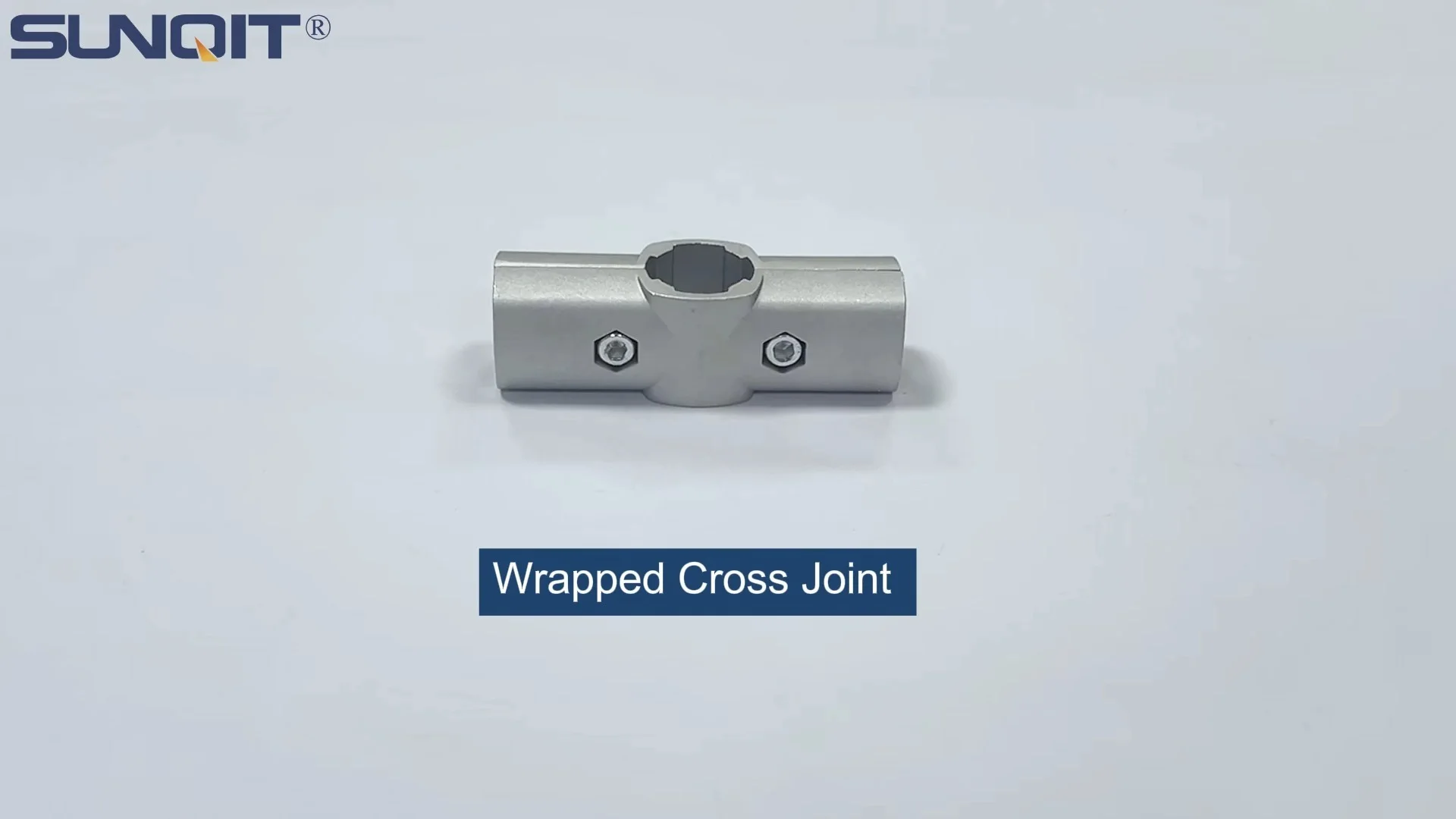
Aluminum 3 way pipe joint for 28mm aluminum pipe connection in 3 direction.
Walk into any modern factory, warehouse, or assembly line, and you'll notice a common theme: efficiency. From the way materials glide along roller tracks to the precision of workbenches where products take shape, every element is designed to keep operations running smoothly. But behind this efficiency lies a hidden hero: modular systems. These flexible, build-as-you-go setups rely on simple yet powerful components to adapt to changing needs—and at the heart of many of these systems is the three way aluminum pipe joint. Small in size but mighty in impact, this unassuming connector plays a pivotal role in creating the structures that power manufacturing, logistics, and beyond. Let's dive into what it is, how it works, and why it matters.
Defining the Three Way Aluminum Pipe Joint: More Than Just a Connector
At first glance, a three way aluminum pipe joint might look like a basic piece of hardware. But don't let its simplicity fool you. This component is engineered to solve a critical problem in modular design: how to connect three aluminum pipes at a single, stable junction. Let's break it down.
What It Is: Materials, Design, and Purpose
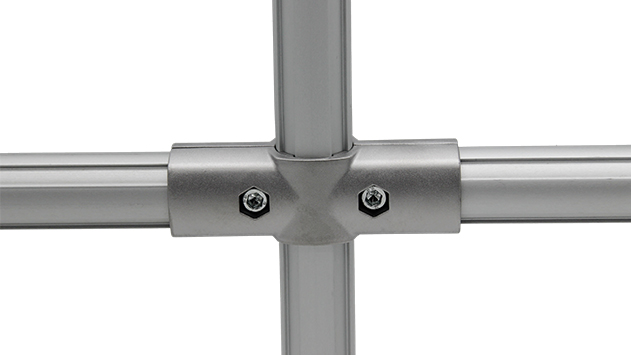
A three way aluminum pipe joint is exactly what its name suggests: a connector made from aluminum that links three separate aluminum pipes. Crafted from high-grade aluminum alloys—chosen for their strength, lightweight nature, and resistance to corrosion—these joints feature three distinct ports (or openings) where pipes are inserted and secured. Unlike traditional metal connectors that require welding or adhesives, three way aluminum joints use mechanical fastening (typically set screws or bolts) to create a tight, reliable bond. This means no permanent fixes, no messy tools, and no downtime waiting for materials to dry or cool.
The design is deceptively clever. Each port is sized to fit standard aluminum pipe diameters (common sizes include 28mm, 30mm, or 40mm, depending on the application), ensuring a snug fit. The joints themselves come in various configurations: some are fixed, meaning the angles between ports are set (like 90° or 135°), while others are swivel or adjustable, allowing pipes to rotate or tilt as needed. This flexibility makes them adaptable to everything from straight-line structures to complex, multi-directional frameworks.
But why aluminum? Plastic joints exist, and steel is stronger—so what sets aluminum apart? For starters, aluminum strikes the perfect balance between weight and durability. A steel joint might be stronger, but it adds unnecessary heft to structures like workbenches or material racks, making them harder to move or reconfigure. Plastic, while lightweight, lacks the load-bearing capacity needed for heavy-duty applications (think stacking pallets or supporting industrial machinery). Aluminum, however, can handle significant weight without weighing the system down, and its natural resistance to rust means it holds up in damp warehouses or outdoor loading docks.
Key Functions: Why This Joint Is a Workhorse
Now that we know what a three way aluminum pipe joint is, let's explore what it does . Its functions go far beyond "holding pipes together"—it's a multitasker that enables modular systems to be versatile, durable, and easy to use. Here are the core roles it plays:
1. Creating Secure, Stable Connections
First and foremost, the three way joint's job is to keep pipes connected—firmly. When you're building a workbench that holds 200 pounds of tools or a flow rack supporting boxes of electronics, "good enough" just won't cut it. Three way aluminum joints excel here: their precision-machined ports and tight-fitting screws ensure pipes don't wiggle, shift, or slip, even under vibration or heavy loads. Imagine a busy assembly line where machinery hums nonstop—over time, loose connections could lead to wobbly shelves, misaligned roller tracks, or worse, collapsed structures. The three way joint's ability to maintain tension prevents this, keeping workers safe and operations on track.
2. Enabling Modularity: Build, Break, Rebuild
In manufacturing, change is constant. A factory might need to expand a production line in Q1, shrink it in Q3, and repurpose it entirely by Q4. Traditional fixed structures (think welded steel frames) can't keep up—modifying them requires cutting, welding, and repainting, which is time-consuming and costly. Three way aluminum joints, however, are modular by design. Since they don't permanently fuse pipes, you can disassemble a structure in minutes, move the parts to a new location, and reassemble them into something entirely different. Need to add a shelf to a workbench? Swap out a two-way joint for a three way, add a pipe, and you're done. Want to turn a straight flow rack into an L-shape? Just loosen the joints, reposition the pipes, and retighten. This flexibility is a game-changer for businesses that need to stay agile.
3. Supporting Versatility in Design
Not all structures are created equal. A material rack for small parts might need shelves at 12-inch intervals, while a workstation for assembling circuit boards could require a mix of flat surfaces and angled supports. Three way aluminum joints thrive in this diversity. Fixed-angle joints (like 90° or 45°) are perfect for straight, symmetrical setups, while adjustable or swivel joints let you create slopes, curves, or custom angles. For example, in a warehouse, a three way joint with a 135° angle might be used to build a corner shelf that wraps around a pillar, maximizing space. In a lab, an adjustable joint could tilt a shelf to accommodate bulky equipment. This versatility means one joint type can serve dozens of applications, reducing the need for specialized parts.
4. Distributing Loads Evenly to Prevent Failures
When you stack boxes on a shelf or place a heavy machine on a workbench, the weight doesn't just sit on the surface—it travels through the pipes and into the joints. A poorly designed joint might concentrate that weight in one spot, leading to bent pipes or cracked connectors. Three way aluminum joints, however, are engineered to distribute load evenly across all three connected pipes. The aluminum alloy used is strong enough to handle pressure without deforming, and the symmetrical design of the ports ensures weight is shared, not localized. This is critical for safety: uneven load distribution is a leading cause of structural failures in modular systems, but with three way joints, the risk is drastically reduced.
5. Compatibility with Aluminum Profile Accessories
No component works in isolation, and three way aluminum pipe joints are no exception. They're designed to play well with a wide range of aluminum profile accessories, from caster wheels and roller tracks to workbench tops and ESD mats. For example, you might use a three way joint to connect the legs of a workbench, then attach aluminum profile accessories like side rails or tool hooks to the same joint. Or, in a flow rack, the joint could connect vertical support pipes to horizontal roller track rails, creating a seamless path for materials to slide. This compatibility means you can build complete, integrated systems using the same base components—no mixing and matching incompatible parts, no guesswork about what fits.
6. Simplifying Installation: No Expertise Required
Welding steel pipes requires skill, equipment, and safety gear. Gluing plastic joints demands patience (and a well-ventilated area). But installing a three way aluminum pipe joint? It's something even a new hire can master in minutes. Most joints use hex-head set screws: just insert the pipes into the ports, align them as needed, and tighten the screws with a hex key. No heat, no fumes, no prior experience. This simplicity saves time during setup and reduces labor costs—no need to hire a professional welder or technician. It also means mistakes are easy to fix: if you misalign a pipe, just loosen the screws, readjust, and retighten. In fast-paced environments where every minute counts, this ease of use is invaluable.
Applications: Where You'll Find Three Way Aluminum Pipe Joints in Action
Three way aluminum pipe joints aren't just theoretical—they're hard at work in industries across the globe. Let's look at some real-world scenarios where they shine:
Manufacturing Workbenches and Assembly Stations
Walk into an electronics factory, and you'll see rows of workbenches where workers assemble circuit boards, test devices, or package products. Many of these workbenches are built using aluminum pipes and three way joints. The joints connect the table legs, support crossbars for stability, and even attach accessories like tool holders or overhead shelves. Since electronics manufacturing often requires ESD (Electrostatic Discharge) protection, the aluminum frame (which conducts electricity) can be grounded, preventing static from damaging sensitive components. And when production needs change—say, a new product requires a wider work surface—workers can quickly disassemble the bench, add more pipes and joints, and rebuild it to the new specs.
Flow Racks and Material Handling Systems
In warehouses and distribution centers, efficiency is measured by how quickly materials move from point A to point B. Flow racks—sloped shelves where boxes or bins slide toward pickers—are a staple here, and three way joints are key to their construction. The joints connect vertical support pipes to horizontal rails, which hold the roller tracks that guide materials. Adjustable three way joints let workers set the slope of the rack (steeper for heavier items, gentler for fragile goods), ensuring smooth, controlled movement. And since these racks often need to grow with inventory, adding a new section is as simple as attaching more pipes and joints to the existing structure.
Lean Manufacturing Cells
Lean manufacturing is all about eliminating waste—whether it's time, space, or materials. Modular systems built with three way aluminum joints align perfectly with this philosophy. For example, a lean cell in an automotive plant might include a U-shaped assembly line with workstations, tool storage, and material racks, all connected via aluminum pipes and joints. If the team identifies a bottleneck, they can reconfigure the cell overnight: move a workstation closer to the line, add a new shelf for tools, or adjust the height of a material rack—all without disrupting production for days. The joints make it easy to adapt, ensuring the cell evolves with the team's needs.
Turnover Trolleys and Mobile Racks
Need to move tools, parts, or finished products around a facility? Turnover trolleys and mobile racks are the solution—and they rely on three way joints for structure and stability. The joints connect the trolley's frame, support shelves, and attach caster wheels (another aluminum profile accessory). Since aluminum is lightweight, the trolleys are easy to push, even when loaded. And if a trolley needs to be repurposed (say, from carrying small parts to holding large equipment), the joints allow for quick adjustments: remove a shelf, add taller pipes, or swap out smaller casters for heavy-duty ones.

How It Compares: Three Way Aluminum Joints vs. Other Connectors
To truly appreciate the three way aluminum pipe joint, it helps to see how it stacks up against other common connectors. Let's compare it to a few alternatives:
| Joint Type | Material | Number of Ports | Typical Load Capacity | Best For | Installation Complexity |
|---|---|---|---|---|---|
| Three Way Aluminum Pipe Joint | Aluminum Alloy | 3 | Medium-High (200-500 lbs per joint) | Modular workbenches, flow racks, multi-directional structures | Low (hex key, no special tools) |
| Two Way Steel Joint | Steel | 2 | High (500+ lbs per joint) | Fixed, heavy-duty structures (e.g., industrial shelving) | High (may require welding or specialized bolts) |
| Three Way Plastic Joint | ABS Plastic | 3 | Low (50-150 lbs per joint) | Light-duty shelving, display racks, temporary structures | Low (snap-fit or basic screws) |
| Standard Lean Pipe Joint | Steel/Plastic Coated | 2-3 | Medium (150-300 lbs per joint) | Lean manufacturing cells, simple workstations | Medium (may require clamping tools) |
As the table shows, three way aluminum joints strike a balance that's hard to beat: they offer more versatility than two way steel joints, higher load capacity than plastic, and easier installation than standard lean pipe joints. For businesses that need both strength and flexibility, they're the clear choice.

Installation Tips: Getting the Most Out of Your Joints
Even the best components perform poorly if installed incorrectly. Here are a few pro tips to ensure your three way aluminum pipe joints work as intended:
- Measure twice, cut once (if needed): Most aluminum pipes come pre-cut to standard lengths, but if you need custom sizes, use a pipe cutter (not a hacksaw) for clean, straight edges. Ragged cuts can prevent pipes from seating fully in the joint, weakening the connection.
- Clean the pipes: Dust, oil, or debris on pipe ends can interfere with the joint's grip. Wipe pipes with a clean cloth before inserting them into the ports.
- Don't overtighten: Aluminum is strong, but its threads can strip if you crank the set screws too hard. Tighten until the pipe doesn't move when gently tugged—no need to use all your strength.
- Use thread locker (for permanent setups): If you don't plan to reconfigure a structure, add a drop of thread locker to the set screws. This prevents them from loosening due to vibration.
- Test for stability: After assembly, give the structure a gentle shake or apply light pressure to key points. If anything wobbles, check the joints—you may need to realign the pipes or tighten a loose screw.
Maintenance: Keeping Your Joints (and Structures) Strong
Three way aluminum pipe joints are low-maintenance, but a little care goes a long way in extending their lifespan:
Regular Inspections
Every 3-6 months, walk around your structures and check the joints for loose screws. Vibration from machinery or frequent movement (like on mobile trolleys) can cause screws to back out over time. A quick tighten with a hex key is usually all it takes to keep things secure.
Cleaning and Corrosion Prevention
Aluminum resists rust, but it can develop a dull film (oxidation) in humid or dusty environments. Wipe joints with a damp cloth to remove grime, and if you notice oxidation, polish with a soft brush and mild detergent. For extra protection in wet areas, apply a thin coat of clear anti-corrosion spray (avoid oil-based products, which attract dust).
Replacing Damaged Joints
If a joint is bent, cracked, or has stripped threads, replace it immediately. A damaged joint can't hold pipes securely, putting the entire structure at risk. Keep a few spare joints on hand—they're inexpensive, and having backups prevents downtime.
Conclusion: The Backbone of Modular Agility
In a world where businesses must adapt or fall behind, modular systems have become essential. And at the heart of these systems is the three way aluminum pipe joint—a small component with a big impact. It connects pipes, yes, but it also connects ideas to action: the idea of a more efficient assembly line, the action of building it in a day. The idea of a flexible workspace, the action of reconfiguring it overnight. The idea of reducing waste, the action of using the same joints to build, break down, and rebuild as needed.
Whether you're setting up a small workshop or a large-scale manufacturing plant, the three way aluminum pipe joint offers the strength, versatility, and simplicity to bring your vision to life. It's not just a connector—it's a tool for innovation, a catalyst for efficiency, and a reminder that sometimes the most powerful solutions are the ones that don't try to be complicated. So the next time you walk through a factory or warehouse, take a closer look at the structures around you. Chances are, there's a three way aluminum joint holding it all together—and quietly powering the future of work.