- Company Articles
- Products and Technology
- Product knowledge
- What Is a Vertical Lean Pipe Joint Chrome? Definition & Core Functions

What Is a Vertical Lean Pipe Joint Chrome? Definition & Core Functions
Related Product
Vertical Lean Pipe Joint Chrome
Vertical lean pipe joint is used for 28mm lean pipe fixed on ground and keep it stable.
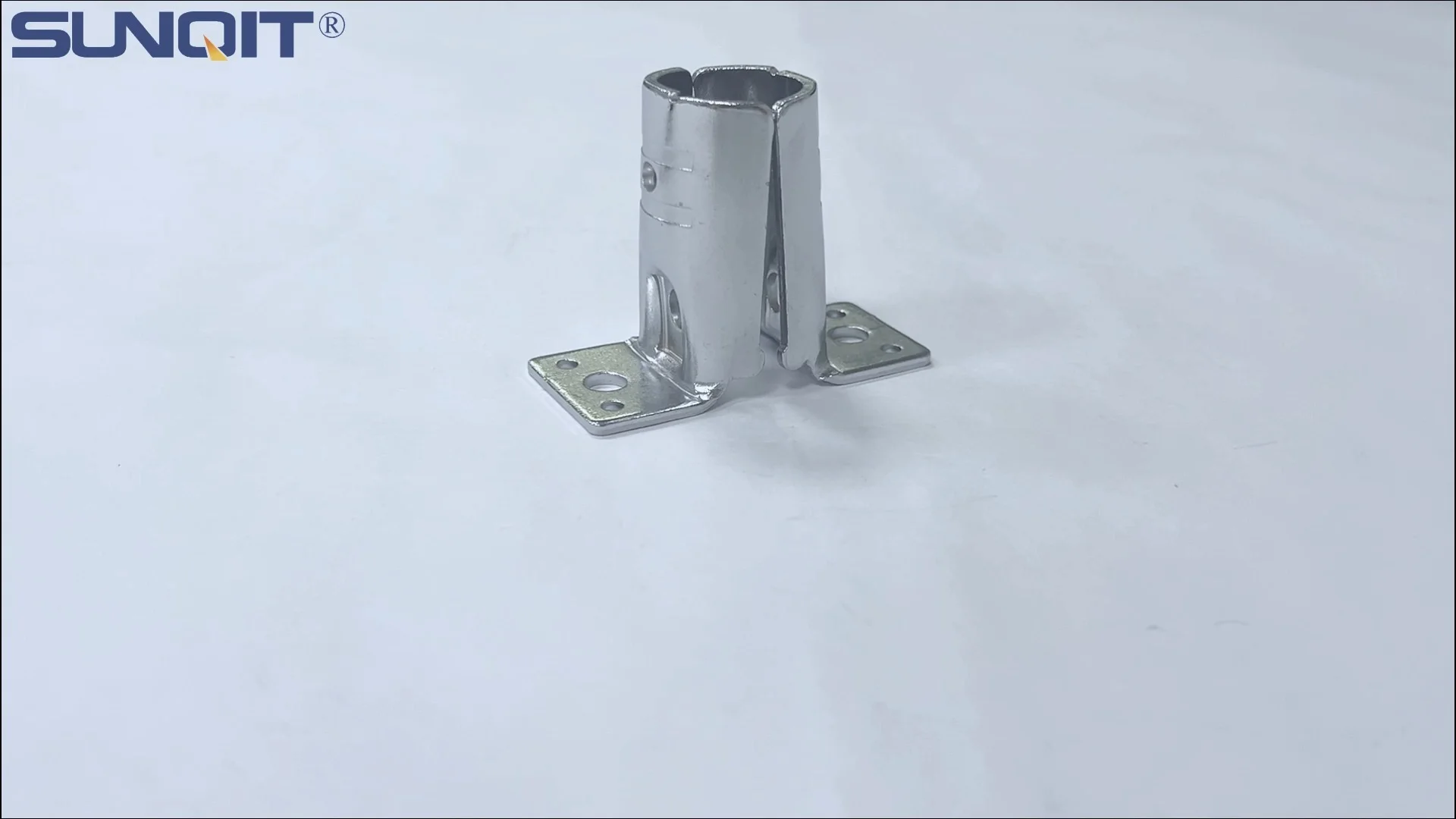
In the world of manufacturing and warehouse operations, efficiency isn't just a buzzword—it's the backbone of profitability and sustainability. Every tool, every process, and every component plays a role in keeping workflows smooth, reducing waste, and ensuring teams can focus on what matters most: creating quality products. One such unsung hero in this ecosystem is the vertical lean pipe joint chrome . It might not be the flashiest piece of equipment on the factory floor, but without it, the modular, adaptable structures that define modern lean manufacturing systems would simply fall apart.
If you've ever walked through a well-organized production line, a busy warehouse, or a high-tech assembly facility, you've likely seen the results of these joints in action: sturdy workbenches that hold heavy equipment, flow racks that move materials seamlessly, and custom storage solutions that adapt to shifting needs. But what exactly is a vertical lean pipe joint chrome? How does it work? And why is it such a critical component in the broader lean system framework? Let's dive in and explore everything you need to know about this small but mighty connector.
1. The Foundation: Understanding Lean Systems and Lean Pipes
Before we zoom in on the vertical lean pipe joint chrome, it's important to set the stage with a quick refresher on lean systems. At its core, lean manufacturing (or "lean") is a philosophy centered on minimizing waste—whether that's wasted time, materials, space, or effort—while maximizing value for the customer. It's about streamlining processes, making workflows more intuitive, and building systems that can evolve as needs change. And at the heart of many lean systems are lean pipes and their accompanying accessories.
Lean pipes, often made from steel or aluminum with a protective coating (like the 1.5mm PE coated lean pipe commonly used in many facilities), are lightweight yet durable tubes designed to be modular. Unlike fixed, one-size-fits-all structures, lean pipes can be connected, disconnected, and reconfigured using a variety of joints and accessories to create everything from workbenches and shelving units to material handling trolleys and conveyor supports. This modularity is what makes lean systems so powerful: they grow and adapt with your business, eliminating the need for costly overhauls when processes change.
But here's the thing: lean pipes alone are just tubes. To turn them into functional structures, you need reliable connectors. That's where joints come in. Joints are the "glue" that holds lean systems together, allowing pipes to be joined at different angles (90 degrees, 45 degrees, vertical, etc.) to form stable, load-bearing frameworks. And among the many types of joints available, the vertical lean pipe joint chrome stands out for its strength, durability, and versatility—especially in applications where vertical support is non-negotiable.
2. Defining the Vertical Lean Pipe Joint Chrome: What It Is and What Makes It Unique
Let's start with the basics: vertical lean pipe joint chrome is a specialized connector designed to join lean pipes at vertical angles (think: straight up and down) while providing exceptional stability and corrosion resistance. The "chrome" in its name refers to the chrome plating applied to its surface, a finishing touch that enhances both its durability and aesthetic appeal. But make no mistake—this isn't just about looks. Chrome plating adds a layer of protection against rust, scratches, and wear, making the joint ideal for use in industrial environments where exposure to moisture, oils, or chemicals is common.
Most vertical lean pipe joints chrome are made from high-grade steel, chosen for its strength-to-weight ratio. The steel core ensures the joint can handle heavy loads—whether that's supporting a fully loaded workbench, a multi-tiered flow rack, or a mobile trolley stacked with materials. The design typically features a cylindrical or rectangular body with one or more openings (or "ports") where lean pipes are inserted. Inside these ports, set screws or clamping mechanisms secure the pipes in place, creating a tight, wobble-free connection.
What truly sets vertical lean pipe joint chrome apart from other joints (like plastic or unplated steel versions) is its focus on vertical applications. While some joints are designed for angled or horizontal connections, vertical joints are engineered to bear downward and upward forces. For example, in a lean pipe workbench, the vertical joints connect the vertical support pipes (the "legs") to the horizontal pipes that form the work surface and lower shelves. They must withstand the weight of tools, products, and even operators leaning on the bench, all while maintaining structural integrity over years of use.
Key Features of Vertical Lean Pipe Joint Chrome
To better understand why these joints are so widely used, let's break down their standout features:
- Chrome Plating: As mentioned, the chrome finish isn't just for shine. It acts as a barrier against corrosion, ensuring the joint holds up in damp or humid environments (like warehouses with temperature fluctuations) or areas where cleaning agents are regularly used.
- High Load Capacity: Thanks to their steel construction, vertical lean pipe joints chrome can typically support loads ranging from 50kg to 200kg per joint, depending on the size and design. This makes them suitable for heavy-duty applications.
- Precision Engineering: The ports are machined to fit standard lean pipe sizes (often 28mm in diameter, the most common lean pipe size), ensuring a snug, secure fit. This precision reduces wobble and ensures consistency across structures.
- Reusability: Unlike welded connections, which are permanent, vertical lean pipe joints chrome are designed to be disassembled and reused. Loosen the set screws, remove the pipes, and repurpose the joint in a new configuration—perfect for lean systems that need to evolve.
- Compatibility: They work seamlessly with a wide range of lean pipe accessories , including caster wheels (for mobile structures), roller tracks (for flow racks), and shelf brackets (for adding storage layers). This compatibility makes them a versatile choice for custom builds.

2. Core Functions: What Does a Vertical Lean Pipe Joint Chrome Actually Do?
Now that we know what a vertical lean pipe joint chrome is, let's explore its core functions—the reasons it's such an indispensable part of lean systems. At first glance, it might seem like its only job is to "connect pipes," but there's much more to it than that. These joints perform four critical roles that keep lean structures safe, efficient, and adaptable.
Function 1: Structural Support and Stability
The most obvious (and most important) function of the vertical lean pipe joint chrome is to provide structural support. In any modular structure, vertical components bear the brunt of the weight. Whether it's a workbench, a rack, or a trolley, the vertical pipes (supported by these joints) must hold up the entire system without bending, buckling, or collapsing. The joint's steel core and tight clamping mechanism ensure that the vertical pipes stay firmly in place, even under heavy loads or repeated use.
For example, consider a lean pipe workbench used in an automotive assembly line. The workbench might hold power tools, spare parts, and a partially assembled engine block—easily weighing 100kg or more. The vertical joints connecting the workbench legs to the frame must distribute this weight evenly across the floor, preventing the workbench from tipping or sagging. Without a sturdy joint like the vertical lean pipe joint chrome, the risk of accidents (and costly downtime) increases dramatically.
Function 2: Enabling Modularity and Adaptability
Lean systems are all about flexibility, and vertical lean pipe joints chrome are key to unlocking that flexibility. Because they're designed to be easily assembled and disassembled, these joints allow teams to reconfigure structures on the fly. Need to add a shelf to a flow rack? Swap out a short vertical pipe for a longer one using the same joint. Want to lower a workbench to accommodate a shorter operator? Loosen the joints, adjust the pipe height, and retighten. This adaptability means businesses don't have to invest in new structures every time their needs change—they can simply repurpose existing components.
This modularity also extends to scalability. As a business grows, so do its storage and workspace needs. With vertical lean pipe joints chrome, adding a new level to a rack or extending a workbench is as simple as adding more pipes and joints. There's no need for welding, cutting, or specialized tools—just basic hand tools like hex keys or screwdrivers. This not only saves time but also reduces labor costs and minimizes disruption to workflows.
Function 3: Compatibility with Lean Pipe Accessories
A vertical lean pipe joint chrome isn't just a connector for pipes—it's a hub for adding accessories that enhance functionality. Many joints feature additional mounting points or threaded holes that allow for the attachment of caster wheels, roller tracks, tool hooks, or even electrical components (like LED light strips for workbenches). This compatibility turns a basic frame into a fully functional workstation tailored to specific tasks.
Take, for example, a mobile material trolley used to transport parts from a warehouse to the production line. The trolley's vertical joints connect the vertical support pipes to the horizontal base frame. By attaching caster wheels (via mounting plates that bolt to the vertical joints), the trolley becomes mobile. Add a roller track (connected to the vertical joints) along the top, and suddenly the trolley can also serve as a mini flow rack, allowing parts to slide easily to the front. This versatility is what makes vertical lean pipe joints chrome so valuable—they turn simple structures into multi-purpose tools.
Function 4: Longevity and Cost Savings
Last but certainly not least, vertical lean pipe joints chrome are built to last. The combination of steel construction and chrome plating ensures they can withstand years of heavy use, exposure to industrial conditions, and repeated assembly/disassembly cycles. Unlike plastic joints, which can crack or degrade over time, or unplated steel joints, which may rust, chrome-plated steel joints maintain their strength and appearance, reducing the need for frequent replacements.
This longevity translates to significant cost savings over time. While chrome-plated joints may have a slightly higher upfront cost than plastic alternatives, their durability means you won't have to replace them every few months. In high-wear environments, this can add up to thousands of dollars in savings on replacement parts and labor. Plus, because they're reusable, you can repurpose them in new structures, further extending their lifespan and maximizing your investment.

3. How Vertical Lean Pipe Joint Chrome Fits Into the Lean Pipe Ecosystem
To truly appreciate the value of vertical lean pipe joint chrome, it helps to see it as part of a larger ecosystem of lean components. Lean systems aren't just pipes and joints—they're a network of interconnected parts working together to create efficient, adaptable workspaces. Let's explore how vertical lean pipe joints chrome interact with other key components, and why this synergy matters.
Working with Lean Pipes
At the most basic level, vertical lean pipe joints chrome connect to lean pipes —the "bones" of the structure. The most common lean pipes are made from steel with a PE (polyethylene) coating, which adds a layer of protection against scratches and reduces noise when parts are moved across them. These pipes come in various diameters (28mm is standard) and wall thicknesses (1.2mm, 1.5mm, or 2.0mm, with thicker walls for heavier loads). The vertical joint's ports are designed to fit these standard sizes, ensuring a tight, secure connection.
For example, a 1.5mm PE coated lean pipe (a popular choice for medium-duty applications) would slide into the vertical joint's port, where a set screw (usually made from stainless steel) would be tightened against the pipe's surface. The PE coating helps grip the screw, preventing slippage, while the pipe's steel core provides the strength to support the load. This combination of pipe and joint creates a connection that's both strong and easy to adjust.
Collaborating with Lean Pipe Accessories
As mentioned earlier, vertical lean pipe joints chrome don't work in isolation—they team up with a range of lean pipe accessories to enhance functionality. Let's take a closer look at a few key accessories and how they interact with these joints:
- Caster Wheels: To make structures mobile (like workbenches or trolleys), caster wheels are often attached to the bottom of vertical support pipes. The vertical joints at the base of the structure provide a stable mounting point for caster brackets, ensuring the wheels can swivel and roll smoothly without compromising stability.
- Roller Tracks: Flow racks, which use gravity to move materials from one end to the other, rely on roller tracks. These tracks are often mounted horizontally between vertical support pipes, with vertical joints securing the pipes that hold the tracks in place. The joints ensure the tracks stay level, so materials flow evenly.
- Shelf Brackets: Adding shelves to a rack or workbench? Shelf brackets attach to vertical pipes via the joints, providing a platform for storage. The vertical joint's strength ensures the brackets can hold heavy items without bending.
- Tool Hooks and Holders: Many vertical joints have threaded holes or slots where tool hooks can be screwed in, turning the structure into a convenient storage solution for tools, cables, or personal protective equipment (PPE).
Building Lean Pipe Workbenches: A Real-World Example
To bring this ecosystem to life, let's walk through a common application: building a lean pipe workbench using vertical lean pipe joint chrome. A typical workbench might include:
- Vertical Support Pipes: Four steel pipes (usually 1.5mm PE coated) serving as legs, each 120cm tall.
- Horizontal Frame Pipes: Steel pipes connecting the tops and bottoms of the vertical legs to form a rectangular frame.
- Vertical Lean Pipe Joint Chrome: Eight joints (one at each corner of the top and bottom frames) connecting the vertical legs to the horizontal pipes.
- Shelf Brackets: Attached to the vertical legs via additional vertical joints, supporting a lower shelf for storage.
- Caster Wheels: Mounted to the bottom vertical joints, making the workbench mobile.
- Work Surface: A plywood or metal top secured to the horizontal frame.
In this setup, the vertical joints are the linchpin. They connect the legs to the frame, ensuring the workbench doesn't wobble when an operator leans on it. They support the shelf brackets, holding up tools and materials. And they provide a stable base for the casters, allowing the workbench to be moved without tipping. Without reliable vertical joints, this entire structure would be flimsy, unsafe, and ineffective.
4. Comparing Vertical Lean Pipe Joint Chrome to Other Joint Types
Not all lean pipe joints are created equal. Depending on your needs, you might choose plastic, stainless steel, or chrome-plated steel joints. To help you understand when vertical lean pipe joint chrome is the best choice, let's compare it to two common alternatives: plastic lean pipe joints and stainless steel lean pipe joints.
| Feature | Vertical Lean Pipe Joint Chrome | Plastic Lean Pipe Joint | Stainless Steel Lean Pipe Joint |
|---|---|---|---|
| Material | Steel with chrome plating | Polypropylene or nylon | Stainless steel (no plating) |
| Corrosion Resistance | High (chrome plating protects against rust) | High (plastic is naturally corrosion-resistant) | Very high (stainless steel resists rust and chemicals) |
| Load Capacity | High (50kg–200kg per joint) | Low to medium (20kg–80kg per joint) | Very high (100kg–300kg per joint) |
| Cost | Moderate (higher than plastic, lower than stainless steel) | Low (most affordable option) | High (most expensive option) |
| Flexibility | High (easily disassembled and reused) | High (lightweight and easy to adjust) | High (but heavier, making reconfiguration more labor-intensive) |
| Best For | Heavy-duty applications, general industrial use, humid environments | Light-duty applications, temporary structures, low-cost projects | Food processing, pharmaceutical, or marine environments (high corrosion risk) |
As the table shows, vertical lean pipe joint chrome strikes a balance between cost, strength, and corrosion resistance. It's not the cheapest option, but it offers far more durability than plastic for only a slightly higher price. And while stainless steel joints are stronger and more corrosion-resistant, they come with a significantly higher cost tag—making them overkill for most general industrial applications.
For example, if you're building a simple storage rack for lightweight office supplies, plastic joints might be sufficient. But if you're constructing a workbench for automotive assembly, where tools and parts can weigh 50kg or more, vertical lean pipe joint chrome is the better choice. And if you're working in a food processing plant where constant washing with harsh chemicals is required, stainless steel might be necessary—but for most factories, warehouses, and assembly lines, chrome-plated steel hits the sweet spot.
5. Installation and Maintenance Tips for Vertical Lean Pipe Joint Chrome
Even the best components perform poorly if installed incorrectly. To ensure your vertical lean pipe joint chrome delivers the strength and longevity you need, follow these installation and maintenance best practices:
Installation Tips
- Use the Right Tools: Most vertical lean pipe joints chrome use set screws that require a hex key (Allen wrench) for tightening. Using the correct size hex key ensures you can apply enough torque without stripping the screw.
- Measure Twice, Cut Once: Before cutting lean pipes to length, double-check your measurements. Pipes that are too short or too long will make it difficult to align the joints properly, leading to unstable structures.
- Deburr the Pipes: After cutting pipes, use a deburring tool to remove sharp edges. This prevents the PE coating from tearing when inserting the pipe into the joint and reduces the risk of injury during assembly.
- Align Pipes Carefully: When inserting pipes into the joint, ensure they're straight and fully seated in the port. Misaligned pipes can cause the joint to bear uneven loads, leading to stress cracks over time.
- Tighten Set Screws Firmly (But Don't Overdo It): Tighten the set screws until they're snug against the pipe—this ensures a secure connection. However, over-tightening can strip the threads or damage the pipe's coating, so use moderate force.
- Test Stability: After assembling the structure, give it a gentle shake to check for wobble. If it moves excessively, check the joints for loose screws or misaligned pipes and adjust as needed.
Maintenance Tips
- Regular Cleaning: Wipe down the joints with a dry or slightly damp cloth to remove dust, dirt, and grease. This prevents buildup that can hide loose screws or damage to the chrome plating.
- Inspect for Loose Screws: Over time, vibrations from daily use can loosen set screws. Periodically check all joints and tighten any screws that have come loose.
- Check Chrome Plating: Look for chips or scratches in the chrome plating, as these can expose the steel core to moisture and lead to rust. If you notice damage, lightly sand the area and apply a rust-resistant paint to prevent further corrosion.
- Lubricate Moving Parts (If Applicable): Some joints have moving components (like swivel joints). If yours do, apply a small amount of machine oil to these parts to keep them moving smoothly.
- replace When Necessary: While vertical lean pipe joints chrome are durable, they won't last forever. If a joint is bent, cracked, or has stripped threads, replace it immediately—compromised joints put the entire structure at risk.
6. Conclusion: Why Vertical Lean Pipe Joint Chrome Matters in Modern Lean Systems
In the grand scheme of lean manufacturing, the vertical lean pipe joint chrome might seem like a small detail. But as we've explored, it's a detail that makes a big difference. It's the connector that turns modular pipes into sturdy, adaptable structures. It's the component that ensures workbenches don't wobble, flow racks don't collapse, and material trolleys move safely. And it's the unsung hero that allows lean systems to live up to their promise: reducing waste, increasing efficiency, and adapting to change.
Whether you're building a simple storage rack or a complex assembly line, choosing the right joint matters. Vertical lean pipe joint chrome offers the perfect blend of strength, durability, and versatility for most industrial applications. Its chrome plating protects against corrosion, its steel core handles heavy loads, and its modular design ensures it can grow with your business. When paired with quality lean pipes, accessories, and a commitment to lean principles, it becomes a cornerstone of a more efficient, productive, and sustainable operation.
So the next time you walk through a well-organized factory or warehouse, take a moment to look at the structures around you. Chances are, you'll spot vertical lean pipe joints chrome holding it all together—quietly, reliably, and (indispensable). And now, you'll know just how much work goes into that small, shiny connector.