- Company Articles
- Products and Technology
- Product knowledge
- What Is Aluminum Pipe with Tray Holder? A Complete Definition & Uses

What Is Aluminum Pipe with Tray Holder? A Complete Definition & Uses
Related Product
Aluminum Pipe with Tray Holder
Aluminum pipe with tray holder,the pipe one side connected by a joint, the other side with a slot which can hold a tray or a aluminum pannel.
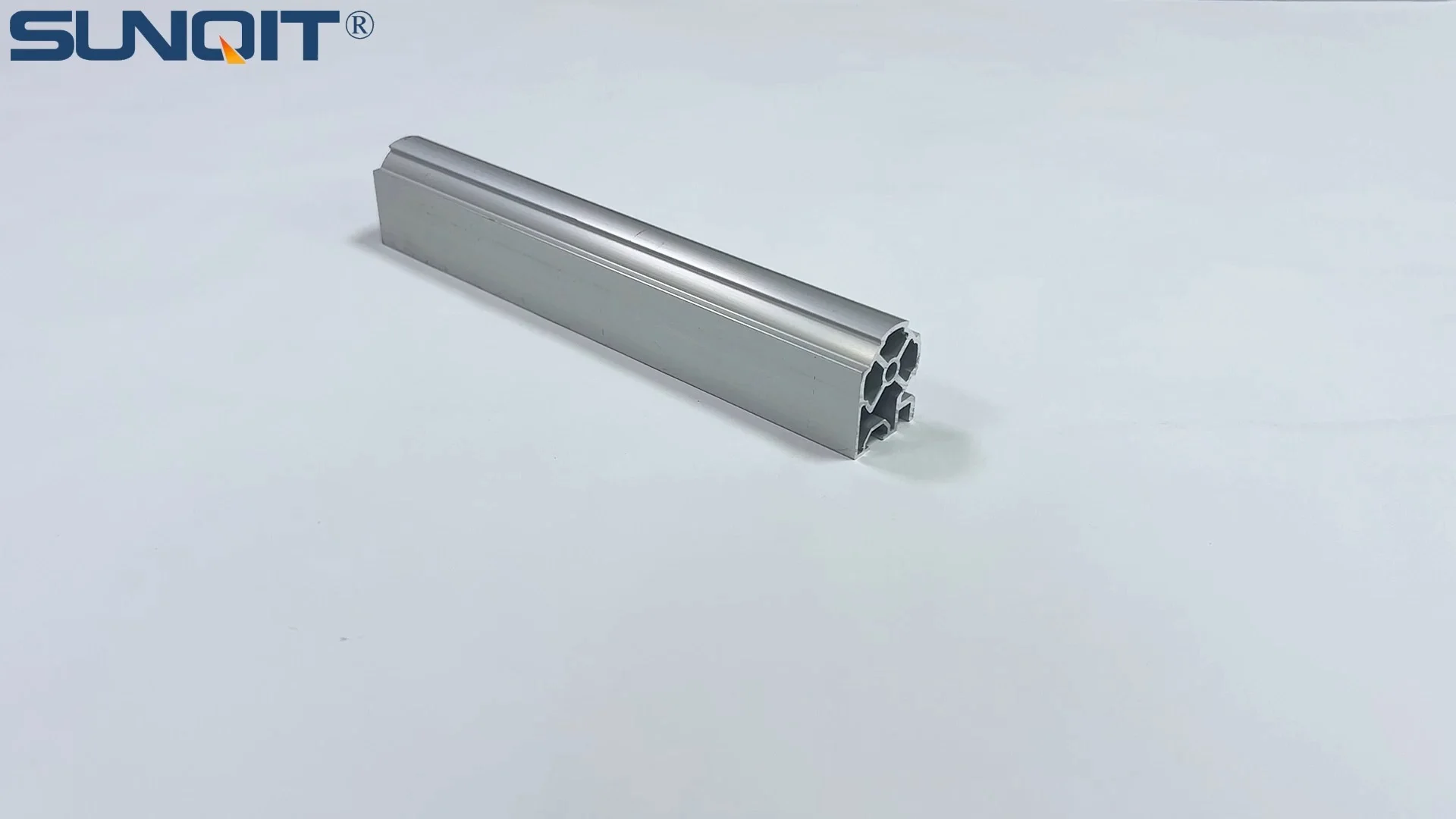
Walk into any modern factory, warehouse, or even a busy retail backroom, and you'll likely spot a quiet hero of organization: the aluminum pipe with tray holder. It's not flashy, but it's everywhere—holding tools on assembly lines, organizing inventory in storage areas, and keeping workspaces clutter-free. In a world where efficiency is king, this unassuming modular system has become a cornerstone of lean operations, adaptable enough to fit the unique needs of almost any industry. But what exactly is it, and why has it become so indispensable? Let's dive in.
Defining Aluminum Pipe with Tray Holder: More Than Just Pipes and Trays
At its core, an aluminum pipe with tray holder is a modular, customizable system designed to support and organize materials, tools, or products. It combines two key components: lightweight aluminum pipes (the structural backbone) and tray holders (the functional elements that hold items in place). What makes it special, though, is its flexibility. Unlike fixed shelving or rigid metal racks, this system is built to adapt—you can adjust the height, add or remove trays, or reconfigure the entire setup in minutes, all thanks to a range of aluminum pipe accessories like joints, clamps, and connectors that make assembly a breeze.
Think of it as the industrial equivalent of building blocks for grown-ups. Each piece—from the basic aluminum tube to the tray holder itself—is designed to snap, clamp, or screw together without the need for welding, drilling, or specialized tools. This modularity is why it's a favorite in environments where workflows change frequently, like manufacturing plants or e-commerce fulfillment centers. Need to expand a workstation? Add a few more pipes and a tray. Switch from holding small parts to larger equipment? Swap out the tray for a sturdier model. It's that simple.
Breaking Down the Components: What Makes It Tick?
1. The Aluminum Pipe: Lightweight, Strong, and Built to Last
The star of the show is the aluminum pipe itself. Most systems use aluminum profile —a term that refers to aluminum that's been extruded into specific shapes (like tubes, rods, or channels) to enhance strength and versatility. Aluminum is chosen for a few key reasons: it's lightweight (about 1/3 the weight of steel, making it easy to handle and install), corrosion-resistant (so it holds up in damp warehouses or outdoor settings), and surprisingly strong (able to support heavy loads without bending or warping). Unlike steel, it won't rust, and unlike plastic, it won't crack under pressure or UV exposure. For industries that prioritize durability and low maintenance, this material is a game-changer.
You'll often hear terms like "basic aluminum tube" or "corrugated aluminum pipe" when shopping for these systems. Basic aluminum tubes are the standard straight pipes, while corrugated versions have ridges for extra grip—useful for holding items that might slide. Some systems even use aluminum extrusion profile , which has built-in T-slots (grooves along the length of the pipe) that let you attach accessories like tray holders or shelves without drilling. It's these small design details that make the aluminum pipe such a versatile foundation.
2. The Tray Holder: Function Meets Form
If the aluminum pipe is the backbone, the tray holder is the hands that do the work. Tray holders come in all shapes and sizes, depending on what they need to hold. There are fixed trays (sturdy and stable for heavy tools), adjustable trays (with sliders or hinges to tilt items toward the user), and even sliding trays (for easy access to items at the back). Materials range from plastic (lightweight and affordable) to metal mesh (breathable, ideal for storing items that need ventilation) to aluminum itself (for maximum durability). Some tray holders even have dividers or compartments to keep small parts organized—think screws, washers, or electronic components.
One of the most common setups is a single-tier tray holder (great for workbenches) or multi-tier designs (perfect for flow racks, where items need to be stacked vertically to save space). In a typical automotive assembly plant, for example, you might find a workbench lined with aluminum pipes and tray holders holding wrenches, screwdrivers, and gaskets—each within arm's reach of the worker, eliminating wasted time searching for tools.
3. Aluminum Pipe Accessories: The Glue That Holds It All Together
You could have the best aluminum pipes and tray holders in the world, but without the right accessories, they'd just be a pile of parts. Aluminum pipe accessories are the unsung heroes here, turning individual components into a functional system. Let's break down the most essential ones:
- Joints and Connectors: These are the "elbows" and "T-junctions" of the system. Internal rotary aluminum joints, for example, let pipes pivot and rotate, making it easy to create angled or curved structures. 90-degree aluminum crossing joints allow pipes to intersect without overlapping, saving space.
- Clamps and Brackets: Used to attach tray holders to pipes, or pipes to walls, floors, or workbenches. Roller track placon mount brackets, for instance, secure roller tracks (another type of accessory) to aluminum profiles, creating smooth-sliding surfaces for trays or bins.
- Feet and Casters: For mobility and stability. Aluminum foot bases keep the system grounded on uneven floors, while swivel casters let you roll the entire setup around a workshop—handy for moving tools between workstations.
- End Caps and Covers: Small but important, these plastic or rubber caps fit over the ends of aluminum pipes to prevent sharp edges (safer for workers) and keep dust or debris from getting inside.
The beauty of these accessories is that they're universal. Most brands design their parts to be compatible across systems, so you can mix and match from different suppliers if needed. This interchangeability is a big part of why the aluminum pipe with tray holder system is so cost-effective—you don't have to replace the entire setup if you need a new feature; just swap out the accessory.

Types of Aluminum Pipe with Tray Holder: Tailored to Every Need
Not all aluminum pipe with tray holder systems are created equal. They come in a variety of configurations, each designed for specific tasks. Here are the most common types you'll encounter:
1. Light-Duty vs. Heavy-Duty
Light-duty systems are built for smaller, lighter items—think screws, bolts, or small tools in a repair shop. They use thinner aluminum pipes (often 1.2mm or 1.5mm thick) and plastic or lightweight metal tray holders. Heavy-duty systems, on the other hand, are made for larger loads: engine parts in an auto plant, bulk inventory in a warehouse, or medical equipment in a hospital. These use thicker pipes (2.0mm or more) and reinforced steel or aluminum tray holders, sometimes with added supports like center brackets to prevent sagging.
2. Fixed vs. Adjustable Tray Holders
Fixed tray holders are permanently attached to the pipes, making them stable but less flexible. They're ideal for items that don't need frequent repositioning, like tools that stay on a dedicated workbench . Adjustable tray holders, by contrast, can slide up and down the pipes or tilt at angles, thanks to sliding brackets or hinges. This is useful in settings where workers of different heights need access to the same materials, or where items need to be tilted for easier grabbing—like in a packaging station where boxes are loaded onto a conveyor.
3. Single-Tier vs. Multi-Tier
Single-tier systems have just one level of trays, making them compact and perfect for tight spaces, like a corner of a workshop. Multi-tier systems stack trays vertically, maximizing vertical storage space. You'll often see these in warehouses as part of flow racks —setups where trays slide forward as items are removed, ensuring the next product is always within reach (a key feature of lean inventory management).

Why Aluminum? Comparing Materials for Pipe and Tray Systems
Aluminum isn't the only material used for pipe and tray systems, but it's increasingly the top choice. Let's see how it stacks up against the alternatives:
| Feature | Aluminum Pipe with Tray Holder | Steel Pipe Systems | Plastic Pipe Systems |
|---|---|---|---|
| Weight | Lightweight (1/3 the weight of steel) | Heavy (harder to install/move) | Lightest, but less durable |
| Corrosion Resistance | Excellent (no rust, ideal for damp environments) | Poor (needs painting/coating to resist rust) | Good, but prone to UV damage outdoors |
| Assembly Time | Fast (modular, no welding/drilling) | Slow (requires tools, welding, or heavy hardware) | Fast, but joints weaken over time |
| Cost | Moderate upfront, low long-term (durable, reusable) | Low upfront, high long-term (maintenance, replacement) | Low upfront, but short lifespan (breaks easily) |
| Load Capacity | High (supports 50-200+ lbs per tray, depending on design) | Highest (supports 200+ lbs, but overkill for most uses) | Low (best for under 50 lbs) |
For most businesses, aluminum strikes the perfect balance: strong enough to handle daily use, light enough to reconfigure easily, and durable enough to last for years without rusting or warping. Steel might be stronger, but its weight and corrosion issues make it overkill for all but the heaviest industrial loads. Plastic is cheap, but it bends under stress and can crack in extreme temperatures—hardly reliable for a system you depend on daily.
Uses Across Industries: Where Aluminum Pipe with Tray Holder Shines
The versatility of aluminum pipe with tray holder systems means they're used in more places than you might think. Here are just a few examples of how different industries put them to work:
1. Manufacturing: The Backbone of Lean Production
In manufacturing, time is money—and lean solution principles (like reducing waste and streamlining workflows) are everything. Aluminum pipe with tray holders fit right in. On assembly lines, they're used as workbench attachments, holding tools, parts, and instruction manuals within arm's reach of workers. For example, in a electronics factory, a multi-tier system might hold circuit boards in one tray, screws in another, and testing equipment in a third—eliminating the need for workers to walk to a separate storage area for supplies.
They're also key in "5S" organization (a core lean practice focused on sorting, setting in order, shining, standardizing, and sustaining). By keeping tools and materials in designated trays, workers can quickly spot missing items, reducing downtime. And because the system is modular, it's easy to update as production lines change—say, when a new product is introduced and the workflow needs to shift.
2. Warehousing and Logistics: Organizing Inventory Efficiently
Warehouses are all about space and speed, and aluminum pipe with tray holders excel at both. As part of flow racks , they help manage inventory with minimal effort. Imagine a row of trays holding boxes of e-commerce orders: as a worker picks the front box, the tray slides forward, bringing the next one into place—no bending, reaching, or searching. This "first in, first out" (FIFO) setup reduces errors and speeds up order fulfillment.
They're also used for "pick-to-light" systems, where trays are paired with LED lights that signal which item to pick next. The lightweight aluminum structure makes it easy to mount these lights and sensors without adding bulk. And in cold storage warehouses (where steel would rust and plastic might crack), aluminum's corrosion resistance is a lifesaver.
3. Healthcare: Clean, Safe, and Sanitary
Hospitals and clinics have strict standards for cleanliness and organization, and aluminum pipe with tray holders meet them all. Unlike steel, aluminum doesn't harbor bacteria (it's naturally antimicrobial), and it's easy to wipe down with disinfectants. In operating rooms, small, mobile setups hold surgical tools and supplies, while in labs, they organize test tubes, samples, and equipment. The modular design also means systems can be customized to fit tight spaces, like between hospital beds or in crowded lab benches.
4. Retail and Hospitality: Tidy Backrooms, Happy Staff
Behind the scenes in retail stores, aluminum pipe with tray holders keep stockrooms organized. They're used to sort clothing by size, hold cosmetics in bins, or store electronics accessories like chargers and cables. In restaurants, they organize kitchen tools (spatulas, ladles, pans) near prep stations, or hold takeout containers and napkins near the counter. Because they're lightweight, staff can rearrange them quickly—say, during holiday rushes when inventory levels spike.
The Benefits of Going Aluminum: Why It's Worth the Investment
By now, you might be wondering: Is aluminum pipe with tray holder really worth the cost, especially compared to cheaper plastic or used steel systems? For most businesses, the answer is a resounding yes. Here's why:
1. Longevity: A System That Grows With Your Business
Aluminum is built to last. With proper care, a well-made system can serve your business for 10+ years—far longer than plastic (which cracks or fades) or steel (which rusts). And because it's modular, you can expand it as your needs grow. Start with a small workbench setup, then add a flow rack, then a mobile cart—all using the same base pipes and accessories. It's a one-time investment that keeps giving.
2. Time and Labor Savings: No More Waiting for Custom Solutions
Traditional metal racks or custom shelving require weeks (or months) of planning, fabrication, and installation. Aluminum pipe systems? You can assemble a basic setup in an afternoon with just a few tools. No need to hire contractors or wait for parts—most suppliers stock pipes, trays, and accessories, so you can order and install the same week. For businesses that need to adapt quickly (like startups or seasonal operations), this speed is invaluable.
3. Safety: A Safer Workplace for Everyone
Aluminum's lightweight nature reduces the risk of injury during installation or reconfiguration—no more straining to lift heavy steel pipes. The smooth, rounded edges (thanks to end caps) and non-slip tray designs also lower the chance of cuts or falls. In industries like construction or manufacturing, where workplace safety is a top priority, these small details add up to fewer accidents and lower insurance costs.
4. Sustainability: Eco-Friendly and Recyclable
Aluminum is 100% recyclable, and recycling it uses just 5% of the energy needed to produce new aluminum. For businesses focused on sustainability (and more and more are), this is a big plus. Even better, because the system is modular, you're less likely to throw it away when you need a change—just reconfigure it instead. It's a small step, but it adds up to less waste over time.
Maintenance Tips: Keeping Your System in Top Shape
Aluminum pipe with tray holders are low-maintenance, but a little care goes a long way. Here's how to keep yours working like new:
- Clean Regularly: Wipe down pipes and trays with a damp cloth or mild soap and water to remove dust, grease, or debris. For stubborn stains (like oil in a garage), use a non-abrasive cleaner—avoid harsh chemicals that could damage the aluminum finish.
- Check Accessories Tightness: Over time, joints and clamps can loosen with vibration (common in factories). Do a quick monthly check to tighten any loose screws or bolts—this prevents trays from wobbling or pipes from shifting.
- replace Worn Parts: If a tray starts to crack, a caster wheel stops rolling, or a joint becomes loose, replace it immediately. Most aluminum pipe accessories are inexpensive, and replacing one part is cheaper than letting the whole system fail.
- Avoid Overloading: Each tray and pipe has a weight limit (check the manufacturer's specs). Overloading can bend pipes or break tray holders, so label trays with weight limits if needed.
- Protect from Extreme Conditions: While aluminum resists corrosion, it's not invincible. If using the system outdoors, apply a clear protective coating to prevent fading. In very humid environments, wipe down metal parts occasionally to prevent (rare) oxidation.
Final Thoughts: Why Aluminum Pipe with Tray Holder Is Here to Stay
In a world where businesses are under constant pressure to do more with less, the aluminum pipe with tray holder system stands out as a simple, effective solution. It's not just about holding tools or organizing inventory—it's about empowering teams to work smarter, adapt faster, and focus on what really matters: growing their business. Whether you're running a small workshop or a large-scale manufacturing plant, this modular system can be tailored to your needs, budget, and workflow.
So the next time you walk through a well-organized workspace, take a closer look at the racks, workbenches, and carts around you. Chances are, you'll spot the telltale gleam of aluminum pipes and the functional simplicity of tray holders. They may not get the spotlight, but they're the quiet engine driving efficiency in the modern workplace. And that, in a nutshell, is why aluminum pipe with tray holder systems have become indispensable.