- Company Articles
- Products and Technology
- Product knowledge
- What Is Aluminum Profile Rubber Strip? Core Definitions and Functions

What Is Aluminum Profile Rubber Strip? Core Definitions and Functions
Related Product
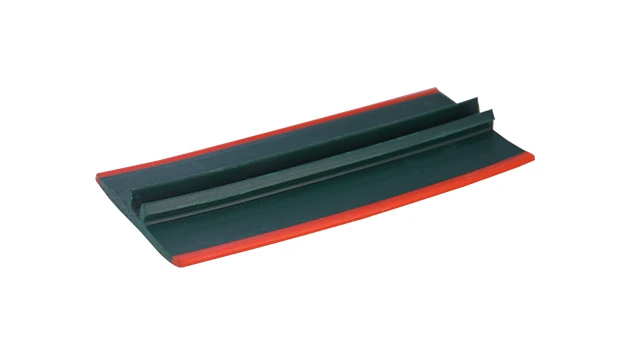
Aluminum Profile Rubber Strip
The tread strip fits into a T-slot channel and provides an anti-slip ribbed surface. It has a key pad that presses into a T-slot and is commonly used for adding traction on steps or as padding for doors. Tread strip can be ordered by rolls. The high quali
Walk into any modern factory, warehouse, or manufacturing plant, and you'll likely spot a common sight: sleek, modular structures made of aluminum extrusion profiles. These lightweight yet sturdy frameworks form the backbone of workbenches, conveyor systems, material racks, and assembly lines—quietly powering the efficiency of production floors worldwide. But what makes these aluminum profiles truly versatile isn't just the metal itself; it's the small, often overlooked accessories that turn basic frames into functional, safe, and durable tools. Among these unsung heroes is the aluminum profile rubber strip—a simple component with a big impact on performance, safety, and longevity.
In this article, we'll dive deep into the world of aluminum profile rubber strips. We'll explore what they are, how they're made, the critical roles they play in industrial settings, and why choosing the right one matters for your aluminum profile-based projects. Whether you're setting up a new workbench, upgrading a conveyor, or designing a custom material rack, understanding the value of this humble accessory will help you build structures that stand the test of time.
Defining Aluminum Profile Rubber Strip: More Than Just a "Strip"
At first glance, an aluminum profile rubber strip might seem like a trivial piece of rubber. But look closer, and you'll realize it's a precision-engineered accessory designed to solve specific challenges in aluminum profile systems. Let's break down its core definition, composition, and design.
What Exactly Is It?
An aluminum profile rubber strip is a flexible, elongated component typically made from synthetic rubber or elastomers. It's specifically designed to fit into the T-slots—the (gōucáo, or "grooves")—that run along the length of aluminum extrusion profiles. These T-slots are a defining feature of aluminum profiles, allowing users to attach accessories, panels, or other components without drilling or welding. The rubber strip, in turn, transforms these slots from empty channels into functional tools that enhance the profile's usability.
Composition: The Science of Durability
Not all rubber strips are created equal. Their performance depends heavily on the materials used in their construction. Most aluminum profile rubber strips are made from one of three primary materials, each tailored to different environments and needs:
- EPDM (Ethylene Propylene Diene Monomer): The workhorse of rubber strips, EPDM is prized for its resistance to weather, ozone, and temperature extremes (ranging from -40°C to 150°C). It's flexible, cost-effective, and ideal for indoor and outdoor use, making it a top choice for general industrial applications.
- Silicone: When high heat or chemical resistance is critical, silicone rubber strips take the lead. With a temperature range of -60°C to 230°C, they're perfect for environments like automotive paint shops or food processing facilities where exposure to oils, solvents, or extreme temperatures is common.
- Neoprene (Polychloroprene): For applications involving oil, grease, or mechanical stress, neoprene rubber strips shine. They're tough, tear-resistant, and maintain flexibility even under heavy use—think conveyor systems where materials slide across the surface daily.
Some strips also include additives like UV stabilizers (for outdoor use) or conductive fillers (for ESD workstations, where static control is vital). The result? A component that's not just "rubber," but a tailored solution for specific industrial needs.
Design: Shaped for Purpose
Aluminum profile rubber strips come in a variety of shapes, each engineered to fit different T-slot sizes and perform specific tasks. The most common designs include:
- D-shaped: Rounded on one side and flat on the other, these strips are ideal for sealing gaps or cushioning surfaces. They're often used on workbench edges to soften impacts.
- U-shaped: With a channel-like design, U-shaped strips wrap around the edges of aluminum profiles, protecting against sharp corners and preventing scratches on materials.
- Flat or rectangular: Simple and versatile, these strips fit snugly into T-slots to cover empty channels, reducing dust buildup and improving aesthetics.
- T-slot specific: These strips are precision-molded to match the exact dimensions of standard T-slots (e.g., 2020, , 4040 aluminum profiles). They often feature a "lip" or "ridge" that locks into the slot, ensuring a secure, rattle-free fit.
One popular variant you might encounter is the t-slot rubber seal cover —a specialized type designed to seal T-slots completely, blocking dust, debris, and moisture from entering. This is especially useful in cleanrooms or outdoor applications where maintaining a controlled environment is key.
Types of Aluminum Profile Rubber Strips: Tailored for Every Need
To truly grasp the versatility of aluminum profile rubber strips, it helps to categorize them by their primary function. While there's overlap between types, most fall into one of five categories, each serving a unique purpose in industrial settings. Let's explore them in detail, with a handy comparison table to guide your choices.
| Type of Rubber Strip | Primary Material | Key Function | Best For | Typical Color Options | Expected Lifespan |
|---|---|---|---|---|---|
| Sealing Strips | EPDM or Silicone | Blocks dust, moisture, and debris | Outdoor racks, cleanrooms, ESD workstations | Black, Grey, White | 5–7 years (indoor), 3–5 years (outdoor) |
| Edge Protection Strips | Neoprene or EPDM | Softens sharp edges, prevents scratches | Workbench edges, material rack shelves | Yellow, Black, Blue | 7–10 years (low impact), 3–5 years (high impact) |
| Noise-Dampening Strips | Foam-backed EPDM or Silicone | Absorbs vibrations and impact noise | Conveyor systems, roller tracks, turnover trolleys | Grey, Black | 4–6 years (high vibration), 6–8 years (low vibration) |
| Insulation Strips | Silicone or Rubber with Insulating Fillers | Thermal or electrical insulation | Electrical workbenches, temperature-controlled environments | White, Clear, Black | 8–12 years (stable conditions) |
| Aesthetic/Finishing Strips | Colored EPDM or PVC-blend Rubber | Covers T-slots for a clean, uniform look | Showcase workbenches, retail displays, office partitions | Custom colors (RAL matching available) | 5–8 years (indoor), 3–5 years (outdoor) |
Sealing Strips: Keeping the Elements Out
Sealing strips are all about protection—keeping dust, water, and debris from infiltrating T-slots or gaps between aluminum profiles. Imagine a material rack B (a 3-row, 3-floor storage unit) used in a warehouse where humidity fluctuates. Without sealing strips in its T-slots, moisture could seep in, causing rust on metal parts or warping on wooden components stored inside. A good sealing strip, like a t-slot rubber seal cover, acts as a barrier, ensuring the rack's contents stay dry and intact.
Aluminum extrusion profiles are strong, but their edges can be surprisingly sharp—especially if cut or machined on-site. Edge protection strips wrap around these edges, turning hard metal into a soft, padded surface. Think about a workbench E (a single-deck workbench without casters) in an assembly line: workers lean on it, tools slide across it, and parts are set down roughly all day. An edge protection strip not only prevents cuts and scrapes but also reduces noise when metal parts hit the bench. It's a small detail that makes a big difference in daily safety and comfort.
Noise-Dampening Strips: Quieting the Hustle
Production floors are busy places, and constant noise from sliding materials, clanging tools, or vibrating conveyors can take a toll on workers' focus and well-being. Noise-dampening strips address this by absorbing impact and reducing vibration. For example, roller tracks—used to move boxes or components between workstations—often have rubber strips along their edges. When a box slides down the track, the strip cushions the impact, turning a loud "clatter" into a muffled "thud." Over a full workday, this adds up to a significantly quieter, more pleasant environment.

Core Functions: Why Aluminum Profile Rubber Strips Are Indispensable
Now that we've covered the "what" and "types" of aluminum profile rubber strips, let's turn to the "why." These small accessories perform a range of critical functions that elevate aluminum profile systems from basic frames to high-performance tools. Below are the five core roles they play in industrial and commercial settings.
1. Sealing and Contamination Prevention
In manufacturing, even tiny particles of dust or drops of moisture can ruin sensitive components. Aluminum profile rubber strips act as a first line of defense, sealing T-slots and gaps to keep contaminants out. For example, in electronics assembly, ESD workstations (designed to prevent static damage) rely on clean, controlled environments. A t-slot rubber seal cover ensures that dust doesn't accumulate in the workstation's aluminum profile frame, reducing the risk of static buildup or particle interference with delicate circuit boards.
Outdoors, sealing strips protect against rain, snow, and UV rays. A material rack left exposed to the elements without proper sealing might see its T-slots corrode over time, weakening the structure. With a weather-resistant EPDM strip, the slots stay dry, and the rack remains sturdy for years longer.
2. Safety and Injury Prevention
Sharp edges on aluminum profiles are a hidden hazard. A worker rushing to meet a deadline might brush against an unprotected profile edge, resulting in a cut or scrape. Edge protection rubber strips eliminate this risk by softening hard edges. Even better, they provide a non-slip surface—useful on workbenches where tools or parts might otherwise slide off. In busy environments like automotive assembly lines, where every second counts, this added grip can prevent dropped tools and costly delays.
3. Noise Reduction and Vibration Control
Constant noise isn't just annoying—it's a productivity killer. Studies show that prolonged exposure to loud environments reduces focus and increases fatigue. Aluminum profile rubber strips tackle this by absorbing vibrations and cushioning impacts. For instance, roller track guide rails (like the plastic roller track guide rail yellow or grey mentioned in industrial catalogs) often pair with rubber strips to dampen the sound of rolling components. A box sliding down a rail without rubber might create a high-pitched "squeak" or a loud "bang" when it hits the end stop; with a rubber strip, the noise is muffled, making the workspace calmer and more conducive to concentration.
4. Thermal and Electrical Insulation
Aluminum is an excellent conductor of heat and electricity—great for some applications, but problematic for others. In settings where temperature control is key (like food processing or pharmaceutical manufacturing), thermal insulation strips prevent heat transfer between aluminum profiles and their surroundings. For example, a conveyor carrying frozen goods can use silicone rubber strips to insulate the aluminum frame, ensuring the cold stays inside and the ambient heat stays out.
Similarly, in electrical workbenches, rubber strips with insulating properties prevent electrical current from traveling through the aluminum frame, reducing the risk of shocks or short circuits. It's a simple layer of protection that adds a critical safety net in high-voltage environments.
5. Aesthetics and Branding
Last but not least, aluminum profile rubber strips contribute to the overall look of a structure. Empty T-slots can make even the most well-designed aluminum framework look unfinished or messy. Aesthetic strips—available in colors like yellow, grey, or custom shades—cover these slots, creating a clean, uniform appearance. This is especially important for customer-facing areas, like retail displays or trade show booths, where presentation matters. A sleek, color-coordinated workbench or rack not only looks professional but also reflects positively on a company's attention to detail.

Real-World Applications: Where Rubber Strips Shine
To truly understand the value of aluminum profile rubber strips, let's look at how they're used in everyday industrial scenarios. From workbenches to conveyors, these strips solve specific problems and enhance performance across a range of applications.
Workbenches and Assembly Stations
Workbenches are the heart of any production line, and aluminum profile workbenches (like workbench E) are popular for their modularity. Here, rubber strips play multiple roles: edge protection to prevent cuts, noise dampening for tool impacts, and sealing to keep T-slots free of debris. For example, a workbench used in electronics assembly might have ESD-safe rubber strips (black ESD wheels or strips) to prevent static buildup, while a woodworking bench could use durable neoprene strips to withstand glue and sawdust.
Material Racks and Storage Systems
Material racks, such as material rack B (a 3-row, 3-floor storage unit), rely on aluminum profiles for strength and adjustability. Rubber strips here act as dividers between shelves, preventing items from sliding around during storage or retrieval. They also seal T-slots to keep dust out, ensuring stored parts remain clean and ready for use. In warehouses with high humidity, silicone sealing strips add an extra layer of protection against moisture damage.
Conveyors and Roller Tracks
Conveyors and roller tracks move materials quickly across production floors, but without rubber strips, they can be noisy and hard on fragile items. Rubber strips line the edges of roller tracks, cushioning impacts and reducing noise. For instance, 40 steel roller track with yellow wheels might use yellow rubber guide rails to match, creating a cohesive look while softening the ride for delicate components like glass panels or electronic screens.
ESD Workstations
ESD (Electrostatic Discharge) workstations are critical in electronics manufacturing, where static electricity can fry sensitive microchips. Here, rubber strips with conductive properties help dissipate static, ensuring a safe environment for assembling circuit boards or handling semiconductors. Even small details, like black ESD wheels on caster-equipped workstations, work alongside rubber strips to maintain a static-free zone.
Choosing the Right Aluminum Profile Rubber Strip: Key Considerations
With so many types and functions to choose from, selecting the right aluminum profile rubber strip can feel overwhelming. But by focusing on a few key factors, you can narrow down your options and find the perfect fit for your project. Here's what to keep in mind:
1. Environment and Conditions
Start by assessing where the aluminum profile system will be used. Is it indoors or outdoors? Will it be exposed to extreme temperatures, chemicals, moisture, or UV light? For outdoor use or high-moisture environments, EPDM or silicone strips are best (EPDM for weather resistance, silicone for high heat). In cleanrooms or areas with harsh chemicals, neoprene or fluorinated rubber (Viton) might be necessary. For standard indoor settings, basic EPDM strips will usually suffice.
2. Primary Function
What do you need the strip to do? If safety is the priority (e.g., covering sharp edges), go for an edge protection strip with a thick, durable design. If sealing is key (e.g., keeping dust out of T-slots), a t-slot rubber seal cover is the way to go. For noise reduction, look for foam-backed or dense rubber strips that absorb vibrations well.
3. Aluminum Profile Type
Aluminum profiles come in different sizes, with T-slots of varying widths and depths (e.g., 2020, 3030, 4040). Make sure the rubber strip you choose is compatible with your profile's T-slot dimensions. Most manufacturers list compatible profile sizes for their strips, so check the product specs carefully. A strip that's too narrow will fall out; one that's too wide won't fit at all.
4. Color and Aesthetics
While function should come first, don't overlook aesthetics. If the aluminum profile system is visible to customers (e.g., a retail display or office partition), choose a strip color that complements the profile's finish. Many suppliers offer custom colors to match brand palettes, so don't hesitate to ask for samples if color consistency is important.
5. Longevity and Cost
Finally, balance cost with expected lifespan. A cheaper rubber strip might save money upfront, but if it wears out quickly in a high-impact environment, you'll end up replacing it more often. Invest in higher-quality materials (like silicone or EPDM) for heavy-use applications—they'll last longer and save you money in the long run.
Conclusion: The Small Accessory That Makes a Big Difference
Aluminum profile rubber strips may not be the most glamorous components in industrial design, but they're undeniably essential. From sealing out dust to softening sharp edges, reducing noise to enhancing safety, these simple strips transform basic aluminum extrusion profiles into systems that are functional, durable, and worker-friendly. Whether you're building a workbench, a conveyor, or a material rack, choosing the right rubber strip is a small decision that pays off in big ways—improved performance, longer lifespan, and a safer, more efficient workspace.
So the next time you're designing or upgrading an aluminum profile system, take a moment to consider the rubber strips. They might just be the unsung heroes that turn your project from "good enough" to "exceptional."