- Company Articles
- Products and Technology
- Product knowledge
- What Is Aluminum Roller Track Black ESD with Side Guide? Definition & Core Components

What Is Aluminum Roller Track Black ESD with Side Guide? Definition & Core Components
Related Product
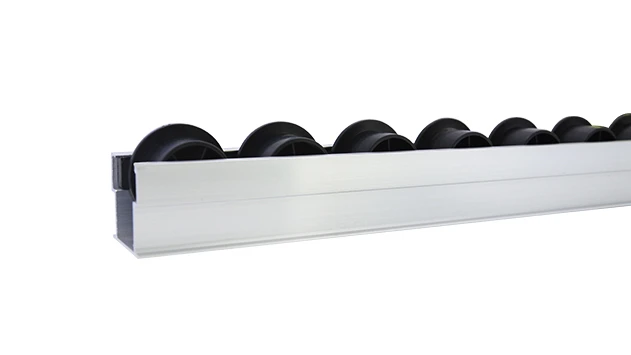
Aluminum Roller Track Black ESD With Side Guide
Heavy duty roller tracks with flanged plastic rollers for use in processing, logistics and materials handling operations. Ideal for transporting goods quickly and easily as well as for installing on shelving to aid in picking operations.
What Is Aluminum Roller Track Black ESD with Side Guide? Definition & Core Components
Ever walked through a busy production line and noticed those smooth, black tracks that items glide along? Chances are, you've seen an aluminum roller track— but when it's labeled 'Black ESD with Side Guide', it's not just any track. For industries dealing with sensitive electronics or static-prone components, this piece of equipment isn't just a nice-to-have; it's a game-changer. Today, we're going to unpack exactly what this product is, its core parts, and why it's so essential in modern manufacturing.
So, what exactly is an Aluminum Roller Track Black ESD with Side Guide? Let's break it down word by word. First, it's made of aluminum—lightweight yet sturdy, perfect for repeated use. The 'roller track' part means it has small wheels (rollers) that let items slide easily, reducing friction and effort. 'Black ESD' stands for electrostatic discharge protection; the black coating is anti-static, preventing static electricity from building up and damaging delicate parts like circuit boards or medical devices. And the 'side guide'? That's the raised edge along the track that keeps items from slipping off, ensuring they move in a straight line without jams or misalignment.
This track isn't just a simple piece of metal—it's a carefully engineered solution designed to address common pain points in manufacturing. Static damage is a silent killer in industries like 3C assembly, where even a tiny spark can ruin a $100 microchip. The ESD coating on this track dissipates static electricity, keeping your components safe. The side guides eliminate the frustration of parts sliding off the track mid-process, which saves time and reduces waste. And the aluminum construction ensures it lasts for years, even in high-use environments.
Core Components Breakdown
To truly understand this product, let's look at its core components. Each part plays a vital role in making the track work smoothly and effectively. Here's a detailed breakdown:
| Component Name | Function | Key Features |
|---|---|---|
| Aluminum Track Base | The foundation of the roller track | Made from high-quality aluminum extrusion profile, corrosion-resistant, lightweight, precise dimensions for perfect component fit |
| Black ESD Rollers | Enable smooth movement of items while dissipating static | Anti-static coating, low-friction bearings, compatible with various item weights |
| Side Guide Rails | Prevent items from slipping off the track | Raised edges, ESD-compatible material, adjustable height/position |
| Track Connectors | Join multiple track sections for extended length or custom layouts | Sturdy steel/aluminum construction, secure locking mechanism, angle-adjustable options |
| End Stops | Stop items at the end of the track to prevent falls | Soft (rubber/plastic) or rigid (metal) options, impact-absorbent design |
| Mounting Brackets | Attach the track to workbenches, frames, or walls | Adjustable, part of aluminum profile accessories line, compatible with various surfaces |
Let's dive deeper into each component to see how they work together:
Aluminum Track Base:
The backbone of the system. Made from durable aluminum extrusion profile, it's resistant to rust and corrosion. The extrusion process ensures uniform shape and precise dimensions, so all parts fit together seamlessly. Its lightweight nature makes it easy to move and reconfigure, which is perfect for lean manufacturing's focus on adaptability.
Black ESD Rollers:
The heart of the track. These rollers are coated with a special anti-static material that dissipates static electricity. For 3C assembly lines, this protection is non-negotiable—static can damage microchips, LEDs, and other sensitive components. The low-friction bearings mean even heavy items glide easily, reducing worker effort and speeding up production.
Side Guide Rails:
The unsung heroes. These raised edges keep items on track, eliminating jams and delays. Made from durable plastic or aluminum, they match the track's ESD properties. You can adjust their height or position based on the items you're moving—taller guides for larger boxes, shorter ones for small parts.
Track Connectors:
For flexibility. These connectors let you link multiple track sections together, creating a continuous line. Some allow angle adjustments, so you can add curves or turns. This adaptability is key for lean systems, as you can modify your line without buying new equipment.
End Stops:
For safety. Placed at the end of the track, they prevent items from sliding off. Soft end stops (rubber/plastic) absorb impact for delicate parts, while rigid ones (metal) handle heavy items. They keep your line running smoothly and protect components from damage.
Mounting Brackets:
For installation. Part of aluminum profile accessories, these brackets attach the track to workbenches, walls, or frames. Adjustable and sturdy, they ensure the track stays in place even during heavy use.
Integration with Lean Systems
This roller track isn't just a standalone product—it integrates seamlessly with other lean system components to create a fully optimized production line. Let's see how:
Flow Racks:
In flow rack setups, this track creates a gravity-fed FIFO (first-in, first-out) system. Parts slide down to the picking area, ensuring oldest parts are used first—reducing waste from obsolete components. Ideal for warehousing and logistics.
Conveyors:
Paired with conveyors, it forms automated lines that move parts without human intervention. This speeds up production and reduces errors. For medical device factories, automated lines with ESD tracks ensure precision and safety.
ESD Workbenches:
Attached directly to ESD workbenches, the track lets parts slide into workers' hands. This eliminates reaching or walking for parts, saving time and reducing fatigue. The combined ESD protection of track and workbench creates a static-safe zone—perfect for 3C assembly.
All these integrations are part of a lean solution that optimizes processes. Instead of separate, incompatible equipment, this track is a building block for a flexible, efficient system.
Applications Across Industries
This track's versatility makes it suitable for a wide range of industries:
3C Assembly:
Handles small, delicate components like microchips and LEDs. ESD protection prevents static damage, while smooth rollers speed up assembly.
Medical Devices:
Ensures precision and safety for sensitive medical equipment. Static can harm devices like pacemakers, so ESD protection is critical.
Automotive:
Moves parts like sensors and wiring harnesses along assembly lines. Durable aluminum construction withstands heavy use.
Warehousing & Logistics:
Optimizes inventory management with FIFO flow racks. Reduces manual labor and speeds up order fulfillment.
Consumer Electronics:
Used in production lines for phones, laptops, and tablets. ESD protection keeps components safe during assembly.
No matter the industry, this track adapts to your needs, making it a go-to solution for modern manufacturing.
Benefits of Choosing This Product
Why should you invest in this roller track? Let's list the key benefits:
ESD Protection:
Prevents static damage to sensitive components, reducing defects and saving money.
Durability:
Aluminum construction resists rust and corrosion, lasting for years even in high-use environments.
Flexibility:
Easy to assemble, disassemble, and reconfigure—perfect for lean manufacturing's continuous improvement.
Smooth Operation:
Low-friction rollers make movement effortless, speeding up production and reducing worker fatigue.
Alignment & Safety:
Side guides and end stops minimize jams and accidents, keeping your line running smoothly.
Cost-Effective:
Reconfigurable design means you don't need new equipment when your line changes—saving long-term costs.
Compatibility:
Works with flow racks, conveyors, ESD workbenches, and other lean components—easy to integrate into existing setups.
These benefits make it a smart choice for manufacturers looking to improve efficiency and protect their components.
Customization Options
One of the best things about this track is its customization. The company offers options to fit your specific needs:
Length:
Choose exact lengths to avoid cutting or modifying the track yourself.
Roller Spacing:
Adjust spacing based on item size—closer for small parts, wider for large items.
ESD Grade:
Opt for higher-grade anti-static coating for extra protection (ideal for aerospace or medical industries).
Side Guide Height:
Customize guide height to fit your items.
Mounting Brackets:
select brackets for workbenches, walls, or frames.
The company also offers industry-specific custom solutions. For medical devices, they design tracks meeting regulatory requirements. For 3C assembly, they create precision setups for small parts. This level of customization ensures you get exactly what you need.
Conclusion
The Aluminum Roller Track Black ESD with Side Guide is a versatile, essential tool for modern manufacturing. Its ESD protection, durability, flexibility, and smooth operation make it ideal for industries from 3C assembly to medical devices. It integrates with lean system components like flow racks, conveyors, and ESD workbenches, creating a fully optimized production line.
Whether you're building a new line or upgrading an existing one, this track is a smart investment. It improves efficiency, reduces waste, and protects your valuable components. With customizable options, you can tailor it to your exact needs, ensuring maximum value for your money.
So, if you're looking to make your production line more efficient, safer, and more flexible, consider adding this roller track to your setup. It's a small change that can make a big difference in your bottom line.