- Company Articles
- Products and Technology
- Product knowledge
- What Is an Aluminum Pipe Clamp? A Comprehensive Introduction

What Is an Aluminum Pipe Clamp? A Comprehensive Introduction
Related Product
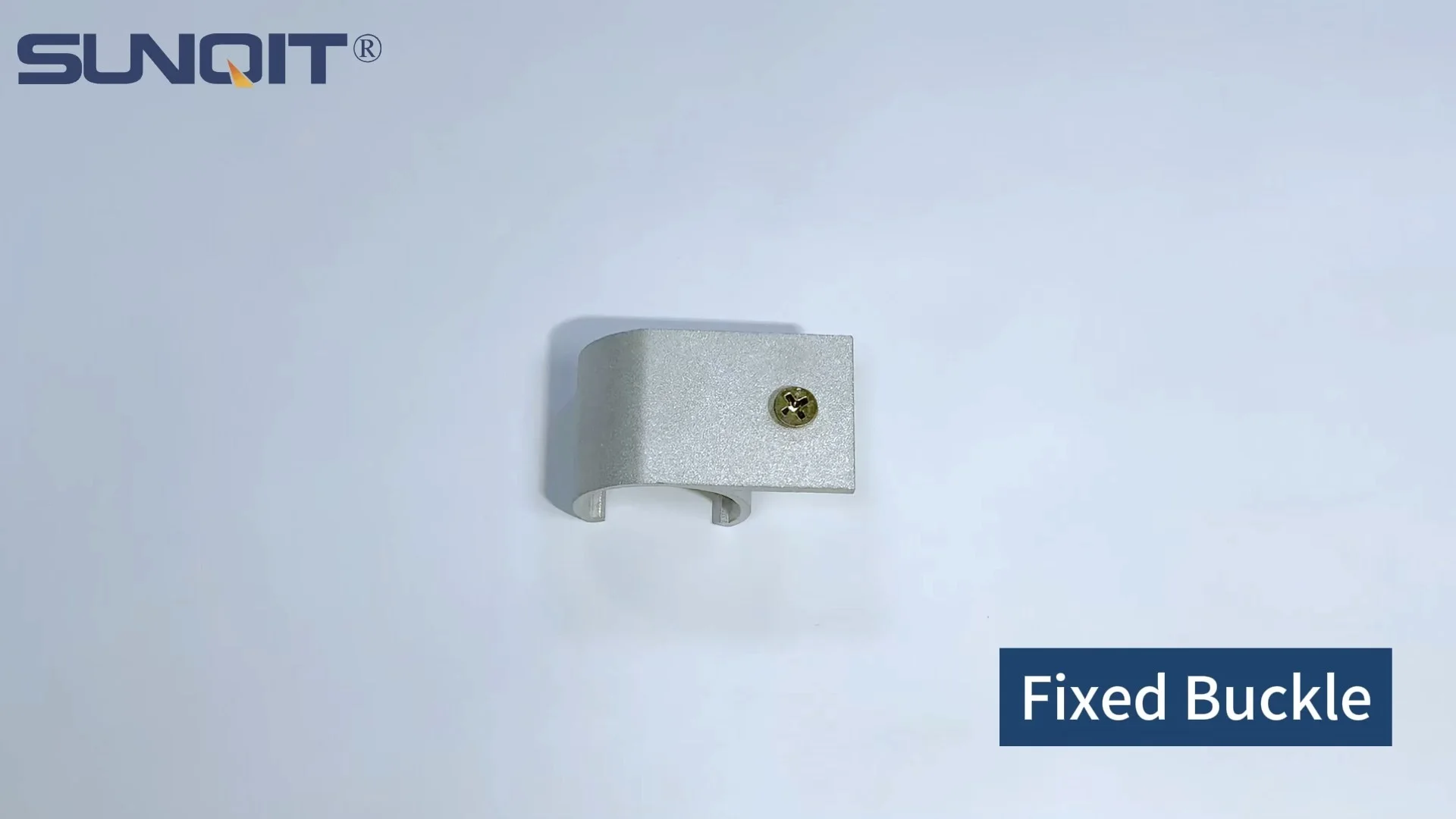
Aluminum Pipe Clamp
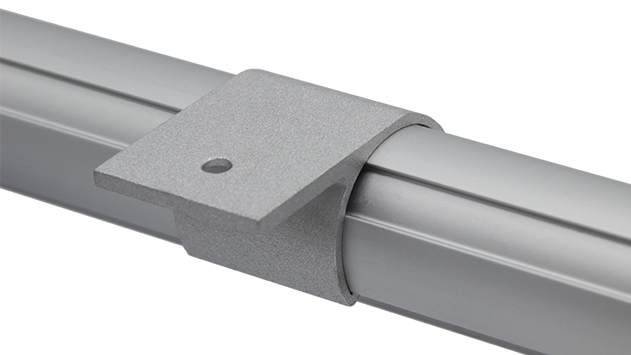
Aluminum pipe side clamp used for 28mm aluminum pipe connect with table top, or other accessories.
In the world of industrial assembly, manufacturing, and even DIY projects, it's often the smallest components that hold the biggest systems together. Think about the workbenches in a factory, the material racks in a warehouse, or the custom storage solutions in a garage—behind their stability and functionality lies a network of unsung heroes: clamps. Among these, aluminum pipe clamps stand out as versatile, durable, and indispensable tools. Lightweight yet strong, corrosion-resistant yet affordable, they play a critical role in securing pipes, profiles, and components in everything from automated production lines to home workshops. But what exactly is an aluminum pipe clamp, and why has it become a staple in so many industries? Let's dive in and explore this essential component, from its basic definition to its practical applications, and everything in between.
What Is an Aluminum Pipe Clamp?
At its core, an
aluminum pipe clamp
is a device designed to secure, connect, or fasten aluminum pipes, tubes, or profiles to one another or to other structures. Unlike traditional steel clamps, which can be heavy and prone to rust, aluminum pipe clamps leverage the natural advantages of aluminum—lightweight, corrosion-resistant, and malleable—to create reliable, long-lasting connections. Their primary function is to hold components in place while allowing for adjustability, making them ideal for modular systems where flexibility is key.
Imagine a scenario where a manufacturer needs to build a custom workbench. They might use aluminum profiles as the frame, aluminum pipes for support, and aluminum pipe clamps to attach the pipes to the profiles securely. The clamp ensures that the structure doesn't wobble during use, even when heavy tools or materials are placed on it. Without this small but mighty component, the entire setup could shift, leading to inefficiencies or even safety hazards. In short, aluminum pipe clamps are the "glue" that turns individual parts into cohesive, functional systems.
Imagine a scenario where a manufacturer needs to build a custom workbench. They might use aluminum profiles as the frame, aluminum pipes for support, and aluminum pipe clamps to attach the pipes to the profiles securely. The clamp ensures that the structure doesn't wobble during use, even when heavy tools or materials are placed on it. Without this small but mighty component, the entire setup could shift, leading to inefficiencies or even safety hazards. In short, aluminum pipe clamps are the "glue" that turns individual parts into cohesive, functional systems.
Key Features of Aluminum Pipe Clamps
What sets aluminum pipe clamps apart from other types of clamps? Let's break down their most notable features:
Lightweight Design: Aluminum is significantly lighter than steel, which means clamps made from this material add minimal weight to the structures they support. This is especially important in applications like mobile workstations or turnover trolleys, where reducing overall weight improves maneuverability.
Corrosion Resistance: Aluminum naturally forms a protective oxide layer when exposed to air, making it resistant to rust and corrosion. This feature makes aluminum pipe clamps suitable for use in damp environments, such as outdoor workshops or factories with high humidity, without the need for frequent replacements.
Durability: Despite their lightness, aluminum pipe clamps are surprisingly strong. Most are made from high-grade aluminum alloys, which combine strength with flexibility, allowing them to withstand regular use and minor impacts without bending or breaking.
Compatibility with T-Slot Systems: Many aluminum pipe clamps are designed to work seamlessly with t-slot aluminum pipe and aluminum extrusion profile systems. T-slot profiles have grooves (or "slots") along their length, into which clamps can be inserted and tightened. This compatibility enables quick assembly and disassembly, making it easy to reconfigure structures as needs change.
Adjustability: Unlike fixed welds or permanent adhesives, aluminum pipe clamps are adjustable. Most feature screws, bolts, or levers that allow users to tighten or loosen the clamp as needed, ensuring a snug fit regardless of the pipe or profile size. This adjustability also makes them reusable across multiple projects.
Lightweight Design: Aluminum is significantly lighter than steel, which means clamps made from this material add minimal weight to the structures they support. This is especially important in applications like mobile workstations or turnover trolleys, where reducing overall weight improves maneuverability.
Corrosion Resistance: Aluminum naturally forms a protective oxide layer when exposed to air, making it resistant to rust and corrosion. This feature makes aluminum pipe clamps suitable for use in damp environments, such as outdoor workshops or factories with high humidity, without the need for frequent replacements.
Durability: Despite their lightness, aluminum pipe clamps are surprisingly strong. Most are made from high-grade aluminum alloys, which combine strength with flexibility, allowing them to withstand regular use and minor impacts without bending or breaking.
Compatibility with T-Slot Systems: Many aluminum pipe clamps are designed to work seamlessly with t-slot aluminum pipe and aluminum extrusion profile systems. T-slot profiles have grooves (or "slots") along their length, into which clamps can be inserted and tightened. This compatibility enables quick assembly and disassembly, making it easy to reconfigure structures as needs change.
Adjustability: Unlike fixed welds or permanent adhesives, aluminum pipe clamps are adjustable. Most feature screws, bolts, or levers that allow users to tighten or loosen the clamp as needed, ensuring a snug fit regardless of the pipe or profile size. This adjustability also makes them reusable across multiple projects.
Types of Aluminum Pipe Clamps
Aluminum pipe clamps come in a variety of designs, each tailored to specific applications. Understanding the different types can help you choose the right clamp for your project. Below is an overview of the most common types, followed by a comparison table for quick reference.
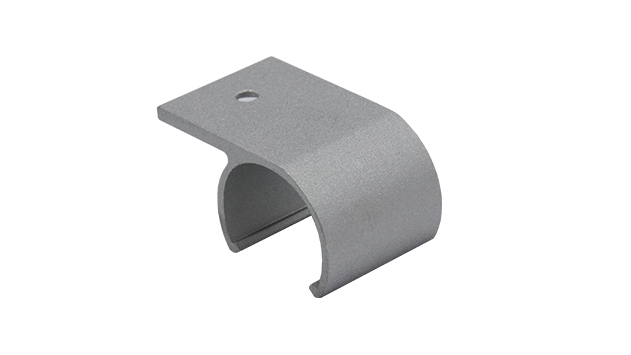
1. Fixed Aluminum Pipe Clamps
As the name suggests, fixed clamps are designed for permanent or semi-permanent installations where the position of the pipe or profile doesn't need to change. They typically have a rigid structure and are tightened using bolts or screws, creating a secure, non-adjustable hold. Fixed clamps are ideal for stationary structures like shelving units or permanent workbench frames.
2. Adjustable Aluminum Pipe Clamps
Adjustable clamps are the most versatile type, featuring a sliding or pivoting mechanism that allows users to change the clamp's size or angle. They often have a range of adjustability (e.g., fitting pipes from 1 inch to 2 inches in diameter) and are secured using a thumbscrew or hex key. These clamps are perfect for projects where components may need to be repositioned, such as temporary workstations or modular material racks.
3. Parallel Fixation Aluminum Pipe Clamps
Parallel fixation clamps are designed to hold two pipes or profiles parallel to each other, such as the legs of a workbench or the rails of a conveyor system. They have two clamping surfaces that align parallel to one another, ensuring even pressure distribution and preventing the components from twisting or misaligning.
4. T-Slot Aluminum Pipe Clamps
Specifically engineered for use with t-slot aluminum profiles, these clamps have a tongue-like end that fits into the profile's slot. Once inserted, they can be slid along the slot to the desired position and tightened, creating a secure connection without drilling or welding. T-slot clamps are a favorite in industrial settings for their speed and ease of use.
1. Fixed Aluminum Pipe Clamps
As the name suggests, fixed clamps are designed for permanent or semi-permanent installations where the position of the pipe or profile doesn't need to change. They typically have a rigid structure and are tightened using bolts or screws, creating a secure, non-adjustable hold. Fixed clamps are ideal for stationary structures like shelving units or permanent workbench frames.
2. Adjustable Aluminum Pipe Clamps
Adjustable clamps are the most versatile type, featuring a sliding or pivoting mechanism that allows users to change the clamp's size or angle. They often have a range of adjustability (e.g., fitting pipes from 1 inch to 2 inches in diameter) and are secured using a thumbscrew or hex key. These clamps are perfect for projects where components may need to be repositioned, such as temporary workstations or modular material racks.
3. Parallel Fixation Aluminum Pipe Clamps
Parallel fixation clamps are designed to hold two pipes or profiles parallel to each other, such as the legs of a workbench or the rails of a conveyor system. They have two clamping surfaces that align parallel to one another, ensuring even pressure distribution and preventing the components from twisting or misaligning.
4. T-Slot Aluminum Pipe Clamps
Specifically engineered for use with t-slot aluminum profiles, these clamps have a tongue-like end that fits into the profile's slot. Once inserted, they can be slid along the slot to the desired position and tightened, creating a secure connection without drilling or welding. T-slot clamps are a favorite in industrial settings for their speed and ease of use.
| Type of Clamp | Design Feature | Adjustability | Best For |
|---|---|---|---|
| Fixed Aluminum Pipe Clamp | Rigid structure with bolt/screw tightening | Non-adjustable once installed | Stationary structures (shelving, permanent frames) |
| Adjustable Aluminum Pipe Clamp | Sliding/pivoting mechanism with thumbscrew/hex key | High (fits multiple pipe sizes/angles) | Temporary or reconfigurable setups (modular racks, mobile workstations) |
| Parallel Fixation Clamp | Dual parallel clamping surfaces | Limited (sizes fixed, but angle may adjust) | Aligning parallel components (workbench legs, conveyor rails) |
| T-Slot Aluminum Pipe Clamp | Tongue-like end for t-slot profile insertion | High (slidable along t-slot; adjustable tightness) | T-slot aluminum extrusion profile systems (industrial assembly, DIY projects) |
Materials & Manufacturing: Why Aluminum?
You might be wondering: Why use aluminum for pipe clamps when steel or plastic is also available? The answer lies in aluminum's unique combination of properties, which make it the ideal material for this application. Let's take a closer look at the materials and manufacturing processes that go into making aluminum pipe clamps.
Aluminum Alloys: The Foundation
Most aluminum pipe clamps are made from aluminum alloys, not pure aluminum. Pure aluminum is soft and malleable, which isn't ideal for a component that needs to withstand pressure. Alloys like 6061 or 6063 are commonly used because they blend aluminum with small amounts of silicon and magnesium, creating a material that's strong, corrosion-resistant, and easy to machine. For example, 6061 aluminum is known for its high tensile strength, making it suitable for heavy-duty clamps, while 6063 is prized for its excellent extrudability, which is key in manufacturing complex shapes like t-slot clamps.
The Aluminum Extrusion Process
Many aluminum pipe clamps (and the aluminum extrusion profile s they connect to) are made using the extrusion process. Extrusion involves heating aluminum billets until they're malleable, then forcing them through a die (a mold) to create a specific cross-sectional shape. This process allows manufacturers to produce clamps with intricate designs—like the tongue ends of t-slot clamps or the curved surfaces of parallel fixation clamps—quickly and consistently. Extrusion also ensures that the clamps have uniform strength throughout, as the material's grain structure aligns with the direction of extrusion.
Surface Treatments
To enhance their performance, aluminum pipe clamps often undergo surface treatments. Anodizing is one of the most common: this electrochemical process thickens the natural oxide layer on the aluminum's surface, making it more resistant to scratches, corrosion, and wear. Anodized clamps also have a sleek, professional finish, which is why they're often used in visible applications like retail displays or office furniture. Other treatments include powder coating (for color customization) or chromate conversion coating (for improved adhesion in painting or bonding).
Aluminum Alloys: The Foundation
Most aluminum pipe clamps are made from aluminum alloys, not pure aluminum. Pure aluminum is soft and malleable, which isn't ideal for a component that needs to withstand pressure. Alloys like 6061 or 6063 are commonly used because they blend aluminum with small amounts of silicon and magnesium, creating a material that's strong, corrosion-resistant, and easy to machine. For example, 6061 aluminum is known for its high tensile strength, making it suitable for heavy-duty clamps, while 6063 is prized for its excellent extrudability, which is key in manufacturing complex shapes like t-slot clamps.
The Aluminum Extrusion Process
Many aluminum pipe clamps (and the aluminum extrusion profile s they connect to) are made using the extrusion process. Extrusion involves heating aluminum billets until they're malleable, then forcing them through a die (a mold) to create a specific cross-sectional shape. This process allows manufacturers to produce clamps with intricate designs—like the tongue ends of t-slot clamps or the curved surfaces of parallel fixation clamps—quickly and consistently. Extrusion also ensures that the clamps have uniform strength throughout, as the material's grain structure aligns with the direction of extrusion.
Surface Treatments
To enhance their performance, aluminum pipe clamps often undergo surface treatments. Anodizing is one of the most common: this electrochemical process thickens the natural oxide layer on the aluminum's surface, making it more resistant to scratches, corrosion, and wear. Anodized clamps also have a sleek, professional finish, which is why they're often used in visible applications like retail displays or office furniture. Other treatments include powder coating (for color customization) or chromate conversion coating (for improved adhesion in painting or bonding).

How Aluminum Pipe Clamps Work with Aluminum Profiles
Aluminum pipe clamps rarely work alone—they're part of a larger ecosystem of aluminum components, with
aluminum profiles
being their most common partners. Aluminum profiles are long, structural pieces with a consistent cross-section, used to build frames, racks, workbenches, and more. When paired with clamps, they create modular systems that are easy to assemble, disassemble, and reconfigure. Let's walk through how this partnership works.
T-Slot Profiles: The Backbone of Modular Systems
T-slot aluminum profiles are the most popular type for use with aluminum pipe clamps. These profiles have one or more T-shaped slots running along their length. The slots are designed to accept accessories like clamps, brackets, or shelves, which can be secured using bolts or set screws. For example, a t-slot profile might form the side of a workbench, and an aluminum pipe clamp inserted into the slot can hold a horizontal pipe that acts as a tool rail.
Assembly in Action: Building a Simple Shelf
Let's say you want to build a small shelf using aluminum profiles and clamps. Here's how the process might go:
Beyond Profiles: Connecting Pipes and Accessories
Aluminum pipe clamps aren't limited to profiles—they can also connect aluminum pipes to each other or to other accessories like caster wheels, roller tracks, or workbench surfaces. For example, a parallel fixation clamp might be used to attach two perpendicular pipes at a 90-degree angle, creating a corner joint for a frame. Or a fixed clamp could secure a roller track to a material rack, allowing boxes to slide smoothly from one level to another. The possibilities are nearly endless, thanks to the clamp's ability to adapt to different shapes and sizes.
T-Slot Profiles: The Backbone of Modular Systems
T-slot aluminum profiles are the most popular type for use with aluminum pipe clamps. These profiles have one or more T-shaped slots running along their length. The slots are designed to accept accessories like clamps, brackets, or shelves, which can be secured using bolts or set screws. For example, a t-slot profile might form the side of a workbench, and an aluminum pipe clamp inserted into the slot can hold a horizontal pipe that acts as a tool rail.
Assembly in Action: Building a Simple Shelf
Let's say you want to build a small shelf using aluminum profiles and clamps. Here's how the process might go:
- Cut four aluminum profiles to the desired height (the shelf legs) and two profiles to the desired length (the shelf rails).
- insert T-slot aluminum pipe clamps into the slots at the top of each leg profile.
- Align the rail profiles with the clamps, ensuring they're level.
- Tighten the clamps using a hex key, securing the rails to the legs.
- Repeat the process for the bottom rails to add stability.
- Place a shelf board on top of the rails, and use additional clamps to secure it if needed.
Beyond Profiles: Connecting Pipes and Accessories
Aluminum pipe clamps aren't limited to profiles—they can also connect aluminum pipes to each other or to other accessories like caster wheels, roller tracks, or workbench surfaces. For example, a parallel fixation clamp might be used to attach two perpendicular pipes at a 90-degree angle, creating a corner joint for a frame. Or a fixed clamp could secure a roller track to a material rack, allowing boxes to slide smoothly from one level to another. The possibilities are nearly endless, thanks to the clamp's ability to adapt to different shapes and sizes.
Practical Applications of Aluminum Pipe Clamps
Aluminum pipe clamps are used across a wide range of industries and settings, from large-scale factories to home garages. Let's explore some of their most common applications:
Industrial Manufacturing
In manufacturing plants, aluminum pipe clamps are used to build assembly lines, workstations, and material handling systems. For example, automotive factories often use t-slot profiles and clamps to create custom workbenches where workers assemble car parts. The clamps allow the workbenches to be adjusted to different heights or reconfigured when production needs change. They're also used in electronics manufacturing to secure delicate components during assembly, as their lightweight design minimizes the risk of damaging sensitive parts.
Warehouse and Logistics
Warehouses rely on aluminum pipe clamps to build storage racks, conveyor systems, and turnover trolleys. For instance, a material rack with multiple shelves might be constructed using aluminum profiles and clamps, allowing for easy adjustment of shelf heights to accommodate different-sized boxes. Roller tracks, which help move materials along a conveyor, are often attached to racks using clamps, ensuring they stay in place even when heavy items are rolled over them.
DIY and Hobby Projects
Hobbyists and DIY enthusiasts love aluminum pipe clamps for their versatility and ease of use. Whether building a custom tool organizer in the garage, a bookshelf for the home office, or a mobile cart for gardening supplies, clamps make it possible to create sturdy structures without welding or advanced tools. Many DIYers appreciate that aluminum is lightweight enough to work with alone, unlike steel, which often requires a second person to hold pieces in place during assembly.
Medical and Laboratory Settings
In medical facilities or laboratories, cleanliness and corrosion resistance are critical. Aluminum pipe clamps are ideal here because they're easy to sanitize and won't rust when exposed to cleaning chemicals. They're used to build equipment like IV stands, lab workstations, or storage racks for medical supplies, where stability and hygiene are top priorities.
Retail and Display
Retail stores often use aluminum pipe clamps to create custom display racks for clothing, electronics, or other merchandise. The sleek, modern look of aluminum fits well with contemporary store designs, and the clamps allow for quick changes to displays—important for seasonal promotions or new product launches. For example, a clothing store might use t-slot profiles and clamps to build a hanging rack that can be adjusted to different heights or widths depending on the garments being displayed.
Industrial Manufacturing
In manufacturing plants, aluminum pipe clamps are used to build assembly lines, workstations, and material handling systems. For example, automotive factories often use t-slot profiles and clamps to create custom workbenches where workers assemble car parts. The clamps allow the workbenches to be adjusted to different heights or reconfigured when production needs change. They're also used in electronics manufacturing to secure delicate components during assembly, as their lightweight design minimizes the risk of damaging sensitive parts.
Warehouse and Logistics
Warehouses rely on aluminum pipe clamps to build storage racks, conveyor systems, and turnover trolleys. For instance, a material rack with multiple shelves might be constructed using aluminum profiles and clamps, allowing for easy adjustment of shelf heights to accommodate different-sized boxes. Roller tracks, which help move materials along a conveyor, are often attached to racks using clamps, ensuring they stay in place even when heavy items are rolled over them.
DIY and Hobby Projects
Hobbyists and DIY enthusiasts love aluminum pipe clamps for their versatility and ease of use. Whether building a custom tool organizer in the garage, a bookshelf for the home office, or a mobile cart for gardening supplies, clamps make it possible to create sturdy structures without welding or advanced tools. Many DIYers appreciate that aluminum is lightweight enough to work with alone, unlike steel, which often requires a second person to hold pieces in place during assembly.
Medical and Laboratory Settings
In medical facilities or laboratories, cleanliness and corrosion resistance are critical. Aluminum pipe clamps are ideal here because they're easy to sanitize and won't rust when exposed to cleaning chemicals. They're used to build equipment like IV stands, lab workstations, or storage racks for medical supplies, where stability and hygiene are top priorities.
Retail and Display
Retail stores often use aluminum pipe clamps to create custom display racks for clothing, electronics, or other merchandise. The sleek, modern look of aluminum fits well with contemporary store designs, and the clamps allow for quick changes to displays—important for seasonal promotions or new product launches. For example, a clothing store might use t-slot profiles and clamps to build a hanging rack that can be adjusted to different heights or widths depending on the garments being displayed.
Benefits Over Other Clamp Materials
Aluminum pipe clamps aren't the only option on the market—steel, plastic, and even wood clamps are available. So why choose aluminum? Let's compare aluminum pipe clamps to these alternatives to highlight their unique benefits:
Aluminum vs. Steel Clamps
Steel clamps are strong and durable, but they're also heavy and prone to rust. In contrast, aluminum clamps are lightweight, making them easier to handle and install, especially in large projects. They also don't rust, which extends their lifespan in humid or wet environments. While steel may have a higher tensile strength, aluminum alloys like 6061 are more than strong enough for most industrial or DIY applications, and the weight savings often outweigh the minor strength difference.
Aluminum vs. Plastic Clamps
Plastic clamps are cheap and lightweight, but they lack the strength and heat resistance of aluminum. A plastic clamp might warp or break if used to secure heavy pipes or if exposed to high temperatures (like near a welding station). Aluminum clamps, on the other hand, maintain their shape and strength even under stress, making them more reliable for long-term use. They also have a more professional appearance, which matters in settings like retail displays or medical facilities.
Aluminum vs. Wood Clamps
Wood clamps are often used in woodworking, but they're not suitable for industrial applications. Wood can warp, rot, or splinter over time, and it doesn't pair well with metal pipes or profiles. Aluminum clamps are far more durable and versatile, making them the clear choice for any project involving metal components.
Aluminum vs. Steel Clamps
Steel clamps are strong and durable, but they're also heavy and prone to rust. In contrast, aluminum clamps are lightweight, making them easier to handle and install, especially in large projects. They also don't rust, which extends their lifespan in humid or wet environments. While steel may have a higher tensile strength, aluminum alloys like 6061 are more than strong enough for most industrial or DIY applications, and the weight savings often outweigh the minor strength difference.
Aluminum vs. Plastic Clamps
Plastic clamps are cheap and lightweight, but they lack the strength and heat resistance of aluminum. A plastic clamp might warp or break if used to secure heavy pipes or if exposed to high temperatures (like near a welding station). Aluminum clamps, on the other hand, maintain their shape and strength even under stress, making them more reliable for long-term use. They also have a more professional appearance, which matters in settings like retail displays or medical facilities.
Aluminum vs. Wood Clamps
Wood clamps are often used in woodworking, but they're not suitable for industrial applications. Wood can warp, rot, or splinter over time, and it doesn't pair well with metal pipes or profiles. Aluminum clamps are far more durable and versatile, making them the clear choice for any project involving metal components.
Installation Guide: How to Use Aluminum Pipe Clamps
Installing aluminum pipe clamps is a straightforward process, even if you're new to DIY or industrial assembly. Here's a step-by-step guide to help you get started:
Tools You'll Need
Before you begin, gather the following tools:
Step 1: Measure and Mark
Start by measuring the area where you'll install the clamp. Use a pencil to mark the position on the pipe or profile where the clamp will go. For t-slot profiles, make sure the mark aligns with the slot—this will ensure the clamp can be inserted properly. If you're connecting two components (like a pipe to a profile), mark both pieces to ensure they align correctly.
Step 2: insert the Clamp
For t-slot clamps: Slide the clamp's tongue end into the t-slot of the profile. Push it along the slot until it reaches your marked position. For fixed or adjustable clamps: Place the clamp around the pipe or component, ensuring the clamping surfaces are aligned with your marks.
Step 3: Align the Components
If you're attaching a second component (e.g., a pipe to a profile), position it against the clamp. Use a level to check that the component is straight—this is crucial for stability. If needed, tap the component gently with a rubber mallet to adjust its position.
Step 4: Tighten the Clamp
Use a hex key or screwdriver to tighten the clamp's screw or bolt. Turn it clockwise until the clamp holds the components firmly in place. Be careful not to overtighten—this could strip the threads or damage the aluminum. A good rule of thumb is to tighten until you feel resistance, then give it a quarter-turn more.
Step 5: Test Stability
Once the clamp is tight, give the components a gentle shake or push to test stability. If they wobble, check the alignment and tighten the clamp a bit more. If they still move, you may need to adjust the position of the clamp or add additional clamps for support.
Pro Tip: For t-slot systems, consider using two clamps per connection point (one on each side of the component) for extra stability, especially if the structure will hold heavy loads.
Tools You'll Need
Before you begin, gather the following tools:
- Aluminum pipe clamps (of course!)
- Aluminum pipes or profiles to connect
- Measuring tape and pencil (to mark positions)
- Level (to ensure components are straight)
- Hex key or screwdriver (depending on the clamp's tightening mechanism)
- Rubber mallet (optional, for gently adjusting positions)
Step 1: Measure and Mark
Start by measuring the area where you'll install the clamp. Use a pencil to mark the position on the pipe or profile where the clamp will go. For t-slot profiles, make sure the mark aligns with the slot—this will ensure the clamp can be inserted properly. If you're connecting two components (like a pipe to a profile), mark both pieces to ensure they align correctly.
Step 2: insert the Clamp
For t-slot clamps: Slide the clamp's tongue end into the t-slot of the profile. Push it along the slot until it reaches your marked position. For fixed or adjustable clamps: Place the clamp around the pipe or component, ensuring the clamping surfaces are aligned with your marks.
Step 3: Align the Components
If you're attaching a second component (e.g., a pipe to a profile), position it against the clamp. Use a level to check that the component is straight—this is crucial for stability. If needed, tap the component gently with a rubber mallet to adjust its position.
Step 4: Tighten the Clamp
Use a hex key or screwdriver to tighten the clamp's screw or bolt. Turn it clockwise until the clamp holds the components firmly in place. Be careful not to overtighten—this could strip the threads or damage the aluminum. A good rule of thumb is to tighten until you feel resistance, then give it a quarter-turn more.
Step 5: Test Stability
Once the clamp is tight, give the components a gentle shake or push to test stability. If they wobble, check the alignment and tighten the clamp a bit more. If they still move, you may need to adjust the position of the clamp or add additional clamps for support.
Pro Tip: For t-slot systems, consider using two clamps per connection point (one on each side of the component) for extra stability, especially if the structure will hold heavy loads.
Maintenance Tips for Long-Lasting Performance
Aluminum pipe clamps are designed to be low-maintenance, but a little care can go a long way in extending their lifespan. Here are some simple maintenance tips:
Keep Them Clean
Dust, dirt, and debris can accumulate in the clamp's threads or t-slot connections, making them harder to adjust. Wipe down your clamps regularly with a damp cloth to remove buildup. For stubborn grime, use a soft-bristled brush to scrub the threads or slot areas. Avoid harsh chemicals, as they can damage the aluminum's surface treatment.
Check for Loose Fasteners
Over time, vibrations from regular use can loosen the screws or bolts on adjustable clamps. Periodically inspect your clamps and tighten any loose fasteners with a hex key or screwdriver. This will prevent components from shifting and ensure the structure remains stable.
Inspect for Wear
Look for signs of wear, such as bent clamping surfaces, stripped threads, or cracks in the aluminum. If a clamp is damaged, replace it immediately—using a worn clamp can compromise the safety of the entire structure. Most aluminum pipe clamps are affordable, so replacing them is a small investment compared to the cost of a collapsed shelf or workstation.
Lubricate Threads (If Needed)
If you notice that adjusting the clamp's screw or bolt is becoming difficult, apply a small amount of dry lubricant (like graphite powder) to the threads. Avoid oil-based lubricants, as they can attract dust and create a gummy buildup.
Keep Them Clean
Dust, dirt, and debris can accumulate in the clamp's threads or t-slot connections, making them harder to adjust. Wipe down your clamps regularly with a damp cloth to remove buildup. For stubborn grime, use a soft-bristled brush to scrub the threads or slot areas. Avoid harsh chemicals, as they can damage the aluminum's surface treatment.
Check for Loose Fasteners
Over time, vibrations from regular use can loosen the screws or bolts on adjustable clamps. Periodically inspect your clamps and tighten any loose fasteners with a hex key or screwdriver. This will prevent components from shifting and ensure the structure remains stable.
Inspect for Wear
Look for signs of wear, such as bent clamping surfaces, stripped threads, or cracks in the aluminum. If a clamp is damaged, replace it immediately—using a worn clamp can compromise the safety of the entire structure. Most aluminum pipe clamps are affordable, so replacing them is a small investment compared to the cost of a collapsed shelf or workstation.
Lubricate Threads (If Needed)
If you notice that adjusting the clamp's screw or bolt is becoming difficult, apply a small amount of dry lubricant (like graphite powder) to the threads. Avoid oil-based lubricants, as they can attract dust and create a gummy buildup.
Frequently Asked Questions (FAQs)
Q: Can aluminum pipe clamps be used outdoors?
A: Yes! Aluminum's natural corrosion resistance makes it suitable for outdoor use. However, if the clamps will be exposed to saltwater or harsh chemicals (like in coastal areas), look for clamps with anodized or powder-coated surfaces for extra protection.
Q: What's the maximum weight an aluminum pipe clamp can hold?
A: Weight capacity varies by clamp size and design. Small t-slot clamps might hold 20–50 lbs, while heavy-duty fixed clamps can support 100+ lbs. Always check the manufacturer's specifications for your specific clamp model.
Q: Are aluminum pipe clamps compatible with stainless steel pipes?
A: In most cases, yes. Aluminum clamps can secure stainless steel pipes as long as the clamp's size matches the pipe's diameter. However, avoid pairing aluminum with galvanized steel, as the two metals can react and cause corrosion (a process called galvanic corrosion).
Q: Can I paint aluminum pipe clamps?
A: Yes, but proper preparation is key. First, clean the clamp with soap and water to remove oils and debris. Then, lightly sand the surface with fine-grit sandpaper to help the paint adhere. Finally, apply a primer designed for aluminum, followed by your chosen paint (acrylic or enamel works best).
Q: Where can I buy aluminum pipe clamps?
A: Aluminum pipe clamps are available from industrial suppliers, hardware stores, and online retailers like Amazon or eBay. For bulk orders or specialized clamps (like t-slot designs), check with suppliers that focus on aluminum extrusion profile systems or lean manufacturing components.
Conclusion: The Unsung Hero of Modular Systems
Aluminum pipe clamps may not be the most glamorous components in an industrial setup or DIY project, but they're undoubtedly among the most essential. Their lightweight design, corrosion resistance, and compatibility with
aluminum extrusion profile
s and
t-slot aluminum pipe
systems make them versatile tools that can turn simple parts into complex, functional structures. Whether you're building a workbench in a factory, a shelf in your garage, or a conveyor system in a warehouse, aluminum pipe clamps provide the stability, adjustability, and durability you need.
As you embark on your next project, remember: the right clamp can make all the difference. By choosing aluminum pipe clamps, you're investing in a component that will stand the test of time, adapt to new challenges, and help you build better, more efficient systems. So the next time you see a sturdy workbench or a neatly organized warehouse, take a moment to appreciate the small but mighty aluminum pipe clamp holding it all together.
As you embark on your next project, remember: the right clamp can make all the difference. By choosing aluminum pipe clamps, you're investing in a component that will stand the test of time, adapt to new challenges, and help you build better, more efficient systems. So the next time you see a sturdy workbench or a neatly organized warehouse, take a moment to appreciate the small but mighty aluminum pipe clamp holding it all together.