- Company Articles
- Products and Technology
- Product knowledge
- What Is an Aluminum Pipe with Board Holder? Definition & Key Functions

What Is an Aluminum Pipe with Board Holder? Definition & Key Functions
Related Product
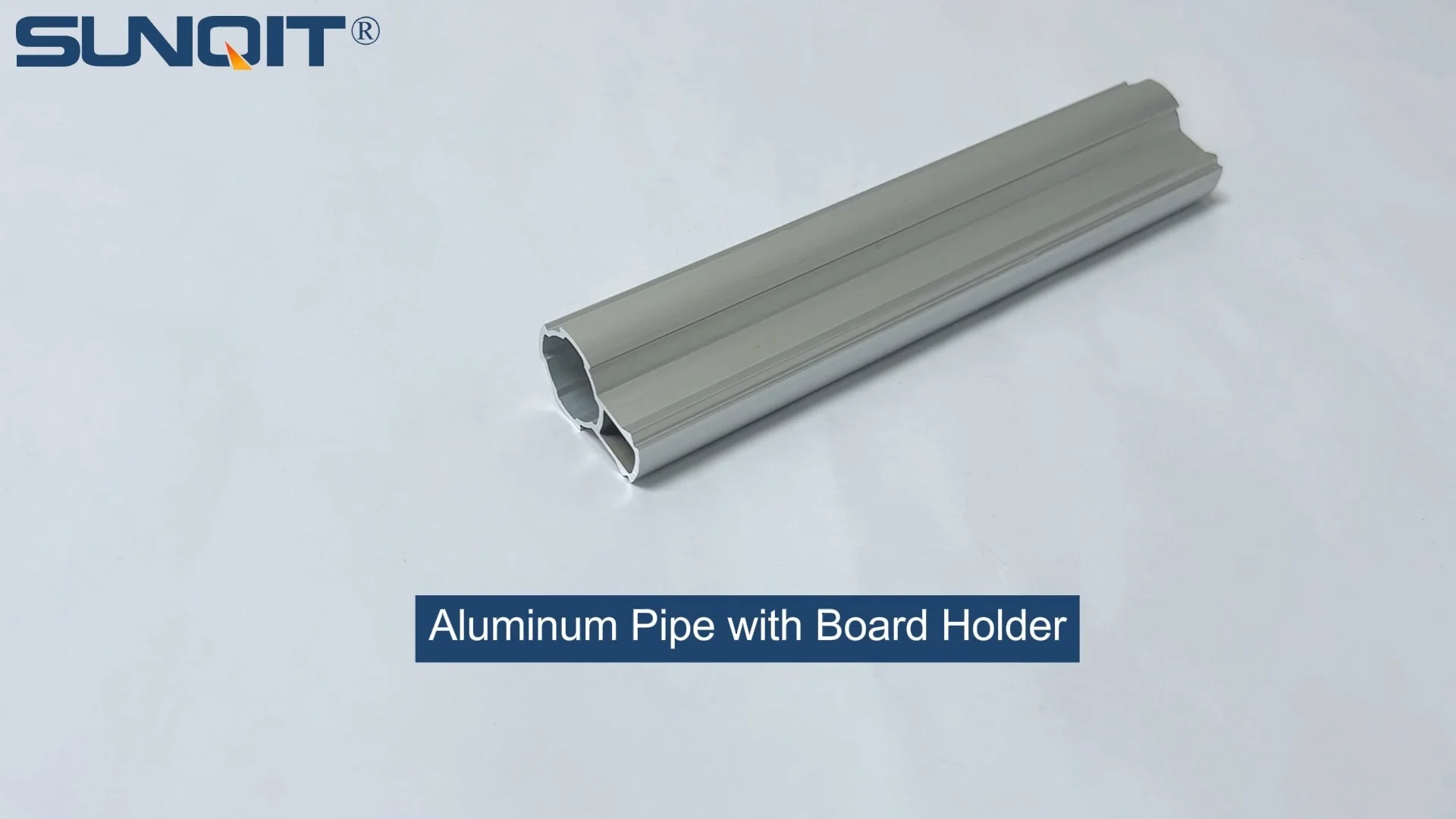
Aluminum Pipe with Board Holder
The linear rolling assembly can be arbitrarily connected in the protruding part of the card slot to increase the rigidity of the track.
In the fast-paced world of manufacturing, warehousing, and production, efficiency isn't just a buzzword—it's the backbone of success. Every tool, every workspace, and every component plays a role in keeping operations running smoothly, reducing waste, and ensuring teams can focus on what matters most: creating quality products. Among the unsung heroes of this efficiency-driven ecosystem is the aluminum pipe with board holder —a modular, adaptable solution that has quietly revolutionized how workspaces are organized, built, and reimagined. Whether you're setting up a new assembly line, optimizing a warehouse, or designing a custom workbench, understanding what this tool is and how it functions can unlock a new level of flexibility and productivity. Let's dive in.
Defining Aluminum Pipe with Board Holder: What It Is and How It Works
At its core, an aluminum pipe with board holder is a modular system designed to combine the structural support of aluminum pipes with the functional utility of a board holder—a component that secures flat surfaces (like workbenches, shelves, display boards, or even tool panels) to the pipe frame. Think of it as a building block for workspaces: the aluminum pipe forms the "skeleton," and the board holder acts as the "muscle" that holds everything in place, turning a simple frame into a fully functional workstation, rack, or storage unit.
What makes this system unique is its modularity . Unlike traditional fixed furniture (think welded steel shelves or bulky wooden workbenches), aluminum pipe with board holder systems are built using lightweight, interlocking components that require no welding, drilling, or specialized tools to assemble. This means you can set it up in hours, reconfigure it in minutes, and adapt it as your needs change—no contractors, no downtime, no hassle. It's a solution designed for the realities of modern work: where production lines shift, product sizes change, and space constraints demand creativity.
A Quick Note on Aluminum Pipes: The Backbone of the System
The "aluminum pipe" in this system isn't just any pipe—it's typically an aluminum extrusion profile , a precision-engineered tube with internal slots (called T-slots) that run along its length. These slots are the secret to the system's flexibility: they allow accessories like brackets, joints, and (you guessed it) board holders to slide in and lock into place using simple nuts and bolts. Common profiles include the 2020, 3030, or 4040 series (names derived from their cross-sectional dimensions in millimeters), each tailored to different load capacities and space requirements. For example, a 2020 profile (20mm x 20mm) might work for lightweight shelving, while a sturdier 4040 profile (40mm x 40mm) could support heavy workbenches or material racks.
Core Components: Breaking Down the Build
To truly understand how an aluminum pipe with board holder works, let's break it down into its key components. Each part plays a critical role in making the system strong, adaptable, and user-friendly.
1. Aluminum Pipe: The Structural Foundation
The aluminum pipe itself is the foundation of the system. Made from high-grade aluminum alloy, it's lightweight yet surprisingly strong—strong enough to support tools, materials, and even human weight (when used in workbench frames). Its T-slot design is what sets it apart from regular pipes: these slots are precision-cut during the extrusion process, ensuring consistent sizing and compatibility with a wide range of aluminum profile accessories . Whether you need a straight pipe for vertical support, a curved section for ergonomic design, or a short segment for a compact shelf, there's an aluminum pipe profile to fit the job.
2. Board Holder: The Functional Interface
If the aluminum pipe is the backbone, the board holder is the hands that hold the workspace together. This component comes in many forms, depending on what you need to "hold." For example:
- Fixed brackets : Simple L-shaped or U-shaped brackets that bolt to the pipe and clamp onto a wooden, plastic, or metal board, creating a stable shelf or work surface.
- Adjustable clamps : Sliding or swiveling holders that let you tilt or rotate the board (useful for angled workbenches or display panels).
- Panel mounts : Specialized accessories designed to secure thin boards (like pegboards for tools or whiteboards for instructions) without damaging the surface.
Most board holders are made from durable materials like aluminum or reinforced plastic, and they're designed to lock into the T-slots of the aluminum pipe, ensuring a tight, wobble-free fit even under heavy loads.
3. Aluminum Pipe Accessories: The Glue That Holds It All Together
No modular system is complete without the accessories that make assembly and customization possible. For aluminum pipe with board holder systems, these include:
- Joints and connectors : 90° elbows, T-joints, or 45° angles (like the 90° aluminum pipe joint inside connection ) that let you build frames, corners, and multi-level structures.
- T-slot nuts and bolts : Small, cylindrical nuts that slide into the pipe's T-slots, allowing you to attach accessories without drilling holes.
- End caps : Plastic or aluminum caps (such as the 4040 aluminum profile end cap ) that cover the ends of pipes, preventing dust buildup and adding a finished look.
- Casters : Wheel attachments (from the caster and accessories family) that turn static frames into mobile workbenches or trolleys—perfect for moving materials across the shop floor.
These accessories transform a pile of pipes and boards into a fully functional system, and they're the reason the aluminum pipe with board holder is so adaptable. Need to add a shelf? Grab a bracket and a T-slot nut. Want to move your workbench? Screw on some casters. It's that simple.

Key Functions: Why It Matters in Daily Operations
Now that we know what an aluminum pipe with board holder is, let's explore why it's become a staple in factories, warehouses, and workshops worldwide. Its functions go far beyond "holding boards"—it's a tool that solves real, day-to-day challenges in the workplace.
1. Organizing Workspaces: Clutter-Free Efficiency
Clutter is the enemy of productivity. A messy workspace wastes time (hunting for tools, tripping over materials) and increases stress. The aluminum pipe with board holder fights clutter by giving you a structured way to organize tools, parts, and documents. Attach a pegboard to the board holder, and suddenly your screwdrivers, pliers, and wrenches have designated spots. Mount a whiteboard, and assembly instructions are always visible. Add a shelf, and raw materials stay off the floor and within arm's reach. It's like having a personal organizer for your workspace—one that you can rearrange whenever your needs change.
In lean manufacturing environments, this organization is critical for lean system principles like 5S (Sort, Set in Order, Shine, Standardize, Sustain). By "setting in order" tools and materials with the help of board holders, teams reduce search time, minimize errors, and create a workspace that's intuitive to use—even for new employees.
2. Ergonomic Support: Comfort Meets Productivity
Repetitive strain injuries (RSIs) and workplace fatigue are common in industries that involve long hours at workbenches or assembly stations. The aluminum pipe with board holder addresses this by letting you design ergonomic workspaces tailored to human needs. Adjust the height of the aluminum pipe, and you can raise or lower the board holder to match the user's elbow height—reducing strain on the shoulders and back. Tilt the board (using adjustable angle holders), and you can position instruction manuals or part bins at eye level, cutting down on neck craning. Even something as simple as adding a footrest (mounted via a board holder) can make a 8-hour shift feel less taxing.
For example, consider a workbench E (single deck-without caster) —a common setup in electronics assembly. Using aluminum pipes for the frame and a board holder to secure the work surface, you can adjust the height to 36 inches (ideal for standing work) or 30 inches (for seated tasks). No more one-size-fits-all workbenches—this system lets you build for the people using it, not the other way around.
3. Flexibility and Adaptability: Growing with Your Needs
In business, change is constant. A product line expands, a new machine is added, or a customer order requires a different workflow. Traditional fixed furniture can't keep up—you either live with inefficiency or pay to replace it. Aluminum pipe with board holder systems, however, thrive on change. Need to add a second shelf to your material rack? Unlock the board holder, slide in a new bracket, and secure the board. Shifting from a standing to a seated workbench? Swap out the pipe for a shorter one. Moving to a new facility? Disassemble the entire system, pack it in a box, and rebuild it in the new space. It's a "future-proof" investment that grows with your business.
This adaptability is especially valuable for small businesses and startups, where budgets are tight and space is limited. Instead of buying separate workbenches, shelves, and trolleys, you can buy one set of pipes, board holders, and accessories, then reconfigure them as needed. Over time, this saves money and reduces waste—two pillars of the lean system philosophy.
4. Integrating with Lean Systems: Supporting Continuous Improvement
Lean manufacturing isn't just about cutting costs—it's about continuous improvement : finding better ways to work, eliminating waste, and empowering teams to take ownership of their processes. The aluminum pipe with board holder fits seamlessly into this mindset. Its modular design makes it easy to test new layouts (a key part of kaizen, or "continuous improvement"). Want to see if a U-shaped assembly line is more efficient than a straight line? Rearrange the pipes and board holders over the weekend and run a trial. If it works, keep it; if not, switch back—no permanent changes, no risk.
Even small adjustments matter. For example, a team might realize that their current workbench setup has tools on the left, but most workers are right-handed. With the aluminum pipe system, they can simply reposition the board holder to mount the tool panel on the right side. It's a small change, but it reduces movement and speeds up tasks—exactly the kind of improvement lean systems aim for.

Common Applications: Where Aluminum Pipe with Board Holder Shines
The versatility of the aluminum pipe with board holder means it's used in almost every corner of the industrial world. Here are a few of the most common applications:
Workbenches
Perhaps the most iconic use case: aluminum pipes form the frame, and the board holder secures the work surface (wood, plastic, or metal). Add accessories like tool hooks, part bins, or LED lights (mounted via board holders), and you've got a custom workbench tailored to your trade—whether you're assembling electronics, repairing machinery, or crafting furniture.
Material Racks and Shelving
Need to store boxes, raw materials, or finished products? Build a multi-level rack using aluminum pipes and board holders. The board holder secures wooden or metal shelves, while the pipes provide vertical support. For example, a material rack B (3 row and 3 floor) —a common design in warehouses—uses this system to create three levels of storage, each adjustable to fit different box sizes.
Assembly Line Stations
On the factory floor, assembly lines require quick access to tools, parts, and instructions. Aluminum pipe with board holder systems are used to build "stations" along the line: each station has a workbench (pipe frame + board holder), a tool panel (board holder + pegboard), and a parts shelf (board holder + shelf). This ensures workers have everything they need within arm's reach, reducing cycle times and errors.
Mobile Trolleys
Add casters to an aluminum pipe frame, and suddenly you've got a mobile trolley. Use board holders to secure shelves, bins, or even a small work surface, and you can transport materials, tools, or finished products across the shop floor with ease. It's a simple solution, but it eliminates the need for heavy lifting and speeds up material flow.
Comparing Materials: Why Aluminum? (And How It Stacks Up)
You might be wondering: why aluminum? Why not steel, plastic, or wood? Let's break down the benefits of aluminum pipes—and why they're the ideal partner for board holders.
Aluminum vs. Steel
Steel is strong, but it's heavy—making it hard to move and expensive to ship. It also rusts if not painted or coated, which is a problem in humid or damp environments. Aluminum, by contrast, is lightweight (about 1/3 the weight of steel), naturally corrosion-resistant (thanks to its oxide layer), and just as strong for most industrial applications. This makes aluminum pipe with board holder systems easier to assemble, reconfigure, and maintain than steel alternatives.
Aluminum vs. Plastic
Plastic pipes are cheap and lightweight, but they lack the strength to support heavy loads (like a workbench with tools). They also warp over time when exposed to heat or sunlight, which can loosen the board holder and create instability. Aluminum extrusion profiles, on the other hand, are rigid and heat-resistant, making them ideal for long-term use in industrial settings.
Aluminum vs. Wood
Wood is classic, but it's prone to warping, rotting, and insect damage. It also can't be easily modified—once you cut a wooden shelf to length, it's fixed. Aluminum pipes, with their T-slots and modular accessories, let you adjust, add, or remove components anytime. For a workspace that needs to evolve, wood simply can't compete.
A Closer Look: Types of Aluminum Pipe with Board Holder (Including a Handy Table)
Not all aluminum pipe with board holder systems are created equal. They come in different configurations, each designed for specific tasks. To help you choose the right one, here's a breakdown of common types, along with their key features and uses:
| Type of System | Aluminum Pipe Series | Board Holder Design | Weight Capacity (kg) | Typical Use Case |
|---|---|---|---|---|
| Basic Workbench Setup | 3030 or 4040 | Fixed bracket (flat or angled) | 100–200 | Assembly workbenches, repair stations |
| Adjustable Angle Material Rack | 2020 or 3030 | Swivel bracket (0°–90° rotation) | 50–100 | Sloped shelves for gravity-fed parts |
| Mobile Tool Trolley | 2020 or 3030 | Multi-panel holder (pegboard + shelf) | 50–80 | Transporting tools across the shop floor |
| Heavy-Duty Storage Rack | 4040 or 4080 | Reinforced bracket (double-sided) | 200–300 | Warehouse storage for large/heavy boxes |
| Ergonomic Standing Desk | 3030 | Height-adjustable bracket | 50–75 | Office or workshop standing workstations |
As you can see, the right system depends on your load, space, and goals. For example, a heavy-duty storage rack needs the sturdiness of a 4040 pipe and reinforced brackets, while a mobile tool trolley can get by with a lighter 2020 pipe and swivel holders.
Assembly 101: How to Build with Aluminum Pipe and Board Holder
One of the best things about aluminum pipe with board holder systems is how easy they are to assemble—even if you're not a DIY expert. Here's a step-by-step guide to building a simple workbench:
- Gather your materials : Aluminum pipes (4040 series for the frame), board holder brackets, T-slots nuts, bolts, a work surface (wood or plastic board), and a hex key (for tightening bolts).
- Build the frame : Use 90° joints to connect the pipes into a rectangle (for the top) and four vertical pipes (for legs). Slide T-slot nuts into the vertical pipes at your desired workbench height.
- Attach the board holder : Place the board holder brackets over the T-slot nuts, then secure them with bolts using the hex key. Make sure the brackets are level—this will keep your work surface from wobbling.
- Mount the work surface : Place the board on top of the brackets and secure it with screws (if needed). For extra stability, add cross-braces between the legs using shorter pipes and joints.
- Add accessories : Slide tool hooks into the T-slots, attach a shelf using additional board holders, or screw on casters for mobility. Done!
Total assembly time? Less than 2 hours for a basic workbench. And if you make a mistake? Just loosen the bolts, adjust, and tighten again. No harm, no foul.
Maintenance Tips: Keeping Your System in Top Shape
Like any tool, an aluminum pipe with board holder system needs a little care to last. Here are some simple maintenance tips:
- Clean regularly : Wipe down aluminum pipes with a damp cloth to remove dust and grease—this prevents buildup in the T-slots, which can make accessories hard to slide.
- Check joints and bolts : Over time, vibrations from daily use can loosen bolts. Tighten them with a hex key every few months to keep the system stable.
- replace worn accessories : If a board holder bracket bends or a caster wheel wears out, swap it out—don't wait for it to break. Most accessories are cheap and easy to find (many suppliers, like lean pipe supplier companies, stock them).
- Protect from moisture : While aluminum is corrosion-resistant, prolonged exposure to water (like in a damp warehouse) can still cause issues. If needed, apply a thin coat of anti-rust spray to metal accessories.
Final Thoughts: Why Aluminum Pipe with Board Holder Is Here to Stay
In a world where efficiency, flexibility, and cost-effectiveness are non-negotiable, the aluminum pipe with board holder system stands out as a solution that delivers on all fronts. It's not just a tool for building workspaces—it's a tool for building better workspaces: ones that adapt to your team, support your processes, and grow with your business. Whether you're a manufacturer looking to optimize assembly lines, a warehouse manager aiming to reduce clutter, or a small business owner in need of affordable, adaptable furniture, this system has something to offer.
So the next time you walk through a well-organized factory or a sleek workshop, take a closer look. Chances are, you'll spot the aluminum pipes and board holders quietly holding it all together—proof that sometimes, the most innovative solutions are the ones that work behind the scenes, making every day a little more efficient, a little more productive, and a lot less stressful.