- Company Articles
- Products and Technology
- Product knowledge
- What Is an Aluminum Side Guard? Key Functions in Manufacturing Safety

What Is an Aluminum Side Guard? Key Functions in Manufacturing Safety
Related Product
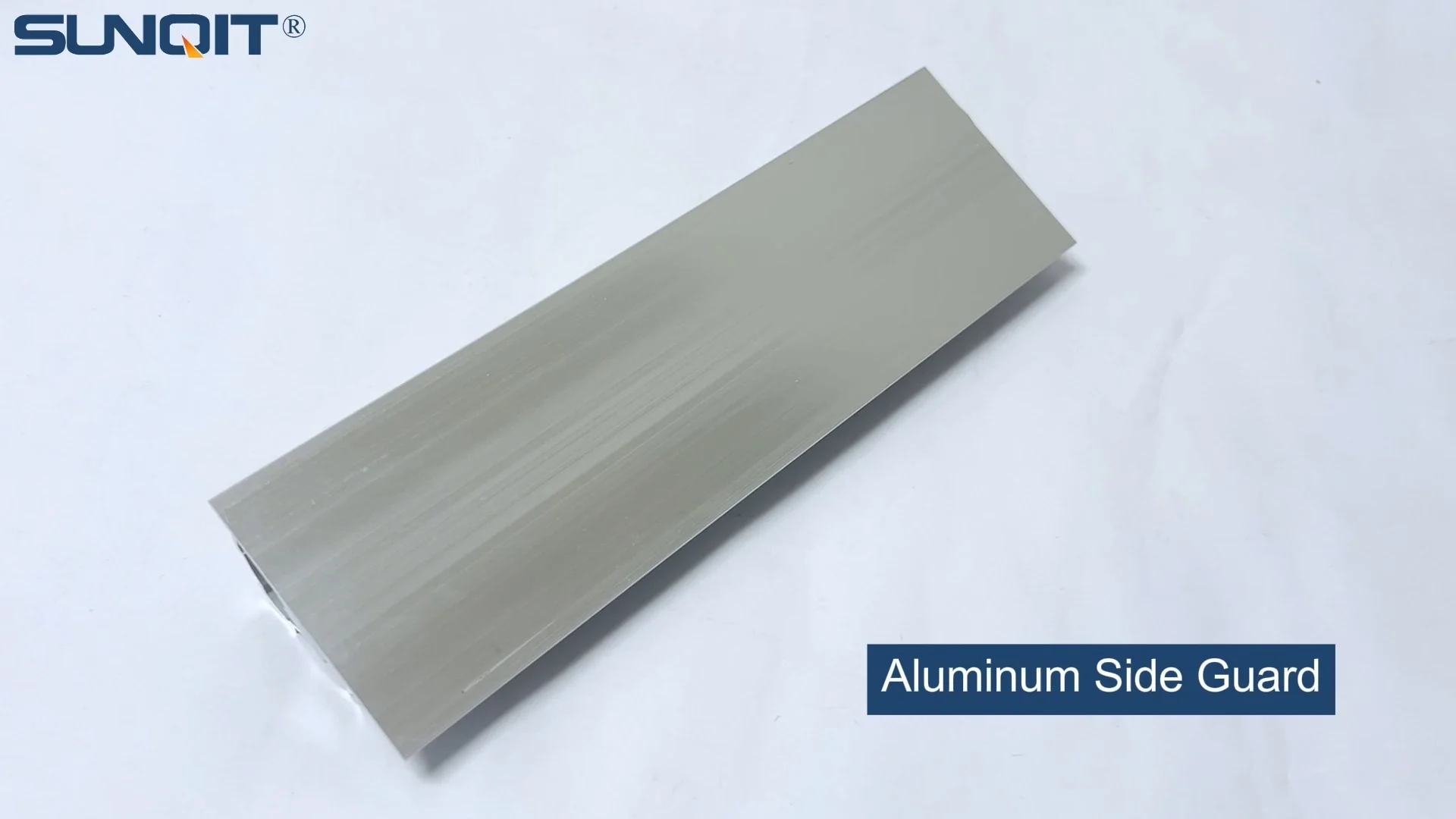
Aluminum Side Guard
Aluminum side guard, it works with a aluminum pipe or a roller track as side guard to prevent material drop,or move to wrong direction.
In the fast-paced world of manufacturing, where precision, efficiency, and speed are paramount, one element stands above all else: safety. Every day, factory floors hum with activity—machines roar, materials flow, and workers collaborate to bring products to life. Amidst this chaos, even the smallest oversight can lead to accidents, injuries, or costly downtime. That's where yet critical components like aluminum side guards come into play. These unassuming barriers are the unsung heroes of industrial safety, quietly preventing mishaps, protecting workers, and ensuring operations run smoothly. But what exactly are aluminum side guards, and why have they become a staple in modern manufacturing environments? Let's dive in.
What Are Aluminum Side Guards?
At their core, aluminum side guards are protective barriers designed to create a physical boundary along the edges of work surfaces, equipment, or material handling systems. Think of them as the "guardrails" of the manufacturing world—they line workbenches, border roller tracks, and frame mobile trolleys, acting as a first line of defense against slips, falls, and collisions. Unlike generic plastic or steel guards, aluminum side guards are crafted from lightweight yet durable aluminum materials, often leveraging aluminum lean pipe or aluminum profile for strength and flexibility.
What sets aluminum side guards apart is their adaptability. They're not one-size-fits-all solutions; instead, they're engineered to integrate seamlessly with a variety of manufacturing setups. Whether mounted on a sleek aluminum workbench in an electronics assembly line, bolted to a roller track in a warehouse, or attached to a caster wheel-equipped trolley in a automotive plant, these guards are designed to fit the unique contours of the workspace. Their modular design, often using aluminum profile accessories like brackets and connectors, allows teams to customize height, length, and even shape to meet specific safety needs—no two factories are the same, and neither are their side guard requirements.
Real-World Context: Walk into any modern manufacturing facility, and you'll spot aluminum side guards in action. At a pharmaceutical packaging plant, they line workbenches where workers sort pills into bottles, preventing small containers from sliding off the edge onto the floor. In a automotive parts warehouse, they run alongside roller tracks, guiding heavy engine components as they glide toward assembly stations. Even in a small-scale electronics workshop, they border mobile trolleys (fitted with sturdy caster wheels) that transport sensitive circuit boards, ensuring fragile parts stay secure during movement.
Materials & Construction: Why Aluminum?
To understand the value of aluminum side guards, we first need to unpack the materials that make them tick. While side guards can be made from plastic, steel, or wood, aluminum has emerged as the material of choice for forward-thinking manufacturers—and for good reason. Let's break down the key components that go into crafting these safety essentials:
Aluminum Lean Pipe: The Backbone of Flexibility
At the heart of many aluminum side guards is aluminum lean pipe—a lightweight, corrosion-resistant tubing that's revolutionized industrial design. Unlike traditional steel pipes, aluminum lean pipe combines strength with maneuverability: it's strong enough to withstand daily impacts from tools, materials, or even accidental bumps from workers, yet light enough to be easily adjusted or reconfigured as production lines evolve. This flexibility is critical in modern manufacturing, where workflows shift frequently to adapt to new products or demand spikes.
Aluminum lean pipe is often paired with aluminum profile accessories, such as connectors and brackets, to form the framework of the side guard. These accessories, which include internal rotary aluminum joints and parallel fixation brackets, allow teams to build guards that bend, curve, or extend without compromising stability. For example, a workbench in a furniture factory might require a U-shaped side guard to enclose three sides of the workspace; using aluminum lean pipe and compatible joints, workers can assemble this guard in hours, not days, and reconfigure it later if the workbench is repurposed for a new task.
Aluminum Profile: Rigidity for Heavy-Duty Applications
For high-stress environments—think heavy machinery or high-volume material handling—aluminum profile takes center stage. Aluminum profile, also known as aluminum extrusion profile, is a rigid, structural material created by forcing heated aluminum through a die to form specific cross-sectional shapes (e.g., T-slots, squares, or rectangles). This process results in a material that's not only incredibly strong but also highly customizable: T-slot profiles, for instance, allow for easy attachment of accessories like side guards, shelves, or tool holders using simple bolts or clips.
When used in side guards, aluminum profile provides unmatched rigidity. Imagine a roller track in a logistics hub that transports pallets weighing hundreds of pounds. Here, flimsy plastic guards would buckle under the pressure, but aluminum profile guards—bolted securely to the track's frame—stand firm, guiding pallets smoothly without flexing or warping. The secret lies in the profile's design: its hollow interior reduces weight while its external ridges distribute stress evenly, making it ideal for heavy-duty safety applications.
Why Not Steel or Plastic?
Steel is strong, but it's heavy and prone to rust—a problem in humid factories or facilities that use water-based cleaning solutions. Plastic is lightweight and cheap, but it lacks the durability to withstand repeated impacts; a stray tool dropped on a plastic guard might crack it, rendering it useless. Aluminum, by contrast, offers the best of both worlds: it's rust-resistant (thanks to a natural oxide layer that forms on its surface), lightweight enough for easy installation, and strong enough to handle the rigors of industrial use. Plus, it's recyclable, aligning with the growing push for sustainable manufacturing practices.

Key Functions in Manufacturing Safety
Now that we understand what aluminum side guards are and how they're built, let's explore their most critical role: keeping workers and operations safe. These guards aren't just "nice-to-have" additions—they're active participants in risk mitigation, addressing some of the most common safety hazards in manufacturing. Here are their key functions, backed by real-world examples:
1. Physical Barrier: Preventing Slips and Falls
One of the most obvious yet vital functions of aluminum side guards is acting as a physical barrier. In any workspace, items—tools, materials, even loose screws—have a tendency to migrate toward the edges of surfaces. Without a guard, a slight bump or vibration (from a nearby machine, for example) could send these items tumbling to the floor. For workers standing below, this poses a risk of head injuries or trips; for sensitive equipment on the ground, it could mean costly damage.
Aluminum side guards put a stop to this. Mounted along the edges of workbenches, tables, or elevated platforms, they create a raised lip (typically 2–6 inches high, depending on the application) that keeps items contained. Consider a workbench in an aerospace parts shop, where technicians assemble delicate avionics components. A small wrench or screwdriver falling from the bench could not only injure someone below but also damage expensive equipment. With aluminum side guards in place, tools stay on the bench, and workers can focus on their tasks without constant worry about "edge patrol."
2. Fall Prevention: Protecting Workers on Elevated Surfaces
Elevated work areas—such as mezzanines, platforms, or tall workbenches—are hotspots for fall hazards. According to OSHA, falls from heights are one of the leading causes of workplace fatalities in manufacturing, often resulting from a misstep or loss of balance. Aluminum side guards play a critical role here by acting as mini guardrails, creating a protective perimeter around these elevated spaces.
Take a warehouse mezzanine used for storing bulk materials. Workers frequently climb ladders to access items on the upper levels, and a single misstep could lead to a fall of 10 feet or more. By installing aluminum side guards (made from sturdy aluminum profile) along the mezzanine's edge, employers create a 36-inch-tall barrier (the OSHA-recommended height for guardrails) that prevents accidental falls. The guards are anchored to the mezzanine's frame using heavy-duty brackets, ensuring they can withstand the weight of a worker leaning against them—because safety isn't just about stopping falls; it's about surviving them if they happen.
3. Equipment Protection: Shielding Machinery from Impacts
Manufacturing equipment is expensive—think $100,000 CNC machines or $50,000 robotic arms—and even minor damage can lead to hours of downtime and costly repairs. Aluminum side guards don't just protect workers; they also shield machinery from accidental collisions. In busy factories, where forklifts, pallet jacks, and mobile trolleys (fitted with caster wheels) zip around constantly, the risk of a stray cart slamming into a machine is ever-present. Side guards act as a buffer, absorbing the impact and diverting the cart away from sensitive equipment.
Consider a food processing plant, where a conveyor belt carries raw ingredients toward a packaging machine. The conveyor is flanked by aluminum side guards, which are positioned a few inches away from the machine's outer casing. If a worker accidentally bumps a trolley into the guard, the guard flexes slightly (thanks to its aluminum lean pipe construction) and redirects the trolley, preventing it from crashing into the conveyor's motor or control panel. The guard might sustain a small dent, but the machine stays intact, and production continues uninterrupted.
4. Ergonomic Support: Reducing Strain and Fatigue
Safety isn't just about avoiding accidents—it's also about promoting long-term worker health. Repetitive strain injuries (RSIs), back pain, and muscle fatigue are common in manufacturing, often caused by awkward postures or overreaching for tools. Aluminum side guards, when designed thoughtfully, can double as ergonomic aids, keeping essential items within easy reach and reducing unnecessary movement.
For example, a workbench in an electronics assembly line might feature side guards with built-in tool holders (attached via T-slot aluminum profile accessories). Instead of leaning over the edge to grab a screwdriver from a distant shelf, workers can store tools in the guard's holders, keeping them at waist height. This reduces shoulder and back strain, lowering the risk of RSIs over time. Similarly, roller tracks with side guards can be angled slightly to guide materials toward the worker, eliminating the need to bend or stretch to retrieve heavy items.

Applications: Where Aluminum Side Guards Shine
Aluminum side guards are versatile workhorses, finding a home in nearly every corner of the manufacturing landscape. Let's explore some of their most common applications, and how they enhance safety in each scenario:
Workbenches: The Foundation of Assembly Safety
Workbenches are the workhorses of manufacturing—where products are assembled, inspected, and packaged. Whether in a small workshop or a sprawling factory, workbenches are prone to clutter: tools, parts, and (semi-finished products) pile up, increasing the risk of items sliding off the edge. Aluminum side guards transform these cluttered spaces into organized, safe zones.
Take the "Workbench E (single deck-without caster)"—a common model in electronics and light manufacturing. This workbench features a flat aluminum top, ideal for assembling small parts like circuit boards or watch components. Fitted with aluminum side guards along three edges (leaving one side open for worker access), the bench prevents tiny screws, resistors, or microchips from rolling off onto the floor. In a cleanroom environment, where even a single misplaced part can contaminate a batch, this is invaluable. The guards are often paired with aluminum profile accessories like small shelves or tool hooks, keeping frequently used items within arm's reach and further reducing clutter.
Roller Tracks: Guiding Materials Safely
Roller tracks are the arteries of manufacturing, transporting materials from one station to the next with minimal effort. But without proper guidance, materials can derail, leading to jams, spills, or damage. Aluminum side guards are essential here, acting as "lane dividers" that keep items on track—literally.
Consider a plastic roller track guide rail (yellow or grey) used in a packaging facility to move boxes toward a sealing machine. These tracks rely on gravity or gentle motorized rollers to move boxes, but uneven weight distribution or a slight bump can cause a box to tip sideways. Aluminum side guards, mounted along both edges of the track, prevent this by creating a physical channel. The guards are often paired with roller track placon mounts (flat or high) to attach them securely to the track's aluminum profile frame. For delicate items like glassware or electronics, soft rubber strips (fitted into the T-slots of the aluminum profile) can be added to the guard's edges, cushioning impacts and preventing scratches.
Material Handling Trolleys: Mobile Safety on Caster Wheels
Mobile trolleys, equipped with caster wheels for easy movement, are indispensable for transporting materials across factory floors. But their mobility also makes them prone to tipping or spilling loads—especially when navigating tight corners or uneven surfaces. Aluminum side guards turn these trolleys into secure transport vessels, ensuring loads stay intact during transit.
A "Turnover Trolley and Rack" used in a garment factory is a perfect example. This trolley, fitted with four swivel caster wheels for maneuverability, carries stacks of fabric bolts. Without side guards, a sudden stop or sharp turn could send bolts tumbling off the trolley, creating a tripping hazard. Aluminum side guards, mounted along the trolley's perimeter and reinforced with parallel aluminum joints, keep the bolts contained. The guards are tall enough to wrap around the top third of the load, and their lightweight aluminum construction ensures the trolley remains easy to push (even when fully loaded)—no need for workers to strain their backs moving heavy, unbalanced loads.
A Comparative Look: Aluminum vs. Other Side Guard Materials
To truly appreciate aluminum's (advantages), let's compare it to two common alternatives: steel and plastic. The table below breaks down key factors like durability, weight, and safety features to help you understand why aluminum is the top choice for modern manufacturing.
| Material | Durability | Weight | Corrosion Resistance | Cost | Safety Features |
|---|---|---|---|---|---|
| Aluminum (Lean Pipe/Profile) | High: Withstands impacts, resists dents, and maintains shape over time. | Lightweight: 30-50% lighter than steel, making installation and reconfiguration easy. | Excellent: Natural oxide layer prevents rust, ideal for humid or wet environments. | Moderate: Higher upfront cost than plastic, but lower long-term maintenance costs than steel. | Non-conductive (reduces electric shock risk), customizable height/length, ergonomic accessory integration. |
| Steel | Very High: Extremely strong, but prone to bending under heavy impacts. | Heavy: Difficult to install without machinery; limits reconfiguration flexibility. | Poor: Prone to rust unless painted or galvanized, requiring regular maintenance. | High: Expensive to purchase, install, and maintain (due to corrosion). | High strength for heavy loads, but conductive and lacks ergonomic customization. |
| Plastic (PVC/Polypropylene) | Low: Cracks or deforms under impacts; fades in sunlight. | Lightweight: Easy to handle, but lacks structural stability for heavy use. | Good: Resists corrosion, but not heat-resistant (melts at high temperatures). | Low: Cheap upfront, but needs frequent replacement (high long-term costs). | Non-conductive, but offers minimal impact protection; limited accessory compatibility. |
Installation & Maintenance: Keeping Guards Effective
Even the best safety equipment is useless if it's installed poorly or neglected. Aluminum side guards are low-maintenance, but they still require proper setup and regular checks to ensure they perform when needed. Here's a step-by-step guide to installation and upkeep:
Installation Best Practices
- Assess the Workspace: Before installing, map out the area to determine guard height, length, and placement. For workbenches, measure the edge perimeter and mark where brackets will go. For roller tracks, ensure guards align with the track's slope to avoid (blocking) material flow.
- Use Quality Accessories: Invest in genuine aluminum profile accessories, such as internal rotary joints or roller track placon mounts. Cheap knockoffs may fail under stress, compromising safety.
- Secure Anchoring: Bolt guards to sturdy surfaces (e.g., workbench frames, floor anchors) using heavy-duty screws. For mobile trolleys, weld or clamp guards to the trolley's frame to prevent shifting during movement.
- Test for Stability: After installation, apply gentle pressure to the guard to ensure it doesn't wobble or detach. For elevated guards (e.g., mezzanine railings), perform a load test by leaning against them with moderate force.
Maintenance Tips
- Regular Inspections: Check guards weekly for loose bolts, dents, or corrosion. Tighten any loose fasteners and replace damaged sections immediately—even a small crack can weaken the entire guard.
- Cleaning: Wipe guards with a damp cloth to remove dust, oil, or debris. For greasy environments (e.g., automotive plants), use a mild detergent to prevent slippery buildup.
- Reconfiguration as Needed: As workflows change, don't hesitate to adjust or extend guards. Aluminum's modular design makes it easy to add sections or alter shapes using extra aluminum lean pipe and joints.
- Train Workers: Ensure employees know how to report damaged guards and understand the importance of not removing or tampering with them. A guard that's been taken down "temporarily" is an accident waiting to happen.
Future Trends: Innovations in Aluminum Side Guard Design
As manufacturing evolves, so too do the tools that keep it safe. Aluminum side guards are no exception, with new innovations making them smarter, more durable, and even more integrated with modern workflows. Here are a few trends to watch:
- Smart Sensors: Future guards may incorporate embedded sensors that detect impacts, temperature changes, or even worker proximity. For example, a guard on a robotic assembly line could alert supervisors if a worker gets too close to moving machinery, triggering an automatic shutdown.
- Eco-Friendly Coatings: While aluminum is already recyclable, new powder coatings made from recycled materials are emerging, reducing the environmental footprint of guard production.
- 3D-Printed Accessories: Custom aluminum profile accessories, like brackets or connectors, could soon be 3D-printed on-site, allowing for hyper-specific guard designs tailored to unique workspace needs.
- Integrated Lighting: LED strips embedded in side guards could illuminate work areas, improving visibility and reducing eye strain—especially in dimly lit factories.
Conclusion: Safety That Grows With Your Factory
Aluminum side guards are more than just metal barriers—they're a commitment to safety, efficiency, and worker well-being. By leveraging the strength of aluminum lean pipe, the rigidity of aluminum profile, and the flexibility of modular design, these guards adapt to the ever-changing demands of modern manufacturing. They protect workers from falls, shield equipment from damage, and even reduce ergonomic strain—all while remaining lightweight, durable, and easy to maintain.
As factories continue to embrace lean manufacturing, automation, and sustainability, aluminum side guards will only grow in importance. They're not just a safety measure; they're an investment in the future of your operation—one that pays dividends in reduced downtime, fewer accidents, and a happier, healthier workforce. So the next time you walk through a factory floor, take a moment to appreciate the aluminum side guards lining the workbenches, roller tracks, and trolleys. They may not grab headlines, but they're hard at work, keeping the world of manufacturing safe, one barrier at a time.