- Company Articles
- Products and Technology
- Product knowledge
- What Is an End Support for Roller Track Placon Mount with Stop? A Complete Definition

What Is an End Support for Roller Track Placon Mount with Stop? A Complete Definition
Related Product
End Support for Roller Track Placon Mount with Stop
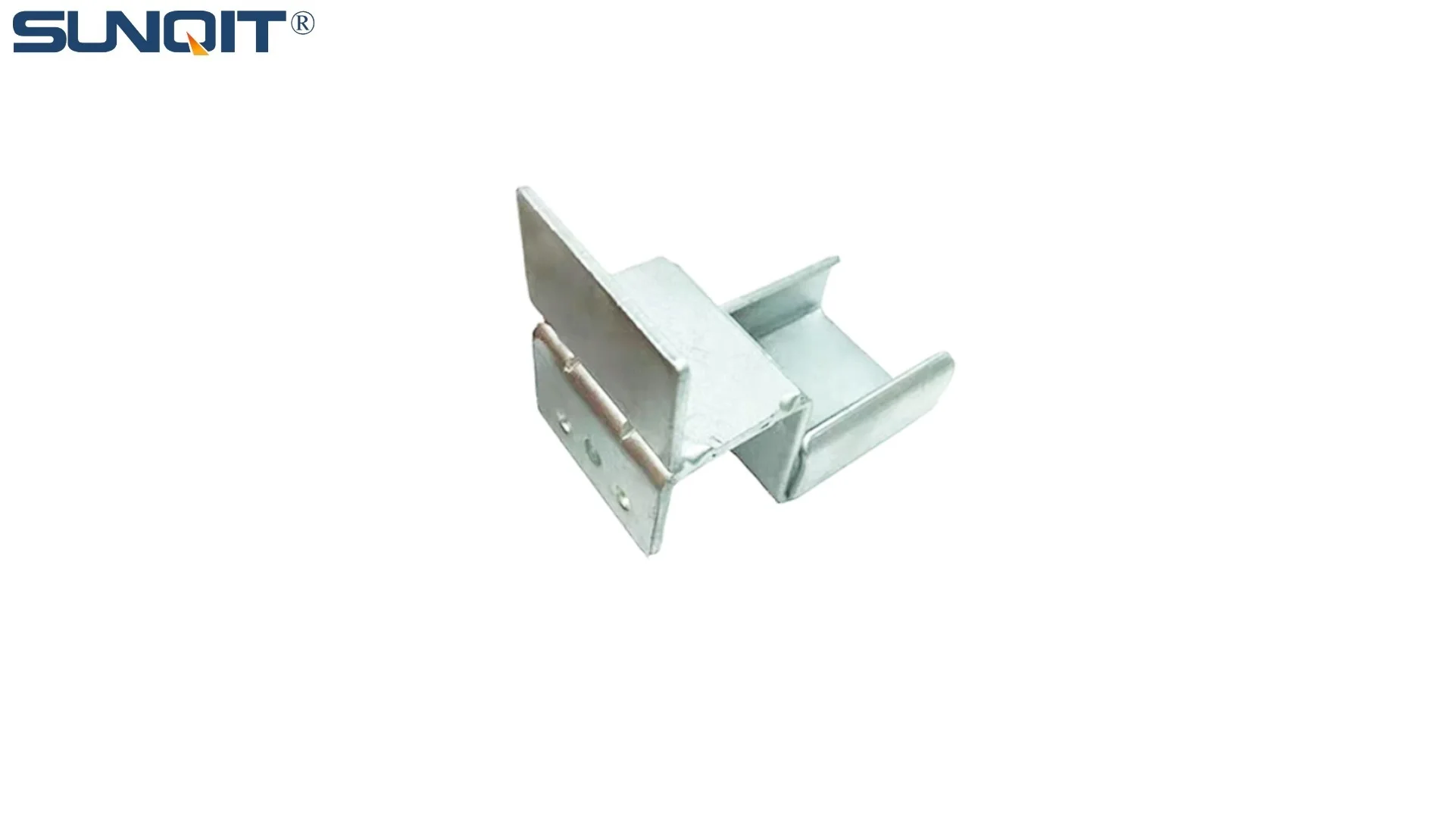
Roller track placon mount work as a connector for roller track and pipe or aluminum profile in rack syetem, it is a necessary parts in rack system which widely used in industrial plant and logistic,warehouse storage.
Picture a busy manufacturing floor: workers assembling car parts, robots moving circuit boards, and carts gliding along sleek tracks carrying components. In all this motion, there's one small but critical detail that keeps everything running smoothly: the parts that keep materials exactly where they need to be, right when they need to be there. Today, we're diving into one of those unsung heroes of lean production: the
End Support for Roller Track Placon Mount with Stop
. It might sound technical, but think of it as the reliable teammate in your production line—quietly ensuring nothing slips, slides, or gets lost in the shuffle. Let's break down what it is, how it works, and why it matters in the world of lean manufacturing.
1. Let's Start with the Basics: What Even Is This Thing?
Let's keep it simple. An
End Support for Roller Track Placon Mount with Stop
is a specialized component designed to do two big jobs for your roller track system:
support
and
stop
.
First, the "end support" part: imagine your roller track (those grooved tracks that let materials glide along) as a bridge. Just like a bridge needs sturdy pillars at the ends, your roller track needs something to hold its far end steady. That's the support job—preventing the track from sagging or wobbling, even when heavy boxes or parts are rolling over it.
Then, the "with stop" part: ever tried sliding a book off a table? It just keeps going until it hits the floor. In a factory, that's a disaster. A "stop" is like a gentle hand that catches the material right at the end of the track, saying, "Okay, you're here—this is where you need to be." No more parts crashing to the ground, no more workers chasing runaway components, and no more wasted time fishing things out from under machines.
And the "placon mount"? That's just the clever way it attaches to your existing setup—usually to aluminum profiles (those industrial metal frames you see everywhere in factories). It's like a universal adapter, making sure the end support fits snugly, no matter what brand or type of roller track you're using.
2. What's in the Box? The Anatomy of an End Support with Stop
You might think it's just a metal bracket, but there's more to it than meets the eye. Let's take it apart (metaphorically, of course) and see what makes it tick:
The Backbone: Support Bracket
This is the main body of the end support—usually made of aluminum or steel (depending on how heavy-duty you need it). Aluminum is popular because it's lightweight but strong, resists rust, and fits right in with the aluminum profiles common in lean systems. It's shaped to cradle the end of the roller track, like a supportive arm.The Guardian: Stop Mechanism
The star of the show! This is the part that actually stops the material. It might be a small raised lip, a rubber pad, or a spring-loaded lever—all designed to gently halt the material without damaging it. For delicate parts (like circuit boards in 3C assembly), you might see soft rubber stops to prevent scratches. For heavier items (like car engine parts), it could be a sturdier metal plate with a buffer.The Connector: Placon Mount Interface
Remember that "placon mount" term? This is where it gets practical. The end support has pre-drilled holes or slots that line up with the T-slots on aluminum profiles (like the 4040 or 3030 profiles you might use for workbenches or racks). It slides right on, and you secure it with bolts or clips—no fancy tools needed. This makes setup a breeze, even if you're rearranging your production line (which, let's face it, happens all the time in lean manufacturing).The Adjuster: Height and Angle Settings
Not all roller tracks are the same height, and not all materials roll at the same angle. Many end supports come with small screws or knobs to tweak the height or tilt slightly. Need to lower the stop by half an inch for smaller parts? Just turn a dial. This flexibility is why it's a favorite in custom setups—like those used in medical device manufacturing, where precision is everything.
Real-World Example:
Imagine a 3C assembly line (think smartphones or laptops). Tiny components like camera lenses or microchips move along a 38mm aluminum roller track. The end support here needs to be lightweight (so it doesn't add extra bulk) and have a soft stop (to protect the delicate parts). An aluminum end support with a rubber stop and placon mount would slide right onto the line's aluminum profile, keeping those lenses exactly where the robot arm needs to pick them up. No fumbling, no scraped parts—just smooth, efficient work.

3. How Does It Actually Work? Let's Walk Through a Day in the Life
Let's say you're running a production line for electric vehicle batteries—a process that requires moving heavy, sensitive components (and lots of them). Here's how the end support with stop fits into your day:
7:00 AM: Your morning shift starts. The roller track system is loaded with battery casings, each weighing about 15 lbs. They need to move from the storage area to the assembly station, where workers will install wiring.
8:15 AM: The first casing glides down the 40mm steel roller track (yellow wheels, if you're curious). As it reaches the end, the stop mechanism on the end support gently catches it. No loud clatter—just a soft "thud" as the rubber pad makes contact. The casing stays put, perfectly aligned with the assembly bench. A worker grabs it, installs the wiring, and sends it on its way.
10:30 AM: A new batch of casings comes in—slightly taller than the last. Your team lead adjusts the end support's height using the built-in screws. Two minutes later, the track is ready. No need to replace the whole component; just a quick tweak. That's the "sustainable improvement" part of lean manufacturing in action.
2:00 PM: A maintenance check. The end support's placon mount is still tight, the stop pad shows no signs of wear, and the aluminum bracket is spotless (no rust, even in the humid factory air). You wipe it down with a cloth—done. Minimal upkeep, maximum reliability.
5:00 PM: End of shift. The production log shows zero incidents of dropped parts, and assembly time per unit is down by 2 minutes. That might not sound like much, but over a week, that's hours saved—all because the end support kept things moving (and stopping) exactly when needed.
The magic here is in the invisibility of it. When it works right, you don't notice it. It's the opposite of those frustrating days when a track sags, or a part slides off—suddenly, everyone's paying attention to the problem. The end support with stop prevents those problems before they start.

4. Where Does It Fit? Industries and Scenarios That Need This
This component isn't just for one type of factory—it's a team player across industries. Here are the areas where it shines brightest:
Automotive and Auto Parts
Car manufacturing is all about heavy parts and fast-paced lines. Steel roller tracks carry engine blocks, door panels, and axles. An end support with a strong steel bracket and a shock-absorbing stop is non-negotiable here. It ensures parts don't slide off during painting or assembly, saving time and reducing scrap.3C Electronics (Phones, Laptops, Gadgets)
Think tiny, delicate parts: circuit boards, microchips, camera modules. These need precision handling, so aluminum end supports with soft, non-conductive stops (ESD-safe, to prevent static damage) are key. They pair perfectly with ESD workbenches and anti-static roller tracks, keeping sensitive electronics safe and on track.Medical Device Manufacturing
Clean rooms, strict regulations, and zero tolerance for errors. Medical tools, surgical instruments, or implant components require end supports that are easy to sanitize (aluminum is great for this) and have no sharp edges (to avoid catching on sterile packaging). The adjustability also helps—different tools need different stopping positions, and you can't afford to waste time swapping out parts.Warehousing and Logistics
In warehouses, flow racks (those gravity-fed racks where boxes slide forward as you take the front one) rely on roller tracks. An end support with a stop ensures boxes don't tumble off the end when the rack is full. It's simple, but it prevents injuries and keeps inventory organized—especially in busy distribution centers.| Industry | Common Roller Track Type | End Support Features Needed |
|---|---|---|
| Automotive | 40mm Steel Roller Track (Black ESD Wheels) | Heavy-duty steel bracket, Shock-absorbing stop |
| 3C Electronics | 38mm Aluminum Roller Track (White Wheels) | Aluminum bracket, ESD-safe rubber stop, Height-adjustable |
| Medical Devices | 30mm Mini Aluminum Roller Track (Yellow) | Sanitizable aluminum, Rounded edges, Soft stop |
| Warehousing | 85mm Staggered Roller Track | Wide base support, Durable plastic stop |

5. Why Bother? The Benefits of Adding This to Your Line
You might be thinking, "Can't I just use a block of wood or a random bracket to stop parts?" Sure, but that's like using duct tape to fix a broken window—temporary, messy, and bound to cause more problems later. Here's why investing in a proper end support with stop is worth it:
It Keeps Your Line Lean (No Waste, No Fuss)
Lean manufacturing is all about cutting waste—time, materials, effort. A good end support means no more chasing dropped parts, no more rework from damaged components, and no more downtime while you fix a sagging track. It's the definition of "small investment, big returns."It's Built to Last (No Cheap Fixes)
These aren't flimsy plastic parts. Aluminum or steel brackets, reinforced stops, and corrosion-resistant finishes mean they'll stand up to daily use, humidity, and even the occasional bump from a forklift. Compare that to a DIY wooden stop, which would warp or crack in a month.It Plays Well with Others (Flexible and Adaptable)
Remember those keywords like "lean system" and "custom solution"? This end support is part of that ecosystem. It works with all kinds of roller tracks (steel, aluminum, mini), connects to standard aluminum profiles, and pairs with other components like guide rails, casters, and connectors. Need to reconfigure your line next month? Just unbolt the end support, move it, and bolt it back down. No redesign, no new parts—just flexibility.It's Safe (Your Team Will Thank You)
A part sliding off a track isn't just a productivity issue—it's a safety hazard. Workers could trip, or heavy items could land on feet. The stop mechanism eliminates that risk, making your floor a safer place to be. Plus, the smooth, rounded edges on most end supports mean no more scraped hands during setup.It's Customizable (Because One Size Rarely Fits All)
Whether you need a stop for a tiny 0.5-inch swivel roller ball track or a heavy-duty 60mm steel roller track, there's an end support designed for it. Some even come with interchangeable stop pads (rubber, foam, metal) so you can match the material to your parts. That's the "custom solution" promise in action—tailored to your needs, not the other way around.6. How to Pick the Right One? A Quick Shopping Guide
Not all end supports are created equal. Here's what to look for when choosing one for your setup:
Know Your Roller Track
First, check your roller track specs: width (38mm? 40mm? 85mm?), material (aluminum or steel?), and wheel type (ESD or standard?). The end support needs to match the track's dimensions—you wouldn't put a small aluminum support on a heavy steel track, right?Think About the Load
How heavy are the parts moving along the track? A 5-lb circuit board needs a lighter support than a 50-lb engine part. Check the end support's weight rating (usually listed in pounds or kilograms) and go a little higher than your average load—better safe than sorry.Consider the Environment
- Wet or humid areas (like food processing or car washes): Go for aluminum or stainless steel to avoid rust. - ESD-sensitive areas (electronics manufacturing): Look for ESD-rated stops and conductive materials to prevent static buildup. - Clean rooms (medical or pharmaceutical): Choose smooth, non-porous surfaces that are easy to sanitize—no crevices for dirt to hide.Check the Placon Mount Compatibility
Your aluminum profile's size matters here. Most end supports fit standard profiles like 2020, 3030, or 4040, but double-check the T-slot dimensions. If you're using a non-standard profile, ask about custom mounts—many suppliers (hint: like the ones offering lean pipe wholesale) can tweak the design for you.Don't Forget the Stop Type
- Soft stop (rubber, foam): Best for delicate parts (glass, electronics). - Hard stop (metal): For heavy, rigid items (steel parts, machinery). - Adjustable stop : If you handle multiple part sizes, this is a must.
Pro Tip:
If you're unsure, talk to a supplier who specializes in lean systems. They can look at your production line setup, ask about your parts, and recommend the perfect end support. Many even offer samples—test it out with your actual parts before buying in bulk. That's the beauty of working with a lean pipe supplier who knows their stuff!
7. Got Questions? We've Got Answers (FAQs)
Q: Can I install this myself, or do I need a technician?
A: You can absolutely install it yourself! Most end supports come with clear instructions, and all you need is a hex key or screwdriver to secure the placon mount to the aluminum profile. It's designed for quick setup—no technical degree required.
Q: How much weight can it actually hold?
A: It depends on the model, but most range from 20 lbs to 200 lbs. Heavy-duty steel supports can handle even more. Always check the product specs—suppliers list the maximum load clearly.
Q: What if the stop pad wears out? Can I replace it?
A: Yes! Many manufacturers sell replacement stop pads (rubber, foam, etc.) separately. Just pop off the old one and stick on a new one—no need to buy a whole new end support.
A: Chances are, yes! Most end supports are designed to fit standard roller track systems, including flow racks and conveyors. If you're using a custom conveyor, just share the track dimensions with your supplier—they can often adjust the placon mount to fit.
Q: Is aluminum better than steel for the bracket?
A: It depends on your needs. Aluminum is lighter, rust-resistant, and easier to adjust—great for most general use. Steel is stronger for heavy loads or high-impact environments. If you're in a humid area, aluminum is the safer bet to avoid corrosion.
8. Wrapping It Up: Small Part, Big Impact
At the end of the day, an
End Support for Roller Track Placon Mount with Stop
might not be the flashiest part of your production line. It won't get featured in company brochures or win awards for innovation. But ask any plant manager, any assembly line worker, or any lean manufacturing expert—they'll tell you: the little parts are the ones that make the big difference.
This humble component embodies everything lean manufacturing stands for: preventing waste, improving efficiency, adapting to change, and prioritizing safety. It's a testament to the idea that "sustainable improvement" often starts with the details—the quiet, reliable pieces that keep your line moving, your team safe, and your products on track.
So the next time you walk through a factory, take a look at those roller tracks. Notice the ends—the ones that don't sag, the ones that stop parts perfectly. That's the end support doing its job. And if you're building or upgrading your own line? Don't overlook it. It might just be the unsung hero your production floor has been waiting for.