- Company Articles
- Products and Technology
- Product knowledge
- What is Corrugated Aluminum Pipe? A Fundamental Introduction to Lean Manufacturing

What is Corrugated Aluminum Pipe? A Fundamental Introduction to Lean Manufacturing
Related Product
Corrugated Aluminum Pipe
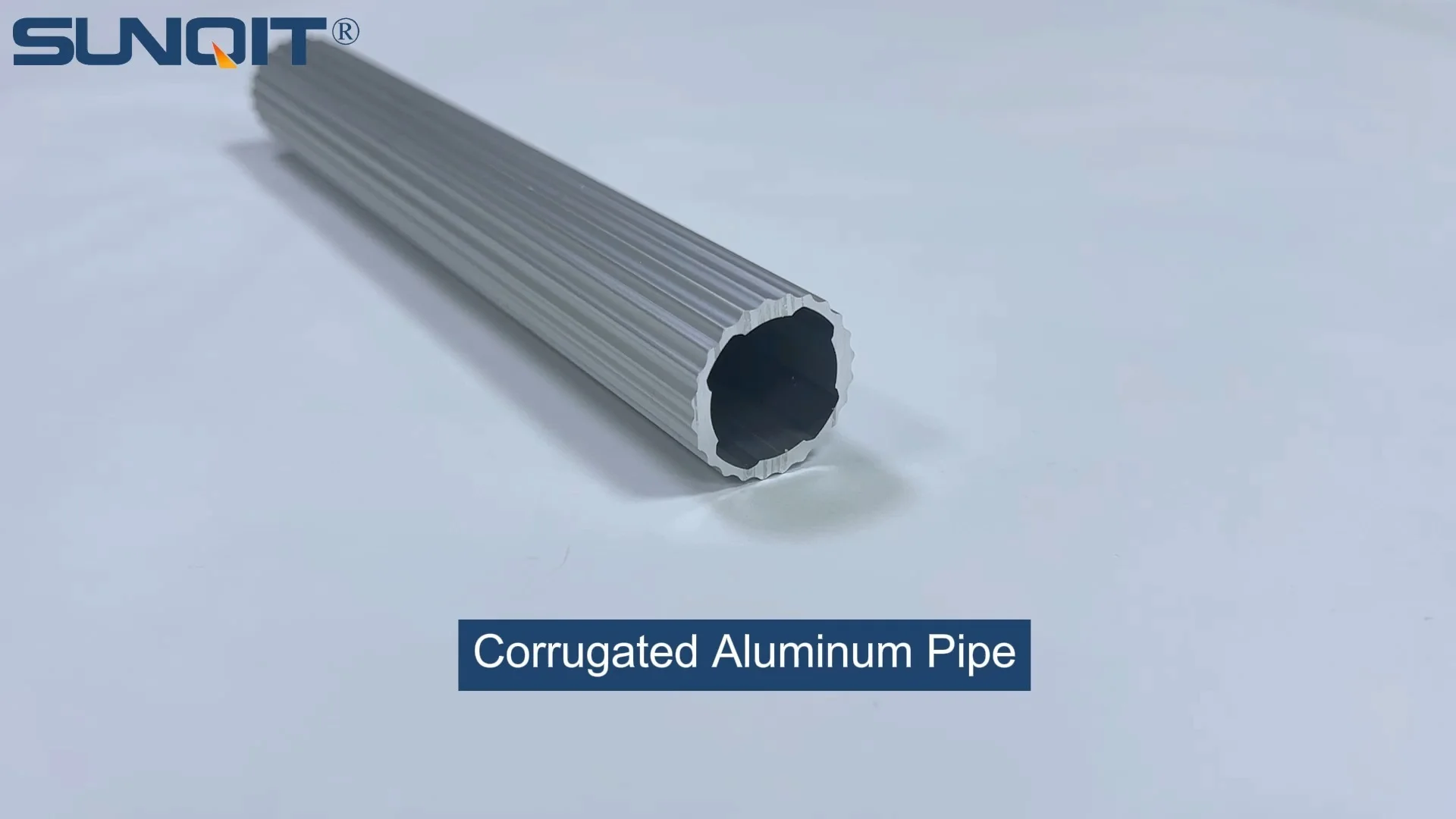
Product Description The slot side is 10mm which can work with a T sliding block for connection accessories Quick Detail Product name Corrugated Aluminum pipe model GLT28-T-3010A Material Science 6005-T6 thickness 1.7mm surface treatment anodic oxidat
In the fast-paced world of modern manufacturing, where efficiency, flexibility, and waste reduction are the cornerstones of success, the tools and materials we choose can make or break a production line. For decades, lean manufacturing has been the gold standard for businesses aiming to streamline operations, minimize waste, and maximize value—but even the best lean strategies rely on the right building blocks. Enter corrugated aluminum pipe: a humble yet revolutionary component that's quietly transforming how factories, warehouses, and assembly lines approach workflow design. Far more than just a "pipe," it's a symbol of the adaptability and ingenuity that define lean systems today. Let's dive into what makes this material so essential, and how it fits into the bigger picture of creating smarter, more human-centered workspaces.
Understanding Lean Manufacturing: Beyond the Buzzword
Before we unpack corrugated aluminum pipe, let's ground ourselves in what lean manufacturing truly means. At its core, lean is about respect for people and continuous improvement —two principles that often get overshadowed by talk of "cutting costs" or "speeding up production." Traditional manufacturing setups were often rigid: fixed workbenches bolted to the floor, heavy steel racks that couldn't be reconfigured, and material handling systems that required teams of workers to move parts across the shop floor. This rigidity led to wasted time (workers walking to retrieve tools), wasted space (unused corners of the factory), and even wasted human potential (employees stuck in ergonomically poor positions, leading to fatigue and errors).
Lean systems emerged to solve these pain points by focusing on flow —ensuring that materials, information, and people move smoothly through the production process with minimal interruptions. Think of it as designing a workspace that bends with your team, not against them. And that's where flexible, modular components come into play. If a production line needs to shift from assembling small electronics to larger appliances, the workspace should adapt quickly. If a worker requests a taller workbench to reduce back strain, it should be adjustable without calling in a construction crew. This is the promise of lean: a system that empowers rather than restricts.
The Problem with Traditional Materials: Why Flexibility Matters
For years, manufacturers relied on materials like solid steel pipes or wooden frames for workbenches, racks, and flow systems. While durable, these materials came with steep trade-offs. Steel is heavy—so heavy that reconfiguring a workbench or relocating a flow rack required forklifts and multiple workers, eating into valuable production time. Wood, meanwhile, was prone to warping, splintering, and damage from moisture or chemicals, leading to frequent replacements. Even early lean solutions, like PE-coated lean pipes (plastic-coated steel), offered some flexibility but often lacked the durability needed for heavy-duty use, or the lightweight design that makes quick adjustments possible.
The turning point came when manufacturers began to prioritize modularity —the ability to build, break down, and rebuild systems on the fly. This is where aluminum, a material long valued for its strength-to-weight ratio, started to shine. But not just any aluminum: corrugated aluminum pipe, with its unique wave-like ridges, was engineered to address the specific needs of lean environments. Let's take a closer look at what makes this material a game-changer.

Corrugated Aluminum Pipe: More Than Meets the Eye
At first glance, corrugated aluminum pipe might look like a simple tube with ridges—but those ridges are the secret to its success. Unlike smooth aluminum pipes, the corrugated design adds structural rigidity without adding excess weight. Imagine a sheet of paper: flat, it bends easily; but if you fold it into a zig-zag (corrugate it), it suddenly becomes strong enough to support weight. The same principle applies here. The ridges distribute stress evenly along the pipe, making it surprisingly strong despite its lightweight nature—typically weighing 30-40% less than solid steel pipes of the same diameter.
Key Features of Corrugated Aluminum Pipe
Lightweight yet Durable: Aluminum itself is about one-third the weight of steel, and the corrugated design amplifies its strength. This means workers can assemble or reconfigure systems (like a workbench or flow rack) without heavy machinery—reducing the risk of injury and cutting setup time from hours to minutes.
Corrosion Resistance: Unlike steel, aluminum naturally forms a protective oxide layer, making it resistant to rust and corrosion. This is a boon for factories where moisture, chemicals, or humidity are part of the environment (think food processing, automotive, or electronics manufacturing). No more replacing rusted racks or dealing with flaking paint from PE-coated pipes.
Flexibility in Design: Corrugated aluminum pipe is compatible with a wide range of aluminum profile accessories—joints, connectors, casters, and brackets—that snap or bolt into place without welding. Need to add a shelf to a workbench? Screw in a bracket. Want to extend a flow rack by a few feet? Add another section of pipe and a connector. This modularity is the backbone of lean's "adapt or die" philosophy.
Sustainability: Aluminum is 100% recyclable, and its production requires far less energy than steel. For companies aiming to reduce their carbon footprint, this is a significant plus. Even better, the modular nature of corrugated aluminum systems means components can be reused or repurposed when production needs change—minimizing waste that would otherwise end up in landfills.
Corrugated Aluminum Pipe in Action: Applications in Lean Systems
Theory is one thing, but seeing corrugated aluminum pipe in real-world use is where its value truly hits home. Let's explore two common applications that highlight how it enhances lean principles: the humble workbench and the indispensable flow rack.
1. Workbenches: Where Comfort Meets Productivity
A workbench is more than just a table—it's a worker's second home. In lean manufacturing, an ergonomic, adjustable workbench can reduce fatigue, cut down on errors, and boost productivity. Traditional workbenches, often made of solid wood or steel, are fixed in height and layout. If a new employee is taller or shorter than the previous one, they're stuck hunching over or reaching awkwardly—a recipe for strain and inefficiency.
Corrugated aluminum pipe changes this. By using aluminum profile accessories like adjustable legs, height-adjustable brackets, and modular shelving, teams can build workbenches that grow with their needs. For example, a workbench E (single deck, without casters) can be modified by swapping out short legs for longer ones, or adding a second deck for tool storage. The lightweight pipe makes it easy to adjust on the fly—no need for a carpenter or welding torch. Even better, the smooth aluminum surface is easy to clean, which is critical in industries like electronics (where dust can damage components) or healthcare (where sterility is a must).
I once visited a small electronics assembly plant that had switched from steel workbenches to corrugated aluminum ones. The plant manager told me a story: one of their best assemblers, Maria, had been struggling with neck pain from leaning over a fixed-height bench. Within an hour of installing an adjustable aluminum workbench, her posture improved, and she was finishing 10% more units per day—all because the workspace adapted to her , not the other way around. That's lean in action: respecting the worker to boost performance.
2. Flow Racks: Keeping Materials Moving
In lean, flow is everything. Materials should move from storage to assembly to shipping with minimal handling—otherwise, you're wasting time and energy. Flow racks (also called gravity racks) are designed to let materials "flow" to the point of use via rollers or skate wheels, reducing the need for workers to carry heavy bins or boxes.
Corrugated aluminum pipe is ideal for building flow racks because it's strong enough to support heavy loads (thanks to those corrugated ridges) but light enough to keep the overall rack from being unwieldy. For example, a material rack B (3 rows and 3 floors) built with corrugated aluminum pipe can hold hundreds of pounds of parts while remaining easy to reposition if the production line shifts. The pipe's compatibility with roller track accessories—like plastic roller track guide rails (yellow or grey) or aluminum guide rails—ensures parts glide smoothly, reducing jams and bottlenecks.
A warehouse manager I spoke with described the difference corrugated aluminum flow racks made for his team. Previously, they used steel flow racks that were so heavy, moving them required a pallet jack and two workers. With aluminum, a single worker could adjust the rack's height or reposition it in minutes. "We used to have to plan rack moves weeks in advance," he said. "Now, if a production supervisor says, 'We need parts closer to the line,' we can do it that afternoon. It's like having a workspace that thinks on its feet."
How Corrugated Aluminum Pipe Supports Lean Principles
At this point, you might be thinking, "This all sounds great, but how does a pipe tie into lean's big-picture goals?" Let's break it down into three key lean principles and see how corrugated aluminum pipe delivers:
1. Eliminate Waste (Muda): Waste comes in many forms—unnecessary movement, excess inventory, waiting time. Corrugated aluminum systems reduce waste by:
- Cutting setup time: Modular assembly means less time spent building or reconfiguring systems.
- Reducing excess inventory: Flow racks with corrugated aluminum frames keep materials at the point of use, so you don't need to stockpile parts in distant warehouses.
- Minimizing movement: Adjustable workbenches and mobile flow racks mean workers spend less time walking and more time adding value.
2. Respect for People: Lean isn't just about efficiency—it's about empowering workers. Corrugated aluminum pipe systems put control in the hands of the people who use them. A line worker can adjust their workbench height, or a team can reconfigure a flow rack to better suit their process, without waiting for approval from maintenance. This autonomy boosts morale and encourages ownership of the workspace—key drivers of continuous improvement.
3. Continuous Improvement (Kaizen): Lean is never "done"; it's a journey. Corrugated aluminum pipe systems grow with your kaizen efforts. Today's workbench might need a shelf; tomorrow, it might need to be extended. Next month, the entire production line might shift, and the system can shift with it. This adaptability ensures that your workspace evolves as your processes improve—no need to scrap everything and start over.
Comparing Corrugated Aluminum Pipe to Other Materials
To truly appreciate corrugated aluminum pipe, it helps to see how it stacks up against other common materials used in lean systems. Let's compare it to stainless steel pipe and PE-coated lean pipe (two alternatives) across key metrics:
| Feature | Corrugated Aluminum Pipe | Stainless Steel Pipe | PE-Coated Lean Pipe (Steel Core) |
|---|---|---|---|
| Weight (per meter, 28mm diameter) | 0.8-1.2 kg | 2.5-3.0 kg | 1.8-2.2 kg |
| Corrosion Resistance | High (natural oxide layer) | High (but heavier and costlier) | Medium (PE coating can chip, exposing steel core) |
| Assembly Time (Basic Workbench) | 30-45 minutes (2 workers) | 2-3 hours (needs tools for cutting/welding) | 1-1.5 hours (heavier than aluminum, slower to maneuver) |
| Reusability/Recyclability | High (100% recyclable; components reusable) | High (recyclable but heavy to transport) | Low (PE coating complicates recycling; steel core reusable but cumbersome) |
| Cost (Relative) | Moderate (higher upfront than PE-coated, lower long-term due to durability) | High (expensive material and fabrication) | Low (cheapest upfront, but higher replacement costs) |
The table tells a clear story: corrugated aluminum pipe strikes a balance between strength, flexibility, and cost that's hard to beat. It's lighter than steel, more durable than PE-coated pipe, and infinitely more adaptable than both. For lean systems that demand quick changes and long-term reliability, it's the material of choice.
Accessories: The Glue That Holds Lean Systems Together
Corrugated aluminum pipe is powerful on its own, but its true potential shines when paired with the right accessories. Aluminum profile accessories—joints, connectors, casters, and brackets—turn a simple pipe into a fully functional system. Let's highlight a few that make a big difference:
Internal Rotary Aluminum Joints: These allow pipes to rotate 360 degrees, making it easy to adjust angles on workbenches or flow racks without disassembling the entire structure.
Casters and Wheels: Adding casters to a corrugated aluminum workbench or trolley turns it into a mobile workstation. Suddenly, a worker can move their tools and materials directly to the assembly line, eliminating trips back and forth.
Roller Track Guide Rails: Whether plastic (yellow or grey) or aluminum, these rails attach to corrugated aluminum pipe to create smooth, gravity-fed paths for materials in flow racks. They're designed to reduce friction, ensuring parts glide easily even when loaded.
Aluminum Foot Bases: These stabilize freestanding systems like workbenches or racks, ensuring they don't wobble even under heavy loads. Adjustable foot bases also help level systems on uneven factory floors—critical for safety and ergonomics.
The beauty of these accessories is that they're designed to work together seamlessly. A single corrugated aluminum pipe can be part of a workbench today, a flow rack next month, and a turnover trolley next year—all by swapping out accessories. This is the essence of lean flexibility: maximizing the value of every component.
Conclusion: Corrugated Aluminum Pipe—A Lean Game-Changer
In the end, corrugated aluminum pipe is more than just a material; it's a tool that embodies the spirit of lean manufacturing. It's about creating workspaces that adapt to people, not the other way around. It's about reducing waste—of time, space, and human potential—by building systems that are as flexible as the teams using them. And it's about sustainability, ensuring that today's solutions don't become tomorrow's landfill.
Whether you're setting up a small workshop or reconfiguring a large factory, corrugated aluminum pipe offers a path to leaner, smarter operations. It's not the only component of a lean system, of course—people, processes, and culture matter most—but it's a foundational one. After all, even the best lean strategy needs the right building blocks to come to life.
So the next time you walk through a factory, take a closer look at the workbenches, flow racks, and trolleys. Chances are, if they're lightweight, adjustable, and built to last, they're made with corrugated aluminum pipe. And behind that pipe? A team of workers whose days are a little easier, a little safer, and a lot more productive—all because someone decided to build a better way.