- Company Articles
- Products and Technology
- Product knowledge
- What is Gusset Alp 3030? A Comprehensive Guide to Aluminum Profile Corner Brackets

What is Gusset Alp 3030? A Comprehensive Guide to Aluminum Profile Corner Brackets
Related Product
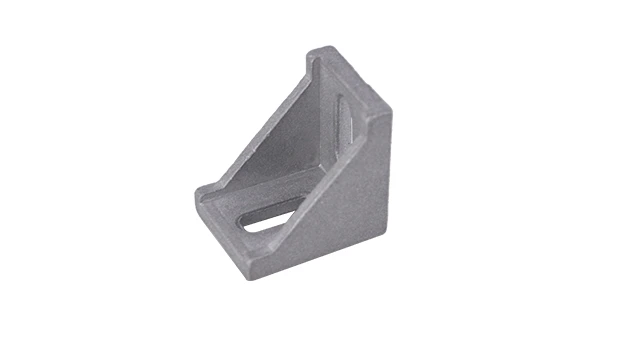
Gusset ALP 3030
The 3030 bracket/Gusset is an external fastening method that creates a 90 degree connection. 3030 means this size is used for 30 series aluminum profile with a quick connection by bolt and nut.
If you've ever walked through a modern factory, a busy workshop, or even a well-organized retail stockroom, you've probably seen them—those sleek, modular structures made of silver or black metal frames, holding everything from workbenches and material racks to assembly lines and storage shelves. Chances are, those structures are built with aluminum profiles, the unsung heroes of flexible manufacturing and industrial design. But what holds those profiles together? That's where small but mighty components like the Gusset Alp 3030 come into play. In this guide, we're going to dive deep into what Gusset Alp 3030 is, why it matters, and how it fits into the bigger world of aluminum profile systems—especially if you're building or maintaining a lean system.
Aluminum Profiles: The Backbone of Modern Industrial Flexibility
Before we get to the star of the show—Gusset Alp 3030—let's take a step back and talk about aluminum profiles themselves. You might know them as "aluminum extrusion profiles," and they're exactly what they sound like: long, hollow pieces of aluminum shaped through a process called extrusion, where molten aluminum is pushed through a die to create specific cross-sectional shapes. These shapes, often with T-slots running along their length, are designed to be modular, meaning you can connect them together with various accessories to build just about anything you need.
Why aluminum, you ask? Well, aluminum is lightweight, strong, and resistant to corrosion—perfect for industrial settings where durability and mobility matter. Plus, it's easy to work with, which is why manufacturers love it for creating custom structures. From 20x20mm "mini" profiles used in small shelving units to beefy 40x80mm profiles supporting heavy machinery, there's an aluminum profile for every job. And today, we're focusing on one of the most common sizes: the 3030 aluminum profile. As the name suggests, it measures 30mm by 30mm, making it a versatile choice for mid-weight applications like workbenches, light-duty material racks, and even lean system setups.
The Role of Corner Brackets: Why Gusset Alp 3030 Isn't Just Another Piece of Metal
Imagine building a house without nails or screws—you'd end up with a pile of wood that won't stay together. The same goes for aluminum profiles: without the right connectors, those sleek metal beams are just pieces of metal lying around. That's where corner brackets come in. These small but critical aluminum profile accessories are the "nails" of the aluminum profile world, designed to join two or more profiles at angles (usually 90 degrees) and keep the structure stable.
But not all corner brackets are created equal. Some are simple L-shaped plates, others are more complex. And then there's the Gusset Alp 3030. If you're visualizing it, think of a triangular bracket with holes for bolts—this triangular design (called a "gusset") is key because triangles are inherently strong, distributing weight and stress evenly across the joint. The "Alp" in the name might make you think of mountains, but in this case, it's likely a model or product code used by manufacturers to distinguish it from other gusset brackets. And "3030"? That tells you it's specifically designed for 3030 aluminum profiles, ensuring a perfect fit.

Breaking Down the Design: What Makes Gusset Alp 3030 Unique?
Let's get up close and personal with the Gusset Alp 3030. At first glance, it might look like a simple metal triangle, but there's more to it than meets the eye. Let's break down its design features:
- Triangular Shape: As we mentioned, the triangular gusset design is all about strength. When you join two 3030 profiles at a right angle, the Gusset Alp 3030 sits at the corner, with two sides flush against the profiles and the third side (the hypotenuse) adding extra support. This prevents the joint from flexing or bending under load.
- Precision Holes: Look closely, and you'll see pre-drilled holes in the bracket. These aren't random—they're spaced to align perfectly with the T-slots in 3030 aluminum profiles. This means you can slide T-slot nuts into the profile's slots, line up the gusset's holes with the nuts, and bolt everything together tightly. No guesswork, no drilling your own holes.
- Material: Aluminum Alloy: Gusset Alp 3030 is typically made from the same aluminum alloy as the profiles themselves (often 6063-T5, a common grade for extrusions). This ensures compatibility, prevents galvanic corrosion (when two different metals react), and keeps the bracket lightweight but strong.
- Anodized Finish: Many Gusset Alp 3030 brackets come with an anodized finish—a process that coats the aluminum with a protective oxide layer. This not only gives it a clean, professional look (usually silver or black) but also makes it more resistant to scratches, rust, and wear and tear in busy industrial environments.
You might be wondering, "Why not just use a simple L-bracket instead?" Great question! L-brackets are cheaper and work for very light loads, but they lack the triangular reinforcement of a gusset. Imagine hanging a heavy tool on a shelf held by L-brackets—over time, the brackets might bend. With a gusset like Alp 3030, that extra diagonal support keeps the joint rigid, even when things get heavy.

How Gusset Alp 3030 Fits into the World of Aluminum Profile Accessories
Aluminum profiles are all about teamwork—they don't work alone. To build a complete structure, you need a whole ecosystem of aluminum profile accessories, and Gusset Alp 3030 is a key player in that ecosystem. Let's talk about some of its closest partners:
3030 Aluminum Profile End Cap: Once you've joined your 3030 profiles with Gusset Alp 3030 brackets, you'll probably want to finish off the ends of the profiles to make them safer (no sharp edges!) and neater. That's where the 3030 aluminum profile end cap comes in. These small plastic or aluminum caps snap or slide into the open ends of the profiles, covering the T-slots and giving your structure a polished look. They're a small detail, but they make a big difference in safety and aesthetics—especially if your structure is in a place where people might brush against it.
T-Slot Nuts and Bolts: You can't attach Gusset Alp 3030 to a profile without these. T-slot nuts are small, sliding nuts that fit into the T-slots of the profile. Once in place, you insert a bolt through the gusset's hole and screw it into the T-slot nut, clamping the bracket tightly to the profile. It's a secure, tool-free (well, almost—you need a hex key) way to build and reconfigure structures quickly.
Other Gussets: Gusset Alp 3030 isn't the only gusset in town. There are also Gusset Alp 2020 (for 20x20 profiles) and Gusset Alp 4040 (for 40x40 profiles), each designed for their specific profile size. Think of them as siblings—similar in design, but sized to fit different family members.
| Gusset Model | Compatible Profile Size | Material | Approx. Load Capacity* | Common Applications |
|---|---|---|---|---|
| Gusset Alp 2020 | 20x20mm | Aluminum Alloy 6063-T5 | Up to 20kg per joint | Small shelving, electronics workbenches, display racks |
| Gusset Alp 3030 | 30x30mm | Aluminum Alloy 6063-T5 | Up to 50kg per joint | Workbenches, material racks, lean system workstations |
| Gusset Alp 4040 | 40x40mm | Aluminum Alloy 6063-T5 | Up to 100kg per joint | Heavy-duty racks, machine frames, industrial workstations |
*Load capacity estimates based on vertical load; actual capacity may vary by installation and profile thickness.
Gusset Alp 3030 and Lean Systems: Building Efficiency from the Ground Up
If you work in manufacturing or logistics, you've probably heard of "lean systems" or "lean manufacturing"—a philosophy focused on minimizing waste and maximizing efficiency. Lean systems rely on tools like 5S (Sort, Set in Order, Shine, Standardize, Sustain) and just-in-time production, but they also depend heavily on the physical infrastructure of the workplace. That's where aluminum profiles and Gusset Alp 3030 come into play.
Lean systems need structures that are flexible. One day, you might need a workstation for assembling small parts; the next, you might need to reconfigure it into a material rack to store incoming inventory. Aluminum profiles, with their modular design, let you do just that. And Gusset Alp 3030 is the glue that holds these flexible structures together. Because it's easy to install and remove, you can disassemble a workbench, move the profiles to a new location, and reassemble them with Gusset Alp 3030 brackets in minutes—no welding, no cutting, no permanent changes. That's the beauty of lean: adaptability, and Gusset Alp 3030 makes it possible.
Take, for example, a typical lean workstation. It might have a 3030 aluminum profile frame, a work surface, tool holders, and a small material rack attached. Gusset Alp 3030 brackets join the vertical and horizontal profiles at the corners, ensuring the workstation is stable enough to support tools and parts but lightweight enough to move if needed. If the team decides to add a shelf later, they can simply bolt on another profile using a Gusset Alp 3030—no need to buy a whole new workstation. Waste reduced, efficiency increased.
Installing Gusset Alp 3030: A Step-by-Step Guide (No Expertise Required)
You don't need to be a master mechanic to install Gusset Alp 3030—seriously. Let's walk through the process step by step, so you can feel confident tackling your own aluminum profile project:
- Gather Your Tools: You'll need a few basics: a hex key (the size depends on your bolts—usually 4mm or 5mm), T-slot nuts (matched to your 3030 profile's slot size), bolts (length should be enough to go through the gusset and into the nut, plus a little extra), and a rubber mallet (optional, for tapping parts into place).
- Prepare Your Profiles: Cut your 3030 aluminum profiles to the desired length (if you haven't already). Make sure the ends are clean and free of burrs—you can use sandpaper to smooth them out if needed. If you're using 3030 aluminum profile end caps, set them aside for later.
- insert T-Slot Nuts: Slide the T-slot nuts into the T-slots of your profiles. Position them where you want the gusset to go—usually at the corner where two profiles meet. The nuts should slide easily; if they're stuck, check for debris in the slot.
- Align the Profiles and Gusset: Hold the two profiles at a 90-degree angle (like the corner of a square). Place the Gusset Alp 3030 bracket over the joint, making sure its holes line up with the T-slot nuts in both profiles. You might need a friend to hold the profiles steady while you do this.
- Bolt It Together: insert a bolt through each hole in the gusset and into the T-slot nut below. Tighten the bolts with the hex key—snug, but don't over-tighten (you could strip the threads or warp the bracket). Repeat for all holes in the gusset.
- Check for Stability: Give the joint a gentle shake to make sure it's tight. If it wobbles, check that the T-slot nuts are seated properly and the bolts are tight enough. If everything feels solid, you're good to go!
- Add Finishing Touches: If you're using 3030 aluminum profile end caps, snap or slide them into the open ends of the profiles. This covers the T-slots, protects against sharp edges, and gives your structure a clean look.
See? That's it! In just a few minutes, you've created a strong, stable joint with Gusset Alp 3030. And if you ever need to reconfigure your structure, just loosen the bolts, remove the gusset, and start fresh. It's that simple.
Real-World Stories: How Gusset Alp 3030 Solves Everyday Problems
Let's ground this in real life. Meet Maria, a production supervisor at a small electronics assembly plant. Her team was struggling with a workstation that kept wobbling—they'd built it using cheap L-brackets, and every time someone leaned on it, the shelves shook, risking damage to delicate components. Maria did some research, switched to Gusset Alp 3030 brackets, and instantly noticed the difference. "The workstation feels rock-solid now," she says. "We even added a second shelf, and it hasn't budged. Plus, when we needed to move it to a new line last month, we took it apart in 10 minutes and put it back together just as fast. No more wasted time or wobbly shelves!"
Then there's Raj, who runs a lean manufacturing consultancy. He often helps factories set up flexible work cells using aluminum profiles. "Gusset Alp 3030 is my go-to for 3030 profiles," he explains. "My clients need structures that can change with their production needs, and these brackets make that possible. Last week, we built a material rack for a client using 3030 profiles and Gusset Alp 3030. A month later, they needed to expand it—we just added more profiles and brackets, and it was done in an hour. That's the kind of agility lean systems demand, and Gusset Alp 3030 delivers."
Troubleshooting Common Gusset Alp 3030 Issues (And How to Fix Them)
Even the best components can run into issues, but don't worry—most Gusset Alp 3030 problems are easy to fix. Here are a few common ones and how to troubleshoot them:
- Loose Joints: If your joint feels wobbly after installation, the T-slot nuts might not be seated properly, or the bolts might be too loose. Try tightening the bolts a little more (but not too much!). If that doesn't work, check that the T-slot nuts are fully inserted into the profile's slots—sometimes they can slide out of position when tightening.
- Misaligned Holes: If the gusset's holes don't line up with the T-slot nuts, double-check that you're using a 3030 profile. Gusset Alp 3030 is designed specifically for 30x30mm profiles—using it on a 2020 or 4040 profile will cause alignment issues. Also, make sure the T-slot nuts are centered under the gusset's holes.
- Scratched Finish: Anodized finishes are tough, but they can scratch if you drag heavy objects across the bracket. To fix minor scratches, you can use a metal polish designed for aluminum. For deeper scratches, consider replacing the bracket if it's in a visible area.
- Corrosion: If you notice white or greenish spots on the bracket, that's corrosion. This is rare with anodized aluminum, but it can happen if the bracket is exposed to saltwater or harsh chemicals. Clean the area with a mild detergent and water, then dry thoroughly. If corrosion is severe, replace the bracket.
Maintaining Your Gusset Alp 3030: Keep It Strong for Years to Come
Like any tool, Gusset Alp 3030 works best when you take care of it. Here are some simple maintenance tips to extend its life:
- Inspect Regularly: Every few months, take a quick look at your gusset brackets. Check for loose bolts, cracks, or signs of corrosion. Tighten any loose bolts—vibration from machinery can cause them to loosen over time.
- Clean as Needed: Wipe down the brackets with a damp cloth to remove dust, grease, or debris. For stubborn grime, use a mild soap and water—avoid harsh chemicals that can damage the anodized finish.
- replace Worn Parts: If a T-slot nut strips or a bolt breaks, replace it immediately. A single weak fastener can compromise the entire joint.
- Store Spares: Keep a few extra Gusset Alp 3030 brackets, T-slot nuts, and bolts on hand. That way, if you need to make repairs or build something new, you're not waiting for parts to arrive.
Why Gusset Alp 3030 Should Be Your Go-To Corner Bracket
With so many corner brackets on the market, why choose Gusset Alp 3030? Let's sum it up:
- Strength You Can Trust: The triangular gusset design and aluminum alloy construction mean it can handle the mid-weight loads common in workshops, factories, and lean systems.
- Perfect Fit for 3030 Profiles: No guesswork—pre-drilled holes align perfectly with 3030 aluminum profiles, ensuring a secure, wobble-free joint.
- Flexibility for Lean Systems: Easy to install, remove, and reconfigure, making it ideal for dynamic workplaces that need to adapt quickly.
- Durable and Low-Maintenance: Anodized finish resists corrosion and scratches, so it looks good and lasts long with minimal upkeep.
- Affordable Quality: While not the cheapest bracket out there, Gusset Alp 3030 offers excellent value—you're paying for strength, precision, and reliability, which saves you money in the long run by reducing repairs and replacements.
Wrapping Up: The Small Bracket That Makes a Big Difference
At the end of the day, Gusset Alp 3030 might seem like a small piece of metal—but it's the kind of small piece that holds big things together. Whether you're building a workbench in your garage, setting up a lean system in a factory, or creating custom shelving for your business, this humble corner bracket plays a crucial role in making your project strong, flexible, and efficient.
So the next time you look at an aluminum profile structure, take a moment to appreciate the Gusset Alp 3030 brackets holding it all together. They might not get the spotlight, but they're the unsung heroes keeping our workshops, factories, and workplaces running smoothly. And if you're about to start your own aluminum profile project? Do yourself a favor: choose Gusset Alp 3030. Your structure (and your peace of mind) will thank you.