- Company Articles
- Products and Technology
- Product knowledge
- What is T Slot Aluminum Pipe? A Complete Definition and Overview

What is T Slot Aluminum Pipe? A Complete Definition and Overview
Related Product
T Slot Aluminum Pipe
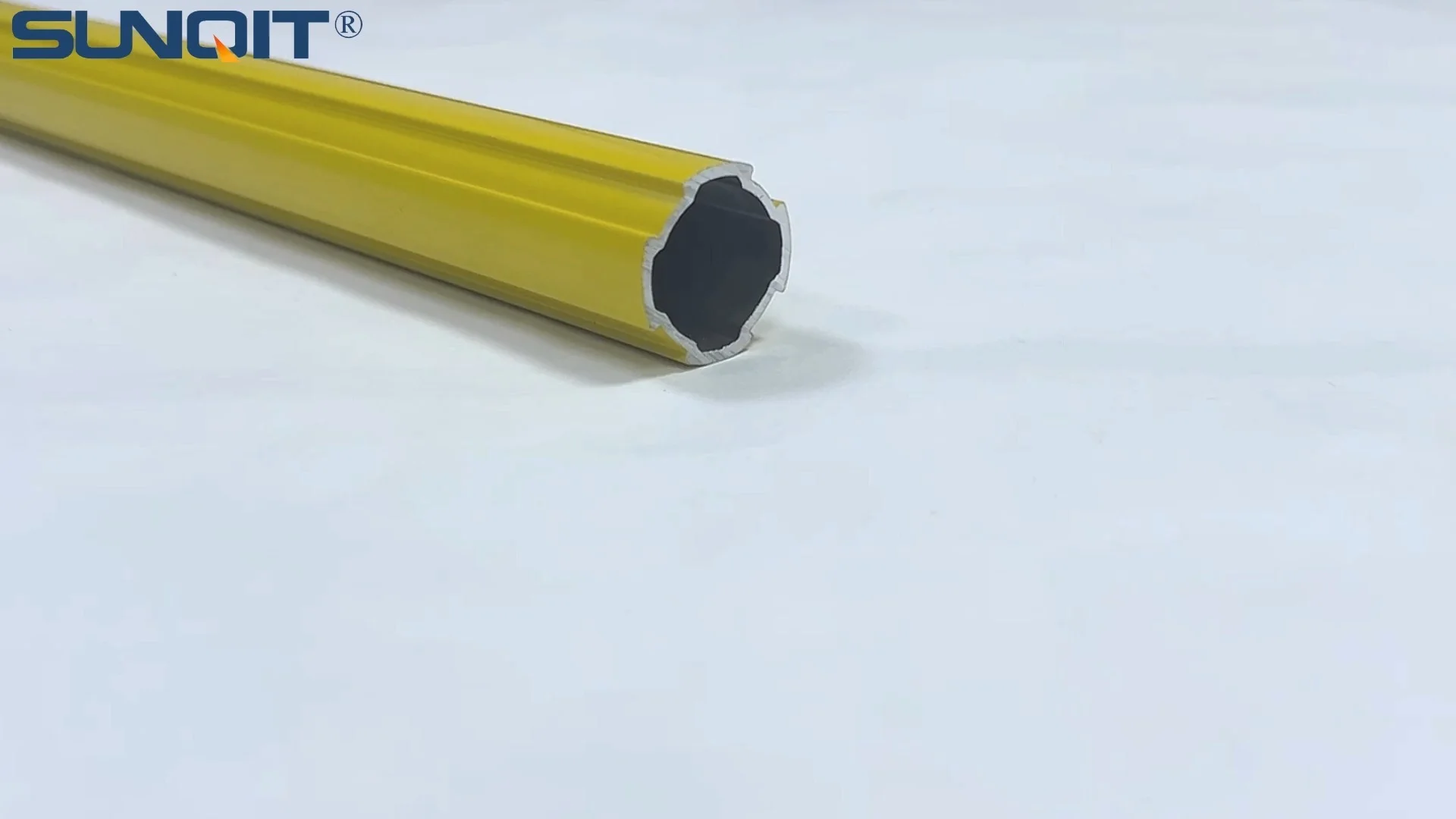
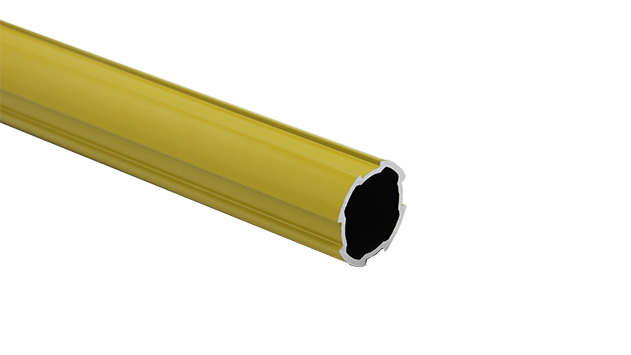
Aluminum pipe, it is used for workbench, flow rack,hand trolley assemble work with advantage of flexible and durable, yellow color makes it more attactive as a caution remind.
Introduction: The Backbone of Modern Workspaces
Walk into any efficient manufacturing plant, bustling warehouse, or innovative workshop today, and you'll likely notice a common thread: structures that feel both sturdy and adaptable. Workbenches that can be reconfigured in hours, material racks that grow with inventory, conveyors that glide smoothly even under heavy loads—these aren't accidents. They're often the result of a quiet hero in industrial design: the T slot aluminum pipe. But what exactly is it, and why has it become so indispensable in spaces where productivity and flexibility matter most?
In a world where businesses can't afford to be tied down by rigid, one-size-fits-all equipment, T slot aluminum pipe stands out as a solution that marries strength with versatility. It's not just a "pipe" in the traditional sense; it's a building block for creating custom systems that evolve with your needs. Whether you're setting up a small garage workshop or outfitting a large-scale production line, understanding T slot aluminum pipe could be the key to unlocking a more efficient, cost-effective, and adaptable workspace. Let's dive in.
Defining T Slot Aluminum Pipe: More Than Just a Tube
At its core, T slot aluminum pipe—often referred to as aluminum extrusion profile —is an extruded aluminum product designed with a continuous, T-shaped groove (or "slot") running along its length. This groove isn't just a design quirk; it's the secret to its versatility. Unlike solid pipes or even hollow tubes with smooth exteriors, the T slot allows for easy attachment of accessories, brackets, and components without welding, drilling, or complex tools. Imagine a pipe that lets you snap on a shelf bracket in seconds, or slide a conveyor roller into place with a simple twist of a nut— that's the magic of the T slot.
But how is it made? The process starts with aluminum billets (solid blocks of aluminum alloy) that are heated to high temperatures until they're malleable. These billets are then forced through a steel die under immense pressure, a process called extrusion. The die's shape determines the final profile of the pipe, including the T slot. This extrusion method ensures consistency: every foot of T slot aluminum pipe has the exact same dimensions, making it easy to swap or expand components later.
The result is a lightweight yet surprisingly strong structure. Most T slot aluminum pipes are made from alloys like 6061 or 6063, chosen for their excellent strength-to-weight ratio, corrosion resistance, and machinability. 6061, for example, is often used in applications requiring high structural integrity (like heavy-duty workbenches), while 6063 offers a smoother finish, making it ideal for visible surfaces or systems where aesthetics matter.
Key Features: Why T Slot Aluminum Pipe Stands Out
What makes T slot aluminum pipe so popular? Let's break down its most compelling features:
1. Lightweight but Strong
Aluminum is about one-third the weight of steel, which makes T slot aluminum pipe easy to handle during assembly and reconfiguration. A typical 10-foot length of 2-inch T slot aluminum pipe weighs just 5–7 pounds, compared to 15–20 pounds for a steel pipe of the same size. Yet, thanks to its alloy composition and extrusion design, it can support impressive loads. A 40mm x 40mm T slot profile, for instance, can easily hold 200+ pounds per linear foot when properly supported—more than enough for most workshop or warehouse needs.
2. The T Slot: A Gateway to Customization
The T-shaped groove is where the pipe truly shines. Inside the slot, you'll find a narrow opening that widens into a "T" shape, allowing aluminum profile accessories like T-nuts, bolts, and brackets to lock securely in place. Slide a T-nut into the slot, position your bracket, tighten the bolt, and you're done—no drilling, no welding, no hassle. This means you can add a shelf today, a tool holder tomorrow, and a conveyor track next month without rebuilding the entire structure.
3. Corrosion Resistance
Aluminum naturally forms a thin oxide layer when exposed to air, which protects it from rust and corrosion. For even greater durability, most T slot aluminum pipes undergo surface treatments like anodizing (creating a thicker, harder oxide layer) or powder coating (adding a colored, protective film). This makes them suitable for indoor use (like workshops) and outdoor environments (like loading docks or covered warehouses) alike.
4. Low Maintenance
Unlike steel, which may require painting or rust treatment over time, T slot aluminum pipe is virtually maintenance-free. A quick wipe with a damp cloth is usually enough to keep it clean, and its corrosion resistance means it won't degrade even in humid or dusty environments. This low upkeep translates to long-term cost savings—no more spending hours sanding rust or repainting frames.
5. Sustainability
Aluminum is 100% recyclable, and recycling it uses just 5% of the energy required to produce new aluminum. For businesses prioritizing sustainability, T slot aluminum pipe is a greener alternative to steel (which also recycles well but has higher production energy costs) or plastic (which often ends up in landfills). When a project is done, the pipes can be disassembled, recycled, or repurposed—minimizing waste.

Materials: The Alloys Behind the Strength
Not all T slot aluminum pipes are created equal. The choice of aluminum alloy plays a big role in determining its strength, flexibility, and suitability for different applications. Here's a closer look at the most common alloys used:
6061 Aluminum Alloy
Often called the "workhorse" of aluminum alloys, 6061 is prized for its high tensile strength (up to 45,000 psi) and excellent machinability. It contains magnesium and silicon, which form heat-treatable compounds, allowing manufacturers to strengthen it further through processes like aging. 6061 is ideal for heavy-duty applications, such as load-bearing material racks, industrial workbenches, and conveyor frames that need to support constant, heavy use.
6063 Aluminum Alloy
If 6061 is the workhorse, 6063 is the "craftsman." It has a lower tensile strength than 6061 (around 30,000 psi) but offers superior surface finish and formability. This makes it perfect for applications where aesthetics matter, like retail displays, office partitions, or visible workbench frames. 6063 is also easier to extrude into complex shapes, which is why it's often used for profiles with intricate T slot designs or decorative edges.
Other Alloys (7075, 2024)
For specialized needs, alloys like 7075 (ultra-high strength, used in aerospace) or 2024 (high fatigue resistance, common in aircraft parts) may be used, but these are rare in standard T slot aluminum pipe. They're more expensive and overkill for most industrial or workshop applications, so 6061 and 6063 remain the go-to choices.

Applications: Where T Slot Aluminum Pipe Shines
T slot aluminum pipe isn't a one-trick pony. Its adaptability means it's used across industries, from manufacturing and warehousing to automotive and even hobbyist workshops. Let's explore some of its most common applications:
1. Workbenches: Your Customizable Workstation
A workbench is the heart of any workshop, and T slot aluminum pipe makes it easy to build one that fits your exact needs. Start with a frame of aluminum profiles, then add a plywood or steel top. Need a shelf for tools? Slide brackets into the T slots and attach a board. Want a lamp or monitor arm? Use a clamp-on accessory. Even heavy-duty industrial workbenches—like those used in electronics assembly or automotive repair—can be built with T slot aluminum, often with added features like ESD (electrostatic discharge) mats or integrated power strips.
Example: A small electronics manufacturer might use a 40mm x 80mm T slot frame for their workbenches, with adjustable shelves to hold components and a conveyor track (made from the same aluminum profiles) to feed parts directly to the bench. If they expand, they can simply add more sections to the bench or reconfigure the layout in a day.
2. Material Racks: Organize Inventory with Ease
From small parts bins to large pallets, material racks built with T slot aluminum pipe keep inventory organized and accessible. Unlike fixed wooden or steel racks, these can be adjusted as your needs change. Need to add a shelf for taller boxes? Loosen the brackets, slide them up, and retighten. Want to separate different parts? Add dividers using T slot-compatible panels. One popular design is the "3 row and 3 floor" material rack, which uses vertical T slot columns and horizontal beams to create multiple levels of storage—perfect for warehouses or stockrooms.
3. Conveyors: Smooth Material Flow
Conveyors are the arteries of production lines, and T slot aluminum pipe is often the backbone of these systems. Lightweight yet strong, it's ideal for building roller conveyors, belt conveyors, or even gravity-fed tracks. The T slots make it easy to mount rollers, motors, or guides, and the modular design means you can extend or shorten the conveyor as production demands change. For example, a food packaging plant might use aluminum extrusion profiles to build a gentle-slope gravity conveyor, with plastic rollers (to avoid scratching packaging) mounted directly into the T slots.
4. Machine Guards and Safety Barriers
In manufacturing, safety is non-negotiable. T slot aluminum pipe is frequently used to build machine guards, safety fences, and barrier systems. The pipes can be connected with brackets to form sturdy frames, and mesh or polycarbonate panels can be attached via T slot nuts to create see-through barriers that protect workers from moving parts. Since the frames are lightweight, they're easy to reposition if machines are rearranged—a common scenario in agile production environments.
5. Retail Displays and Trade Show Booths
It's not just industrial spaces that benefit. T slot aluminum pipe's clean, modern look and easy customization make it popular for retail displays and trade show booths. Retailers use it to build adjustable shelving for clothing, electronics, or cosmetics, while exhibitors create eye-catching booths that can be disassembled and reused at different events. The lightweight nature also makes shipping and setup a breeze—no more hiring heavy lifters to move steel frames.
Essential Accessories: Bringing T Slot Aluminum Pipe to Life
A T slot aluminum pipe is only as useful as the accessories that go with it. These aluminum profile accessories turn a simple pipe into a fully functional system. Let's explore the most common types, what they do, and how they work together:
| Accessory Type | Function | Common Materials | Everyday Use Case |
|---|---|---|---|
| T-Slot Nuts | Lock components (brackets, shelves) to the T slot by sliding into the groove and tightening with a bolt. | Aluminum, Steel, Nylon | Attaching a shelf bracket to a workbench frame. |
| Angle Brackets | Connect two pipes at 90° angles (e.g., vertical legs to horizontal beams). | Aluminum, Steel | Building the corner of a material rack or workbench. |
| End Caps | Cover the open ends of pipes to prevent dust, debris, or injury from sharp edges. | Plastic, Rubber, Aluminum | Finishing the legs of a workbench to avoid scratches on floors. |
| Linear Bearings/Slides | Allow smooth, linear movement of components along the T slot. | Aluminum, Steel with Plastic Rollers | Creating a sliding shelf on a material rack or a movable tool holder on a workbench. |
| Panel Mounts | Secure flat panels (wood, metal, polycarbonate) to the frame. | Aluminum, Steel | Adding a back panel to a retail display or a safety shield to a machine guard. |
| Leveling Feet | Adjust the height of frames to ensure stability on uneven floors. | Aluminum, Steel with Rubber Bases | Leveling a workbench in a garage with sloped floors. |
The beauty of these accessories is their compatibility. Most aluminum profile accessories are designed to work across different pipe sizes (e.g., 20mm, 30mm, 40mm) as long as the T slot dimensions match. This means you can mix and match components from different manufacturers, or even repurpose accessories from an old project for a new one.
T Slot Aluminum vs. Traditional Lean Pipe: Which is Right for You?
If you've worked in manufacturing or warehousing, you've probably heard of "lean pipe" (also called "flexible pipe" or "kitchen pipe"). Made from steel tubes coated in plastic or rubber, lean pipe has long been a staple for building temporary or low-cost structures. But how does it stack up against T slot aluminum pipe?
Lean Pipe: The Budget-Friendly Option
Lean pipe is affordable and easy to cut with basic tools, making it popular for small projects or startups on a tight budget. It uses plastic or metal joints that snap onto the pipe, allowing for quick assembly. However, it has limitations: it's heavier than aluminum, prone to dents (the plastic coating can chip, exposing steel to rust), and less rigid. Over time, joints may loosen under heavy loads, requiring frequent retightening.
T Slot Aluminum Pipe: The Investment for Long-Term Value
T slot aluminum pipe costs more upfront than lean pipe, but it pays off in the long run. Its modularity means you can reuse components for years, and its durability reduces replacement costs. It's also lighter and more rigid, making it better for permanent or heavy-duty systems. For businesses that plan to grow or need to reconfigure spaces often, the higher initial cost is offset by lower maintenance and greater flexibility.
When to choose which? If you need a temporary structure (e.g., a pop-up event display) or have minimal budget, lean pipe might work. But for workshops, production lines, or material racks that will see daily use, T slot aluminum pipe is the smarter choice.
Choosing the Right T Slot Aluminum Pipe and Accessories
With so many options available, how do you pick the right T slot aluminum pipe for your project? Here's a step-by-step guide:
1. Start with Load Capacity
What will your structure hold? A small shelf for tools needs less strength than a conveyor carrying 50-pound boxes. Check the manufacturer's load charts: most list the maximum weight per linear foot for each profile size. As a rule of thumb, larger profiles (e.g., 40mm x 80mm) support more weight than smaller ones (e.g., 20mm x 20mm).
2. Consider the Environment
Will the structure be indoors or outdoors? Indoors, a standard anodized finish may suffice. Outdoors or in humid/dusty areas, opt for powder coating or a thicker anodized layer for extra protection. If you need ESD protection (e.g., in electronics manufacturing), look for profiles with conductive coatings.
3. Plan for Expansion
Think about future needs. Will you need to add shelves, extend a conveyor, or reconfigure a workbench? Choose a system with a wide range of accessories and compatible profiles (e.g., mixing 40mm and 80mm profiles if needed). Avoid proprietary systems that lock you into one brand's accessories.
4. Work with a Reputable Supplier
A good aluminum profile supplier will offer not just pipes and accessories, but also technical support. Look for suppliers with a track record in your industry, positive reviews, and a wide inventory (so you're not waiting weeks for parts). Ask for samples to test quality—check for smooth T slots, consistent dimensions, and sturdy accessories.
Conclusion: Building the Future, One T Slot at a Time
T slot aluminum pipe isn't just a material—it's a philosophy. It's about building spaces that don't just serve today's needs but adapt to tomorrow's challenges. In a world where change is constant, its ability to balance strength, flexibility, and cost-effectiveness makes it more than a tool; it's a partner in progress.
Whether you're a hobbyist building a garage workshop or a plant manager overseeing a production line, T slot aluminum pipe offers a way to create systems that grow with you. From workbenches that adjust to new tools to material racks that expand with inventory, it's the quiet innovation that keeps modern workspaces moving forward. So the next time you walk into a space that feels "just right," take a closer look—chances are, T slot aluminum pipe is the reason why.