- Company Articles
- Products and Technology
- Product knowledge
- What Is the Load Capacity of 4080 Aluminum Profile End Caps?

What Is the Load Capacity of 4080 Aluminum Profile End Caps?
Related Product
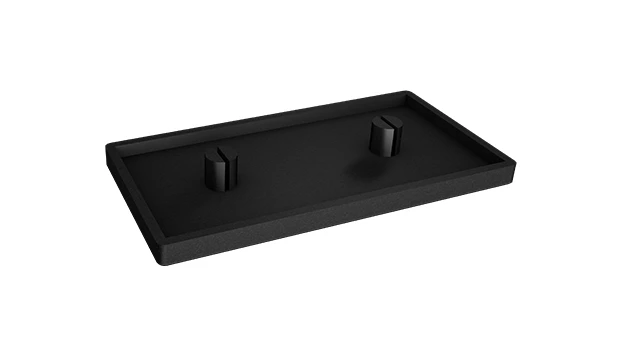
4080 Aluminum Profile End Cap
The aluminum profile end cap adds a finishing touch to your project and closes off profile ends to limit dust and debris buildup, also it can avaid some scratch for material and labor during the assemble work.
Picture this: You're standing in a busy factory, surrounded by the hum of machinery and the steady movement of products along conveyor lines. Nearby, a team is assembling a new workbench using sleek aluminum profiles—sturdy, lightweight, and designed to keep the workspace organized. As they fit the final pieces together, someone pauses, holding a small plastic cap. "Does this end cap really hold up?" they ask. "If we load the workbench with tools and parts, will it crack or slip?" It's a question that matters more than you might think. Because when it comes to aluminum extrusion profiles, the smallest components often carry the biggest responsibility. Today, we're diving into one of those unsung heroes: the 4080 aluminum profile end cap. Specifically, we're answering that critical question: What is its load capacity, and why does it matter for your workspace?
First Things First: What Are 4080 Aluminum Profiles, Anyway?
Before we get to the end caps, let's make sure we're all on the same page about the star of the show: the 4080 aluminum profile. If you've ever walked through a workshop, warehouse, or even a modern office, you've probably seen these without realizing it. They're the backbone of everything from workbenches and material racks to conveyor systems and machine guards. The "4080" refers to their dimensions: 40mm in width and 80mm in height, with a T-slot design that makes them incredibly versatile. Think of them as the building blocks of lean manufacturing—strong enough to support heavy loads, light enough to reconfigure when your needs change, and durable enough to withstand the daily grind of production.
These profiles are made through a process called extrusion, where heated aluminum is pushed through a die to create the specific T-slot shape. This method ensures consistency in size and strength, which is why they're a favorite among manufacturers, DIY enthusiasts, and anyone who needs a reliable structure. From aluminum workbench A (a simple single-deck setup) to complex material rack B (with 3 rows and 3 floors), 4080 profiles are everywhere because they balance strength, flexibility, and cost.
Enter the End Cap: Small Part, Big Job
Now, let's talk about the unsung hero: the aluminum profile end cap. If the 4080 profile is the backbone, the end cap is the protective cap that keeps everything in place. At first glance, it might seem like a trivial accessory—just a small piece that snaps or screws onto the end of the profile. But its role is far more important than it looks. End caps seal the open ends of the profile, preventing dust, debris, and moisture from getting inside (which can cause corrosion or weaken the structure over time). They also protect workers from sharp edges, reducing the risk of cuts or scrapes during assembly or daily use. And, perhaps most importantly for our topic today, they provide structural support—helping to distribute weight and maintain the profile's integrity under load.
But not all end caps are created equal. Just like the profiles themselves, end caps come in different materials, designs, and sizes. And when it comes to load capacity—the maximum weight they can support without deforming or failing—those differences matter a lot. So, let's get to the heart of the matter: What is the load capacity of a 4080 aluminum profile end cap, and how do you ensure you're choosing the right one for your needs?

Defining Load Capacity: It's Not Just About "How Much Weight"
Let's start with the basics: What does "load capacity" actually mean here? In simple terms, it's the maximum amount of weight or force that the end cap can withstand before it fails. But "failure" isn't just breaking—it can also mean bending, cracking, or slipping off the profile. For example, if you place a heavy toolbox on a workbench supported by 4080 profiles, the end caps at the bottom of the legs need to distribute that weight evenly to the floor. If their load capacity is too low, they might compress, causing the workbench to wobble or even collapse.
But load capacity isn't a one-size-fits-all number. It depends on how the end cap is being used. There's static load capacity (weight applied and left in place, like a stack of boxes on a shelf) and dynamic load capacity (weight that's moving, like parts sliding down a conveyor or a trolley being pushed into a rack). Dynamic loads are often harder on end caps because they add sudden stress—think of dropping a heavy item onto a workbench versus placing it gently. Most manufacturers will specify both types of load capacity, so it's important to check which one applies to your situation.

Factors That Shape Load Capacity: Why Some End Caps Hold More Than Others
So, what makes one 4080 aluminum profile end cap stronger than another? Let's break down the key factors:
1. Material: Plastic vs. Metal vs. Composite
The material of the end cap is the biggest driver of its load capacity. Most end caps are made of plastic (like nylon or polypropylene), metal (aluminum or steel), or composites (a mix of materials for strength and lightweight). Let's compare:
- Plastic end caps : These are the most common and affordable. They're lightweight, corrosion-resistant, and easy to install (often snap-on). But their load capacity is generally lower—typically ranging from 50kg to 150kg for static loads, depending on design. They're great for light-duty applications, like office shelving or workbenches with minimal weight.
- Metal end caps : Usually made of aluminum (to match the profile) or steel, these are built for strength. Aluminum end caps can handle static loads of 150kg to 300kg, while steel ones might go even higher. They're ideal for heavy-duty setups, like material rack B (with 3 rows and 3 floors) holding heavy parts or industrial workbenches in manufacturing plants.
- Composite end caps : These blend plastic and metal (e.g., a plastic body with metal reinforcement inserts). They offer a middle ground—stronger than plastic alone but lighter and cheaper than full metal. Load capacities here can range from 100kg to 250kg, making them versatile for medium-duty use.
2. Design: Thickness, Reinforcements, and Fit
Even within the same material, design plays a huge role. A thicker end cap will almost always have a higher load capacity than a thin one. Look for features like ribbing (internal or external ridges) that add strength without adding too much weight. Some end caps also have a "lip" that wraps around the edge of the profile, increasing friction and preventing slipping. The fit is crucial too—end caps that are too loose will slip under load, while ones that are too tight might crack when installed. High-quality end caps are precision-molded or machined to fit 4080 profiles exactly, with no gaps.
3. Installation: How Tight Is "Tight Enough"?
You could have the strongest end cap in the world, but if it's not installed properly, its load capacity plummets. Snap-on end caps rely on friction—they need to be pressed firmly into place so they don't pop off under weight. Screw-on end caps (which use small screws to attach to the profile) are more secure but require the right torque—too loose, and they slip; too tight, and you might strip the threads or crack the end cap. It's also important to check the condition of the profile itself: if the end is dented or bent, the end cap won't seat properly, reducing its ability to support weight.
4. Environment: Heat, Cold, and Chemicals
Believe it or not, where you use the end cap matters too. Plastic end caps can become brittle in cold temperatures, lowering their load capacity, while heat can make them soft and prone to deformation. If your workspace is humid or exposed to chemicals (like oils or cleaning agents), that can degrade the material over time, weakening the end cap. Metal end caps are more resistant to these factors, but they can corrode if not treated (e.g., stainless steel or coated aluminum is better for wet environments).
Typical Load Capacities: What to Expect from Different 4080 End Caps
Now that we know what affects load capacity, let's look at real-world numbers. Keep in mind that these are general ranges—always check with your aluminum profile supplier for exact specifications, as brands and models can vary.
| End Cap Type | Material | Static Load Capacity (kg) | Dynamic Load Capacity (kg) | Best For |
|---|---|---|---|---|
| Standard Snap-On | Nylon Plastic | 50 – 100 | 30 – 70 | Light-duty workbenches, office shelving |
| Reinforced Snap-On | Glass-Filled Plastic | 100 – 200 | 70 – 150 | Medium-duty racks, assembly tables |
| Screw-On Metal | Aluminum | 200 – 350 | 150 – 250 | Heavy-duty workbenches, material racks (e.g., Material Rack B) |
| Heavy-Duty Steel | Steel (Zinc-Coated) | 350 – 500+ | 250 – 400+ | Industrial conveyor systems, high-load storage |
*Table: General load capacity ranges for common 4080 aluminum profile end caps. Always verify with your supplier for exact specifications.
Why Load Capacity Matters: Safety, Efficiency, and Peace of Mind
You might be thinking, "Do I really need to stress about end cap load capacity?" The short answer: Yes. Here's why:
Safety First
This is the biggest one. If an end cap fails under load, it can cause the entire structure to collapse. Imagine a material rack B loaded with heavy parts suddenly giving way—tools, products, or even the rack itself could fall, injuring workers or damaging equipment. In a busy production line, that's not just a safety hazard; it's a disaster that can shut down operations for hours or days.
Durability and Cost Savings
Choosing an end cap with the right load capacity saves you money in the long run. A cheap plastic end cap might cost less upfront, but if it fails after a month, you'll have to replace it (and possibly the damaged profile or structure). Investing in a higher-capacity end cap that matches your needs means fewer replacements, less downtime, and a longer lifespan for your aluminum setups.
Efficiency in Production
In lean manufacturing, every second counts. Wobbly workbenches or unstable racks slow down workers—they have to adjust their movements, worry about safety, or stop to fix issues. A stable structure, supported by end caps with adequate load capacity, keeps the workflow smooth. For example, an aluminum workbench A with reliable end caps lets assemblers focus on their tasks, not on whether the bench will hold up.
How to Choose the Right End Cap for Your Needs
So, you're ready to pick end caps for your 4080 aluminum profiles. Here's a step-by-step guide to making sure you get the right ones:
- Calculate your load : Start by figuring out how much weight the end caps will need to support. For a workbench, add up the weight of the bench itself, tools, materials, and any workers who might stand on it. For a rack, estimate the weight of the items you'll store (and add a buffer—better safe than sorry!).
- Decide static vs. dynamic : Will the load be stationary (static) or moving (dynamic)? If you're using the profile for a conveyor or trolley path, dynamic load capacity is critical.
- Check the environment : Is your workspace hot, cold, humid, or exposed to chemicals? Choose a material that can handle those conditions (e.g., metal for extreme temperatures, plastic for dry, indoor settings).
- Consult your supplier : A reputable aluminum profile supplier will have detailed specs for their end caps, including load capacity, material, and installation guidelines. Don't hesitate to ask questions—they're there to help you avoid mistakes.
- Test before full deployment : If you're unsure, test a small setup first. Install the end caps, apply the expected load, and monitor for any signs of stress (bending, cracking, slipping). Better to catch issues in a test than in the middle of production.
FAQs: Your End Cap Questions Answered
Still have questions? Let's tackle some common ones:
Q: Can I mix different types of end caps on the same structure?
A: It's not recommended. Mixing plastic and metal end caps, for example, can lead to uneven weight distribution—one might compress more than the other, causing the structure to lean. Stick to the same type and load capacity for all end caps in a single setup.
Q: How do I know if my end caps are wearing out?
A: Look for signs like cracks, chips, or deformation (e.g., the end cap no longer fits snugly). If the structure wobbles or creaks when loaded, that could also mean the end caps are failing. Inspect them regularly—at least once a month in high-use areas.
Q: Can I reinforce a low-capacity end cap to handle more weight?
A: It's possible, but not ideal. You could add a metal washer or glue a reinforcement plate, but this is a temporary fix. It's better to replace the end cap with one that has the right load capacity from the start. Modifying end caps can void warranties or create safety risks.
Q: Are more expensive end caps always better?
A: Not necessarily. Expensive doesn't always mean higher load capacity—some brands charge more for fancy designs or branding. Focus on the specs (material, load capacity, fit) rather than the price tag. A mid-range reinforced plastic end cap might be perfect for your needs, while a pricey steel one could be overkill.
Final Thoughts: Small Parts, Big Impact
When you're building with 4080 aluminum profiles, it's easy to focus on the big pieces—the profiles themselves, the connectors, the workbench tops. But take a moment to appreciate the end caps. These tiny aluminum profile accessories play a huge role in keeping your structures safe, stable, and efficient. Their load capacity isn't just a number on a spec sheet; it's the difference between a workspace that hums with productivity and one that's plagued by accidents and delays.
So, the next time you're setting up a new aluminum workbench, material rack, or conveyor system, remember to ask: What's the load capacity of these end caps? And if you're not sure, talk to your aluminum profile supplier. They'll help you find the right fit—because when it comes to your workspace, every detail counts.