- Company Articles
- Products and Technology
- Product knowledge
- What is the Maximum Load Capacity of 40 Roller Track Placon Mount drop High?

What is the Maximum Load Capacity of 40 Roller Track Placon Mount drop High?
Related Product
40 Roller Track Placon Mount drop High
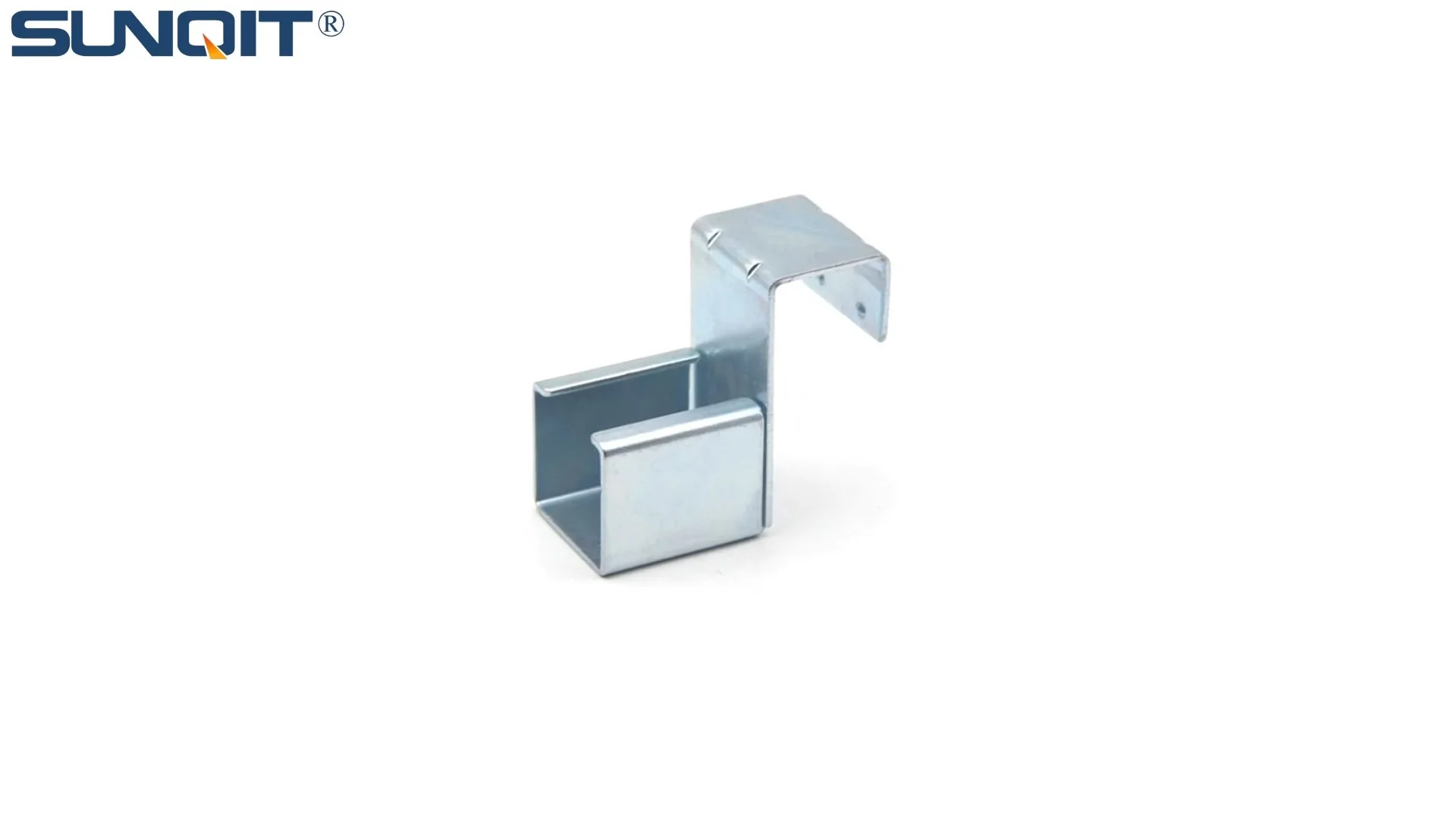
Roller track placon mount work as a connector for roller track and pipe or aluminum profile in rack syetem, it is a necessary parts in rack system which widely used in industrial plant and logistic,warehouse storage.
In the fast-paced world of modern manufacturing, where every second counts and efficiency is the backbone of success, the components often play the most critical roles. Imagine a busy 3C assembly line where smartphones glide smoothly from one workstation to the next, or a medical device warehouse where delicate instruments are transported with zero margin for error. Behind these seamless operations lies a key player: the roller track. Today, we're diving deep into one specific star of this category—the 40 Roller Track Placon Mount drop High. If you've ever wondered how much weight this component can truly handle, or why it's become a go-to choice for lean production lines worldwide, you're in the right place. Let's unpack its story, from the aluminum alloy it's crafted from to the real-world loads it carries every day.
Understanding the Basics: What Exactly is 40 Roller Track Placon Mount drop High?
First things first—let's break down that mouthful of a name. The "40" refers to the series size, a standard in the industry that indicates the width of the aluminum profile used, ensuring compatibility with other lean system components. "Roller Track" is straightforward: it's the track fitted with rollers that allow materials to slide or roll with minimal friction. "Placon Mount" points to its unique installation method, using specialized Placon brackets that secure the track firmly to aluminum profiles or workbenches, eliminating wobble and enhancing stability. And "drop High"? That's the height of the track relative to the mounting surface—a design choice that optimizes material flow angles for specific workflows.
This isn't just another generic roller track. It's a precision-engineered component built for the demands of lean production assemble lines, where consistency, durability, and load capacity can make or break a facility's productivity. Whether it's part of a flow rack in a warehouse, a conveyor system in an automotive plant, or a custom lean solution for medical device manufacturing, the 40 Roller Track Placon Mount drop High is designed to be the workhorse that keeps materials moving, even when the pressure is on.
The Aluminum Advantage: Why Material Matters for Load Capacity
At the heart of this roller track is aluminum profile—specifically, high-grade aluminum extrusion profile treated for strength and longevity. Why aluminum? Let's compare: steel is strong but heavy, making it harder to install and adjust. Plastic is lightweight but lacks the rigidity needed for heavy loads. Aluminum strikes the perfect balance, and here's how that directly impacts load capacity:
- Strength-to-Weight Ratio: Aluminum extrusion profile is engineered to be rigid yet lightweight. This means the track itself doesn't add unnecessary bulk, allowing more of the load capacity to be dedicated to the materials it carries.
- Resistance to Wear and Corrosion: Unlike steel, aluminum naturally resists rust and corrosion, even in humid factory environments or warehouses with temperature fluctuations. This resistance ensures the structural integrity of the track doesn't degrade over time, maintaining its load capacity for years.
- Precision Manufacturing: Aluminum extrusion allows for intricate, consistent cross-sections. The 40 series profile used here has reinforced walls and strategic ribbing—details that might go unnoticed but are critical for distributing weight evenly across the track.
But it's not just the aluminum pipe itself; the accessories matter too. Components like the roller track placon mount connector, end support for roller track placon mount with stop, and aluminum guide rail a work together to create a system where every part contributes to the overall load capacity. Think of it as a team: the track is the star player, but the brackets and connectors are the teammates ensuring it stays steady under pressure.

Design Deep Dive: How Placon Mount and drop High Boost Load Performance
Let's get technical—without losing the plot. The Placon Mount design is a game-changer for load capacity. Traditional roller tracks might use simple clamps or bolts, which can loosen over time or create weak points where stress. Placon Mount brackets, however, wrap around the aluminum profile and lock into place with precision, creating a connection that distributes weight across a larger surface area. This reduces stress on any single point, allowing the track to handle heavier loads without bending or warping.
Then there's the "drop High" aspect. By setting the track at a specific height relative to the mounting surface, engineers optimize the angle of material flow. A steeper angle might make materials slide faster, but it increases the stress on the track as items accelerate. The drop High design balances speed and control, ensuring that even when fully loaded, the rollers spin smoothly and the track itself bears the weight evenly. It's a small adjustment that makes a big difference in real-world use—like how a well-designed chair distributes your weight to avoid discomfort, this track distributes load to avoid failure.
"We upgraded to the 40 Placon Mount drop High tracks in our automotive parts warehouse last year. Before, we were limited to 20kg per shelf section to prevent bending. Now, we're safely loading 35kg, and the tracks still feel rock-solid. It's freed up so much space—we can store more parts per rack without sacrificing speed." — Maintenance Supervisor, Leading Automotive Supplier

Official Load Capacity: The Numbers Behind the Strength
Enough talk—let's look at the data. The maximum load capacity of the 40 Roller Track Placon Mount drop High isn't just a guess; it's the result of rigorous testing in controlled environments. Below is a breakdown of its performance under different conditions, based on standard installation (mounted to 4040 aluminum profile with Placon brackets spaced 500mm apart):
| Track Length (mm) | Static Load Capacity (kg/m) | Dynamic Load Capacity (kg/m) | Maximum Single Item Weight (kg) |
|---|---|---|---|
| 500 | 80 | 65 | 25 |
| 1000 | 70 | 55 | 20 |
| 1500 | 60 | 45 | 15 |
| 2000 | 50 | 40 | 12 |
A few notes on these numbers: "Static Load" refers to weight when materials are stationary on the track (e.g., stored overnight on a flow rack), while "Dynamic Load" is when materials are in motion (e.g., sliding down to a workstation). The "Maximum Single Item Weight" ensures that even if one heavy box is placed on the track, it won't damage the rollers or the aluminum profile. These figures also assume even weight distribution—critical for maintaining safety. Overloading one section can cause localized stress, so proper loading practices are always recommended.

Real-World Performance: How Load Capacity Holds Up Across Industries
Numbers on a page are one thing, but how does this track perform when the rubber meets the road (or the roller meets the box)? Let's take a tour of industries where the 40 Roller Track Placon Mount drop High shines, and how its load capacity adapts to different needs:
Automotive and Heavy Machinery
In automotive plants, where engine parts and metal components can be bulky and heavy, the track's 70-80kg/m static load capacity is put to the test. A typical flow rack in this industry might hold transmission parts weighing 15-20kg each. With the 40 series track, a 1m section can comfortably hold 3-4 such parts, allowing for efficient kitting and just-in-time delivery to the assembly line. The Placon Mount design ensures the track stays anchored even when parts are loaded and unloaded repeatedly throughout the shift.
3C Assembly and Electronics
Here, the loads are lighter but the precision requirements are higher. Circuit boards, phone casings, and small components might only weigh 1-5kg each, but they need to glide smoothly without jamming. The track's dynamic load capacity of 40-65kg/m is more than enough, but what's impressive is how the aluminum guide rail and roller quality maintain consistency. Even with constant use—think hundreds of cycles per day—the rollers don't wear unevenly, ensuring every component reaches the workstation at the same speed.
Medical Device Manufacturing
Medical facilities demand cleanliness and reliability above all. The 40 Roller Track Placon Mount drop High, with its corrosion-resistant aluminum and smooth surfaces, fits the bill. Loads here are often delicate instruments or sterile kits, but the track's load capacity still matters—especially when transporting batches of supplies. A 1.5m track section can hold 15-20kg of medical-grade packaging, ensuring staff can access what they need without frequent restocking, even in high-pressure surgical prep areas.
Comparing Apples to Apples: How It Stacks Up Against Other Roller Tracks
Not all roller tracks are created equal. Let's see how the 40 Placon Mount drop High compares to two common alternatives: the 38 series aluminum roller track (smaller profile) and the 85 steel roller track (heavier duty but bulkier):
| Feature | 40 Roller Track Placon Mount drop High (Aluminum) | 38 Series Aluminum Roller Track | 85 Series Steel Roller Track |
|---|---|---|---|
| Max Static Load (kg/m) | 60-80 | 40-50 | 100-120 |
| Weight (kg/m) | 2.1 | 1.6 | 4.8 |
| Corrosion Resistance | High | High | Low (needs coating) |
| Installation Flexibility | High (Placon Mount) | Medium (standard clamps) | Low (heavy, fixed brackets) |
| Best For | Medium-heavy loads, lean systems, dynamic workflows | Light loads, small parts, quick adjustments | Extremely heavy loads, static storage, low-adjustment environments |
The 40 series hits the sweet spot for most manufacturing and warehousing needs. It's not the absolute strongest (that's the 85 steel track), but it offers enough load capacity for 90% of applications while remaining lightweight and easy to integrate into existing lean pipe systems. And unlike steel, it won't rust or require frequent maintenance, making it a cost-effective choice in the long run.
Customization: Tailoring Load Capacity to Your Unique Needs
Every facility is different, and sometimes "standard" load capacity isn't enough. That's where custom lean solutions come into play. As a leading lean pipe supplier, we don't just sell off-the-shelf tracks—we work with you to adjust the 40 Roller Track Placon Mount drop High to meet your specific load requirements. Here are a few ways we can tweak it:
- Reinforced Brackets: Adding extra roller track placon mount center support brackets for longer track sections, increasing the maximum load by up to 20%.
- Heavy-Duty Rollers: Upgrading to steel wheels (standard are often plastic or nylon) for applications with sharp-edged or abrasive materials, which can wear down lighter rollers over time.
- Adjustable Angles: Modifying the drop High design to reduce the flow angle, allowing for heavier loads to move more slowly and safely.
- Combination Systems: Pairing the track with a conveyor system for dynamic load distribution, where the conveyor handles the initial movement and the track takes over for final positioning.
One client in the medical logistics industry, for example, needed to transport sterilized equipment racks weighing 45kg each. The standard 1m track section maxes out at 35kg for dynamic loads, so we added mid-section Placon supports and upgraded to steel rollers. The result? A custom setup that handles 50kg/m dynamic load, with zero issues after 18 months of daily use.
Maintenance: Keeping Load Capacity Consistent Over Time
Even the strongest roller track won't perform if neglected. To keep your 40 Roller Track Placon Mount drop High at peak load capacity, a little maintenance goes a long way:
- Regular Inspections: Check for loose Placon mount connectors or brackets monthly—tighten any that show signs of wobble. Loose brackets can create stress points, reducing effective load capacity.
- Clean Rollers and Tracks: Dust, grease, and debris can cause rollers to stick, increasing friction and uneven wear. Wipe down the track and rollers weekly with a dry cloth, and use a mild cleaner for stubborn grime.
- Lubrication: Every 3-6 months, apply a light machine oil to the roller axles. This keeps movement smooth and prevents corrosion in the bearings.
- replace Worn Parts: Rollers with flat spots or cracked Placon mounts should be replaced immediately. Using damaged parts is a safety risk and can lead to track failure under load.
Think of it like maintaining a car: regular oil changes and tire rotations keep it running smoothly. The same logic applies here—investing a few minutes in maintenance ensures your track maintains its rated load capacity for years, avoiding costly downtime or replacements.
Why Choose Our 40 Roller Track Placon Mount drop High?
With so many lean pipe suppliers and roller track options on the market, what sets ours apart? It starts with our commitment to lean principles—not just in the products we sell, but in how we design them. We don't just build components; we build solutions that grow with your business. Our 40 Roller Track Placon Mount drop High is a testament to that:
- Quality Materials: We use only high-grade aluminum extrusion profile and precision-machined accessories, tested to meet strict ISO standards for load capacity and durability.
- Customization Expertise: Our team of engineers doesn't just take orders—they collaborate with you to design track systems that fit your exact load, space, and workflow needs. Whether it's a one-off flow rack or a full lean system wholesale order, we tailor the solution.
- Global Support: As a lean system supplier with years of experience, we offer technical support and replacement parts worldwide. If you need help calculating load requirements or troubleshooting an issue, we're here—no automated menus, just real experts.
- Sustainability: Aluminum is 100% recyclable, and our lean solutions are built for reusability. When your needs change, you can reconfigure the track and accessories instead of replacing them entirely—saving money and reducing waste.
Conclusion: More Than a Track—A Foundation for Lean Success
So, what is the maximum load capacity of the 40 Roller Track Placon Mount drop High? Officially, 60-80kg/m static load, 40-65kg/m dynamic load, with customization options to push those numbers higher. But that's just the start. It's a component that embodies the spirit of lean manufacturing: efficient, adaptable, and built to last. It's the difference between a production line that sputters and one that hums, between a warehouse that struggles with space and one that maximizes every square meter.
Whether you're upgrading an existing flow rack, building a new conveyor system, or designing a custom lean solution from scratch, the load capacity of your roller track isn't just a specification—it's a promise. A promise that your materials will move when you need them, that your team can work without worrying about equipment failure, and that your facility can scale without rebuilding from the ground up. And that's a promise we stand behind, one aluminum profile, one Placon bracket, and one roller at a time.