- Company Articles
- Products and Technology
- Product knowledge
- What Is the Maximum Weight a Heavy Duty Split Foot Seat Can Hold?

What Is the Maximum Weight a Heavy Duty Split Foot Seat Can Hold?
Related Product
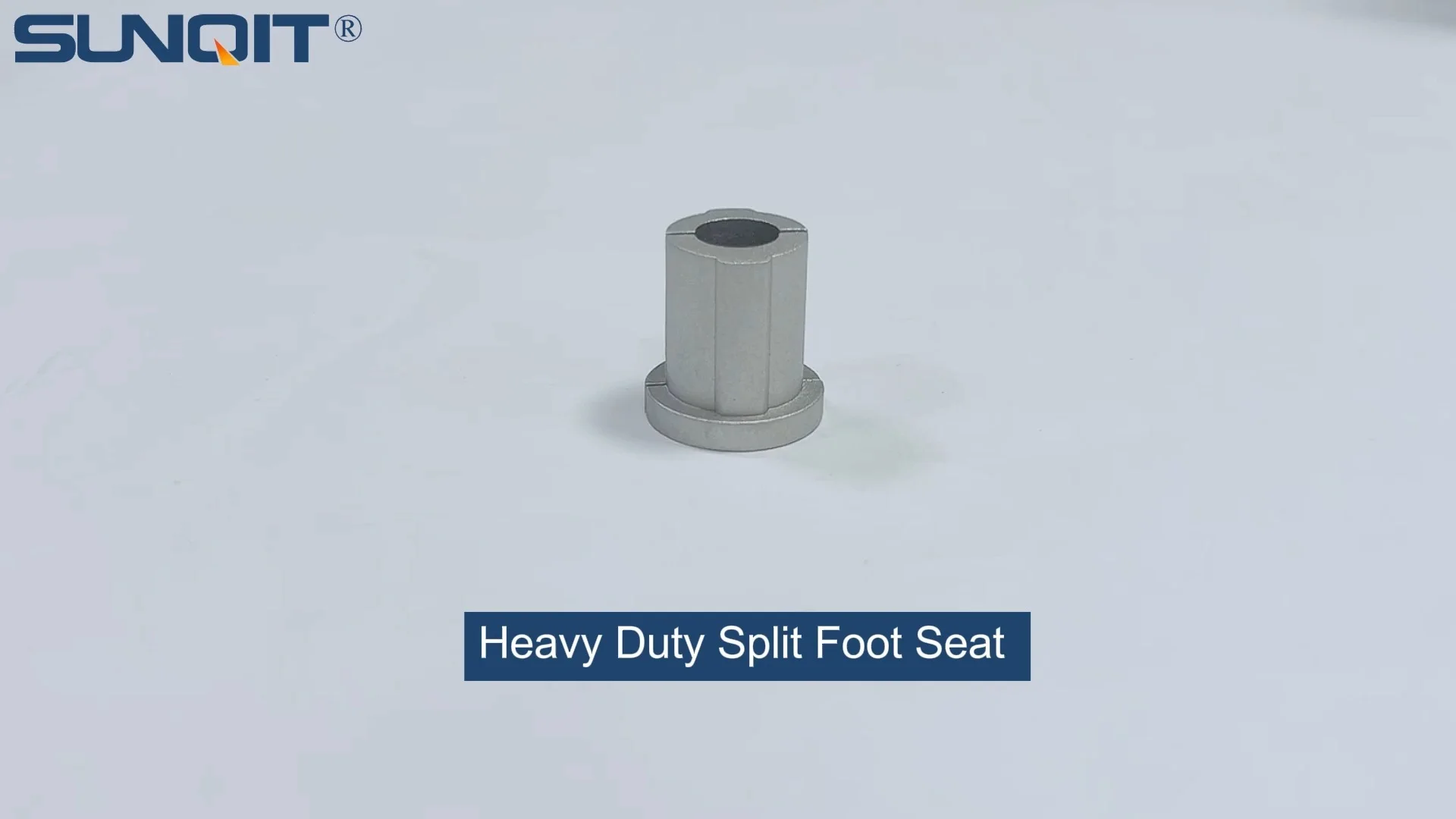
Heavy Duty Split Foot Seat
M10 aluminum heavy duty split foot deat with foot adjuster for workbench and flow rack.
Introduction: The Unsung Hero of Workplace Stability
In the hustle and bustle of a manufacturing plant, a warehouse, or even a busy workshop, there's a silent component working tirelessly behind the scenes to keep operations running smoothly: the heavy duty split foot seat. You might not notice it at first glance—after all, it's often hidden beneath workbenches, racks, or material handling equipment—but its role is critical. This unassuming piece of hardware is the backbone of stability, supporting everything from heavy tools and machinery to stacks of raw materials. For anyone who's ever worked in an industrial setting, you know that a wobbly workbench or a sagging rack isn't just an annoyance; it's a safety hazard and a productivity killer. That's why understanding the maximum weight a heavy duty split foot seat can hold isn't just a technical detail—it's a cornerstone of creating a safe, efficient workspace.
Whether you're setting up a new lean pipe workbench, retrofitting an existing assembly line, or choosing components for a custom material rack, the split foot seat's weight capacity directly impacts how well your setup performs. Too often, teams overlook this small but mighty part, only to face costly downtime or, worse, accidents when equipment fails under strain. In this article, we'll dive deep into the world of heavy duty split foot seats: what they are, why they matter, the factors that determine their weight limits, and how to choose the right one for your needs. By the end, you'll have a clear picture of how this humble component can make or break your workplace's safety and efficiency.
Whether you're setting up a new lean pipe workbench, retrofitting an existing assembly line, or choosing components for a custom material rack, the split foot seat's weight capacity directly impacts how well your setup performs. Too often, teams overlook this small but mighty part, only to face costly downtime or, worse, accidents when equipment fails under strain. In this article, we'll dive deep into the world of heavy duty split foot seats: what they are, why they matter, the factors that determine their weight limits, and how to choose the right one for your needs. By the end, you'll have a clear picture of how this humble component can make or break your workplace's safety and efficiency.
What Exactly Is a Heavy Duty Split Foot Seat?
Let's start by breaking down what a heavy duty split foot seat actually is. At its core, it's a type of support base designed to anchor equipment—like workbenches, racks, or even mobile trolleys—to the floor or a stable surface. Unlike simple flat bases, split foot seats are engineered with a "split" design, meaning they have two separate contact points (or "feet") that distribute weight more evenly. This design isn't just for show; it's a strategic choice to enhance stability, especially when dealing with uneven loads or surfaces.
Think about a standard workbench. If it uses a single, solid base, all the weight is concentrated in one area. But with a split foot seat, the weight is spread across two points, reducing stress on the floor and minimizing the risk of tipping. This is particularly important in settings where equipment is moved or adjusted frequently, or where heavy items are placed unevenly—common scenarios in manufacturing and warehousing.
Split foot seats are typically made from durable materials like steel or aluminum, though steel is more common for "heavy duty" applications due to its higher strength. They often feature holes or slots for bolting to the floor, ensuring a secure connection that resists shifting. Some models also include adjustable components, like leveling screws, to compensate for uneven floors—a small detail that makes a big difference in maintaining stability over time.
Think about a standard workbench. If it uses a single, solid base, all the weight is concentrated in one area. But with a split foot seat, the weight is spread across two points, reducing stress on the floor and minimizing the risk of tipping. This is particularly important in settings where equipment is moved or adjusted frequently, or where heavy items are placed unevenly—common scenarios in manufacturing and warehousing.
Split foot seats are typically made from durable materials like steel or aluminum, though steel is more common for "heavy duty" applications due to its higher strength. They often feature holes or slots for bolting to the floor, ensuring a secure connection that resists shifting. Some models also include adjustable components, like leveling screws, to compensate for uneven floors—a small detail that makes a big difference in maintaining stability over time.

Why Weight Capacity Matters: Safety, Efficiency, and Longevity
You might be wondering, "Does the exact weight capacity really matter? Can't I just pick the strongest one available?" While it's tempting to overengineer, choosing a split foot seat with the right capacity—no more, no less—is key for three reasons: safety, efficiency, and cost-effectiveness.
Safety First: The most obvious reason is safety. A split foot seat that's overloaded can bend, crack, or fail entirely, leading to collapsed equipment, damaged materials, or even injuries. Imagine a lean pipe workbench in an electronics assembly line holding heavy soldering equipment, circuit boards, and toolboxes. If the split foot seats underpinning it can't handle the total weight, the workbench could tip, sending tools crashing to the floor or endangering workers nearby. In warehouses, where racks stacked with pallets rely on split foot seats for stability, a failure could result in thousands of pounds of goods collapsing—a disaster for both inventory and personnel.
Efficiency and Productivity: Even if a split foot seat doesn't fail outright, being underrated can lead to subtle issues that hurt productivity. A seat that's struggling to support the load might cause the equipment to wobble, making precise tasks (like assembly or measurement) difficult. Over time, the stress can loosen bolts or damage the equipment's frame, leading to frequent repairs and downtime. On the flip side, choosing a seat with a capacity far exceeding your needs isn't efficient either. Heavier, higher-capacity seats are often bulkier and more expensive, taking up unnecessary space and increasing costs.
Longevity of Equipment: Equipment lasts longer when its components are properly matched to the load. A split foot seat that's well-suited to the weight it supports will experience less wear and tear, extending the life of both the seat and the equipment it anchors. This means fewer replacements, lower maintenance costs, and a more sustainable operation overall.
Safety First: The most obvious reason is safety. A split foot seat that's overloaded can bend, crack, or fail entirely, leading to collapsed equipment, damaged materials, or even injuries. Imagine a lean pipe workbench in an electronics assembly line holding heavy soldering equipment, circuit boards, and toolboxes. If the split foot seats underpinning it can't handle the total weight, the workbench could tip, sending tools crashing to the floor or endangering workers nearby. In warehouses, where racks stacked with pallets rely on split foot seats for stability, a failure could result in thousands of pounds of goods collapsing—a disaster for both inventory and personnel.
Efficiency and Productivity: Even if a split foot seat doesn't fail outright, being underrated can lead to subtle issues that hurt productivity. A seat that's struggling to support the load might cause the equipment to wobble, making precise tasks (like assembly or measurement) difficult. Over time, the stress can loosen bolts or damage the equipment's frame, leading to frequent repairs and downtime. On the flip side, choosing a seat with a capacity far exceeding your needs isn't efficient either. Heavier, higher-capacity seats are often bulkier and more expensive, taking up unnecessary space and increasing costs.
Longevity of Equipment: Equipment lasts longer when its components are properly matched to the load. A split foot seat that's well-suited to the weight it supports will experience less wear and tear, extending the life of both the seat and the equipment it anchors. This means fewer replacements, lower maintenance costs, and a more sustainable operation overall.

Factors That Determine Maximum Weight Capacity
So, what decides how much weight a heavy duty split foot seat can hold? It's not a one-size-fits-all number; several factors come into play, from materials to design to installation. Let's break them down:
1. Material Choice: Steel vs. Aluminum
The material of the split foot seat is the foundation of its strength. Steel is the go-to for heavy duty applications because of its high tensile strength and durability. A steel split foot seat can typically handle more weight than an aluminum one, though aluminum is lighter and resistant to corrosion—making it a better choice for environments with moisture or chemicals. When shopping, you'll often see specs like "carbon steel" or "stainless steel"; carbon steel is stronger but prone to rust, while stainless steel adds corrosion resistance at a slightly higher cost.
2. Design and Engineering
The split foot seat's design plays a huge role in its weight capacity. Key features include:
3. Installation Quality
Even the strongest split foot seat will underperform if installed poorly. If bolts are loose, or if the seat is mounted on a weak or uneven floor, its effective weight capacity drops significantly. For example, bolting a split foot seat into concrete is far more secure than mounting it on a wooden pallet. Similarly, using the wrong size bolts (too short or too weak) can cause the connection to fail before the seat itself does. Always follow the manufacturer's installation guidelines, and if you're unsure, consult a professional to ensure the seat is mounted correctly.
4. Environmental Factors
The environment where the split foot seat is used can also affect its weight capacity. Extreme temperatures, moisture, or exposure to chemicals can weaken materials over time. For example, a steel split foot seat in a humid warehouse might rust, reducing its structural integrity. Similarly, repeated vibrations—common near heavy machinery—can loosen bolts or fatigue the metal, lowering the effective capacity. In these cases, choosing a corrosion-resistant material (like stainless steel) or adding protective coatings can help maintain the seat's strength.
1. Material Choice: Steel vs. Aluminum
The material of the split foot seat is the foundation of its strength. Steel is the go-to for heavy duty applications because of its high tensile strength and durability. A steel split foot seat can typically handle more weight than an aluminum one, though aluminum is lighter and resistant to corrosion—making it a better choice for environments with moisture or chemicals. When shopping, you'll often see specs like "carbon steel" or "stainless steel"; carbon steel is stronger but prone to rust, while stainless steel adds corrosion resistance at a slightly higher cost.
2. Design and Engineering
The split foot seat's design plays a huge role in its weight capacity. Key features include:
- Foot Size: Larger feet distribute weight over a bigger area, reducing pressure on the floor and increasing stability. A split foot seat with 6-inch-wide feet will handle more weight than one with 4-inch feet, all else being equal.
- Thickness: Thicker steel or aluminum means more material to resist bending. A seat with a 1/4-inch thick base will be stronger than a 1/8-inch one.
- Reinforcements: Some models include ribs, gussets, or folded edges to add rigidity. These reinforcements prevent the seat from deforming under heavy loads.
- Bolting Pattern: The number and placement of bolt holes matter. More bolts, or bolts spaced wider apart, create a stronger connection to the floor, allowing the seat to handle more weight without pulling free.
3. Installation Quality
Even the strongest split foot seat will underperform if installed poorly. If bolts are loose, or if the seat is mounted on a weak or uneven floor, its effective weight capacity drops significantly. For example, bolting a split foot seat into concrete is far more secure than mounting it on a wooden pallet. Similarly, using the wrong size bolts (too short or too weak) can cause the connection to fail before the seat itself does. Always follow the manufacturer's installation guidelines, and if you're unsure, consult a professional to ensure the seat is mounted correctly.
4. Environmental Factors
The environment where the split foot seat is used can also affect its weight capacity. Extreme temperatures, moisture, or exposure to chemicals can weaken materials over time. For example, a steel split foot seat in a humid warehouse might rust, reducing its structural integrity. Similarly, repeated vibrations—common near heavy machinery—can loosen bolts or fatigue the metal, lowering the effective capacity. In these cases, choosing a corrosion-resistant material (like stainless steel) or adding protective coatings can help maintain the seat's strength.

Typical Weight Capacities: A Closer Look
Now that we understand the factors that influence weight capacity, let's talk numbers. What's the "typical" maximum weight a heavy duty split foot seat can hold? The answer varies widely, but most heavy duty models fall in the range of 1,000 to 5,000 pounds per seat. However, some industrial-grade seats can handle up to 10,000 pounds or more, depending on the design and materials.
To give you a better sense, let's look at a comparison of common split foot seat models, their materials, and their weight capacities:
It's important to note that these are general guidelines. Always check the manufacturer's specifications for the exact model you're considering—capacities can vary based on design tweaks, like added reinforcements or bolt patterns. Also, remember that these numbers are per seat. If your equipment uses multiple split foot seats (which it often will), the total weight capacity is the sum of each seat's capacity. For example, a workbench with four heavy duty steel split foot seats (3,000 lbs each) can theoretically support up to 12,000 lbs—though you should always factor in a safety margin (more on that later).
To give you a better sense, let's look at a comparison of common split foot seat models, their materials, and their weight capacities:
| Model | Material | Foot Dimensions (W x L) | Weight Capacity (Per Seat) | Best For |
|---|---|---|---|---|
| Standard Steel Split Foot Seat | Carbon Steel | 4" x 6" | 1,500 lbs | Light to medium workbenches, small racks |
| Heavy Duty Steel Split Foot Seat | Carbon Steel (1/4" thick) | 6" x 8" | 3,000 lbs | Large workbenches, material racks, stationary machinery |
| Stainless Steel Split Foot Seat | 304 Stainless Steel | 5" x 7" | 2,500 lbs | Food processing, pharmaceutical, or wet environments |
| Industrial-Grade Steel Split Foot Seat | High-Strength Steel | 8" x 10" | 5,000+ lbs | Heavy machinery, large storage racks, industrial presses |
| Aluminum Split Foot Seat | 6061 Aluminum | 4" x 6" | 1,000 lbs | Lightweight equipment, mobile carts, corrosion-sensitive areas |
It's important to note that these are general guidelines. Always check the manufacturer's specifications for the exact model you're considering—capacities can vary based on design tweaks, like added reinforcements or bolt patterns. Also, remember that these numbers are per seat. If your equipment uses multiple split foot seats (which it often will), the total weight capacity is the sum of each seat's capacity. For example, a workbench with four heavy duty steel split foot seats (3,000 lbs each) can theoretically support up to 12,000 lbs—though you should always factor in a safety margin (more on that later).
Real-World Applications: Where Split Foot Seats Shine
To put these capacities into context, let's look at some real-world scenarios where heavy duty split foot seats are essential:
1. Lean Pipe Workbenches
Lean pipe workbenches are a staple in manufacturing, known for their modularity and flexibility. They're used for assembly, packaging, and quality control, often holding tools, parts bins, and even small machinery. A typical lean pipe workbench might have a wooden or metal top, with split foot seats at each corner to anchor it to the floor. If the workbench is used for assembling heavy electronics (like appliances or automotive parts), the total weight could easily reach 2,000 lbs or more. In this case, choosing split foot seats with a 1,500 lbs capacity per seat (four seats total) provides a safe, stable base.
2. Material Racks and Shelving
Warehouses rely on sturdy racks to store everything from boxes to pallets of raw materials. A single pallet of goods can weigh 2,000 lbs or more, and a rack with multiple levels can hold dozens of pallets. Split foot seats are used to anchor these racks to the floor, preventing them from tipping over when loaded. For a large rack with four split foot seats, each seat might need to support 5,000 lbs or more to handle the total weight safely.
3. Mobile Trolleys with Caster Wheels
Even mobile equipment benefits from split foot seats—though in this case, they're often paired with caster wheels for mobility. When the trolley is stationary, the split foot seats can be lowered to the floor to lock it in place, providing stability while workers load or unload heavy items. For example, a tool trolley in a garage might use split foot seats with a 1,000 lbs capacity to keep it steady when holding heavy power tools. When it's time to move, the seats are raised, and the caster wheels take over, allowing easy maneuvering.
4. Industrial Machinery
Large machinery like lathes, milling machines, or hydraulic presses can weigh tens of thousands of pounds. While these machines often have their own built-in bases, split foot seats are sometimes used to reinforce the connection to the floor, especially in high-vibration environments. In these cases, industrial-grade split foot seats with capacities of 10,000 lbs or more are necessary to ensure the machinery stays anchored and stable during operation.
1. Lean Pipe Workbenches
Lean pipe workbenches are a staple in manufacturing, known for their modularity and flexibility. They're used for assembly, packaging, and quality control, often holding tools, parts bins, and even small machinery. A typical lean pipe workbench might have a wooden or metal top, with split foot seats at each corner to anchor it to the floor. If the workbench is used for assembling heavy electronics (like appliances or automotive parts), the total weight could easily reach 2,000 lbs or more. In this case, choosing split foot seats with a 1,500 lbs capacity per seat (four seats total) provides a safe, stable base.
2. Material Racks and Shelving
Warehouses rely on sturdy racks to store everything from boxes to pallets of raw materials. A single pallet of goods can weigh 2,000 lbs or more, and a rack with multiple levels can hold dozens of pallets. Split foot seats are used to anchor these racks to the floor, preventing them from tipping over when loaded. For a large rack with four split foot seats, each seat might need to support 5,000 lbs or more to handle the total weight safely.
3. Mobile Trolleys with Caster Wheels
Even mobile equipment benefits from split foot seats—though in this case, they're often paired with caster wheels for mobility. When the trolley is stationary, the split foot seats can be lowered to the floor to lock it in place, providing stability while workers load or unload heavy items. For example, a tool trolley in a garage might use split foot seats with a 1,000 lbs capacity to keep it steady when holding heavy power tools. When it's time to move, the seats are raised, and the caster wheels take over, allowing easy maneuvering.
4. Industrial Machinery
Large machinery like lathes, milling machines, or hydraulic presses can weigh tens of thousands of pounds. While these machines often have their own built-in bases, split foot seats are sometimes used to reinforce the connection to the floor, especially in high-vibration environments. In these cases, industrial-grade split foot seats with capacities of 10,000 lbs or more are necessary to ensure the machinery stays anchored and stable during operation.
Choosing the Right Split Foot Seat: A Step-by-Step Guide
Now that you know what to look for, how do you choose the right heavy duty split foot seat for your needs? Follow these steps to ensure you get a seat that's strong enough, durable enough, and suited to your environment:
Step 1: Calculate the Total Weight of Your Equipment and Loads
Start by figuring out how much weight the split foot seats will need to support. This includes the weight of the equipment itself (e.g., the workbench frame, rack structure) plus the maximum load it will hold (tools, materials, etc.). Be generous with your estimates—overestimating is better than underestimating. For example, if your workbench weighs 500 lbs and you expect to place 1,000 lbs of tools and materials on it, the total weight is 1,500 lbs. If the workbench uses four split foot seats, each seat will need to support at least 375 lbs (1,500 lbs ÷ 4). But remember to add a safety margin—aim for seats that can handle 50% more than the calculated weight to account for uneven loading or unexpected stress. In this case, 375 lbs + 50% = 562.5 lbs per seat, so you'd choose a seat with at least 600 lbs capacity.
Step 2: Consider Your Environment
Next, think about where the split foot seat will be used. Is it indoors or outdoors? Is the area wet, dusty, or prone to corrosion? Will there be vibrations or frequent movement? For example, a warehouse with concrete floors and dry conditions might use a standard carbon steel seat, while a food processing plant with moisture and chemicals would need a stainless steel model. If the area has uneven floors, look for seats with adjustable leveling screws to ensure a stable base.
Step 3: Check Manufacturer Specifications
Once you have your weight estimate and environment details, start comparing products. Look for manufacturers that clearly list the weight capacity of their split foot seats, along with the materials and design features. Avoid generic "heavy duty" labels without specific numbers—you need concrete specs to make an informed choice. Reputable suppliers will also provide installation guidelines and testing certifications, which can give you confidence in the product's performance.
Step 4: Don't Forget About Compatibility
Make sure the split foot seat is compatible with your equipment. Check the bolt hole patterns, size, and mounting style to ensure it will fit properly. For example, a lean pipe workbench with a specific frame design might require a seat with a certain bolt spacing to attach securely. If you're unsure, reach out to the equipment manufacturer or the split foot seat supplier for guidance.
Step 5: Factor in Long-Term Maintenance
Finally, consider how easy the split foot seat is to maintain. Will you need to tighten bolts regularly? Is it easy to inspect for signs of wear or corrosion? A seat with accessible bolts and a simple design will be easier to maintain, ensuring it continues to perform well over time. For example, a stainless steel seat might require less maintenance than a carbon steel one in a wet environment, saving you time and money on upkeep.
Step 1: Calculate the Total Weight of Your Equipment and Loads
Start by figuring out how much weight the split foot seats will need to support. This includes the weight of the equipment itself (e.g., the workbench frame, rack structure) plus the maximum load it will hold (tools, materials, etc.). Be generous with your estimates—overestimating is better than underestimating. For example, if your workbench weighs 500 lbs and you expect to place 1,000 lbs of tools and materials on it, the total weight is 1,500 lbs. If the workbench uses four split foot seats, each seat will need to support at least 375 lbs (1,500 lbs ÷ 4). But remember to add a safety margin—aim for seats that can handle 50% more than the calculated weight to account for uneven loading or unexpected stress. In this case, 375 lbs + 50% = 562.5 lbs per seat, so you'd choose a seat with at least 600 lbs capacity.
Step 2: Consider Your Environment
Next, think about where the split foot seat will be used. Is it indoors or outdoors? Is the area wet, dusty, or prone to corrosion? Will there be vibrations or frequent movement? For example, a warehouse with concrete floors and dry conditions might use a standard carbon steel seat, while a food processing plant with moisture and chemicals would need a stainless steel model. If the area has uneven floors, look for seats with adjustable leveling screws to ensure a stable base.
Step 3: Check Manufacturer Specifications
Once you have your weight estimate and environment details, start comparing products. Look for manufacturers that clearly list the weight capacity of their split foot seats, along with the materials and design features. Avoid generic "heavy duty" labels without specific numbers—you need concrete specs to make an informed choice. Reputable suppliers will also provide installation guidelines and testing certifications, which can give you confidence in the product's performance.
Step 4: Don't Forget About Compatibility
Make sure the split foot seat is compatible with your equipment. Check the bolt hole patterns, size, and mounting style to ensure it will fit properly. For example, a lean pipe workbench with a specific frame design might require a seat with a certain bolt spacing to attach securely. If you're unsure, reach out to the equipment manufacturer or the split foot seat supplier for guidance.
Step 5: Factor in Long-Term Maintenance
Finally, consider how easy the split foot seat is to maintain. Will you need to tighten bolts regularly? Is it easy to inspect for signs of wear or corrosion? A seat with accessible bolts and a simple design will be easier to maintain, ensuring it continues to perform well over time. For example, a stainless steel seat might require less maintenance than a carbon steel one in a wet environment, saving you time and money on upkeep.
Common Misconceptions About Split Foot Seats
Even with all this information, there are still common myths and misconceptions about split foot seats that can lead to poor choices. Let's debunk a few:
Misconception 1: "Heavier is always better."
While a heavier seat might seem stronger, that's not always the case. A well-engineered aluminum seat with a smart design can sometimes outperform a bulky, poorly designed steel seat. Focus on the weight capacity spec, not just the seat's own weight.
Misconception 2: "I can mix and match different seat models."
Using split foot seats with different weight capacities on the same piece of equipment is a recipe for disaster. If one seat can handle 1,000 lbs and another can handle 3,000 lbs, the weaker seat will fail first, causing the entire setup to tip. Always use identical seats with the same capacity to ensure even weight distribution.
Misconception 3: "Once installed, I don't need to check them again."
Split foot seats aren't "set it and forget it" components. Over time, bolts can loosen, materials can wear, and environments can change. Regular inspections—at least once a month in high-use areas—are essential to catch issues early. Tighten loose bolts, replace corroded parts, and adjust leveling screws as needed to maintain optimal performance.
Misconception 1: "Heavier is always better."
While a heavier seat might seem stronger, that's not always the case. A well-engineered aluminum seat with a smart design can sometimes outperform a bulky, poorly designed steel seat. Focus on the weight capacity spec, not just the seat's own weight.
Misconception 2: "I can mix and match different seat models."
Using split foot seats with different weight capacities on the same piece of equipment is a recipe for disaster. If one seat can handle 1,000 lbs and another can handle 3,000 lbs, the weaker seat will fail first, causing the entire setup to tip. Always use identical seats with the same capacity to ensure even weight distribution.
Misconception 3: "Once installed, I don't need to check them again."
Split foot seats aren't "set it and forget it" components. Over time, bolts can loosen, materials can wear, and environments can change. Regular inspections—at least once a month in high-use areas—are essential to catch issues early. Tighten loose bolts, replace corroded parts, and adjust leveling screws as needed to maintain optimal performance.
Conclusion: Investing in Stability for a Safer, More Efficient Workplace
The maximum weight a heavy duty split foot seat can hold isn't just a technical specification—it's a critical factor in creating a workplace that's safe, efficient, and built to last. From lean pipe workbenches to massive material racks, these unassuming components play a vital role in supporting the tools, materials, and machinery that keep industries running. By understanding the factors that influence weight capacity—materials, design, installation, and environment—you can choose the right split foot seat for your needs, avoiding costly mistakes and ensuring your equipment performs at its best.
Remember, when it comes to split foot seats, precision matters. Take the time to calculate your weight needs, consider your environment, and choose a reputable supplier with clear specifications. And don't forget to maintain your seats regularly—small checks now can prevent big problems later. With the right split foot seats in place, you can focus on what really matters: keeping your team safe, your operations efficient, and your business thriving.
Remember, when it comes to split foot seats, precision matters. Take the time to calculate your weight needs, consider your environment, and choose a reputable supplier with clear specifications. And don't forget to maintain your seats regularly—small checks now can prevent big problems later. With the right split foot seats in place, you can focus on what really matters: keeping your team safe, your operations efficient, and your business thriving.