- Company Articles
- Products and Technology
- Product knowledge
- What Is the Shelf Life of Unused Aluminum Profile Rubber Strips?

What Is the Shelf Life of Unused Aluminum Profile Rubber Strips?
Related Product
Aluminum Profile Rubber Strip
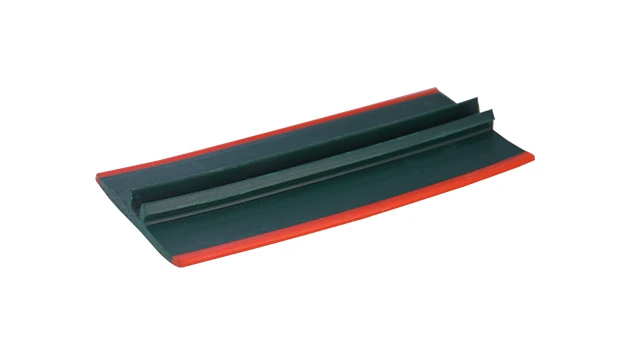
The tread strip fits into a T-slot channel and provides an anti-slip ribbed surface. It has a key pad that presses into a T-slot and is commonly used for adding traction on steps or as padding for doors. Tread strip can be ordered by rolls. The high quali
If you've ever worked with aluminum profiles—whether building a workbench, assembling a conveyor system, or setting up storage racks—you've probably encountered those small but crucial components: aluminum profile rubber strips. These unassuming pieces of rubber play a big role in making sure your aluminum structures are durable, functional, and safe. But here's a question that often gets overlooked: how long can you keep unused aluminum profile rubber strips before they start to degrade? Understanding their shelf life isn't just about avoiding waste; it's about ensuring that when you finally use them, they perform as well as the day they left the factory. Let's dive into this topic, exploring what these rubber strips are, what affects their lifespan, and how to make sure yours stay in top shape.
What Are Aluminum Profile Rubber Strips, Anyway?
First, let's get clear on what we're talking about. Aluminum profile rubber strips are flexible, often narrow pieces of rubber designed to fit into the grooves (like T-slots) of aluminum extrusion profiles. Think of them as the "gaskets" of the aluminum world—they seal gaps, reduce friction, dampen noise, and protect both the aluminum profiles and the materials or people interacting with them. You might also hear them called t-slot rubber seal covers , a term that highlights their role in sealing the T-slots common in many aluminum profiles.
These strips come in various materials, but the most common is EPDM (ethylene propylene diene monomer) rubber, prized for its resistance to heat, weather, and chemicals. Some are made of silicone for extreme temperature resistance, or neoprene for oil and solvent tolerance. Their design is simple: a long, thin strip with a shape that matches the T-slot of the aluminum profile, ensuring a snug fit. They're part of the broader category of aluminum profile accessories , alongside connectors, end caps, and brackets—all the little parts that turn basic aluminum extrusion profiles into functional structures.
Why Do Shelf Life Matter for Unused Rubber Strips?
You might be thinking, "Rubber is rubber—can't I just toss these strips in a drawer and use them whenever?" Unfortunately, rubber is a organic material (even synthetic rubber), and over time, it undergoes a process called "aging." This isn't the same as getting old in a human sense; it's a chemical breakdown that affects the rubber's physical properties. A degraded rubber strip might become brittle, cracked, or sticky—useless for sealing, cushioning, or protecting your aluminum profiles.
Imagine this: You're building a workbench using high-quality aluminum profiles from a trusted aluminum profile supplier . You pull out some rubber strips you bought two years ago, only to find they're cracked and crumble when you try to insert them into the T-slots. Now you've got a workbench with exposed slots that collect dust, make noise when items slide across, and might even scratch the products you're assembling. That's a frustrating waste of time and money—all because you didn't consider shelf life.
For businesses, this is even more critical. If a manufacturer orders a bulk supply of aluminum profile accessories (including rubber strips) and stores them improperly, they could end up with hundreds of dollars in useless inventory. Worse, if degraded strips are unknowingly used in products like conveyors or medical equipment, it could lead to malfunctions or safety risks. So, understanding shelf life isn't just about saving a few dollars—it's about maintaining quality and reliability.

What Factors Affect the Shelf Life of Aluminum Profile Rubber Strips?
The shelf life of unused aluminum profile rubber strips isn't set in stone; it depends on a mix of factors, from the type of rubber to how you store them. Let's break down the key players:
1. Material Composition: Not All Rubber Is Created Equal
The biggest factor in shelf life is the type of rubber used. As mentioned earlier, EPDM is the most common, and it's a solid all-rounder. Unused EPDM rubber strips, when stored properly, can last 5 to 7 years before showing signs of degradation. Silicone rubber, which handles high temperatures better, can last even longer—up to 10 years in ideal conditions. On the flip side, natural rubber (less common in aluminum profile strips but still used in some cases) has a shorter shelf life, around 3 to 5 years , because it's more prone to oxidation.
Why the difference? It's all in the chemistry. Synthetic rubbers like EPDM and silicone have more stable molecular structures, making them resistant to the chemical reactions that cause aging. Natural rubber, derived from tree sap, has more unsaturated bonds in its molecules, which are easier for oxygen and heat to break down.
2. Storage Conditions: Your Rubber Strips' "Home" Matters
Even the most durable rubber strip will degrade quickly if stored poorly. Think of storage conditions as the "environment" your rubber strips live in—too hot, too humid, or too exposed to light, and they'll age faster. Let's break down the worst offenders:
- Temperature Extremes: High heat (above 30°C / 86°F) accelerates chemical reactions in rubber, causing it to harden and crack. Freezing cold (below 0°C / 32°F) can make rubber brittle, especially if it's bent or flexed while cold.
- Humidity: Rubber itself isn't afraid of water, but high humidity (above 70%) creates a breeding ground for mold and mildew, which can eat away at the rubber's surface. It also promotes oxidation, a key aging process.
- Light Exposure: Ultraviolet (UV) light from the sun or fluorescent bulbs breaks down the chemical bonds in rubber, leading to discoloration and brittleness. This is why many rubber products come in opaque packaging.
- Oxygen and Ozone: Oxygen in the air causes slow oxidation of rubber, while ozone (a molecule found in smog or near electrical equipment) can rapidly degrade rubber, creating cracks (called "ozone cracking") even in unused strips.
- Chemical Exposure: Storing rubber strips near solvents, oils, paints, or cleaning agents is a bad idea. These chemicals can react with the rubber, making it swell, soften, or become sticky.
To visualize how these factors interact, let's look at a table comparing different storage scenarios and their impact on EPDM rubber strip shelf life:
| Storage Scenario | Conditions | Estimated Shelf Life (EPDM Rubber) | Key Aging Signs |
|---|---|---|---|
| Ideal Storage | Cool (15-25°C / 59-77°F), dry (40-60% humidity), dark, sealed container, away from chemicals/ozone. | 5-7 years | Minimal aging; rubber remains flexible and intact. |
| Garage or Workshop (Uncontrolled) | Fluctuating temperatures (hot in summer, cold in winter), high humidity, exposed to light/ozone from tools. | 2-3 years | Brittleness, slight cracking, discoloration. |
| Basement or Attic | High humidity (basement) or extreme heat (attic), poor ventilation. | 1-2 years | Mold growth, stickiness, severe cracking. |
| Open Bag on a Shelf | Exposed to light, dust, and air circulation (oxygen/ozone). | 1-3 years (depending on light exposure) | Discoloration, surface brittleness, loss of elasticity. |
3. Manufacturing Quality: Not All Strips Are Created Equal
The way rubber strips are made also affects their shelf life. High-quality strips from reputable manufacturers (like the ones supplied by a trusted aluminum profile supplier) undergo careful vulcanization (the process that turns raw rubber into a durable material) and are treated with antioxidants and UV stabilizers to slow aging. Cheaper, poorly made strips might skip these additives, leading to faster degradation.
For example, antioxidants prevent oxygen from breaking down the rubber's molecules, while UV stabilizers absorb harmful UV light. Without these, even a "fresh" rubber strip might start aging the moment it's exposed to air or light. So, when buying aluminum profile accessories, it's worth investing in quality—your future self (and your projects) will thank you.
4. Packaging: The First Line of Defense
You might not think much about the plastic bag or box your rubber strips come in, but packaging plays a huge role in protecting them during storage. Most manufacturers package rubber strips in opaque, airtight plastic bags or sealed cardboard boxes, which block light, limit oxygen exposure, and keep out dust and moisture. If you open the original packaging and don't reseal it properly, you're letting in all the enemies of rubber: oxygen, humidity, and light.
Some high-end strips even come in vacuum-sealed packaging, which removes air (and thus oxygen) entirely, drastically slowing oxidation. If you've got vacuum-sealed strips, leave them sealed until you're ready to use them—this is the closest thing to "pause" button for rubber aging.

Signs Your Rubber Strips Have Expired
Okay, so you've had some rubber strips stored away—how do you tell if they're still good? Here are the key signs that your aluminum profile rubber strips have degraded beyond use:
- Brittleness: When you bend the strip, it cracks or breaks instead of flexing. Healthy rubber should bend easily without damage.
- Cracking: Small cracks on the surface or along the edges, especially if they're deep or widespread. Ozone cracking often looks like tiny, parallel cracks.
- Stickiness or Tackiness: The rubber feels gummy or leaves residue on your fingers. This is a sign of chemical breakdown, often caused by heat or exposure to solvents.
- Discoloration: Fading, yellowing, or dark spots (mold). While slight discoloration alone might not render the strip useless, it's often a warning sign of UV or chemical damage.
- Loss of Elasticity: The strip doesn't return to its original shape after being stretched or compressed. It might stay bent or compressed, which means it won't seal T-slots properly.
- Mold or Mildew: Visible mold growth (white, green, or black spots) is a red flag, as it indicates high humidity and potential degradation of the rubber's structure.
A quick test: Take a strip, bend it 180 degrees, and hold it for 30 seconds. Release it—if it snaps back to shape without cracking, it's probably still good. If it cracks or stays bent, it's time to replace it.
Extending Shelf Life: How to Store Rubber Strips Like a Pro
The good news is that with proper storage, you can maximize the shelf life of your aluminum profile rubber strips. Here's a step-by-step guide to storing them like a pro:
1. Keep Them in Their Original Packaging (or Reseal It)
Manufacturers design packaging to protect rubber strips, so don't throw it away! If you've opened the package, reseal it tightly with tape or transfer the strips to an airtight container (like a plastic storage bin with a gasketed lid). For extra protection, wrap the strips in acid-free paper before sealing to prevent them from sticking together.
2. Choose the Right Storage Location
Aim for a cool, dry, dark spot. A closet inside your home (not the garage or basement) is ideal. Avoid areas near windows (UV light), heating vents (heat), or electrical equipment (ozone). If you must store them in a workshop, use a sealed metal cabinet to block light and humidity.
3. Control Temperature and Humidity
If possible, store the strips in a room with a consistent temperature between 15-25°C (59-77°F) and humidity around 40-60%. A dehumidifier can help if your storage area is damp. Avoid storing them near air conditioners or heaters, which cause temperature swings.
4. Avoid Ozone and Chemicals
Keep rubber strips away from electrical motors (which generate ozone), welding equipment, solvents, and cleaning supplies. If you're storing them in a cabinet, make sure it's not shared with paints, oils, or adhesives.
5. Rotate Your Stock (If You Buy in Bulk)
If you're a business or frequent DIYer who buys aluminum profile accessories in bulk, practice "first in, first out" (FIFO) storage. Use the oldest strips first, and label packages with the purchase date so you know when they were acquired. This prevents you from reaching for a 5-year-old strip when you have a newer one available.
Real-World Scenarios: How Storage Habits Impact Rubber Strips
To make this tangible, let's look at two real-world examples of people who stored their rubber strips differently—and the results:
Case 1: The Hobbyist Who Did It Right
Mark, a DIY enthusiast, buys aluminum profile accessories (including t-slot rubber seal covers) from his local aluminum profile supplier for various projects. He stores his unused strips in a sealed plastic bin with a desiccant packet (to absorb moisture) under his bed—cool, dark, and dry. Two years later, he uses the strips to build a conveyor for his 3D printer. The rubber strips are still flexible, seal the T-slots perfectly, and reduce noise from the conveyor's moving parts. He's thrilled they worked as well as new.
Case 2: The Small Business That Learned the Hard Way
A small manufacturing company orders 500 meters of EPDM rubber strips for their aluminum workbench production. They store the strips in an open cardboard box in their workshop, near a window and a welding station. Six months later, when they go to use the strips, they find many are brittle and cracked, with visible ozone damage. They have to reorder, costing time and money. The lesson? Even short-term improper storage can ruin rubber strips.
What About Other Aluminum Profile Accessories?
While we've focused on rubber strips, it's worth noting that other aluminum profile accessories have their own storage needs. For example, metal brackets or connectors can rust if stored in humid conditions, while plastic end caps might degrade in UV light. However, rubber strips are unique because they're organic and prone to chemical aging, making their shelf life more critical than, say, aluminum extrusion profiles (which can last decades if stored dry).
Conclusion: Shelf Life Isn't Just a Number—It's About Quality
The shelf life of unused aluminum profile rubber strips isn't a fixed number; it's a range determined by material, storage, and manufacturing quality. For EPDM strips stored ideally, you can expect 5-7 years of usability. But poor storage can cut that to 1-2 years, leaving you with useless strips and wasted money.
The key takeaway? Treat your rubber strips like the valuable aluminum profile accessories they are. Store them cool, dry, dark, and sealed, and check them for signs of degradation before use. By doing so, you'll ensure that when you're building your next project—whether a workbench, conveyor, or storage rack—your rubber strips perform as well as the day you bought them. After all, the best aluminum extrusion profiles deserve the best accessories to go with them.
So, next time you unbox a new set of aluminum profile rubber strips, take a moment to think about where you'll store them. Your future self (and your projects) will be glad you did.