- Company Articles
- Products and Technology
- Product knowledge
- What Is the Temperature Resistance of Aluminum Profile Rubber Strips?

What Is the Temperature Resistance of Aluminum Profile Rubber Strips?
Related Product
Aluminum Profile Rubber Strip
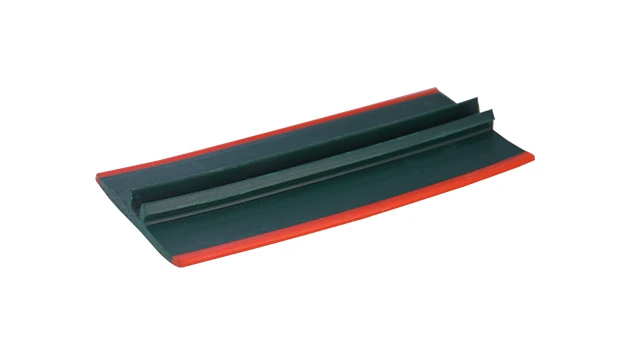
The tread strip fits into a T-slot channel and provides an anti-slip ribbed surface. It has a key pad that presses into a T-slot and is commonly used for adding traction on steps or as padding for doors. Tread strip can be ordered by rolls. The high quali
It was a bitter January morning in upstate New York when Maria, a homeowner, noticed something off: her living room window was letting in a icy draft, even though it was fully closed. A quick inspection revealed the culprit: the rubber strip lining the window frame had cracked and shrunk, no longer forming a tight seal. "I never thought about these little strips before," she later told a friend, "but now I realize they're the unsung heroes keeping my house warm." Maria's experience highlights a critical but often overlooked feature of aluminum profile rubber strips: their temperature resistance. In this article, we'll explore why this property matters, what affects it, and how to ensure you're choosing the right strips for your needs—whether you're a homeowner, a manufacturer, or an industry professional.
What Are Aluminum Profile Rubber Strips?
Before diving into temperature resistance, let's clarify what we're talking about. Aluminum profile rubber strips are flexible, durable seals designed to fit into the grooves—often T-slots—of aluminum extrusion profiles. They're part of a broader category of aluminum profile accessories, which includes everything from connectors to end caps, but their role is uniquely hands-on: bridging gaps, absorbing vibrations, blocking dust and moisture, and, yes, maintaining thermal integrity. Think of them as the "gaskets" of the aluminum world, quietly ensuring that doors, windows, machinery, and structures function smoothly, even when temperatures swing to extremes.
These strips come in various forms, from simple T-slot rubber seal covers that snap into place to custom-molded designs for specialized industrial equipment. They're made from different rubber compounds, each tailored to specific environments. And while they might seem, their performance directly impacts energy efficiency, safety, and longevity—whether in a residential window or a factory conveyor system built with aluminum extrusion profiles.
The Critical Role of Temperature Resistance
Why does temperature resistance matter so much for these small but mighty strips? Imagine a commercial freezer unit where the rubber seals around the door can't handle sub-zero temperatures. Over time, the strips would become brittle, crack, and fail to seal—allowing warm air in and cold air out. The result? Higher energy bills, spoiled inventory, and a system working overtime to compensate. Or consider a car parked in the Arizona summer sun: if the door seals (often made from similar rubber materials) melt or lose elasticity in 120°F heat, rainwater, dust, and noise would seep into the cabin, making the vehicle uncomfortable and potentially damaging its interior.
In short, temperature resistance determines whether a rubber strip can maintain its shape, flexibility, and sealing properties across the range of temperatures it will encounter in daily use. A strip that hardens in the cold loses its ability to compress and seal; one that softens in the heat may deform or stick, leading to leaks or jams. For industries like construction, automotive, and manufacturing, where aluminum extrusion profiles are workhorses, this isn't just a minor inconvenience—it's a matter of operational reliability and cost-effectiveness.

Factors Influencing Temperature Resistance
Not all rubber strips are created equal when it comes to handling heat and cold. Several factors determine their temperature resistance, starting with the most fundamental: material composition .
Material Composition: The Foundation of Resistance
Rubber strips are typically made from synthetic rubbers, each with its own thermal "personality." Here's a breakdown of the most common types and how they perform under temperature stress:
| Rubber Type | Typical Temperature Range | Best For | Key Traits |
|---|---|---|---|
| EPDM (Ethylene Propylene Diene Monomer) | -40°C to 150°C (-40°F to 302°F) | Windows, doors, outdoor enclosures | Excellent UV and ozone resistance; flexible in cold |
| Silicone | -60°C to 230°C (-76°F to 446°F) | High-heat machinery, automotive engines | Extreme temperature tolerance; poor tear resistance |
| Neoprene (Chloroprene) | -40°C to 120°C (-40°F to 248°F) | Industrial hoses, marine applications | Good oil and chemical resistance; moderate cold flexibility |
| Nitrile (Buna-N) | -40°C to 120°C (-40°F to 248°F) | Oil seals, fuel systems | Excellent oil resistance; stiffer in very cold temps |
| T-Slot Rubber Seal Cover (Common Blend) | -30°C to 130°C (-22°F to 266°F) | Aluminum profile windows, basic machinery | Balanced flexibility and cost; designed for T-slot fit |
For example, a T-slot rubber seal cover used in a standard aluminum profile window might be made from EPDM, chosen for its ability to handle both summer heat and winter cold without degrading. In contrast, a rubber strip in a bakery oven's aluminum extrusion profile door would likely be silicone, as it can withstand the constant high temperatures of baking without melting or becoming brittle.
Manufacturing Quality: The Difference Between "Good" and "Reliable"
Even the best rubber compound can underperform if manufacturing is shoddy. Two key processes impact temperature resistance: vulcanization and additive use.
Vulcanization —the process of heating rubber with sulfur to create cross-links between molecules—determines how well the rubber retains its shape under stress. Under-vulcanized rubber may soften too easily in heat, while over-vulcanized rubber can become rigid and prone to cracking in cold. Reputable suppliers of aluminum profile accessories invest in precise vulcanization controls to ensure consistency.
Additives also play a role. UV stabilizers prevent sun exposure from breaking down the rubber over time, which indirectly preserves its temperature resistance. Plasticizers keep the rubber flexible in cold temps, while flame retardants may be added for high-heat applications (though these can sometimes reduce flexibility). A T-slot rubber seal cover intended for outdoor use, for instance, will likely include UV stabilizers to prevent premature hardening and cracking.
Environmental Exposures: The Hidden Stressors
Temperature resistance doesn't exist in a vacuum. Other environmental factors can amplify temperature-related wear and tear:
- UV Radiation: Sunlight breaks down rubber molecules, making them stiffer and less flexible—even if the ambient temperature isn't extreme. This is why outdoor rubber strips often need both UV and temperature resistance.
- Ozone: Found in polluted air or near electrical equipment, ozone reacts with rubber, causing tiny cracks (called "ozone cracking") that weaken the material, especially in cold conditions.
- Chemicals: Oils, solvents, or cleaning agents can swell or degrade rubber, reducing its ability to withstand temperature changes. A strip used near industrial machinery might need chemical resistance alongside temperature resistance.

Typical Temperature Resistance Ranges: What to Expect
Now that we understand the factors at play, let's ground this in real numbers. Most aluminum profile rubber strips fall into one of three broad temperature categories, depending on their material and design:
General-Purpose Strips: -30°C to 100°C (-22°F to 212°F)
These are the workhorses for everyday applications. Made from EPDM or basic nitrile blends, they handle moderate temperature swings common in residential and light commercial settings. Think of the T-slot rubber seal cover on your kitchen window or the gaskets on a home HVAC unit. They're affordable, easy to install, and reliable for temperatures that rarely dip below freezing or rise above a hot summer day.
Industrial-Grade Strips: -40°C to 150°C (-40°F to 302°F)
Stepping up, industrial strips are built for factories, warehouses, and outdoor infrastructure. They often use premium EPDM or neoprene, with additives to resist UV, ozone, and chemicals. For example, a conveyor system built with aluminum extrusion profiles in a food processing plant might use these strips to handle washdowns with hot water and occasional cold storage environments. They're more durable than general-purpose options but still cost-effective for high-volume use.
Extreme-Temperature Strips: -60°C to 230°C (-76°F to 446°F)
At the top of the range are strips made from silicone or specialized fluorocarbon rubbers. These are for environments where temperature is the primary challenge: aerospace components, industrial ovens, deep freezers, or automotive engine bays. A silicone strip in an aluminum extrusion profile used to seal a commercial pizza oven, for instance, must withstand daily cycles of 200°C heat and room-temperature cooling without losing its seal.
Testing Temperature Resistance: How Manufacturers Ensure Performance
You might be wondering: How do we know these temperature ranges are accurate? Manufacturers don't just guess—they test rigorously. Here are some common methods used to verify a rubber strip's ability to handle heat and cold:
Thermal Cycling Tests
In this test, strips are exposed to repeated cycles of extreme heat and cold—say, 150°C for 8 hours, then -40°C for 8 hours—over several days. Afterward, they're checked for cracks, hardening, or loss of flexibility. If a T-slot rubber seal cover survives 100 such cycles without failing, it's deemed reliable for its rated temperature range.
Cold Bend Tests
To simulate winter conditions, strips are cooled to their minimum rated temperature (e.g., -40°C) and then bent around a mandrel (a cylindrical tool). If they crack or split, they fail. This test ensures that even in freezing temps, the strip remains flexible enough to seal gaps.
Heat Aging Tests
For high-temperature resistance, strips are placed in an oven at their maximum rated temperature (e.g., 230°C for silicone) for weeks. Afterward, their hardness, tensile strength, and elongation (how much they stretch before breaking) are measured. A good strip will show minimal change—meaning it won't become too soft or brittle after prolonged heat exposure.
These tests are often conducted according to international standards, such as ASTM D865 (for heat aging) or ISO 188 (for accelerated aging). When purchasing aluminum profile accessories, look for suppliers who share test results—this transparency is a sign of quality.
Real-World Applications: Where Temperature Resistance Shines
To truly appreciate why temperature resistance matters, let's look at how aluminum profile rubber strips perform in different industries:
Residential and Commercial Construction
In buildings, aluminum extrusion profiles are everywhere: window frames, door jambs, curtain walls, and storefronts. Here, rubber strips like T-slot rubber seal covers block drafts, reduce noise, and prevent water intrusion. In a city like Chicago, where winters hit -20°C and summers reach 35°C, these strips must flex with temperature-induced expansion and contraction of the aluminum. A poorly performing strip leads to higher heating/cooling bills—up to 30% more, according to energy efficiency studies. Homeowners like Maria, from our earlier story, learn this the hard way when old, brittle strips let in cold air.
Automotive Manufacturing
Cars and trucks expose rubber strips to a rollercoaster of temperatures: freezing winters, scorching engine bays, and sun-baked dashboards. Door seals, trunk gaskets, and under-hood components (like those in aluminum extrusion profile-based engine mounts) rely on temperature-resistant rubber. For example, a silicone strip in the engine compartment might face 150°C temps from the radiator, while the door seal must stay flexible at -30°C during a Canadian winter. Without reliable temperature resistance, these strips would fail, leading to leaks, noise, or even mechanical issues.
Industrial Machinery and Conveyors
Factories use aluminum extrusion profiles to build everything from assembly line workbenches to conveyor systems. Rubber strips here absorb vibrations, guide materials, and seal enclosures. In a pharmaceutical plant, for instance, conveyor belts with rubber strips must operate in clean rooms where temperatures are tightly controlled—too cold, and the strips crack; too warm, and they shed particles. Similarly, in a foundry, strips near molten metal might need to withstand 200°C+ ambient heat without melting.
Cold Storage and Food Processing
Walk-in freezers, refrigerated trucks, and food packaging lines depend on rubber strips to maintain sub-zero temperatures. These strips—often made from nitrile or silicone—must resist hardening in -30°C cold and remain elastic enough to seal doors after thousands of openings and closings. A single failed strip can cost a business hundreds in wasted inventory and energy bills.
Choosing the Right Rubber Strip: A Buyer's Guide
With so many options, how do you select the right aluminum profile rubber strip for your project? Here's a step-by-step approach:
Step 1: Identify Your Temperature Extremes
Start by asking: What's the coldest temperature the strip will face? The hottest? Don't just guess—check local climate data or facility records. A warehouse in Texas might only need strips rated to 100°C, while one in Alaska needs -40°C capability.
Step 2: Consider Other Environmental Factors
Will the strip be outdoors (needing UV resistance)? Near chemicals (needing oil/ solvent resistance)? In a high-vibration area (needing tear resistance)? A T-slot rubber seal cover for an outdoor kiosk, for example, needs both UV and temperature resistance, so EPDM is a better choice than basic nitrile.
Step 3: Match the Material to the Need
Use the table earlier to narrow down options. For general indoor use with mild temps: EPDM. For extreme cold or heat: silicone. For oil exposure: nitrile. When in doubt, ask your aluminum profile supplier—they often have expertise in pairing accessories with profiles.
Step 4: Check Certifications
Look for strips that meet industry standards, like ISO 9001 (quality management) or REACH (chemical safety). For food contact (e.g., in a bakery), ensure compliance with FDA regulations. Certifications are a sign the manufacturer takes performance seriously.
Maintenance Tips: Extending the Life of Your Rubber Strips
Even the most temperature-resistant rubber strips need care to perform their best. Here are simple steps to extend their lifespan:
Regular Cleaning
Dirt and debris can trap moisture, which accelerates degradation. Wipe strips with a mild soap and water solution (avoid harsh chemicals) every few months. For T-slot rubber seal covers, use a soft brush to dislodge dust from the T-slot itself.
Inspect for Wear
Check strips seasonally for cracks, hardening, or shrinkage. In cold climates, do a thorough check in spring—winter may have caused brittleness. In hot climates, inspect after summer for softening or sticking.
replace Proactively
Don't wait for a draft or leak—replace strips at the first sign of wear. Most last 5–10 years outdoors, 10–15 years indoors, depending on the material. Keeping spares on hand (especially for critical equipment) avoids downtime.
Conclusion: The Small Strip with a Big Job
Aluminum profile rubber strips may be small, but their impact is huge. From keeping Maria's home warm in winter to ensuring a factory conveyor runs smoothly in summer, their temperature resistance is the backbone of reliable performance. By understanding what affects this resistance—material, manufacturing, environment—and how to choose and maintain the right strips, you can avoid costly failures, improve energy efficiency, and extend the life of your aluminum extrusion profile-based projects.
So the next time you see a T-slot rubber seal cover or feel a draft-free window, take a moment to appreciate the science and engineering that goes into that humble strip. It's proof that even the smallest components can make a big difference when they're built to stand the heat—and the cold.