- Company Articles
- Products and Technology
- Product knowledge
- What Is the Tensile Strength of High-Quality Aluminum Profile Rubber Strips?

What Is the Tensile Strength of High-Quality Aluminum Profile Rubber Strips?
Related Product
Aluminum Profile Rubber Strip
The tread strip fits into a T-slot channel and provides an anti-slip ribbed surface. It has a key pad that presses into a T-slot and is commonly used for adding traction on steps or as padding for doors. Tread strip can be ordered by rolls. The high quali
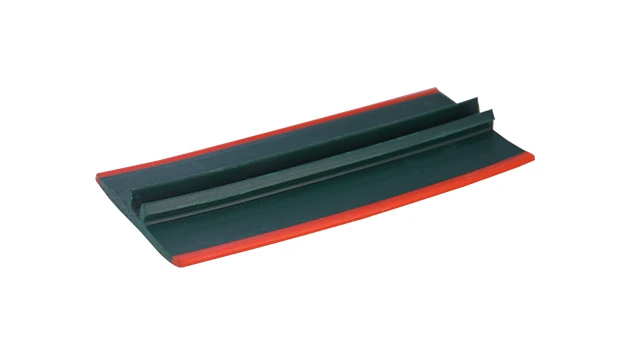
Walk into any modern manufacturing facility, and you'll likely spot aluminum extrusion profiles hard at work—forming the frames of workbenches, the rails of conveyor systems, or the shelves of material racks. These lightweight, versatile structures owe much of their functionality to the smaller components that often go unnoticed: the aluminum profile accessories that turn raw extrusions into polished, practical systems. Among these unsung heroes is the t-slot rubber seal cover—a deceptively simple strip of rubber designed to fit snugly into the t-slots of aluminum profiles. While it may seem, this small accessory plays a critical role in protecting equipment, enhancing safety, and ensuring the longevity of the entire structure. And at the heart of its performance lies a key mechanical property: tensile strength. In this article, we'll explore what tensile strength means for t-slot rubber seal covers, why it matters, and how high-quality versions stand out in the crowded market of aluminum profile accessories.
Understanding T-Slot Rubber Seal Covers: More Than Just a "Strip"
Before diving into tensile strength, let's clarify what t-slot rubber seal covers are and why they're indispensable in aluminum profile systems. Aluminum extrusion profiles, with their signature t-slots running along their length, are prized for their modularity—allowing users to attach brackets, shelves, and other components by sliding fasteners into the slots. However, these slots also create gaps: openings that can trap dust, debris, or moisture, expose sharp edges, or generate noise when parts vibrate against the metal. This is where t-slot rubber seal covers come in.
A t-slot rubber seal cover is a flexible, elongated strip engineered to fit precisely into the t-slot of an aluminum extrusion profile. Made from elastomeric materials like EPDM, silicone, or nitrile, it acts as a barrier: sealing the slot to prevent contaminants from entering, cushioning against vibrations to reduce noise, and covering sharp edges to protect workers from cuts. In essence, it transforms a functional but unfinished extrusion into a refined, safe, and durable component—whether it's part of a workbench in an electronics factory or a material rack in a warehouse.
But not all t-slot rubber seal covers are created equal. Their performance depends heavily on their material quality and mechanical properties, with tensile strength being one of the most critical. Let's break down why this property is so vital.
Tensile Strength: The Measure of a Rubber Strip's Resilience
Tensile strength, in simplest terms, is the maximum amount of pulling force a material can withstand before breaking or tearing. For t-slot rubber seal covers, it's measured in megapascals (MPa) or pounds per square inch (psi), representing the stress (force per unit area) required to rupture the material. While this might sound like a technical specification reserved for engineers, it has real-world implications for anyone relying on aluminum profile systems.
Why Tensile Strength Matters for T-Slot Rubber Seal Covers:
1. Durability in Daily Use: When installing a rubber seal cover, it's often stretched slightly to fit into the t-slot. Over time, vibrations from machinery, accidental bumps, or even temperature fluctuations can cause further stress. A cover with low tensile strength may tear or split under this repeated strain, leaving the slot exposed and defeating its purpose.
2. Maintaining the Seal: A torn or weakened seal cover can't block dust, liquids, or debris. In sensitive environments like electronics assembly lines, where even tiny particles can damage circuit boards, this failure can lead to costly product defects. High tensile strength ensures the cover remains intact, preserving the seal over years of use.
3. Safety First: Aluminum extrusion profiles, while lightweight, have sharp edges along their t-slots. A t-slot rubber seal cover with poor tensile strength might snap under pressure, leaving the metal edge exposed. This poses a risk of cuts to workers who handle or work near the aluminum profile systems—from operators adjusting a conveyor to technicians maintaining a workbench.
4. Cost Efficiency: Replacing worn-out rubber strips isn't just a hassle; it's a hidden cost. Frequent replacements mean downtime for production lines, labor hours spent on maintenance, and the expense of buying new accessories. A high-tensile-strength cover lasts longer, reducing these long-term costs.
In short, tensile strength isn't just a number on a datasheet—it's a promise of reliability. For manufacturers, facility managers, or anyone investing in aluminum profile systems, understanding this property is key to choosing accessories that won't let them down.

Factors That Shape Tensile Strength in T-Slot Rubber Seal Covers
Tensile strength doesn't happen by accident. It's the result of careful material selection, precise manufacturing, and quality control. Let's explore the key factors that determine how much pulling force a t-slot rubber seal cover can withstand.
Material Composition: The Foundation of Strength
The type of rubber used is the single biggest factor influencing tensile strength. Different elastomers have inherently different mechanical properties, and choosing the right one depends on the application. Here's a breakdown of common materials and their typical tensile strengths:
| Material Type | Typical Tensile Strength (MPa) | Key Advantages | Common Applications |
|---|---|---|---|
| EPDM (Ethylene Propylene Diene Monomer) | 10–15 MPa | Excellent weather/ozone resistance, good flexibility over a wide temperature range (-40°C to 150°C) | General industrial use, outdoor enclosures, workbenches |
| Silicone | 5–8 MPa | Extreme temperature resistance (-60°C to 230°C), chemical inertness | High-heat environments (e.g., automotive engine bays, food processing) |
| Nitrile (Buna-N) | 8–12 MPa | Oil and fuel resistance, good abrasion resistance | Machinery with oil exposure, hydraulic systems |
| Neoprene | 12–18 MPa | Balanced weather, oil, and chemical resistance | Marine environments, heavy-duty industrial racks |
EPDM, for example, is a popular choice for general-purpose t-slot rubber seal covers due to its balanced tensile strength and durability. Neoprene, with higher tensile strength (up to 18 MPa), is ideal for heavy-duty applications where the strip may be subjected to frequent stretching or impact. Silicone, while lower in tensile strength, is irreplaceable in high-temperature settings—though users must accept its lower resistance to tearing in exchange for heat tolerance.
Manufacturing Process: Precision Matters
Even the best rubber compound can underperform if the manufacturing process is flawed. T-slot rubber seal covers are typically made via extrusion: forcing heated rubber through a die to create the desired cross-sectional shape. The quality of this process directly affects tensile strength.
For instance, if the extrusion die is poorly designed, the rubber may cool unevenly, creating weak spots in the material. Similarly, inadequate curing (the process of "setting" the rubber via heat or chemicals) can leave the molecular structure incomplete—resulting in a softer, weaker strip. Over-curing, on the other hand, can make the rubber brittle, reducing its ability to stretch without breaking. High-quality manufacturers invest in precision dies and curing controls to ensure uniform strength across every meter of seal cover.
Additives and Fillers: Boosting Performance
Rubber compounds are rarely "pure"—they're mixed with additives to enhance specific properties. For tensile strength, reinforcing fillers like carbon black or silica are critical. These tiny particles disperse throughout the rubber matrix, creating a stronger, more rigid structure that resists tearing. The right amount and type of filler can increase tensile strength by 30–50% compared to unfilled rubber.
Other additives, however, can compromise tensile strength. Plasticizers, for example, are added to improve flexibility but can weaken the material if overused. Manufacturers must strike a balance: enough plasticizer to keep the seal cover pliable for easy installation, but not so much that it sacrifices tensile strength.
Quality Control: Catching Weakness Before It Reaches You
Even with the right materials and processes, inconsistencies can creep in. A single batch of rubber with slightly off proportions, or a momentary lapse in curing temperature, can result in a section of seal cover with lower tensile strength. High-quality suppliers mitigate this through rigorous testing: sampling every production run, subjecting strips to tensile tests, and rejecting batches that fall below specifications. This attention to detail ensures that when you order t-slot rubber seal covers, you're getting a product with reliable, consistent strength.

High-Quality vs. Low-Quality: Tensile Strength as a Red Flag
In a market flooded with aluminum profile accessories, it's tempting to opt for the cheapest t-slot rubber seal cover. But as the saying goes, "you get what you pay for"—and when it comes to tensile strength, the difference between high and low quality is stark.
A Real-World Example: Consider two factories, both using aluminum extrusion profiles to build workbenches for electronics assembly. Factory A chooses a budget-friendly t-slot rubber seal cover with a tensile strength of 7 MPa. Factory B invests in a premium version rated at 14 MPa. After six months of daily use—with workers leaning on the benches, tools sliding across the surface, and occasional vibrations from nearby machinery—Factory A's seal covers show visible cracks; some have even torn completely, exposing the t-slots and trapping dust that threatens to contaminate circuit boards. Factory B's covers, meanwhile, remain intact, with no signs of wear. The result? Factory A spends hours replacing covers and cleaning slots, while Factory B stays focused on production.
Signs of High-Quality T-Slot Rubber Seal Covers
How can you tell if a t-slot rubber seal cover has the tensile strength to last? Look for these indicators:
- Test Certifications: Reputable suppliers will provide tensile strength test reports (per standards like ASTM D412 or ISO 37) upon request. These documents should show consistent results across batches, with tensile strength well above the minimum needed for your application.
- Uniform Appearance: High-quality covers have smooth, consistent surfaces with no bubbles, thin spots, or irregularities. These flaws are often signs of poor extrusion or curing, which weaken the material.
- Elastic Recovery: When stretched gently (by hand, for example), a good seal cover should snap back to its original shape. Slow or incomplete recovery suggests weak molecular bonding—a red flag for low tensile strength.
- Brand Reputation: Suppliers specializing in aluminum profile accessories, rather than generic rubber products, are more likely to prioritize tensile strength and other application-specific properties. Look for companies with a track record in industrial aluminum systems.
The Risks of Cutting Corners
Low-tensile-strength seal covers may save money upfront, but they come with hidden costs: frequent replacements, downtime, and potential damage to products or equipment. In industries like aerospace or medical device manufacturing, where precision and cleanliness are critical, a torn seal cover could even lead to non-compliance with regulatory standards. When paired with other aluminum profile accessories like aluminum profile end caps—which seal the ends of extrusion profiles—a weak rubber strip undermines the entire system's integrity. It's a classic case of penny-wise, pound-foolish.
Testing Tensile Strength: Ensuring Your Rubber Strips Deliver
If you're serious about getting high-quality t-slot rubber seal covers, understanding how tensile strength is tested can help you verify claims and make informed choices. The most common method is the tensile test, performed using a universal testing machine (UTM).
Here's how it works: A sample of the seal cover is cut into a standard shape (usually a "dumbbell" with narrow ends to concentrate stress). The sample is clamped into the UTM, which pulls the ends apart at a constant speed (typically 500 mm per minute). As the force increases, the machine records the stress (force divided by the sample's cross-sectional area) and strain (how much the sample stretches). The maximum stress before the sample breaks is the tensile strength.
For industrial-grade t-slot rubber seal covers, a minimum tensile strength of 10 MPa is recommended for general use. Heavy-duty applications, like conveyor systems or outdoor enclosures, may require 12 MPa or higher. When reviewing test reports, pay attention to both the tensile strength and "elongation at break" (how much the sample stretches before breaking)—a good balance of strength and flexibility is ideal.
Beyond Tensile Strength: How Rubber Strips Work with Other Aluminum Profile Accessories
T-slot rubber seal covers don't operate in isolation—they're part of a larger ecosystem of aluminum profile accessories. Their performance is enhanced when paired with high-quality extrusion profiles, end caps, and connectors. For example:
Aluminum Extrusion Profiles: A well-designed extrusion profile has precise t-slot dimensions, ensuring the rubber seal cover fits snugly without being overstretched during installation. Over-stretching weakens the strip over time, even if it has high tensile strength. Reputable profile manufacturers maintain tight tolerances, so the slot width and depth are consistent, reducing stress on the seal cover.
Aluminum Profile End Caps: These accessories seal the ends of extrusion profiles, preventing debris from entering and enhancing safety—much like t-slot rubber seal covers do for the slots. Together, end caps and seal covers create a fully enclosed profile, maximizing protection and durability.
Connectors and Brackets: When attaching components to aluminum profiles, brackets and connectors exert pressure on the t-slots. A strong rubber seal cover resists compression and tearing, ensuring the connection remains stable without damaging the slot or the cover itself.
In short, high tensile strength in t-slot rubber seal covers complements the quality of other aluminum profile accessories, creating a system that's greater than the sum of its parts.
Choosing the Right Supplier: Your Partner in Strength
When sourcing t-slot rubber seal covers, your supplier is your first line of defense against low tensile strength. Here are questions to ask to ensure you're getting a product that meets your needs:
- What materials do you use, and what is their typical tensile strength? Avoid vague answers like "rubber"—look for specific materials (EPDM, neoprene) and numerical tensile strength values.
- Can you provide recent tensile test reports? A trustworthy supplier will have no hesitation sharing this data.
- How do you ensure consistency across batches? Look for mentions of in-process testing, quality control protocols, or certifications (e.g., ISO 9001).
- Do you offer custom solutions for unique profiles? If you're using non-standard aluminum extrusion profiles, a supplier that can tailor seal covers to your slot dimensions will ensure a better fit and longer life.
Conclusion: Tensile Strength—The Hidden Key to Reliable Aluminum Profile Systems
In the world of aluminum profile accessories, t-slot rubber seal covers may not grab headlines, but their impact on safety, durability, and productivity is undeniable. And at the core of their performance lies tensile strength: the measure of how much force they can withstand before failing. High-quality seal covers, with tensile strengths of 10 MPa or more, ensure that aluminum extrusion profiles remain clean, safe, and functional for years—reducing downtime, lowering maintenance costs, and protecting the products and people who rely on these systems.
So the next time you're specifying aluminum profile accessories, don't overlook the humble t-slot rubber seal cover. Ask about tensile strength. Review test reports. Invest in quality. Your future self—busy with production, not replacements—will thank you.