- Company Articles
- Products and Technology
- Product knowledge
- What is Turning Angle Code 2020? A Fundamental Guide for Lean Tube System Design

What is Turning Angle Code 2020? A Fundamental Guide for Lean Tube System Design
Related Product
Urning Angle Code 2020
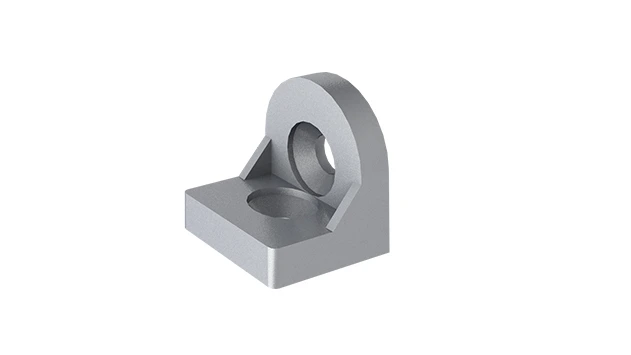
The turning angle aluminum profile connector provides a 90 degree hidden corner connection. 2020 it is means this size is used for 20 series aluminum profile.The corner code comes with set screws that allow for quick, easy connections.
In the world of manufacturing, warehousing, and workshop design, the phrase "lean system" has become more than just a buzzword—it's a philosophy that drives efficiency, reduces waste, and adapts to evolving needs. At the heart of these systems lie modular components that make flexibility possible, and one such unsung hero is the Turning Angle Code 2020 . If you've ever wondered how those sleek, customizable workbenches, material racks, or assembly lines come together so seamlessly, chances are this small but mighty accessory played a key role. In this guide, we'll unpack everything you need to know about Turning Angle Code 2020: what it is, how it works, why it matters, and how it integrates with the backbone of modern lean systems— aluminum extrusion profiles .
Understanding the Basics: Lean Systems and Aluminum Extrusion Profiles
Before diving into the specifics of Turning Angle Code 2020, let's set the stage with a quick overview of lean systems and the components that power them. A lean system is all about creating value by minimizing waste—whether that's wasted time, space, or resources. To achieve this, modularity is critical. Instead of fixed, one-size-fits-all structures, lean systems rely on components that can be easily assembled, disassembled, and reconfigured as needs change.
Enter aluminum extrusion profiles . These are lightweight, durable, and versatile metal rails (or "profiles") with standardized cross-sections, often featuring T-slots along their length. The T-slots allow for quick attachment of accessories like brackets, shelves, and connectors—no welding or drilling required. Among the most popular profiles is the 2020 aluminum profile , named for its dimensions: 20mm in width and 20mm in height. Compact yet surprisingly strong, 2020 profiles are the workhorses of small to medium-duty applications, from benchtop setups to light material racks.
But here's the thing: aluminum profiles alone can't form complex structures. You need accessories to join them at angles, reinforce corners, or attach other components. That's where aluminum profile accessories come in—and Turning Angle Code 2020 is one of the most essential in this category.
What is Turning Angle Code 2020? Defining the Component
At its core, Turning Angle Code 2020 is a specialized connector designed to join two 2020 aluminum profiles at a 90-degree angle (though some variants can handle other angles, as we'll explore later). Think of it as a "corner bracket with a purpose"—it's not just about holding two pieces together; it's about ensuring stability, alignment, and ease of assembly in lean system structures.
Unlike generic brackets, Turning Angle Code 2020 is engineered specifically for 2020 aluminum profiles, meaning it fits perfectly into the profile's T-slots and contours. This precision is key: a poorly fitting connector can weaken the structure, create wobble, or make reconfiguration a hassle. Turning Angle Code 2020 eliminates these issues by acting as a bridge between profiles, distributing weight evenly and maintaining structural integrity.

Design and Specifications: What Makes Turning Angle Code 2020 Unique?
To truly appreciate Turning Angle Code 2020, let's break down its design and specs. While exact dimensions can vary slightly by manufacturer, most follow a standard blueprint tailored to 2020 aluminum profiles:
- Compatibility: Exclusively designed for 2020 aluminum profiles (20mm x 20mm cross-section). This ensures a snug fit with the profile's T-slots and outer edges.
- Material: Typically made from aluminum alloy (often 6061 or 6063), chosen for its balance of strength, lightweight, and corrosion resistance. Some variants may feature a black anodized finish for added durability and a sleek look.
- Shape: Most Turning Angle Code 2020 pieces have an L-shape (90-degree angle), with two "arms" that attach to the ends or sides of 2020 profiles. Each arm includes pre-drilled holes or T-slot compatible channels for fasteners like bolts or screws.
- Thickness: The material thickness ranges from 2mm to 4mm, depending on the intended load capacity. Heavier-duty versions (4mm) are used for structures like workbenches or racks that need to support more weight.
- Fastener Compatibility: Works with standard M3 or M4 screws, which fit into the T-slots of 2020 profiles. This means no special tools—just a hex key or screwdriver to tighten the connection.
One of the standout features of Turning Angle Code 2020 is its versatility in installation. It can be mounted in two primary ways: "end-mount" (attaching to the end of a profile) or "side-mount" (attaching to the side of a profile along its length). This flexibility lets designers create everything from simple right-angle joints to more complex structures like frames or cubes.

The Role of Turning Angle Code 2020 in Lean System Design
Now that we know what Turning Angle Code 2020 is, let's explore why it's so critical in lean system design. Remember, lean systems thrive on adaptability—and Turning Angle Code 2020 is a linchpin in making that adaptability possible. Here's how it contributes:
1. Simplifying Assembly: Without connectors like Turning Angle Code 2020, joining aluminum profiles would require welding, drilling, or custom fabrication—all time-consuming and permanent. With this angle code, assembly becomes a matter of sliding the connector into place, inserting a screw into the T-slot, and tightening. Even someone with minimal technical skills can build a sturdy structure in minutes.
2. Ensuring Structural Integrity: A poorly joined corner is a weak point in any structure. Turning Angle Code 2020 distributes stress evenly across the joint, preventing wobbling or bending. This is especially important for workbenches where stability is key (imagine assembling delicate electronics on a shaky bench!) or material racks holding heavy inventory.
3. Enabling Reconfiguration: Lean systems aren't static. A workshop might need to repurpose a material rack into a mobile trolley next month, or a manufacturer might need to adjust a production line layout. Turning Angle Code 2020 makes reconfiguration easy—just loosen the screws, detach the profiles, and reassemble in a new configuration. No waste, no downtime.
4. Reducing Costs: By eliminating the need for custom fabrication or specialized tools, Turning Angle Code 2020 lowers both initial setup costs and long-term modification costs. It also extends the lifespan of aluminum profiles, since they can be reused in new structures instead of being discarded when needs change.
Comparing Turning Angle Code 2020 to Other Angle Codes
Turning Angle Code 2020 is part of a larger family of angle codes, each designed for specific profile sizes. For example, there's Turning Angle Code 3030 (for 30mm x 30mm profiles) and Turning Angle Code 4040 (for 40mm x 40mm profiles). So when should you choose 2020 over these alternatives? Let's break it down with a quick comparison:
| Feature | Turning Angle Code 2020 | Turning Angle Code 3030 | Turning Angle Code 4040 |
|---|---|---|---|
| Compatible Profile Size | 20mm x 20mm | 30mm x 30mm | 40mm x 40mm |
| Typical Load Capacity | Up to 50kg per joint | Up to 150kg per joint | Up to 300kg per joint |
| Weight | Lightweight (50-80g per piece) | Medium (100-150g per piece) | Heavy (200-300g per piece) |
| Common Applications | Small workbenches, shelving, light-duty trolleys, DIY projects | Medium workbenches, material racks, conveyor systems | Heavy-duty workstations, industrial racks, machine guards |
| Cost | Most affordable | Moderate | Highest |
As the table shows, Turning Angle Code 2020 is the go-to choice for smaller, lighter-duty applications where space and weight are priorities. For example, a hobbyist building a 3D printer enclosure, a small workshop needing a benchtop tool organizer, or a warehouse using lightweight material bins would all benefit from 2020 profiles and their matching angle codes. If you're working on a project that requires more strength—say, a workbench for heavy machinery—you'd step up to 3030 or 4040. But for the majority of lean system projects in small to medium settings, Turning Angle Code 2020 hits the sweet spot of performance and affordability.
Practical Applications: Where You'll Find Turning Angle Code 2020 in Action
To bring this all to life, let's look at some real-world applications where Turning Angle Code 2020 shines. These examples highlight how it works with 2020 aluminum profiles and other aluminum profile accessories to create functional, lean structures:
1. Workbenches and Benchtop Organizers
A common use case for Turning Angle Code 2020 is building small workbenches or benchtop organizers. For example, a jewelry maker might use 2020 profiles and Turning Angle Code 2020 to create a custom bench with shelves, tool hooks, and a lighting bar. The angle codes join the 2020 rails at the corners, while T-slot accessories like shelf brackets and hook holders attach to the profiles. If the maker expands their tools later, they can easily add more shelves by loosening the angle code screws, extending the profile, and reattaching.
2. Material Racks and Bins
Warehouses and workshops often use 2020 profiles with Turning Angle Code 2020 to build lightweight material racks for small parts or bins. The angle codes form the vertical and horizontal supports, while crossbars (also 2020 profiles) hold the bins. Since the angle codes allow for easy height adjustment, workers can customize the rack to fit different bin sizes—no need to buy a new rack if bin dimensions change.
3. Mobile Trolleys
Light-duty mobile trolleys (think: tool carts or parts transporters) are another great application. By combining 2020 profiles, Turning Angle Code 2020, and caster wheels (another type of aluminum profile accessory ), you can build a trolley that's easy to move and reconfigure. The angle codes ensure the trolley frame is sturdy enough to hold tools or parts, while the casters add mobility. If the trolley needs to carry heavier loads later, swapping out the 2020 profiles for 3030 (and upgrading to Turning Angle Code 3030) is a simple fix.
4. DIY and Prototyping Projects
Beyond industrial settings, Turning Angle Code 2020 is a favorite among makers and DIY enthusiasts. From 3D printer enclosures to robot frames, the 2020 system's affordability and ease of use make it ideal for prototyping. Makers can quickly assemble a structure, test it, and tweak the design by adjusting the angle code positions—all without specialized tools.
Installation Tips: Getting the Most Out of Turning Angle Code 2020
Installing Turning Angle Code 2020 is straightforward, but a few tips can ensure a strong, stable connection. Here's a step-by-step guide:
- Prepare Your Profiles: Cut your 2020 aluminum profiles to the desired length using a miter saw or hacksaw. Deburr the edges to remove sharp corners (this prevents injury and ensures a clean fit with the angle code).
- Align the Angle Code: Place the Turning Angle Code 2020 at the joint where two profiles meet (e.g., the corner of a frame). Ensure the angle code's arms are flush against the profiles' ends or sides.
- Secure with Fasteners: insert M3 or M4 screws into the angle code's pre-drilled holes or T-slots. Tighten the screws using a hex key until snug—but don't over-tighten, as this can strip the T-slots or warp the angle code.
- Check for Stability: After assembly, gently shake the structure to test for wobbling. If it feels loose, check that the angle code is properly aligned and the screws are tight enough.
- Add Reinforcements (If Needed): For heavier loads, use two Turning Angle Code 2020 pieces per joint (one on each side of the profiles) or upgrade to a thicker (4mm) angle code.
Pro tip: Apply a small amount of thread locker to the screws if the structure will be moved frequently (like a trolley). This prevents the screws from loosening over time due to vibration.
Maintaining Your Turning Angle Code 2020 Components
Like any component, Turning Angle Code 2020 will last longer with proper maintenance. Here's how to keep them in top shape:
- Clean Regularly: Wipe down angle codes with a damp cloth to remove dust, grease, or debris. This prevents corrosion and ensures smooth reconfiguration later.
- Inspect for Wear: Check for bent arms, stripped holes, or cracked material—especially after heavy use. replace damaged angle codes immediately, as they can compromise structural integrity.
- Lubricate Fasteners: If you plan to disassemble and reconfigure the structure often, apply a light lubricant (like silicone spray) to the screws and T-slots. This makes loosening/tightening easier and prevents seizing.
Conclusion: Why Turning Angle Code 2020 is a Must-Have for Lean System Design
In the world of lean systems, success lies in the details—and Turning Angle Code 2020 is a detail that makes a big difference. By enabling quick, secure, and flexible connections between 2020 aluminum profiles, it empowers businesses, makers, and workshops to build structures that adapt to their needs, reduce waste, and stand the test of time. Whether you're assembling a small workbench, a material rack, or a DIY project, this unassuming accessory is the glue that holds it all together.
So the next time you spot a sleek, modular structure in a workshop or warehouse, take a closer look—chances are, Turning Angle Code 2020 is hard at work, quietly supporting the lean principles that make modern productivity possible. And if you're ready to build your own lean system, start with the basics: 2020 aluminum profiles, a handful of Turning Angle Code 2020 pieces, and a vision for how you'll create value through flexibility.