- Company Articles
- Products and Technology
- Product knowledge
- What Load Capacity Does 38 Aluminum Roller Track Yellow Support? A Guide

What Load Capacity Does 38 Aluminum Roller Track Yellow Support? A Guide
Related Product
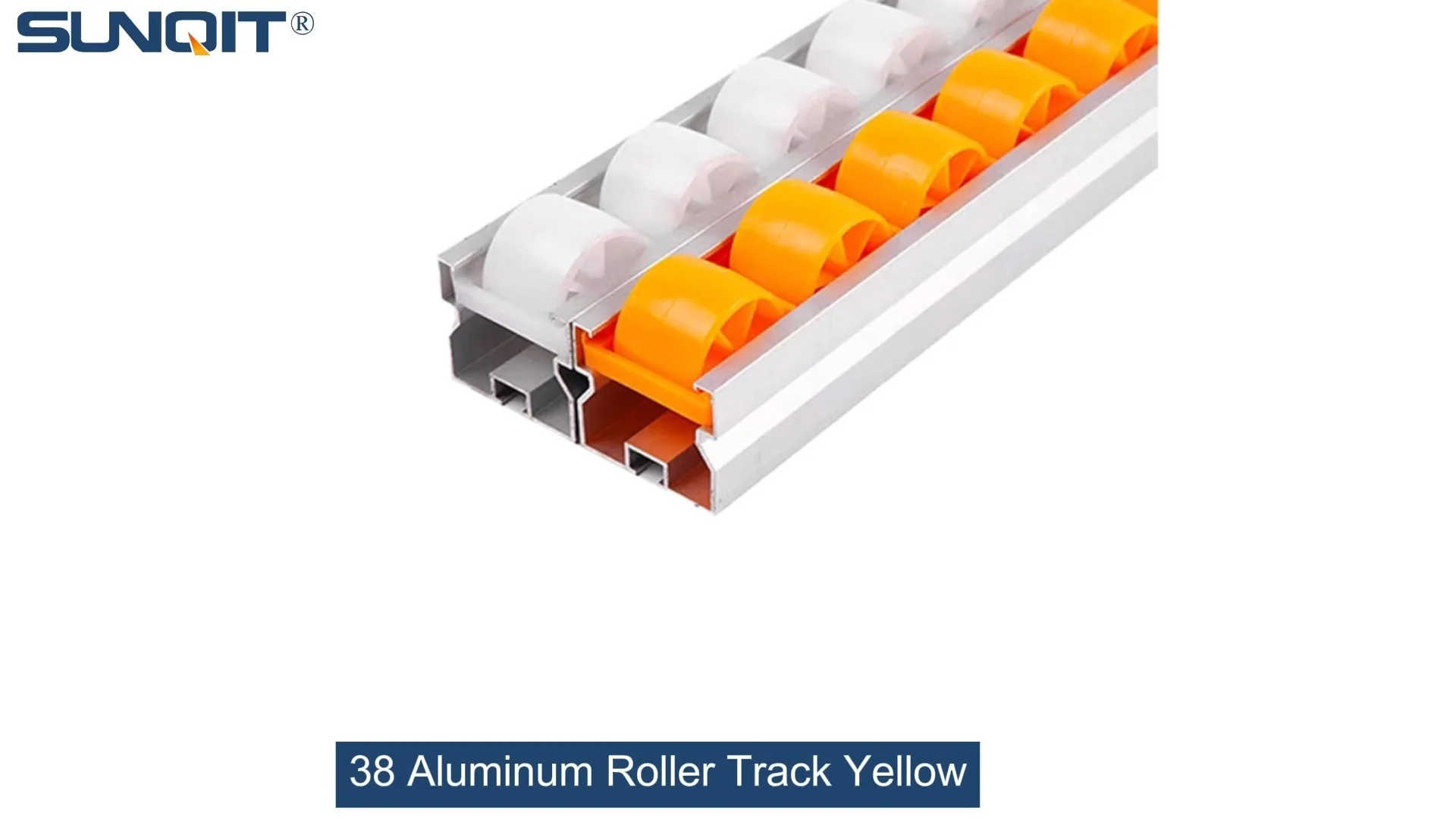
38 Aluminum Roller Track Yellow
Durable and smooth-running modular roller rails. The system is fully assembled. The roller rail profile contains plastic rollers mounted on steel axles. Aluminum frame with plastic wheel make it anti corrosion,and material convey more smooth.
Introduction: Why Load Capacity Matters for Your Roller Track
If you've ever set up a flow rack for your warehouse or a production line for 3C assembly, you know how important it is to pick the right roller track. The last thing you want is to invest in a track that bends under the weight of your parts or breaks mid-operation—costing you time, money, and frustration. That's why understanding the load capacity of 38 aluminum roller track yellow is so critical. It's a popular choice for many lean system setups, but its load capacity isn't a one-size-fits-all number. Let's dive deep into what determines how much weight this roller track can handle, and how to make sure you're using it the right way.
38 aluminum roller track yellow is a versatile component used in a wide range of applications—from fluent racks in warehouses to assembly lines in manufacturing plants. It's known for its durability, corrosion resistance, and smooth sliding performance, making it a go-to option for businesses looking to optimize their workflows. Whether you're moving bins of parts in a warehouse or components in a 3C assembly line, this track helps streamline your operations.
What Exactly Is 38 Aluminum Roller Track Yellow?
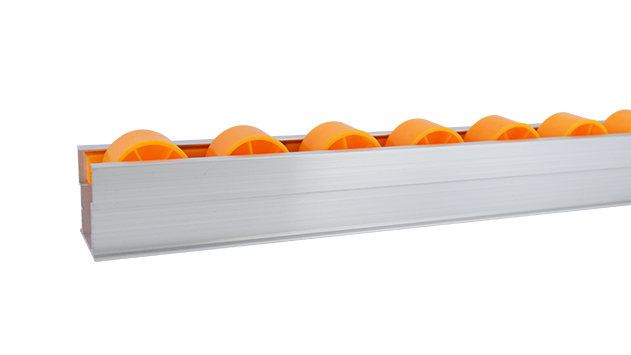
Before we talk about load capacity, let's make sure we're on the same page about what 38 aluminum roller track yellow is. The "38" refers to the width of the track (38mm), which is a standard size for many industrial applications. The "aluminum" part means it's made from extruded aluminum profile—lightweight but strong, perfect for applications where weight and durability are both important. The "yellow" is the color of the plastic guide rails or roller covers, which add a layer of protection and make the track easier to identify.
This roller track is a key component of many lean system solutions, including flow racks, conveyor systems, and lean pipe workbenches. It's designed to let items slide smoothly from one point to another, reducing manual effort and improving efficiency. Whether you're moving bins of parts in a warehouse or components in a 3C assembly line, this track helps streamline your operations.
Key Factors That Determine Load Capacity of 38 Aluminum Roller Track Yellow
The load capacity of your 38 aluminum roller track yellow isn't just a number printed on the box—it's influenced by several key factors. Understanding these factors will help you choose the right track for your needs and ensure it performs well over time.
1. Material Thickness & Quality of Aluminum Profile
The thickness of the aluminum profile used to make the track is one of the biggest factors affecting load capacity. Thicker walls mean more strength, so a track made from a 1.5mm aluminum profile will support more weight than one made from a 1.2mm profile. The quality of the aluminum also matters—high-grade aluminum with good extrusion quality will have better structural integrity, reducing the risk of bending or breaking.
For example, a 38 aluminum roller track yellow made from a 1.2mm profile is ideal for light to medium loads (like small bins of 3C components), while a 1.5mm profile is better for heavier loads (like boxes of automotive parts). If you need to handle very heavy items, a 2.0mm profile might be the right choice.
2. Roller Design & Spacing
The rollers on your track play a crucial role in supporting weight. The size of the rollers (usually 1 inch for this track) and the spacing between them both affect how much weight the track can handle. Closer spacing between rollers means the weight of the items is distributed across more rollers, reducing the stress on each individual roller.
Let's say you have a box weighing 10kg. If the rollers are spaced 50mm apart, the box will rest on 4-5 rollers, so each roller only has to support 2-2.5kg. But if the rollers are spaced 75mm apart, the box will rest on only 2-3 rollers, so each roller has to support 3.3-5kg. This difference can add up quickly—closer spacing means higher load capacity.
3. Installation & Support Structure
Even the strongest roller track won't perform well if it's installed poorly. Mounting your 38 aluminum roller track yellow on a sturdy support structure—like an aluminum frame or a lean pipe workbench—ensures that the load is distributed to the entire system, not just the track itself. Adding support brackets every 50cm instead of every meter can increase the track's load capacity by up to 30%, as it prevents sagging in the middle.
For example, if you're using this track in a fluent rack, attaching it to a frame made from aluminum profiles (like 4040 or 3030) with proper brackets will give you the stability you need. If you skip brackets or use weak ones, the track might sag under load, reducing its capacity and lifespan.
4. Usage Conditions: Static vs Dynamic Load
Another important factor is whether you're using the track for static or dynamic loads. Static load refers to items that are sitting still on the track (like bins waiting to be picked), while dynamic load refers to items that are moving (like bins sliding down a flow rack).
Dynamic load capacity is usually lower than static load capacity because moving items exert extra force on the rollers and track. For example, a track that can handle 150kg/m of static load might only handle 120kg/m of dynamic load. This is because the movement adds friction and impact, which puts more stress on the track.
5. Weight Distribution
How you distribute the weight on your track also affects its capacity. Even if the total weight is within the track's limit, placing all the weight in one spot (concentrated load) can cause localized bending or damage. For example, if you have a 1-meter track that can handle 120kg/m dynamic load, placing a single 100kg box in the middle might cause the track to sag, even though the total weight is under the limit. But if you spread that 100kg across 5 bins (20kg each) evenly along the track, it will handle the load easily.

Typical Load Capacity Ranges for 38 Aluminum Roller Track Yellow
Now that we understand the factors affecting load capacity, let's look at some typical ranges. These numbers are based on common configurations, but keep in mind that they can vary depending on the factors we discussed earlier. Always check the specifications from your lean pipe supplier to get exact numbers for your specific product.
| Aluminum Profile Thickness | Roller Spacing (mm) | Static Load Capacity (kg/m) | Dynamic Load Capacity (kg/m) |
|---|---|---|---|
| 1.2mm | 50mm | 150 | 120 |
| 1.2mm | 75mm | 120 | 100 |
| 1.5mm | 50mm | 200 | 160 |
| 1.5mm | 75mm | 180 | 140 |
| 2.0mm | 50mm | 250 | 200 |
| 2.0mm | 75mm | 220 | 180 |
Note: These values are for reference only. Always consult your supplier for exact load capacity data based on your specific use case and product configuration.
Let's break down these numbers. For a 1.2mm aluminum profile with 75mm roller spacing, the static load capacity is 120kg/m—meaning you can place 120kg of items on a 1-meter section of track without it bending. The dynamic load capacity is 100kg/m—so you can slide 100kg of items along that same section without issues.
If you need to handle heavier loads, you can opt for a thicker profile. For example, a 1.5mm profile with 50mm spacing gives you a static load capacity of 200kg/m—perfect for heavier items like automotive components or medical devices.

Real-World Applications Where Load Capacity Matters
To see how load capacity works in practice, let's look at some real-world applications of 38 aluminum roller track yellow. These examples show why choosing the right track with the correct load capacity is so important.
1. 3C Assembly Lines
3C assembly lines (for computers, communication devices, and consumer electronics) use this roller track in flow racks to move bins of small components like screws, connectors, and circuit boards. Each bin typically weighs between 5-10kg, so a 1-meter section of track with 1.2mm profile and 75mm spacing (100kg/m dynamic load) can handle up to 10 bins at once. This ensures smooth movement of components from one station to another, reducing manual effort and improving efficiency.
2. Warehouse Picking Areas
In warehouse picking areas, fluent racks (flow racks) with 38 aluminum roller track yellow are used to store bins of products. Workers pick items from the front of the rack, and new bins slide down from the back. The dynamic load capacity here is critical—each bin might weigh 10-15kg, and you need to ensure that the track can handle the movement of these bins without bending. A 1.5mm profile with 50mm spacing (160kg/m dynamic load) is ideal for this scenario, as it can handle up to 10-11 bins per meter.
3. Medical Device Manufacturing
Medical device manufacturing requires precision and reliability. Using 38 aluminum roller track yellow in conveyor systems or workbenches means you can move delicate but sometimes heavy parts (like metal frames for medical equipment) from one station to another. The static load capacity is important here—if parts are sitting on the track waiting to be processed, you need to ensure the track doesn't sag. A 2.0mm profile with 50mm spacing (250kg/m static load) is perfect for this, as it can handle heavier parts without issues.
4. Automotive Component Storage
Automotive manufacturers use this roller track in storage racks for small components like bolts, nuts, and washers. Each bin might weigh 15-20kg, so a 1-meter section of track with a 1.5mm profile and 75mm spacing (140kg/m dynamic load) can handle up to 7 bins at once. This ensures that components are easily accessible and can be moved quickly to the assembly line.
How to Maximize Load Capacity of Your 38 Aluminum Roller Track Yellow
If you need to get more out of your 38 aluminum roller track yellow, there are several steps you can take to maximize its load capacity. These tips will help you ensure that your track performs well and lasts longer.
1. Choose the Right Aluminum Profile Thickness
The easiest way to increase load capacity is to choose a thicker aluminum profile. If you're currently using a 1.2mm profile but need to handle heavier loads, switching to a 1.5mm or 2.0mm profile will give you a significant boost (as shown in our table). This is a simple change that can make a big difference.
2. Optimize Roller Spacing
Closer roller spacing means more support for your items. If you're using 75mm spacing, switching to 50mm spacing can increase your static load capacity by 25% (from 120kg/m to 150kg/m for a 1.2mm profile). This is a cost-effective way to boost capacity without changing the entire track.
3. Reinforce the Support Structure
Even the best track won't perform well if it's mounted on a weak structure. Adding extra support brackets every 50cm instead of every meter can increase load capacity by up to 30%. You can also use a thicker aluminum profile for the frame—like 4040 instead of 3030—to give your track more stability. For example, if your track is mounted on a lean pipe workbench, using thicker lean pipes or adding more cross supports will help distribute the weight better.
4. Distribute Weight Evenly
Always distribute the weight of your items evenly across the track. Avoid placing all your heavy items in one spot—this can cause localized bending or damage. Use bins or containers that spread the weight across multiple rollers, and arrange them so that the load is balanced along the length of the track.
5. Regular Maintenance
Regular maintenance is key to keeping your track's load capacity high. Clean the rollers regularly to remove dirt and debris, which can cause friction and reduce performance. Check for loose brackets or rollers, and tighten them as needed. Lubricate the rollers if necessary (follow your supplier's guidelines) to ensure smooth movement. A well-maintained track will perform better and last longer.
Common Misconceptions About Load Capacity
There are several common misconceptions about the load capacity of 38 aluminum roller track yellow. Let's debunk these myths to help you make informed decisions.
Myth: All 38 Aluminum Roller Track Yellow Products Have the Same Load Capacity
This is one of the biggest myths. Two tracks might look identical, but if one uses a 1.2mm aluminum profile and the other uses a 1.5mm profile, their load capacities will differ significantly. Even if the profile thickness is the same, differences in roller spacing or installation can affect capacity. Always check the specifications from your supplier to get the right numbers.
Myth: Dynamic Load Capacity Is the Same as Static Load Capacity
No—dynamic load capacity is always lower than static load capacity. Moving items exert extra force on the track and rollers, so you need to account for this when choosing your track. If you use the static load capacity as a guide for dynamic loads, you risk damaging the track.
Myth: You Can Exceed Load Capacity Occasionally Without Issues
Exceeding the load capacity even once can cause permanent damage to your track. It might bend, warp, or break, leading to costly repairs or replacements. Always stay within the recommended load capacity for your track.
Myth: Load Capacity Is Only About Total Weight
No—weight distribution is just as important as total weight. Even if the total weight is within the limit, concentrated weight can cause damage. For example, a 100kg box placed in the middle of a track might bend it, even if the track's static load capacity is 120kg/m. Always spread the weight evenly.
How to Choose the Right 38 Aluminum Roller Track Yellow for Your Needs
Choosing the right track for your needs doesn't have to be complicated. Follow these steps to make sure you get the right product with the correct load capacity.
1. Assess Your Load Requirements
First, calculate the maximum weight you'll be putting on the track. This includes both static and dynamic loads. For example, if you're using the track in a warehouse picking area, you need to know the weight of your heaviest bin and how many will be on the track at once. Write down these numbers so you can compare them to the track's specifications.
2. Check Supplier Specifications
Next, talk to your lean pipe supplier. They should provide detailed specifications for their 38 aluminum roller track yellow products, including load capacity based on profile thickness and roller spacing. Ask for data sheets or test reports to verify the numbers. If you're unsure, ask for a sample or a test—many suppliers will let you test the track with your actual loads before you buy in bulk.
3. Consider Your Installation
Think about how you'll install the track. Will it be mounted on an aluminum frame, a lean pipe workbench, or something else? Make sure the support structure is strong enough to handle the load. If you're unsure, ask your supplier for installation guidelines or recommendations.
4. Plan for Future Needs
Finally, plan for future growth. If you think you'll need to handle heavier loads in the future, choose a track with a higher load capacity now. This will save you time and money later, as you won't have to replace the track when your needs change.
Conclusion: Get the Most Out of Your 38 Aluminum Roller Track Yellow
Understanding the load capacity of 38 aluminum roller track yellow is key to optimizing your lean system and ensuring your operations run smoothly. By considering factors like aluminum profile thickness, roller spacing, installation, and usage conditions, you can choose the right track for your needs and maximize its performance.
Remember: The load capacity isn't a one-size-fits-all number. Always check the specifications from your lean pipe supplier, and follow best practices for installation and maintenance. With the right track and proper care, you can enjoy smooth, efficient operations for years to come.
Whether you're setting up a 3C assembly line, a warehouse picking area, or a medical device manufacturing facility, 38 aluminum roller track yellow is a versatile and reliable choice—if you choose the right one with the correct load capacity.