- Company Articles
- Products and Technology
- Product knowledge
- What Makes 2040 Aluminum Profile End Caps Unique?

What Makes 2040 Aluminum Profile End Caps Unique?
Related Product
2040 Aluminum Profile End Cap
The aluminum profile end cap adds a finishing touch to your project and closes off profile ends to limit dust and debris buildup, also it can avaid some scratch for material and labor during the assemble work.
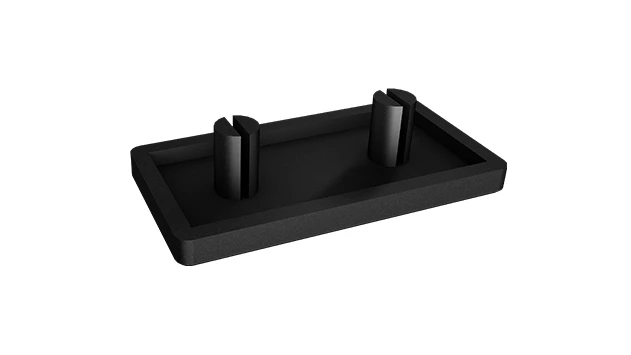
In the world of manufacturing, warehousing, and industrial design, there are countless components that work behind the scenes to keep operations running smoothly. Some are flashy—like high-tech conveyor systems or precision workbenches—while others are so unassuming, they're easy to overlook. Today, we're shining a spotlight on one of these unsung heroes: the 2040 aluminum profile end cap. It might seem like a small, simple piece, but anyone who's worked with aluminum extrusion profiles knows just how critical these little accessories are. From safety to durability, from aesthetics to functionality, 2040 end caps play a role that's far bigger than their size suggests. Let's dive in and explore what makes them unique, why they matter, and how they elevate the performance of the aluminum profiles they protect.
First, Let's Talk About Aluminum Extrusion Profiles
Before we get into end caps, it's important to understand the star of the show: aluminum extrusion profiles. If you've ever walked through a factory, a workshop, or even a modern office, you've probably seen these without realizing it. They're the backbone of workbenches, material racks, machine guards, conveyor frames, and even retail displays. What makes them so popular? Aluminum extrusion profiles are created by forcing heated aluminum through a die, shaping it into consistent, custom cross-sections. This process allows for endless design possibilities, from simple rectangles to complex T-slotted structures that make assembly a breeze.
Aluminum itself is a standout material here. It's lightweight—about a third the weight of steel—yet surprisingly strong, making it easy to handle without sacrificing durability. It's also corrosion-resistant, thanks to a natural oxide layer that forms on its surface, and it's highly recyclable, which aligns with the growing focus on sustainability in manufacturing. But what really sets aluminum extrusion profiles apart is their versatility. Those T-slots we mentioned? They're like built-in connection points, allowing users to attach accessories, shelves, panels, or other profiles with ease, no welding required. It's modularity at its finest.
Now, within the world of aluminum extrusion profiles, there are standard sizes that have become industry favorites. One of the most widely used is the 2040 profile. The numbers here tell you the dimensions: 20mm in width and 40mm in height (or vice versa, depending on orientation). It's a mid-sized profile, not too small for heavy-duty tasks but not overly bulky for lighter applications. You'll find 2040 profiles in everything from small workbenches in electronics assembly lines to larger material racks in warehouses. Its balance of strength and flexibility has made it a go-to for engineers, designers, and DIY enthusiasts alike. But here's the thing: even the best aluminum profile is only as good as the accessories that support it. And that's where end caps come in.
The Role of End Caps: More Than Just a "Finishing Touch"
At first glance, an end cap might look like nothing more than a plastic or rubber plug that goes on the end of a profile. But that's a classic case of "don't judge a book by its cover." End caps serve several critical functions that go far beyond making a profile look neat. Let's break them down:
Safety First: No More Sharp Edges
Anyone who's ever handled raw aluminum extrusion knows this: the ends can be sharp. After extrusion, cutting, or sawing, the edges of a profile can have burrs or rough spots that catch on gloves, clothing, or even skin. In a busy workplace, where people are moving quickly, this isn't just a nuisance—it's a safety hazard. A worker brushing against an exposed profile end could get a cut, or a piece of clothing could snag, leading to a fall or worse. End caps cover these sharp edges, creating a smooth, rounded surface that eliminates the risk of injury. It's a small change, but in terms of workplace safety, it's huge.
Protecting the Profile: Keeping the Inside Clean
Aluminum profiles, especially those with T-slots, have hollow interiors or grooves that are designed to hold fasteners, connectors, or other accessories. But those open ends? They're like open doors for dust, dirt, debris, and even moisture. Over time, these contaminants can build up inside the profile, making it harder to insert or adjust accessories. In worst cases, moisture can lead to internal corrosion (even with aluminum's natural resistance), and debris can scratch the inner surfaces, weakening the profile over time. End caps act as a barrier, sealing off the ends and keeping the inside of the profile clean and functional. Think of them as tiny shields, protecting the profile's integrity from the elements.
Aesthetics: Polishing the Look
Let's be honest: exposed, raw profile ends look unfinished. Whether you're building a workbench for a client or a display rack for a retail store, appearance matters. End caps give the profile a clean, professional finish, hiding the rough edges and creating a cohesive look. They come in a range of colors, too—usually black, white, or gray—to match the profile itself or the surrounding environment. It's a small detail, but it can make a big difference in how polished and intentional a project feels. No one wants to invest in a high-quality aluminum setup only to have it look sloppy because the ends were left exposed.
Structural Support: Reinforcing the Ends
While it's not their primary function, end caps can also add a subtle boost to structural integrity. The ends of aluminum profiles, especially those that are cut to length, can sometimes be prone to minor dents or bending if they're knocked or dropped. A snug-fitting end cap acts as a buffer, absorbing some of that impact and helping to maintain the profile's shape. It's not going to turn a flimsy profile into a steel beam, but every little bit helps—especially in high-traffic areas where profiles are handled frequently.
So, to sum up: end caps are safety devices, protectors, aesthetic enhancers, and minor structural supports, all rolled into one small package. And when it comes to 2040 aluminum profiles, not just any end cap will do. The 2040 profile has unique dimensions, and its end caps are designed to match that specificity. That's what makes 2040 aluminum profile end caps stand out—they're not generic; they're engineered for a purpose.

What Makes 2040 Aluminum Profile End Caps Unique?
Now that we understand why end caps matter, let's zoom in on what makes 2040 aluminum profile end caps unique. It's easy to assume that all end caps are the same—just a plug that fits into the end of a profile—but that couldn't be further from the truth. 2040 end caps are designed with the specific dimensions and use cases of the 2040 profile in mind, and that attention to detail makes all the difference. Let's break down their key features:
Precision Fit: Made for 2040, and Nothing Else
The most obvious (but most important) feature of 2040 end caps is their size. Remember, 2040 profiles are 20mm x 40mm—so the end cap needs to perfectly match that interior cross-section. A generic end cap might be too loose, falling out at the first bump, or too tight, requiring excessive force to install (which could damage the profile or the end cap itself). 2040 end caps are engineered to fit snugly, with just enough friction to stay in place but not so much that installation becomes a hassle. This precision fit is critical for all the functions we mentioned earlier: a loose end cap won't protect against sharp edges, and a tight one might crack when inserted, leaving gaps for debris.
But it's not just about width and height. The interior of a 2040 profile might have reinforcing ribs or T-slot channels, depending on the specific design. A well-made 2040 end cap will account for these features, with notches or contours that align with the profile's internal structure. This ensures that the end cap sits flush with the profile's end, creating a seamless look and maximum protection. It's like a puzzle piece—only the right shape will fit perfectly.
Material Matters: Durable, Flexible, and Purpose-Built
2040 end caps are typically made from plastic polymers, with nylon and polypropylene being the most common choices. Why plastic? Because it's lightweight, corrosion-resistant, and has just the right amount of flexibility. When you press a plastic end cap into a profile, it can slightly compress to fit the shape, then expand to create a tight seal—something rigid materials like metal can't do as effectively. But not all plastics are created equal, and 2040 end caps often use high-quality, industrial-grade plastics that can withstand the demands of manufacturing environments.
Real-World Example: Imagine a 2040 profile used in a food processing facility. The end cap here needs to resist moisture, cleaning chemicals, and temperature fluctuations. A cheap, low-grade plastic might crack or degrade over time, but a quality 2040 end cap made from food-safe nylon? It will hold up, keeping the profile clean and safe for use around food products.
Some 2040 end caps also incorporate rubber or silicone elements, especially in applications where a tighter seal is needed (like outdoor use or environments with high dust levels). These materials add extra grip, ensuring the end cap stays put even in vibrating machinery. The key is that the material is chosen to complement the 2040 profile's typical use cases—whether that's a dry workshop, a humid warehouse, or a cleanroom.
Design Innovations: More Than Just a Plug
Modern 2040 end caps aren't just simple plugs, either. Many feature clever design innovations that enhance their functionality. For example, some have tapered edges to make insertion easier—no more struggling to line up the end cap with the profile. Others have small tabs or notches that lock into the T-slots of the profile, providing an extra layer of security against falling out. There are even end caps with built-in cable management features, like small holes for routing wires through the profile, turning a simple accessory into a multi-tasker.
Color is another design consideration. While black and white are standard, some manufacturers offer 2040 end caps in custom colors to match company branding or to color-code profiles for different purposes (e.g., red for "danger zones," blue for "assembly areas"). This might seem like a minor detail, but in a busy facility, color coding can improve efficiency and safety by making it easier to identify equipment or zones at a glance.
Cost-Effective Protection: A Small Investment for Big Savings
Let's talk about value. 2040 end caps are inexpensive—usually just a few dollars each—but their cost is negligible compared to the potential savings they offer. Think about it: a single workplace injury from a sharp profile end could lead to medical bills, lost productivity, or even legal issues. A profile that gets clogged with debris might require cleaning or replacement, costing time and money. A poorly finished project might lose a client's trust. 2040 end caps prevent all these scenarios, making them one of the most cost-effective accessories in the aluminum profile toolkit.
Plus, because they're designed specifically for 2040 profiles, you don't have to waste time trimming generic end caps to fit or dealing with ones that don't stay in place. Time is money in manufacturing, and the right end cap saves both.

Comparing 2040 End Caps to Other Profile End Caps
To really understand what makes 2040 end caps unique, it helps to compare them to end caps designed for other common profile sizes. Let's take a look at how they stack up against two popular alternatives: 2020 and 4040 end caps.
2020 End Caps: Smaller, but Not Always Simpler
The 2020 profile is even smaller than 2040, measuring 20mm x 20mm. It's often used for lightweight applications, like small shelving, 3D printer frames, or hobby projects. 2020 end caps are correspondingly smaller, with a square cross-section. While they share some similarities with 2040 end caps—like precision fit and plastic construction—they're not interchangeable. A 2020 end cap would be way too small for a 2040 profile, leaving gaps and defeating the purpose of protection. Conversely, a 2040 end cap would never fit into a 2020 profile. The key difference here is the aspect ratio: 2040 is rectangular, while 2020 is square. This means 2040 end caps have to account for two different dimensions, requiring more precise molding to ensure they fit both the width and height correctly.
4040 End Caps: Larger, Heavier, and Built for Bulk
On the other end of the spectrum, we have 4040 profiles, which are 40mm x 40mm—larger and sturdier than 2040. They're used for heavy-duty applications, like industrial workbenches, conveyor frames, or machine bases. 4040 end caps are bigger and often made from thicker plastic to match the profile's strength. They might also have additional reinforcing ribs to handle the higher impact that comes with larger, heavier profiles. While 4040 and 2040 end caps are both rectangular (in some orientations), their size difference is significant. A 4040 end cap would dwarf a 2040 profile, and trying to use a 2040 end cap on a 4040 profile would be like putting a Band-Aid on a gaping wound—completely ineffective. 2040 end caps strike a balance: they're not as small as 2020, so they can provide more protection, but they're not as bulky as 4040, making them easier to handle and install in mid-sized applications.
The Takeaway: One Size Does Not Fit All
The main lesson here is that end caps are profile-specific. You can't swap them between sizes, and even slight differences in profile design (like internal ribs or T-slot placement) can make a big difference in how well an end cap fits. 2040 end caps are unique because they're tailored to the 2040 profile's specific dimensions, shape, and use cases. They're not just scaled-down 4040 end caps or stretched-out 2020 end caps—they're engineered from the ground up for that 20mm x 40mm sweet spot.
Material Deep Dive: What's Inside a 2040 End Cap?
We touched on materials earlier, but let's take a closer look at the plastics used in 2040 end caps and why they're chosen. The material of an end cap affects everything from its durability to its cost, so it's worth understanding what's under the hood (or, in this case, on the end of the profile).
Nylon: The Workhorse of End Cap Materials
Nylon (polyamide) is by far the most common material for 2040 end caps, and for good reason. It's strong, flexible, and resistant to wear and tear. Nylon has a high melting point, which means it can handle the heat of industrial environments without deforming. It's also resistant to many chemicals, including oils, solvents, and mild acids—important in factories where spills happen. But what really makes nylon ideal is its "memory" property: it can flex and compress when inserted into a profile, then return to its original shape, creating a tight, long-lasting seal. Nylon end caps are also relatively affordable, making them a popular choice for both small businesses and large manufacturers.
Polypropylene: Lightweight and Chemical-Resistant
Polypropylene (PP) is another common material for 2040 end caps. It's lighter than nylon and has excellent chemical resistance, making it a good choice for environments with harsh cleaners or corrosive substances (like pharmaceutical or chemical plants). PP is also less rigid than nylon, which can make installation easier—especially in profiles with slightly irregular end cuts. However, it's not as strong as nylon, so it might not hold up as well in high-impact applications. Still, for many standard uses, PP end caps are a reliable, cost-effective option.
ABS: For a Sleeker Look
Acrylonitrile Butadiene Styrene (ABS) is sometimes used for 2040 end caps, especially when aesthetics are a top priority. ABS has a smooth, glossy finish that can give projects a more polished look. It's also strong and impact-resistant, though not as chemical-resistant as nylon or PP. ABS end caps are often used in retail displays or office furniture, where appearance matters as much as functionality. They're a bit pricier than nylon or PP, but the visual upgrade is worth it for some applications.
Specialty Materials: When Standard Isn't Enough
For niche applications, you might find 2040 end caps made from specialty materials. For example, in cleanrooms or medical facilities, end caps might be made from FDA-approved plastics to ensure they're sterile and non-toxic. In outdoor or marine environments, UV-resistant materials are used to prevent fading and degradation from sunlight. There are even conductive or static-dissipative end caps for electronics manufacturing, where static electricity can damage sensitive components. These specialty materials come at a premium, but they're essential for applications with unique requirements.
| Material | Key Properties | Best For | Pros | Cons |
|---|---|---|---|---|
| Nylon | Strong, flexible, heat-resistant, wear-resistant | General industrial use, high-impact environments | Durable, good chemical resistance, tight seal | Slightly more expensive than PP |
| Polypropylene (PP) | Lightweight, chemical-resistant, flexible | Chemical plants, food processing, standard use | Easy to install, cost-effective, corrosion-resistant | Less strong than nylon, lower heat resistance |
| ABS | Smooth finish, impact-resistant, rigid | Retail displays, office furniture, aesthetic projects | Glossy look, strong, good impact resistance | Poor chemical resistance, pricier than nylon |
| Specialty (FDA/UV-resistant) | Sterile, UV-stable, static-dissipative | Cleanrooms, medical, outdoor, electronics | Meets niche requirements | Expensive, limited availability |
No matter the material, the key is that 2040 end caps are formulated to work with the 2040 profile's dimensions and the demands of the environments they're used in. It's not just about plugging a hole—it's about choosing the right material to ensure the end cap does its job, day in and day out.
Installation: It's Easier Than You Think
One of the best things about 2040 aluminum profile end caps is how easy they are to install. Unlike some industrial components that require tools, glue, or specialized training, end caps are designed for a "press-fit" installation. That means you can usually just push them into place with your hand—no extra equipment needed. But there are a few tips and tricks to ensure a smooth, secure fit, so let's walk through the process.
Step 1: Prepare the Profile End
First, make sure the end of your 2040 profile is clean and free of burrs. If the profile was recently cut, there might be sharp edges or metal shavings that could interfere with the end cap's fit or damage the material. Use a deburring tool or sandpaper to smooth out any rough spots. A quick wipe with a clean cloth to remove dust or debris will also help—you don't want anything between the end cap and the profile that could create gaps.
Step 2: Align the End Cap
Next, take your 2040 end cap and align it with the profile's end. Most end caps have a "top" and "bottom" (or "front" and "back") that correspond to the profile's orientation—make sure the end cap's shape matches the profile's cross-section. For example, if your 2040 profile is oriented with the 20mm side as the width and 40mm as the height, the end cap should have a 20mm x 40mm shape. If it's reversed, the end cap should match that orientation too. Most end caps are symmetric enough that they can go either way, but double-checking never hurts.
Step 3: Press It In
Once aligned, apply firm, even pressure to the end cap. Start by pressing the center to ensure it begins to seat evenly, then work your way around the edges. You should feel some resistance—that's the friction creating a tight seal. If the end cap is stubborn, you can gently tap it with a rubber mallet (never a metal hammer, which could crack the plastic) to help it slide into place. Stop when the end cap is flush with the profile's end—don't force it beyond that, as it could damage the end cap or the profile.
Step 4: Check the Fit
After installation, give the end cap a gentle tug to make sure it's secure. It should stay in place without wobbling or falling out. If it's loose, it might not have been pressed in all the way, or the end cap might be the wrong size (always double-check that you have 2040 end caps, not another size). If it's too tight and cracked during installation, you'll need to replace it—damaged end caps won't provide proper protection.
Pro Tip: If you're installing end caps in a batch of profiles, consider using a rubber mallet with a soft face to speed up the process. Just be careful not to hit too hard—plastic end caps can crack if struck with force. For especially tight fits, you can warm the end cap slightly with a hair dryer (on low heat) to make the plastic more pliable, but let it cool before use to ensure it retains its shape.
When to Use Adhesive (Spoiler: Rarely)
In most cases, press-fit installation is enough to keep 2040 end caps in place. But there are some scenarios where you might want extra security—like in high-vibration environments (think: near heavy machinery) or vertical profiles where gravity could pull the end cap down over time. In these cases, a small amount of industrial-grade adhesive (like cyanoacrylate or epoxy) can be applied to the inside of the end cap before installation. Just be sparing—too much adhesive can squeeze out and make a mess, or make future removal (if needed) nearly impossible. Most manufacturers don't recommend adhesive for standard use, but it's an option for special cases.
Common Issues and How to Solve Them
Even with the best end caps, things can go wrong. Maybe an end cap falls out, cracks, or doesn't fit as expected. Let's troubleshoot some common issues and how to fix them.
End Cap Falls Out: Too Loose
If your end cap keeps falling out, the first thing to check is whether you have the right size. Did you accidentally buy 2020 end caps instead of 2040? If the size is correct, the profile's end might be too worn or damaged. Over time, profiles that are frequently handled or knocked can develop dents or at the ends, which can loosen the end cap's fit. In this case, you might need to trim a small section off the profile (with a saw) to create a fresh, clean end. If that's not an option, a thin layer of adhesive (as mentioned earlier) can help secure the end cap.
End Cap Cracks: Too Tight or Poor Material
Cracks in end caps are usually caused by one of two things: excessive force during installation or low-quality material. If you had to hammer the end cap in with significant force, the plastic might have cracked under pressure. Try a different end cap (from the same batch) and install it more gently—if it also cracks, the end caps might be undersized or made from brittle plastic. In that case, switch to a higher-quality brand or a more flexible material (like nylon instead of PP). If only one end cap cracked, it might have been a manufacturing defect—most suppliers will replace defective parts.
End Cap Discolors: UV Exposure or Chemicals
If your end caps start to yellow or fade, UV exposure is likely the culprit. This is common in outdoor applications or near windows with direct sunlight. To fix this, replace the end caps with UV-resistant versions (look for materials labeled "UV-stable"). If discoloration is caused by chemicals, check if the end cap material is compatible with the substances in your environment—you might need to switch to a more chemical-resistant material like PP or specialty plastic.
Difficult to Remove: Stuck in Place
Sometimes you need to remove an end cap—maybe to access the inside of the profile or replace a damaged one. If it's stuck, don't yank or pry too hard (you could break the end cap or scratch the profile). Instead, use a small flathead screwdriver or a pick tool to gently pry one edge up, then work your way around. For end caps secured with adhesive, a hair dryer can soften the adhesive, making removal easier. Take your time—rushing increases the risk of damage.
Why Details Like End Caps Matter in Manufacturing
At this point, you might be thinking, "Okay, end caps are important, but do they really make that big of a difference?" The answer is a resounding yes. In manufacturing, attention to detail is what separates good operations from great ones. A missing or poorly fitting end cap might seem like a minor oversight, but it can have ripple effects that impact safety, efficiency, and even product quality.
Consider safety first: a single sharp profile end could lead to a workplace injury, which means lost time, increased insurance costs, and a hit to employee morale. Then there's efficiency: if debris clogs a profile's T-slots, workers might spend extra time cleaning or struggling to attach accessories, slowing down production. And let's not forget about product quality—if you're building custom machinery or workbenches for clients, a project with exposed profile ends looks unprofessional, damaging your reputation and potentially costing you future business.
2040 aluminum profile end caps are a small investment that pays off in big ways. They protect your workers, extend the life of your profiles, and ensure that your projects look and function their best. They're a testament to the idea that in manufacturing, every component—no matter how small—plays a role in success.
Final Thoughts: The Unsung Hero Gets Its Due
2040 aluminum profile end caps might not be the most glamorous part of your manufacturing setup, but they're undoubtedly one of the most essential. From their precision fit to their durable materials, from their safety benefits to their aesthetic appeal, these small accessories punch far above their weight. They're a reminder that great engineering isn't just about the big, flashy components—it's about the details that make the whole system work seamlessly.
So the next time you're assembling a workbench, building a material rack, or designing a conveyor system with 2040 aluminum profiles, take a moment to appreciate the end caps. They might be small, but they're working hard to keep your operation safe, efficient, and looking sharp. And when it comes to choosing end caps, remember: not all are created equal. Invest in high-quality, 2040-specific end caps—your profiles, your workers, and your bottom line will thank you.