- Company Articles
- Products and Technology
- Product knowledge
- What Makes 3060 Aluminum Angle Yards Ideal for Lean Manufacturing?

What Makes 3060 Aluminum Angle Yards Ideal for Lean Manufacturing?
Related Product
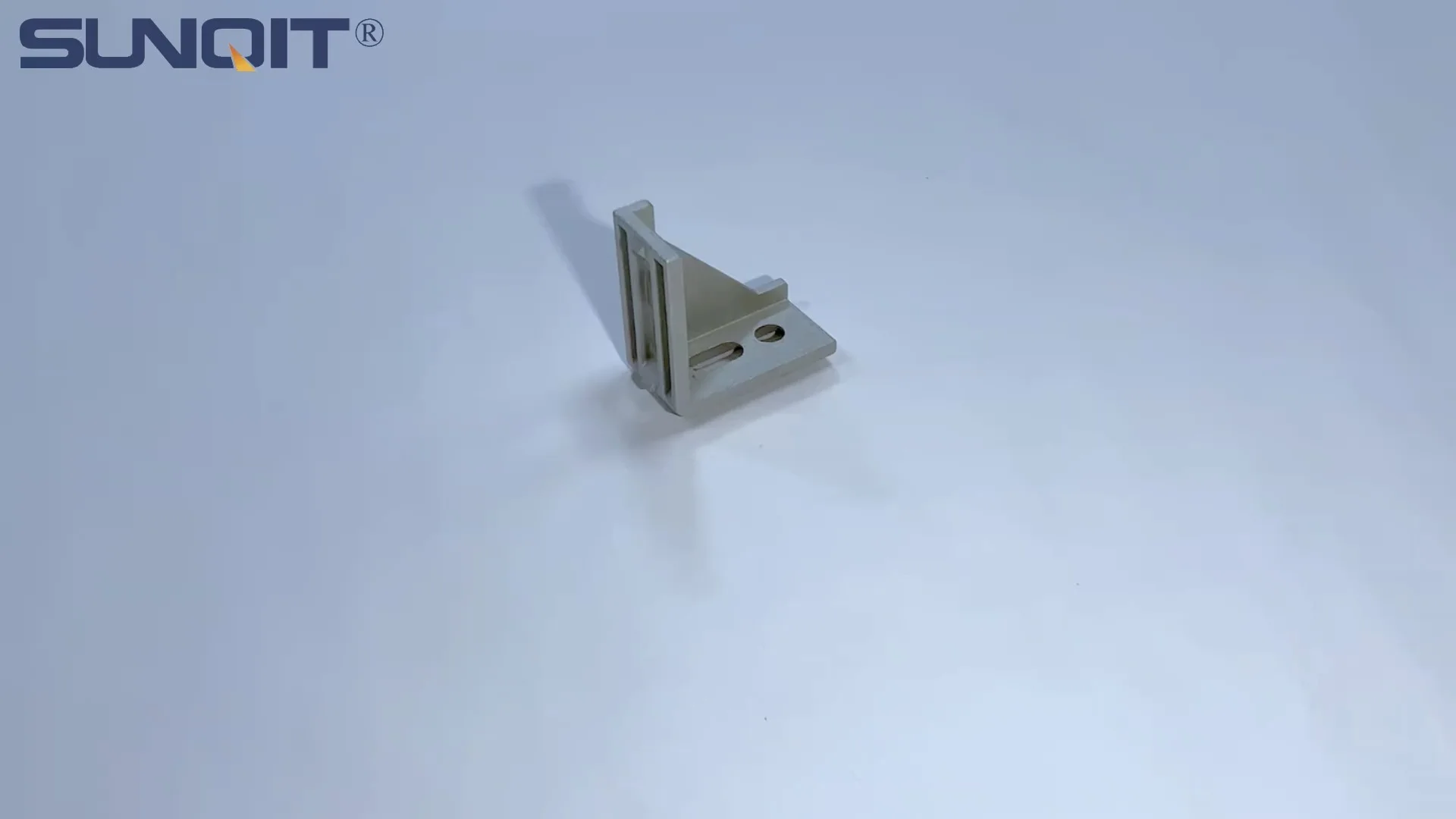
3060 Aluminum Angle Yards
It used for 90° flat connection for 20 series aluminum profile.
The Heartbeat of Lean: Why Manufacturing Flexibility Matters
Walk into any thriving manufacturing facility today, and you'll notice a common thread: agility. In a world where customer demands shift overnight and production runs get shorter, the old days of rigid, one-size-fits-all workspaces are long gone. Lean manufacturing—with its focus on eliminating waste, streamlining workflows, and continuous improvement—has become the gold standard. But here's the thing: lean isn't just a philosophy. It's a practice that lives and breathes in the tools and systems on the factory floor.
Ask any plant manager about their biggest headaches, and you'll likely hear the same frustrations: "Our workbenches take weeks to reconfigure." "We're stuck with expensive custom metal frames that can't adapt to new product lines." "Waste piles up because we can't adjust material flow quickly." These aren't just minor inconveniences—they're roadblocks to the efficiency lean manufacturing promises. So, what if there was a solution that could turn those frustrations into opportunities? Enter 3060 aluminum angle yards—a quiet workhorse in the world of aluminum extrusion profiles that's redefining how manufacturers build, adapt, and thrive.
3060 Aluminum Angle Yards: More Than Just Metal
First things first: let's break down what 3060 aluminum angle yards actually are. If you're new to aluminum extrusion profiles, think of them as building blocks—precision-engineered pieces of aluminum alloy shaped through a process that heats and pushes the metal through a die, creating consistent, repeatable cross-sections. The "3060" in the name tells you their dimensions: 30 millimeters by 60 millimeters. But the "angle yard" part? That's where the magic happens. Unlike standard square or rectangular profiles, these have a right-angle design, with one side slightly wider than the other (30mm and 60mm), making them perfect for creating sturdy, balanced structures that can handle both vertical and horizontal loads.
But it's not just about shape. These profiles are typically made from 6063-T5 aluminum alloy—a material prized for its winning combo of lightweight strength and corrosion resistance. That means they're tough enough to stand up to the daily grind of a manufacturing floor (think: bumps, spills, and constant use) but light enough that a single worker can move and assemble them without heavy machinery. Add in a smooth, anodized finish, and you've got a profile that resists scratches, doesn't require painting, and stays looking clean even in dusty environments.
What really sets 3060 aluminum angle yards apart, though, is their ecosystem of accessories. From T-slot nuts and brackets to hinges and corner connectors, these small but mighty parts turn individual profiles into endless possibilities. No welding, no drilling, no specialized tools—just simple, bolt-together assembly that lets teams build, take apart, and rebuild structures in hours, not days. It's modularity at its finest, and it's exactly what lean manufacturing needs to thrive.

5 Ways 3060 Aluminum Angle Yards Fuel Lean Principles
Lean manufacturing isn't about cutting corners—it's about cutting waste. Let's dive into how 3060 aluminum angle yards align with five core lean principles, turning theory into tangible results.
1. Eliminating Waste (Muda): Less Scrap, More Savings
Waste comes in many forms: excess inventory, unnecessary motion, overproduction. But one often-overlooked culprit is material waste from rigid, one-time-use structures. Traditional steel frames or custom-welded workbenches are built to last "forever," but when production needs change, they become obsolete—ending up in scrap yards or collecting dust in storage. 3060 aluminum angle yards flip the script. Because they're modular, you can disassemble a workbench and reuse the profiles to build a material rack or a conveyor support. No more wasting money on new materials for every layout change. Even better, the precision of aluminum extrusion means minimal cutting or trimming during assembly, so you're not throwing away excess metal. It's lean's "reduce, reuse, recycle" mantra in action.
2. Flexibility (Heijunka): Adapting Without Breaking a Sweat
Heijunka, or load leveling, is all about smoothing out production flow to avoid bottlenecks. But how do you level the load when your workspace can't keep up? Imagine a electronics manufacturer that suddenly needs to switch from assembling smartphones to tablets. Their old wooden workbenches are too low, and the steel shelving can't accommodate the larger tablet cases. With 3060 aluminum angle yards, they could adjust the workbench height in an afternoon using adjustable feet and new brackets, then reconfigure the shelving with extra tiers—all without calling in a contractor. That's the power of flexibility. These profiles don't just "work" for one product; they work for any product, adapting as quickly as your production schedule does.
3. Continuous Improvement (Kaizen): Building a Culture of Experimentation
Kaizen—small, daily improvements—thrives when teams feel empowered to experiment. But if changing a workstation requires approval from engineering, a week of planning, and a budget allocation, those small improvements never happen. 3060 aluminum angle yards lower the barrier to experimentation. A line worker might notice that tools are always out of reach on their workbench; with a few extra profiles and brackets, they could add a side shelf by the end of their shift. A supervisor might want to test a new U-shaped assembly line layout; instead of waiting for a custom build, they can rearrange existing 3060 structures overnight. This isn't just about saving time—it's about fostering a culture where everyone feels ownership of the process. When improvement is as easy as bolting on a new part, innovation becomes part of the daily routine.
4. Workplace Organization (Seiri, Seiton): From Chaos to Clarity
Lean's 5S methodology (Sort, Set in Order, Shine, Standardize, Sustain) starts with organization. A cluttered workspace isn't just messy—it's a breeding ground for errors and wasted motion. 3060 aluminum angle yards excel at creating structured, intuitive layouts. Take workbenches, for example. With T-slot aluminum pipe accessories like tool holders, bin rails, and cable management clips, you can design a workstation where every tool has a home, every part is within arm's reach, and cords don't dangle dangerously. Material racks built with 3060 profiles can be customized with dividers, labels, and roller tracks to ensure parts flow smoothly to the line—no more hunting for components or overstocking. When everything has a place, workers spend less time searching and more time adding value.
5. Cost-Effectiveness: Investing in Long-Term Value
Let's talk numbers. At first glance, aluminum profiles might seem pricier than wood or basic steel. But lean thinking is about the total cost of ownership, not just the upfront price tag. Wood warps, rots, or gets damaged easily—replacing a workbench every year adds up. Steel is heavy, requires painting to prevent rust, and is hard to modify. 3060 aluminum angle yards, on the other hand, last decades with minimal maintenance. Their corrosion resistance means they stand up to moisture and chemicals. Their modularity means you won't need to buy new structures for every product change. And because aluminum is 100% recyclable, even when they finally reach the end of their lifecycle, they hold value as scrap. Over time, the savings from reduced waste, faster reconfigurations, and lower replacement costs make them a smart, lean investment.

Beyond the Basics: Real-World Applications That Drive Results
Numbers and principles are great, but let's get concrete. How are manufacturers actually using 3060 aluminum angle yards to transform their operations? Here are a few examples that bring the benefits to life.
Case Study: Automotive Parts Supplier Cuts Changeover Time by 75%
A mid-sized automotive parts supplier was struggling with frequent changeovers between brake component and suspension part production. Their old steel workbenches and fixed material racks took 2-3 days to reconfigure, leading to costly downtime. After switching to 3060 aluminum angle yards, they built modular workstations with quick-release brackets and adjustable shelving. Now, a two-person team can reconfigure an entire line in 4 hours—saving over 120 production hours per year and increasing on-time deliveries by 18%.
Workbenches: The Backbone of the Production Line
Workbenches are where the magic happens, and 3060 aluminum angle yards make them better. Unlike flimsy particleboard tables or heavy steel frames, these workbenches are built to fit the task. Need a (ESD workbench) for electronics assembly? Add a conductive top and ground the aluminum frame to protect sensitive components. Building a heavy-duty assembly station for machinery parts? Reinforce the frame with cross-braces using 3060's angle design for extra stability. And when operators need to adjust the height for ergonomics? Swap out the feet for adjustable leveling pads—no tools required. It's a workstation that grows with your team, not against them.
Material Racks and Flow Systems: Keeping Parts Moving
Material flow is the lifeblood of lean manufacturing. A delay in getting parts to the line can bring production to a halt. 3060 aluminum angle yards shine here, too. Manufacturers use them to build custom flow racks with roller tracks, where gravity feeds parts directly to operators—eliminating the need for workers to walk to storage areas. The angle design of the 3060 profiles provides the perfect slope for smooth rolling, while accessories like plastic roller track guide rails (grey or yellow, depending on your color-coding system) keep parts aligned. For heavier loads, they're paired with aluminum profile accessories like center support brackets to ensure stability. The result? A material system that's fast, reliable, and easy to adjust when part sizes change.
Assembly Line Structures: From Prototyping to Full-Scale Production
Whether you're prototyping a new product or scaling up to full production, 3060 aluminum angle yards adapt. Startups use them to build low-cost, temporary assembly lines to test workflows, then reuse the same profiles to build permanent structures once demand grows. Larger manufacturers use them to create modular conveyor supports, jig frames, and inspection stations that can be moved or modified as production volumes fluctuate. One aerospace supplier even used 3060 profiles to build a custom tool cart that folds flat for storage—saving valuable floor space during slow periods.

How 3060 Stacks Up: Comparing Aluminum Profiles for Lean Needs
Aluminum extrusion profiles come in all shapes and sizes—2020, 3030, 4040, and beyond. So why choose 3060 aluminum angle yards over the others? Let's break it down with a quick comparison:
| Profile Type | Dimensions (mm) | Typical Load Capacity (kg/m) | Best For | Limitations for Lean |
|---|---|---|---|---|
| 2020 | 20x20 | 50-80 | Small shelving, light-duty frames, prototyping | Too narrow for heavy tools or large workbenches; limited load capacity |
| 3030 | 30x30 | 100-150 | Medium workbenches, small material racks | Less stability for tall structures; limited surface area for mounting accessories |
| 3060 (Angle Yard) | 30x60 (angle design) | 180-250 | Heavy-duty workbenches, multi-tier material racks, assembly line supports, ESD workstations | Slightly heavier than 2020/3030 (but still lightweight); may be overkill for very light tasks |
| 4040 | 40x40 | 200-300 | Industrial machinery frames, high-load shelving | Bulkier and more expensive; overdesigned for most lean workspaces |
The takeaway? 3060 aluminum angle yards hit the sweet spot for lean manufacturing. They offer more strength and versatility than smaller profiles like 2020 or 3030 without the bulk and cost of 4040. Their angle design adds stability that square profiles can't match, making them ideal for structures that need to handle both vertical and horizontal stress—like workbenches with overhanging tools or material racks with unevenly distributed loads. For most manufacturers, they're the Goldilocks solution: not too small, not too big, just right.
Choosing the Right Partner: Why Your Aluminum Profile Supplier Matters
So you're sold on 3060 aluminum angle yards—now what? The next step is finding a reliable aluminum profile supplier. Lean manufacturing thrives on consistency, and that starts with your materials. Look for a supplier that offers:
- Quality Materials: Ensure they use high-grade aluminum alloys (like 6063-T5) and precision extrusion processes for consistent dimensions.
- Accessory Compatibility: A wide range of aluminum profile accessories (connectors, brackets, feet) that work seamlessly with their 3060 profiles.
- Fast Lead Times: Lean can't wait for slow deliveries. Choose a supplier with local stock or quick production turnaround.
- Technical Support: Expertise to help you design structures that maximize efficiency—whether you need help calculating load capacities or choosing the right accessories.
Remember, your supplier isn't just a vendor—they're a partner in your lean journey. A good one will understand your goals and help you get the most out of your 3060 aluminum angle yards.
Final Thoughts: Building a Lean Future, One Profile at a Time
Lean manufacturing isn't a destination—it's a journey of constant improvement. And like any journey, you need the right tools to get there. 3060 aluminum angle yards aren't just tools; they're enablers. They turn the abstract ideals of lean—eliminating waste, fostering flexibility, empowering teams—into tangible, daily actions. They let manufacturers stop fighting their workspace and start working with it.
So the next time you walk through your facility, take a look around. Are your workbenches holding you back? Are your material racks slowing you down? Imagine (oops—scratch that) picture what it would look like if you could rearrange, adapt, and improve in hours instead of weeks. That's the promise of 3060 aluminum angle yards. They're not just metal and brackets—they're the foundation of a leaner, more agile, and more successful manufacturing future.
Ready to start building? Your lean journey starts here.