- Company Articles
- Products and Technology
- Product knowledge
- What Makes 40 Aluminum Roller Track Yellow Ideal for Medical Device Manufacturing?

What Makes 40 Aluminum Roller Track Yellow Ideal for Medical Device Manufacturing?
Related Product
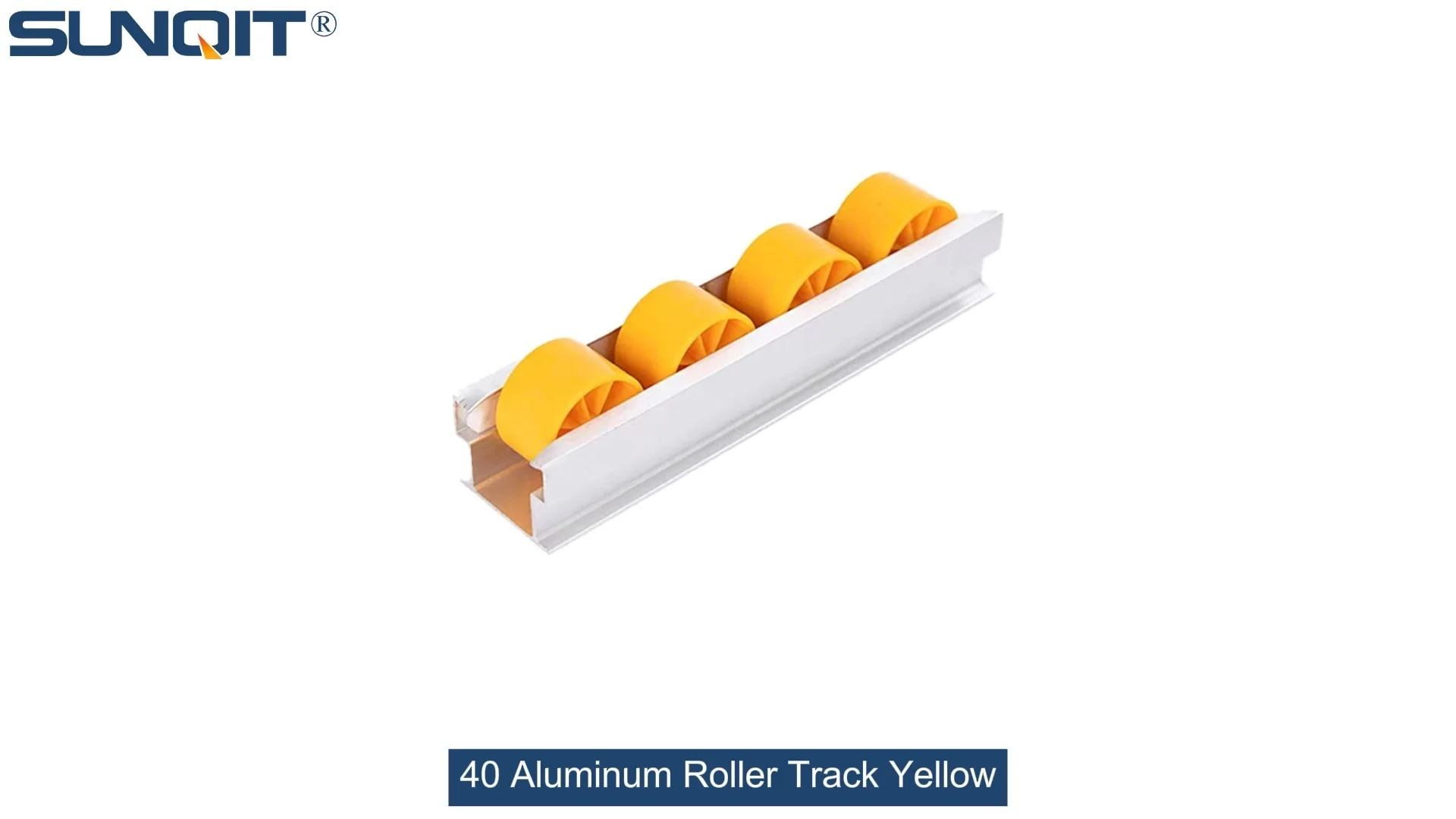
40 Aluminum Roller Track Yellow
Durable and smooth-running modular roller rails. The system is fully assembled. The roller rail profile contains plastic rollers mounted on steel axles. Aluminum frame with plastic wheel make it anti corrosion,and material convey more smooth.
Medical device manufacturing is a field where precision, cleanliness, and compliance are non-negotiable. Every component in the production line must meet stringent standards to ensure the safety and efficacy of the final products. Among the many elements that contribute to a seamless manufacturing process, the choice of material handling equipment plays a critical role. One such component that has gained significant attention in recent years is the 40 Aluminum Roller Track Yellow. This article explores the unique properties and benefits of this roller track, explaining why it stands out as an ideal solution for medical device manufacturing environments.
Understanding the 40 Aluminum Roller Track Yellow
The 40 Aluminum Roller Track Yellow is a modular material handling component designed to facilitate the smooth movement of parts and products along assembly lines. Made from high-quality aluminum, this roller track features a series of rollers that allow items to glide effortlessly, reducing friction and minimizing the risk of damage to delicate components. The yellow color is not just an aesthetic choice; it serves practical purposes such as enhancing visibility in busy manufacturing floors and complying with certain industry safety standards. Let's delve deeper into its key characteristics:
- Material Composition: Constructed from durable 6063-T5 aluminum alloy, which is known for its lightweight yet robust nature. This alloy offers excellent corrosion resistance, making it suitable for environments where cleanliness and hygiene are paramount. Unlike carbon steel, which requires regular coating to prevent rust, aluminum maintains its integrity even when exposed to cleaning agents and moisture.
- Roller Design: The rollers are precision-engineered with a diameter of 40mm, spaced at optimal intervals to ensure consistent and smooth movement. Each roller is made from high-density polyethylene (HDPE) or stainless steel, depending on the application, and is designed to handle load capacities ranging from 50kg to 200kg per meter. This versatility makes the track suitable for various medical device components, from small sensors to larger equipment parts like MRI machine casings.
- Modular Construction: The track is built with a t-slot aluminum profile design, allowing for easy assembly and disassembly using standard tools. This flexibility means it can be adapted to different line layouts—whether straight, curved, or inclined—and adjusted as production needs change. For example, a manufacturer can extend the track length by adding new sections or change its direction using corner connectors, aligning with lean manufacturing principles of adaptability.
- Yellow Coating: The yellow finish is often a powder-coated layer that provides multiple benefits. It enhances visibility, helping operators quickly identify the track path and avoid collisions in busy production areas. Additionally, many yellow coatings are formulated with anti-static properties, which are crucial in environments where electrostatic discharge (ESD) can damage sensitive electronic components found in devices like pacemakers and diagnostic equipment. The coating also adds an extra layer of protection against scratches and wear.
Key Benefits for Medical Device Manufacturing
1. Hygiene and Cleanliness Compliance
Medical device manufacturing requires strict adherence to hygiene standards to prevent contamination. Aluminum is a non-porous material that is easy to clean and sanitize, making it an excellent choice for this industry. ISO 13485, the international standard for medical device quality management systems, mandates that manufacturing processes must minimize the risk of contamination. The 40 Aluminum Roller Track Yellow's non-porous surface is ideal for this, as it can be easily wiped down with disinfectants such as isopropyl alcohol or hydrogen peroxide without leaving residue. Unlike wooden or plastic components that may absorb liquids or harbor microorganisms, aluminum resists bacterial growth, making it suitable for cleanroom environments where even the smallest particle can compromise product safety. For example, in the production of intravenous (IV) catheters, the track ensures that the components remain sterile throughout the assembly process, reducing the risk of infections in patients. The smooth surface also prevents the accumulation of dust and debris, which is critical for maintaining the purity of sterile products like surgical sutures.
2. Precision and Stability for Delicate Components
Medical devices often consist of small, delicate parts that require careful handling. The 40 Aluminum Roller Track Yellow provides a stable and consistent surface for moving these components. The rollers are spaced evenly to distribute weight uniformly, preventing items from tipping or shifting during transport. This precision is essential for maintaining the integrity of components like stents, which are thin and can be easily deformed if handled improperly. The track's smooth rolling action also reduces vibration, which is critical for sensitive electronic components such as the sensors in blood glucose monitors. These sensors rely on precise calibration, and excessive vibration can disrupt their performance. The track's low-friction rollers ensure that parts move at a controlled speed, allowing operators to assemble components with accuracy. For instance, when assembling a pacemaker, the track transports the circuit board to the soldering station with minimal movement, ensuring that the solder joints are precise and reliable, which is vital for the device's functionality.
3. Flexibility and Adaptability to Changing Production Needs
Medical device manufacturers often need to adjust their production lines to accommodate new products or changes in demand. The modular design of the 40 Aluminum Roller Track Yellow allows for quick reconfiguration. It can be integrated with other lean system components such as conveyors, flow racks, and workstations to create a customized solution that fits specific manufacturing processes. For example, in a 3C assembly line for medical tablets, the track can be combined with an ESD workstation to ensure that electrostatic discharge is controlled, protecting sensitive electronic parts. The track can also be connected to flow racks to store parts within easy reach, reducing the time spent retrieving materials. This modularity allows manufacturers to adapt their lines quickly when introducing new products, such as a new model of surgical laser, without investing in entirely new equipment. Additionally, the track's compatibility with various accessories—like side guides and stop blocks—makes it easy to tailor the system to specific part sizes and shapes, further enhancing its flexibility.
4. Durability and Longevity
Aluminum is a highly durable material that can withstand the rigors of continuous use in manufacturing environments. The 40 Aluminum Roller Track Yellow is designed to resist wear and tear, even under heavy loads. Unlike plastic roller tracks, which may crack or deform over time, aluminum tracks maintain their shape and performance for extended periods. This durability translates to lower maintenance costs and longer service life, making it a cost-effective investment for medical device manufacturers. Additionally, aluminum is recyclable, which supports sustainable manufacturing practices—a growing priority in the medical industry. Many manufacturers are now focusing on reducing their environmental footprint, and using recyclable materials like aluminum helps them achieve this goal. The track's corrosion resistance also means it can be used in humid or wet environments, such as sterile processing areas where equipment is frequently cleaned, without the risk of rust or degradation.
5. Compliance with Industry Standards
Medical device manufacturing is governed by strict regulations to ensure patient safety. The 40 Aluminum Roller Track Yellow is often designed to meet these standards. For instance, if the track has an anti-static coating, it can comply with ESD standards such as ANSI/ESD S20.20, which is essential for handling electronic medical devices. The yellow color may also indicate compliance with safety standards, making it easier for manufacturers to demonstrate adherence to regulatory requirements during audits. By choosing a roller track that meets these standards, manufacturers can avoid costly fines and ensure that their products are safe for use. Additionally, the track's material composition and design comply with RoHS (Restriction of Hazardous Substances) standards, which restrict the use of harmful materials like lead and mercury. This compliance is important for medical device manufacturers, as it ensures that their products are safe for both patients and the environment.

Integration with Lean Systems in Medical Manufacturing
Lean manufacturing principles are widely adopted in the medical device industry to optimize production processes, reduce waste, and improve efficiency. The 40 Aluminum Roller Track Yellow is a key component of lean systems, as it supports several core lean concepts:
- Waste Reduction: The modular design allows for efficient use of space and resources. By reconfiguring the track instead of replacing it, manufacturers reduce waste from discarded equipment. Additionally, the smooth movement of parts minimizes the risk of damage, reducing scrap and rework. For example, a manufacturer of surgical instruments can use the track to transport components from the machining station to the assembly station, reducing the need for manual handling and the associated risk of damage.
- Continuous Improvement: The adaptability of the track enables manufacturers to make incremental changes to their production lines as they identify areas for improvement. This aligns with the lean philosophy of kaizen, or continuous improvement, which is crucial for staying competitive in the fast-paced medical device market. For instance, if a manufacturer notices that parts are piling up at a certain station, they can adjust the track's speed or add a new section to balance the flow, improving overall efficiency.
- Just-In-Time (JIT) Production: The roller track facilitates the smooth flow of parts, ensuring that components are delivered to the assembly line exactly when needed. This reduces inventory costs and storage space, which are key benefits of JIT production. For example, in a JIT system for medical device assembly, the track can transport components from the warehouse to the assembly line in small batches, minimizing the amount of inventory held on the production floor.
- Employee Empowerment: The easy-to-use design of the track allows employees to make adjustments to the production line without specialized tools or training. This empowers workers to take ownership of their processes and contribute to improvements. For instance, an operator can add a stop block to the track to prevent parts from moving past a certain point, improving the assembly process without needing to consult a maintenance team.
Custom solutions are often required in medical device manufacturing to address unique challenges. The 40 Aluminum Roller Track Yellow can be part of these custom designs, tailored to specific applications such as 3C assembly for medical electronics or sterile processing for surgical instruments. For example, a manufacturer of diagnostic equipment may use the track in a flexible workstation that combines it with an ESD workbench to handle sensitive circuit boards. This integration ensures that the production process is both efficient and compliant with industry standards. Additionally, the track's compatibility with various accessories allows for further customization, such as adding label holders to identify parts or bar code scanners to track inventory, making it a versatile component in custom lean solutions.

Real-World Applications in Medical Device Manufacturing
To better understand the impact of the 40 Aluminum Roller Track Yellow, let's look at some real-world applications:
Case Study 1: Surgical Instrument Assembly Line
A leading manufacturer of surgical instruments needed to improve the efficiency of their assembly line while maintaining strict hygiene standards. They integrated the 40 Aluminum Roller Track Yellow into their flow rack system to transport instrument components from one workstation to another. The aluminum track's easy-to-clean surface ensured compliance with sterile processing requirements, and the modular design allowed the line to be adjusted as new instrument models were introduced. The track's anti-static coating also prevented electrostatic discharge, protecting the delicate electronic components in some instruments. The result was a 20% increase in production efficiency and a reduction in cleaning time by 30%. Additionally, the track's durability reduced maintenance costs by 25% over a two-year period, making it a cost-effective solution for the manufacturer.
Case Study 2: Medical Electronics Production
A company specializing in medical electronics used the 40 Aluminum Roller Track Yellow in their ESD workstation setup. The anti-static yellow coating of the track prevented electrostatic discharge, protecting sensitive components like the sensors in blood pressure monitors. The track was combined with a conveyor system to create a continuous flow of parts, reducing bottlenecks and improving throughput. The modular design allowed the company to reconfigure the line quickly when introducing a new product line—a portable ECG machine—saving time and resources. The track's compatibility with side guides ensured that the small, delicate components were transported safely, reducing scrap rates by 15%. This solution helped the company meet the high demand for their products while maintaining quality standards.
Case Study 3: Diagnostic Equipment Manufacturing
A diagnostic equipment manufacturer needed a solution to handle large, heavy components such as imaging machine parts. The 40 Aluminum Roller Track Yellow was chosen for its durability and load-bearing capacity. It was integrated into a custom conveyor system that transported these components through the assembly process. The track's stability ensured that the heavy parts were moved safely without damage, and the aluminum material resisted corrosion from cleaning agents used in the production area. The track's modular design allowed the manufacturer to adjust the line length as needed, accommodating different component sizes. This solution reduced the risk of component damage by 40% and improved overall production reliability. The manufacturer also noted that the track's easy maintenance contributed to fewer downtime incidents, further enhancing productivity.

Comparison with Other Roller Track Materials
To highlight the advantages of the 40 Aluminum Roller Track Yellow, let's compare it with other common materials used in roller tracks:
| Material | Hygiene Compliance | Durability | Flexibility | Cost-Effectiveness | Suitability for Medical Devices |
|---|---|---|---|---|---|
| 40 Aluminum Roller Track Yellow | High (easy to clean, non-porous; complies with ISO 13485) | High (corrosion-resistant, long-lasting; up to 10+ years of service) | High (modular, adaptable; compatible with various lean components) | Medium to High (initial cost offset by low maintenance and longevity) | Excellent (meets hygiene, precision, and compliance requirements) |
| Steel Roller Track | Medium (prone to rust if not coated; requires regular cleaning) | High (strong but heavy; may require periodic re-coating) | Low (difficult to reconfigure; heavy to move) | Medium (higher maintenance costs due to rust prevention) | Good (but not ideal for cleanroom environments) |
| Plastic Roller Track | Medium (can harbor bacteria if porous; may degrade with disinfectants) | Low (prone to cracking under heavy loads; short lifespan) | Medium (some modular options but limited load capacity) | Low (low initial cost but frequent replacement needed) | Poor (not suitable for heavy or delicate medical parts) |
| Wooden Roller Track | Low (porous; absorbs liquids and harbors bacteria) | Low (prone to warping and rot; not durable) | Low (fixed design; difficult to modify) | Low (low initial cost but high replacement frequency) | Unsuitable (does not meet hygiene standards) |
As the table shows, the 40 Aluminum Roller Track Yellow outperforms other materials in key areas relevant to medical device manufacturing. Its combination of hygiene compliance, durability, flexibility, and cost-effectiveness makes it the ideal choice for this industry. The track's ability to meet strict regulatory standards and adapt to changing production needs further solidifies its position as a top solution for medical device manufacturers.
Conclusion
The 40 Aluminum Roller Track Yellow is more than just a material handling component—it is a critical tool for medical device manufacturers looking to improve efficiency, maintain compliance, and ensure the quality of their products. Its unique properties, including hygiene compliance, precision, flexibility, durability, and adherence to industry standards, make it stand out as an ideal solution for the demanding environment of medical device manufacturing. Whether integrated into a lean system, part of a custom solution, or used in conjunction with conveyors and ESD workstations, this roller track delivers tangible benefits that help manufacturers stay competitive and meet regulatory requirements.
By choosing the 40 Aluminum Roller Track Yellow, medical device manufacturers can invest in a solution that not only meets their current needs but also adapts to future changes. Its modular design and durable construction ensure that it will remain a valuable asset for years to come, supporting continuous improvement and sustainable manufacturing practices. In an industry where precision and compliance are everything, the 40 Aluminum Roller Track Yellow is a reliable and effective choice that helps manufacturers produce safe, high-quality medical devices efficiently.
The track's versatility and compatibility with various lean system components make it a cornerstone of modern medical device manufacturing. It enables manufacturers to create flexible, efficient production lines that can adapt to the ever-changing demands of the industry. Whether handling small, delicate components or large, heavy equipment parts, the 40 Aluminum Roller Track Yellow provides the stability, precision, and hygiene required to produce life-saving medical devices. As the medical device industry continues to evolve, the importance of reliable, adaptable material handling solutions like this roller track will only grow, making it an essential investment for manufacturers looking to succeed in this competitive market.