- Company Articles
- Products and Technology
- Product knowledge
- What Makes a Plastic Pipe End Cap Suitable for Cleanroom Environments?

What Makes a Plastic Pipe End Cap Suitable for Cleanroom Environments?
Related Product
Plastic pipe end cap
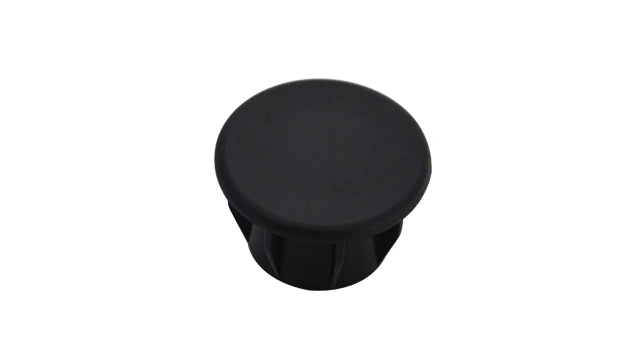
Plastic pipe cover, used for 28mm two end cover and protection, to avoid any scratch from sharp metal surface.
Walk into a cleanroom, and you'll immediately sense the difference: the air feels crisp, the surfaces gleam, and every movement seems deliberate. These controlled environments—found in pharmaceuticals, semiconductor manufacturing, biotech labs, and aerospace facilities—are designed to minimize contamination, where even a single dust particle or stray fiber can ruin a batch of medication, compromise a microchip, or invalidate a critical experiment. But what keeps these spaces so "clean"? It's not just the high-efficiency particulate air (HEPA) filters or strict gowning protocols. Every component, from the flooring to the equipment, plays a role. Today, we're zooming in on a small but mighty part of this ecosystem: the plastic pipe end cap. Specifically, we'll explore what makes these unassuming caps essential for maintaining cleanroom standards, why plastic is the material of choice, and how they integrate seamlessly with systems like lean pipe structures. Let's dive in.
1. Understanding Cleanroom Requirements: Why the Little Things Matter
Before we talk about plastic pipe end caps, let's first grasp what cleanrooms demand. Contamination control is the name of the game, and it's measured in microns—smaller than the width of a human hair. For context, ISO 14644-1, the global standard for cleanroom classification, defines "Class 5" (once called Class 100) as allowing no more than 3,520 particles of 0.5 microns per cubic meter. To put that in perspective, outdoor air can have millions of such particles. Achieving this level of cleanliness means every surface, joint, and component must be designed to not introduce or harbor contaminants.
Think about it: A metal pipe end, if not properly sealed, might rust, flake, or trap dust in tiny crevices. A poorly fitting cap could loosen over time, releasing particles from inside the pipe. Even static electricity can attract dust to a surface, turning a harmless component into a contamination risk. This is where plastic pipe end caps step in—they're engineered to address these exact challenges, but not all plastic caps are created equal. The best ones are purpose-built for the unique demands of cleanrooms.
2. Why Plastic? Comparing Materials for Cleanroom End Caps
Why not metal? Or rubber? Let's break down the options. Metal end caps, like stainless steel, are durable, but they're heavy, prone to corrosion (even stainless steel can rust in high-humidity cleanrooms), and their rigid edges can scratch other surfaces, creating particle debris. Rubber, while flexible, can degrade over time, especially when exposed to harsh cleaning chemicals, and may shed tiny rubber particles. Wood? Out of the question—it's porous, absorbs moisture, and can harbor bacteria or fungi.
Plastic, on the other hand, offers a sweet spot of benefits: it's lightweight, resistant to corrosion, easy to mold into smooth, crevice-free shapes, and can be formulated to resist chemicals, static, and particle shedding. Modern plastics like high-density polyethylene (HDPE), polypropylene (PP), and polyvinyl chloride (PVC) are particularly well-suited. They're also cost-effective, which matters when scaling cleanroom operations. But not all plastics work—we'll dive into material selection later.

3. Key Features of a Cleanroom-Ready Plastic Pipe End Cap
So, what makes a plastic pipe end cap "suitable" for cleanrooms? Let's break it down into non-negotiable features:
3.1 Smooth, Seamless Surfaces
Cleanroom surfaces should be as "low-maintenance" for contaminants as possible. That means no cracks, gaps, or rough textures where dust, bacteria, or liquids can hide. The best plastic end caps are injection-molded, a process that creates smooth, uniform surfaces without seams. Even the edge where the cap meets the pipe should be a tight, flush fit—no overhangs or gaps. Imagine a cap with a slight ridge: that ridge could trap a droplet of cleaning solution, which then becomes a breeding ground for bacteria. A seamless design eliminates that risk.
3.2 Low Particle Shedding (Non-Outgassing)
Some plastics, especially cheaper ones, can "outgas"—release volatile organic compounds (VOCs) or tiny particles over time. In a cleanroom, these VOCs can react with sensitive materials (like semiconductors) or contaminate air filters. Cleanroom-grade plastic end caps are made from "low-shedding" resins, tested to ensure they don't release particles or gases under normal operating conditions. For example, medical-grade HDPE is often used because it's inert and meets strict outgassing standards.
3.3 Chemical and Temperature Resistance
Cleanrooms are cleaned regularly with aggressive agents: isopropyl alcohol (IPA), hydrogen peroxide, or specialized disinfectants. A plastic cap that dissolves, cracks, or becomes brittle when exposed to these chemicals is useless. The best caps are resistant to a wide range of solvents and can withstand typical cleanroom temperatures (usually 15–30°C, but sometimes higher in industrial settings). Polypropylene, for instance, holds up well to acids and bases, making it a favorite for pharmaceutical cleanrooms.
3.4 Static Dissipation
Static electricity is a silent enemy in cleanrooms. It can cause dust particles to cling to surfaces, including end caps, which are then dislodged and float into the air. To combat this, some plastic end caps are made with conductive or static-dissipative additives. These materials redirect static charges safely to the ground, reducing dust attraction. This is especially critical in electronics manufacturing, where static can also damage sensitive components like microchips.

4. Material Deep Dive: Choosing the Right Plastic for End Caps
Not all plastics are suitable for cleanroom end caps. Let's compare the most common options, their properties, and which cleanroom environments they serve best. The table below breaks down key materials:
| Plastic Material | Key Properties | Particle Shedding | Chemical Resistance | Suitable Cleanroom Classes | Best For |
|---|---|---|---|---|---|
| High-Density Polyethylene (HDPE) | Stiff, impact-resistant, low moisture absorption | Very low | Resistant to acids, alcohols, and mild bases | ISO 5–8 | General cleanrooms, food processing, non-critical electronics |
| Polypropylene (PP) | Flexible, heat-resistant (up to 120°C), chemical-resistant | Low | Resistant to most acids, bases, and organic solvents | ISO 5–8 | Pharmaceuticals, biotech (autoclavable options available) |
| Polyvinyl Chloride (PVC) | Rigid, flame-retardant, good dimensional stability | Low (if unplasticized) | Resistant to oils, fats, and some chemicals | ISO 7–8 | Industrial cleanrooms, automotive assembly |
| Polytetrafluoroethylene (PTFE, Teflon) | Extremely high heat resistance (up to 260°C), inert | Very low | Resistant to nearly all chemicals | ISO 5–6 | Semiconductor manufacturing, high-purity chemical handling |
PTFE is the gold standard for ultra-high-purity environments, but it's expensive. For most cleanrooms, HDPE or PP strikes the right balance between performance and cost. The key is to match the material to the cleanroom's class and the chemicals it will encounter.
5. Design Matters: How Shape and Fit Impact Cleanroom Performance
Even the best material can fail if the design is flawed. Let's talk about shape, size, and fit. A well-designed plastic pipe end cap should:
5.1 Tight, Secure Fit
The cap must seal the pipe end completely to prevent dust, moisture, or microbes from entering the pipe's interior. A loose cap might vibrate loose during equipment operation, releasing trapped particles. Many cleanroom caps use a "press-fit" design with a slight taper, ensuring a snug seal without the need for adhesives (which can outgas). Some also include O-rings or gaskets made from silicone (another cleanroom-friendly material) for extra security, though these add complexity and potential failure points.
5.2 No Sharp Edges or Protrusions
Sharp edges can scratch gloves, tools, or other components, creating particles. They also make cleaning harder—wiping a sharp edge with a cloth might snag the fabric, leaving fibers behind. The best caps have rounded edges and a low-profile design that blends smoothly with the pipe's outer diameter.
5.3 Color Options (Yes, It Matters)
You might not think color is important, but in cleanrooms, light-colored caps (white, gray, or translucent) make it easier to spot contaminants like dust, spills, or wear. Dark colors can hide these issues, leading to missed maintenance. For example, a yellow cap might blend in with certain cleaning solutions, while a white cap would show discoloration immediately. This is why many cleanroom components, including some plastic roller track guide rails, come in neutral tones—though we'll stick to end caps here!
6. Compliance and Certifications: The Stamp of Approval
When shopping for plastic pipe end caps, look for certifications that validate their cleanroom suitability. Here are the key ones to watch for:
- ISO 14644-1: While this standard classifies cleanrooms, some manufacturers test their caps for particle shedding under ISO protocols to ensure they meet class-specific limits.
- FDA 21 CFR Part 177: For food, pharmaceutical, or medical device cleanrooms, caps must comply with the FDA's regulations on materials that contact food or drugs. HDPE and PP often meet this standard.
- USP Class VI: For biotech or medical cleanrooms, USP Class VI certification ensures the material is non-toxic and biocompatible, even when in contact with living tissue or pharmaceuticals.
- RoHS/REACH: In electronics manufacturing, caps should be free of hazardous substances like lead or mercury, as required by RoHS (Europe) or REACH (global) regulations.
Don't just take the supplier's word for it—ask for test reports. A reputable manufacturer will provide data on particle shedding, outgassing (via tests like ASTM E595), and chemical resistance.
7. Integrating with Lean Pipe Systems: A Practical Example
Now, let's tie this to real-world applications. Many cleanrooms use lean pipe systems—modular, flexible structures made from pipes and joints that can be configured into workbenches, material racks, or flow racks. Lean pipe (also called "kitchen pipe" or "flex pipe") is popular because it's lightweight, easy to assemble, and customizable. But a lean pipe system is only as clean as its components, including the lean pipe joints that connect pipes and the end caps that seal them.
Imagine a cleanroom workbench built with lean pipe. The frame is made of aluminum or coated steel lean pipe, connected by plastic or metal joints. Each pipe end, if left open, could collect dust, moisture, or even pests (though unlikely in a cleanroom, but still a risk). A plastic end cap seals that end, preventing contamination from inside the pipe. But the cap must also fit the lean pipe's diameter precisely—most lean pipes are 28mm or 30mm in diameter, so caps must match these sizes to ensure a tight seal.
Lean pipe joints, which connect pipes at angles, are another potential contamination point. If a joint has gaps or rough edges, it can trap particles. But when paired with a well-designed end cap, the entire system becomes a closed loop, minimizing risks. This integration is why many lean pipe suppliers offer end caps as part of their cleanroom-specific product lines—they understand that the system is only as strong as its weakest component.
8. Practical Applications: Where Cleanroom End Caps Shine
Let's look at a few scenarios where plastic pipe end caps are indispensable:
8.1 Pharmaceutical Packaging Lines
Pharmaceutical cleanrooms (ISO 5–7) require strict contamination control to ensure drugs are sterile. A lean pipe workbench used for packaging might have pipes that, without end caps, could shed particles into vials or blister packs. A PP end cap, certified USP Class VI, ensures no particles or chemicals leach into the product. Plus, PP's resistance to autoclaving (high-temperature steam sterilization) makes it easy to sanitize between batches.
8.2 Semiconductor Wafer Manufacturing
Semiconductor cleanrooms (ISO 5 or higher) are ultra-sensitive to even nanoscale particles. Here, static-dissipative HDPE end caps are used on lean pipe material racks that hold wafers. The caps prevent static buildup, which could damage the wafers, and their smooth surfaces ensure no particles are released during rack movement.
8.3 Biotech Research Labs
In labs handling cell cultures or PCR samples, contamination by bacteria or fungi is catastrophic. A lean pipe shelving unit with PTFE end caps (resistant to harsh disinfectants) ensures the shelves don't harbor microbes. The translucent caps also make it easy to check for cracks or wear, which could trap contaminants.
9. Maintenance and Longevity: Keeping End Caps Clean and Effective
Even the best end caps need care. Here's how to maintain them in a cleanroom setting:
9.1 Regular Inspection
Check caps during routine cleanroom audits for cracks, discoloration, or looseness. A cracked cap can shed plastic particles, while a loose one may allow dust into the pipe. replace any damaged caps immediately—don't wait for them to fail.
9.2 Proper Cleaning
Clean caps with lint-free wipes and approved cleaning agents (IPA, neutral detergents). Avoid abrasive pads, which can scratch the surface and create new contamination sites. For autoclavable caps (like PP), follow the manufacturer's sterilization guidelines to prevent warping.
9.3 Replacement Schedules
Even durable plastics degrade over time, especially with frequent cleaning or exposure to UV light (though cleanrooms are typically low-UV). Set a replacement schedule—every 1–3 years, depending on use—to avoid unexpected failures. This is cheaper than a contamination event that shuts down production!
10. Choosing the Right Supplier: What to Look For
Not all suppliers understand cleanroom needs. When selecting a plastic pipe end cap supplier, ask these questions:
- Do you test your caps for particle shedding and outgassing? Can you provide test reports?
- What certifications do your caps hold (FDA, USP, ISO)?
- Do you offer caps in standard lean pipe diameters (28mm, 30mm) for easy integration?
- Can you customize colors or add static-dissipative properties?
- What's your quality control process for ensuring consistent fit and finish?
A supplier that specializes in lean pipe systems or cleanroom components is more likely to have the expertise to guide you. They'll understand that a "one-size-fits-all" cap won't work for ISO 5 vs. ISO 8 cleanrooms and can recommend the right material and design for your needs.
Conclusion: Small Cap, Big Impact
Plastic pipe end caps might seem like components, but in the world of cleanrooms, they're unsung heroes. They seal off potential contamination sources, stand up to harsh cleaning, and integrate seamlessly with systems like lean pipe workbenches. By prioritizing features like smooth surfaces, low particle shedding, chemical resistance, and compliance with certifications, you can ensure your cleanroom stays clean—one cap at a time. So next time you're designing or maintaining a cleanroom, don't overlook the end caps. They're small, but their impact on your operation's success is anything but.