- Company Articles
- Products and Technology
- Product knowledge
- What Makes Aluminum Honeycomb Panels Ideal for Material Handling Carts?

What Makes Aluminum Honeycomb Panels Ideal for Material Handling Carts?
Related Product
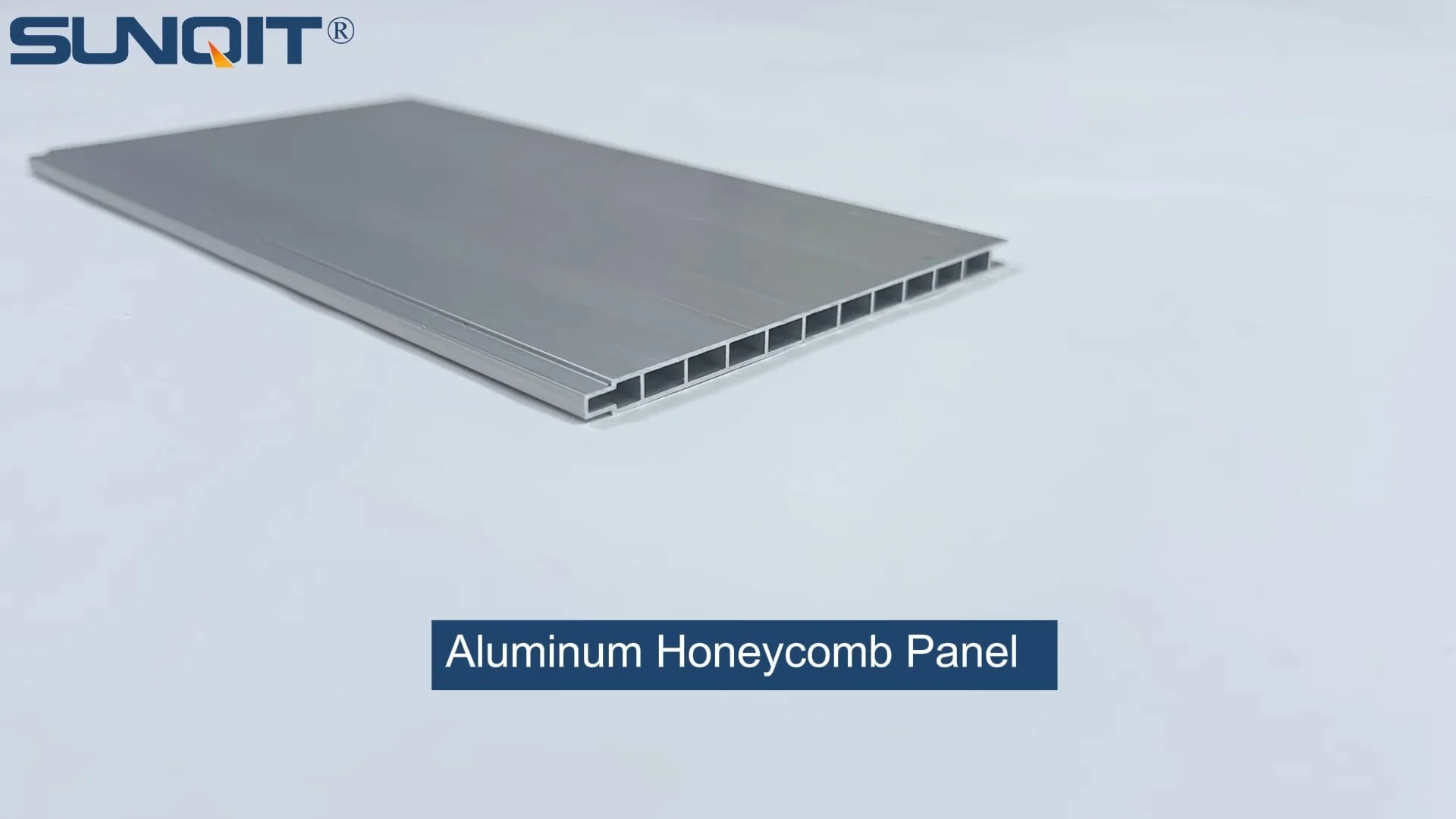
Aluminum Honeycomb Panel
Aluminum honeycomb panel used as table top, side wall, it is connected one pcs by one pcs from the side slot to make a full pieces.This panel width 105mm, 55mm, 35mm are optional for slection.
Walk into any busy warehouse or manufacturing facility, and you'll quickly notice a common sight: material handling carts gliding through aisles, loaded with components, tools, or finished goods. These carts are the backbone of daily operations, bridging gaps between workstations, storage areas, and shipping docks. But for too long, many businesses have relied on carts made from traditional materials—think heavy steel frames, plywood shelves, or flimsy plastic—that often fall short. Steel carts are durable but, making them hard to maneuver and tiring for workers. Wood shelves warp or splinter over time, especially in humid environments. Plastic carts struggle with heavy loads and can crack under stress. It's a cycle of trade-offs that leaves operations managers constantly searching for better solutions.
Enter aluminum honeycomb panels. A material once reserved for aerospace and high-end construction, aluminum honeycomb panels have found their way into material handling, and for good reason. Imagine a cart that's light enough for a single worker to push with ease, yet strong enough to carry hundreds of pounds of machinery parts. A cart that resists rust, won't warp in damp warehouses, and can be customized to fit your exact workflow. That's the promise of aluminum honeycomb panels—and it's why they're rapidly becoming the standard for forward-thinking businesses. Let's unpack the unique properties that make these panels ideal for material handling carts, from their structural brilliance to their real-world impact on efficiency and safety.
Understanding the Basics: What Are Aluminum Honeycomb Panels?
Before diving into their benefits, let's clarify what aluminum honeycomb panels actually are. At first glance, they might look like any other flat panel, but their internal structure is where the magic happens. These panels consist of three key layers: two thin aluminum skins (or "facings") bonded to a central core made of aluminum hexagonal cells—resembling a honeycomb. This design isn't just aesthetic; it's engineered for maximum strength with minimal weight.
The honeycomb core is the star here. By arranging aluminum into a hexagonal grid, manufacturers create a structure that distributes weight evenly across the panel. This geometric pattern is nature's own solution to strength: bees use hexagonal honeycombs because they're the most efficient way to store honey while using the least amount of wax. Similarly, in engineering, the hexagonal shape minimizes material usage while maximizing load-bearing capacity. The thin aluminum skins, often just 0.5mm to 2mm thick, work with the core to resist bending and impact, creating a panel that's both rigid and lightweight.
But aluminum honeycomb panels aren't one-size-fits-all. The size of the honeycomb cells (typically ranging from 6mm to 25mm), the thickness of the skins, and the type of adhesive used to bond the layers can all be adjusted to meet specific needs. For material handling carts, this flexibility is key—whether you need a panel that's ultra-light for easy maneuvering or extra thick for heavy-duty loads, there's a honeycomb panel configuration to match.
The Core Advantages: Why Aluminum Honeycomb Panels Outshine Traditional Materials
To truly appreciate why aluminum honeycomb panels are ideal for material handling carts, let's compare them to the materials they're replacing. From steel to wood to solid aluminum, each has its drawbacks—and aluminum honeycomb panels address them all.
1. Lightweight Without Sacrificing Strength
One of the biggest pain points with traditional material handling carts is weight. A steel cart might be strong, but even an empty steel cart can weigh 50-100 pounds, making it difficult for workers to push, especially over uneven floors or up ramps. This isn't just a productivity issue—it's a safety risk. Heavy carts increase the chance of strains, sprains, or accidents, leading to worker injuries and lost time.
Aluminum honeycomb panels solve this problem by offering exceptional strength-to-weight ratio . Compared to solid steel, they can reduce cart weight by 40-60% while maintaining the same load capacity. For example, a 4ft x 2ft solid steel panel might weigh 35 pounds, but an aluminum honeycomb panel of the same size and strength could weigh as little as 12 pounds. This drastic weight reduction transforms how carts handle: workers can push them with less effort, navigate tight corners more easily, and even lift or reposition smaller carts without strain. In busy warehouses where carts are moved hundreds of times a day, this translates to significant time savings and happier, healthier employees.
But don't mistake "lightweight" for "flimsy." Aluminum honeycomb panels are surprisingly strong. Tests show that a well-designed honeycomb panel can support loads of up to 500 pounds per square foot—more than enough for most material handling needs, from boxes of electronics to small machinery parts. The secret is the honeycomb core, which acts like a series of tiny columns, absorbing and distributing weight evenly across the panel. This means even if you place a heavy object in one corner of the cart, the panel won't bend or warp.
2. Unmatched Durability for Harsh Environments
Material handling carts live tough lives. They're bumped into walls, exposed to dust, moisture, and chemicals, and loaded and unloaded repeatedly. Traditional materials often fail under this abuse: wood warps when wet, steel rusts, and plastic cracks or bends. Aluminum honeycomb panels, however, are built to withstand these harsh conditions.
Aluminum itself is naturally corrosion-resistant. When exposed to air, it forms a thin oxide layer that protects the metal from rust and degradation. This makes aluminum honeycomb panels ideal for use in humid warehouses, food processing facilities (where moisture and cleaning chemicals are common), or even outdoor loading docks. Unlike steel, they won't require painting or coating to prevent rust, reducing maintenance costs over time.
The honeycomb structure also excels at absorbing impact. If a cart bumps into a pallet or a heavy object is dropped on the panel, the hexagonal cells crumple slightly, dissipating energy without damaging the entire panel. This "controlled deformation" prevents cracks or splits, ensuring the panel retains its structural integrity even after repeated impacts. In contrast, solid aluminum or steel panels might dent or bend permanently under the same conditions, rendering the cart unusable.
Another durability bonus: aluminum honeycomb panels are resistant to temperature extremes. They won't expand or contract significantly in hot or cold environments, making them suitable for use in freezers, foundries, or outdoor storage areas. This stability ensures the cart's dimensions stay consistent, so shelves remain level and parts don't shift unexpectedly during transport.
3. Customization to Fit Any Workflow
No two material handling operations are identical. A warehouse moving small electronics needs carts with shallow shelves and dividers, while an auto parts manufacturer might need large, flat carts to transport engine components. Aluminum honeycomb panels shine here because they're incredibly customizable—and they pair perfectly with other modular components like aluminum profile and aluminum profile accessories .
First, aluminum honeycomb panels are easy to cut, drill, and shape. Unlike solid steel, which requires heavy machinery to modify, honeycomb panels can be cut with standard woodworking tools or CNC machines, allowing manufacturers to create panels in any size or shape. Need a cart with a curved shelf to fit around a workstation? No problem. Want a panel with cutouts for cables or hooks? Simple. This flexibility means carts can be tailored to the exact dimensions of the items they'll carry, reducing wasted space and improving organization.
But customization doesn't stop at the panel itself. Aluminum honeycomb panels integrate seamlessly with aluminum extrusion profiles—the modular, T-slot aluminum frames used in everything from workbenches to machine guards. These profiles, often made from 6061 or 6063 aluminum alloys, are lightweight, strong, and compatible with a wide range of accessories: casters, hinges, dividers, and locking mechanisms. By combining honeycomb panels with aluminum profiles, manufacturers can build carts that are both strong and flexible. For example, a turnover trolley and rack used for storing and transporting parts can have honeycomb panel shelves supported by aluminum profile frames, with casters attached via aluminum profile accessories for easy movement. This modular approach also makes it easy to repair or modify carts later: if a shelf gets damaged, you can simply replace the honeycomb panel instead of the entire cart.
Color is another customization option. Aluminum honeycomb panels can be anodized, painted, or covered with a decorative film to match a company's branding or improve visibility in a warehouse. Bright colors like yellow or orange can make carts easier to spot, reducing collision risks, while neutral tones like gray or black can blend in with industrial environments. This might seem like a small detail, but in busy facilities, every bit of visual clarity helps.
4. Cost-Effective Over the Long Haul
At first glance, aluminum honeycomb panels might seem more expensive than wood or steel. It's true: the initial cost of honeycomb panels is higher than plywood or basic steel sheets. But when you factor in the total cost of ownership—including weight savings, durability, and maintenance—they're often the most cost-effective choice.
Let's start with weight savings. A lighter cart requires less energy to move, which reduces worker fatigue and increases productivity. In fact, studies have shown that reducing cart weight by 30% can cut pushing effort by up to 50%, allowing workers to move more carts in less time. Over a year, this adds up to significant labor savings. Lighter carts also put less strain on floors, reducing maintenance costs for warehouse surfaces. And during shipping, lighter carts cost less to transport—whether you're buying carts from a supplier or shipping products on your own carts, lower weight means lower fuel or freight costs.
Durability also translates to cost savings. An aluminum honeycomb panel cart can last 10-15 years with minimal maintenance, compared to 3-5 years for a wood or plastic cart. This longer lifespan means fewer replacements, reducing capital expenditure over time. And when maintenance is needed, it's often simple: a damaged panel can be replaced in minutes, whereas a rusted steel cart might need welding or a complete rebuild.
Finally, aluminum honeycomb panels are recyclable. When a cart reaches the end of its life, the aluminum can be melted down and reused, reducing waste and potentially even earning a small return from recycling centers. In contrast, wood carts often end up in landfills, and steel carts may require costly recycling processes to separate steel from other materials.

Real-World Impact: How Businesses Are Benefiting from Honeycomb Panel Carts
It's one thing to talk about benefits in theory—but seeing how aluminum honeycomb panels perform in real-world settings is where their value truly shines. Let's look at two examples of businesses that switched to honeycomb panel carts and never looked back.
Case Study 1: Automotive Parts Warehouse Boosts Efficiency with Turnover Trolley and Rack
A large automotive parts distributor in the Midwest was struggling with its existing fleet of steel turnover carts. The carts, used to transport brake components and engine parts between storage racks and packing stations, weighed over 80 pounds empty. Workers complained of shoulder and back pain, and the carts were often left unused because they were too hard to push. Productivity was suffering, and the company was seeing an increase in worker compensation claims.
The solution? Switching to turnover trolley and rack units with aluminum honeycomb panel shelves. The new carts, with honeycomb panels supported by aluminum extrusion profiles, weighed just 35 pounds empty—less than half the weight of the steel carts. Despite the lighter weight, the honeycomb panels could still support up to 300 pounds per shelf, more than enough for the parts being transported.
The results were immediate. Workers reported less fatigue, and cart usage increased by 40% as employees no longer avoided moving them. The warehouse saw a 25% reduction in time spent transporting parts, and worker compensation claims related to cart injuries dropped by 60%. The company also noted that the honeycomb panels were easier to clean than the old steel shelves, which had rusted in humid areas, improving compliance with safety standards.
Case Study 2: Electronics Manufacturer Reduces Downtime with Custom Carts
A consumer electronics manufacturer in California needed carts to transport delicate circuit boards between assembly stations. The company's old wooden carts had warped over time, leading to uneven shelves that caused boards to shift and get damaged. Steel carts were too heavy, and plastic carts couldn't support the weight of the board racks.
The manufacturer turned to aluminum honeycomb panels, custom-cut to fit the dimensions of their circuit board racks. The panels were paired with aluminum profile accessories like adjustable dividers and non-slip mats, creating carts that held the boards securely. The honeycomb panels' flat, stable surface prevented warping, and their lightweight design made it easy for workers to maneuver the carts through tight assembly lines.
Within six months, the company saw a 90% reduction in circuit board damage during transport. The carts also required no maintenance—unlike the wooden carts, which had needed regular sanding and refinishing. The modular design even allowed the manufacturer to reconfigure the carts when they introduced a new circuit board size, saving the cost of buying new carts.

Material Comparison: How Aluminum Honeycomb Stacks Up
Still not convinced? Let's put aluminum honeycomb panels head-to-head with other common cart materials in a side-by-side comparison. This table breaks down key factors like weight, strength, durability, and cost to show why honeycomb panels come out on top.
| Material | Weight (4ft x 2ft panel) | Max Load Capacity | Corrosion Resistance | Impact Resistance | Maintenance Needs | Estimated Lifespan |
|---|---|---|---|---|---|---|
| Steel (16-gauge) | 35-40 lbs | 600+ lbs | Poor (rusts without coating) | Good (dents permanently) | High (painting, rust removal) | 5-8 years |
| Plywood (3/4 inch) | 25-30 lbs | 200-300 lbs | Poor (warps when wet) | Poor (splinters, cracks) | High (sanding, refinishing) | 3-5 years |
| Solid Aluminum (1/4 inch) | 20-25 lbs | 400-500 lbs | Excellent | Fair (bends under heavy impact) | Low (occasional cleaning) | 10-12 years |
| Aluminum Honeycomb Panel (20mm thick) | 10-15 lbs | 400-500 lbs | Excellent | Excellent (absorbs impact, no permanent damage) | Very Low (occasional cleaning) | 15-20 years |
As the table shows, aluminum honeycomb panels offer the best of all worlds: they're lighter than steel, plywood, and even solid aluminum, yet they match or exceed their load capacity. They're more durable than wood and steel, require less maintenance, and last longer than any other material. For material handling carts, this combination of benefits is hard to beat.
Beyond the Cart: Other Uses for Aluminum Honeycomb Panels in Material Handling
While material handling carts are a primary application, aluminum honeycomb panels are versatile enough to enhance other material handling equipment, too. For example:
- Workbenches: Honeycomb panels make excellent workbench tops, providing a stable, lightweight surface that resists scratches and impacts. Paired with aluminum profile frames, they create workbenches that are easy to move and customize.
- Shelving Units: Honeycomb panel shelves are lighter than steel shelves, making them ideal for mobile shelving or rack systems where weight is a concern.
- Conveyor Guards: Lightweight yet strong, honeycomb panels can be used as guards around conveyor belts, protecting workers while adding minimal weight to the system.
- Packaging Crates: Reusable shipping crates with honeycomb panel walls are lighter than wooden crates, reducing shipping costs while protecting fragile items.
In each of these applications, the same benefits apply: reduced weight, increased durability, and customization flexibility. It's no wonder aluminum honeycomb panels are becoming a staple in modern material handling operations.
Choosing the Right Aluminum Honeycomb Panel for Your Carts
If you're ready to switch to aluminum honeycomb panels for your material handling carts, there are a few key factors to consider to ensure you get the right panel for your needs:
Load Capacity
Start by calculating the maximum weight the cart will need to carry. This includes the weight of the items plus any dynamic forces (like when the cart is pushed over bumps). Most honeycomb panel suppliers can help you select a panel with the right core size and skin thickness for your load requirements.
Environmental Conditions
Will the cart be used in a humid area? Exposed to chemicals? If so, look for panels with thicker aluminum skins or specialized coatings for extra protection. For cleanrooms or food-grade environments, opt for panels with smooth, easy-to-clean surfaces.
Integration with Existing Equipment
If you're replacing shelves on existing carts, measure the dimensions carefully to ensure the honeycomb panels fit. If you're building new carts, work with a supplier who offers aluminum extrusion profiles and accessories to create a fully integrated system.
Supplier Reputation
Not all honeycomb panels are created equal. Look for suppliers with experience in material handling applications, and ask for test data on load capacity and impact resistance. A reputable supplier will also offer customization options and technical support to help you design the perfect cart.
The Future of Material Handling: Why Honeycomb Panels Are Here to Stay
As businesses continue to prioritize efficiency, safety, and sustainability, aluminum honeycomb panels are poised to become even more popular in material handling. Advancements in manufacturing are making honeycomb panels more affordable, and new adhesives and core designs are improving their performance even further. We're also seeing increased integration with smart technology: honeycomb panels can be embedded with sensors to track cart location or monitor load weights, adding a new layer of intelligence to material handling operations.
Perhaps most importantly, aluminum honeycomb panels align with the growing focus on worker safety. By reducing cart weight and improving ergonomics, they help prevent injuries and create healthier work environments. In an era where employee well-being is a top priority, this alone makes them a worthwhile investment.
Conclusion: Elevate Your Material Handling with Aluminum Honeycomb Panels
Material handling carts may not be the most glamorous part of your operation, but they're critical to keeping things running smoothly. By choosing aluminum honeycomb panels, you're not just upgrading your carts—you're upgrading your entire workflow. Lighter, stronger, more durable, and endlessly customizable, these panels solve the biggest pain points of traditional cart materials while opening up new possibilities for efficiency and safety.
Whether you're running a small warehouse or a large manufacturing plant, the switch to aluminum honeycomb panel carts is an investment that pays off in reduced labor costs, fewer injuries, and improved productivity. And with their long lifespan and recyclability, they're a choice that benefits both your bottom line and the planet.
So, the next time you're evaluating your material handling equipment, ask yourself: Are my carts holding me back? If the answer is yes, it might be time to discover the difference aluminum honeycomb panels can make. Your workers, your productivity, and your bottom line will thank you.