- Company Articles
- Products and Technology
- Product knowledge
- What Makes Corrugated Aluminum Pipe Ideal for Medical Device Assembly?

What Makes Corrugated Aluminum Pipe Ideal for Medical Device Assembly?
Related Product
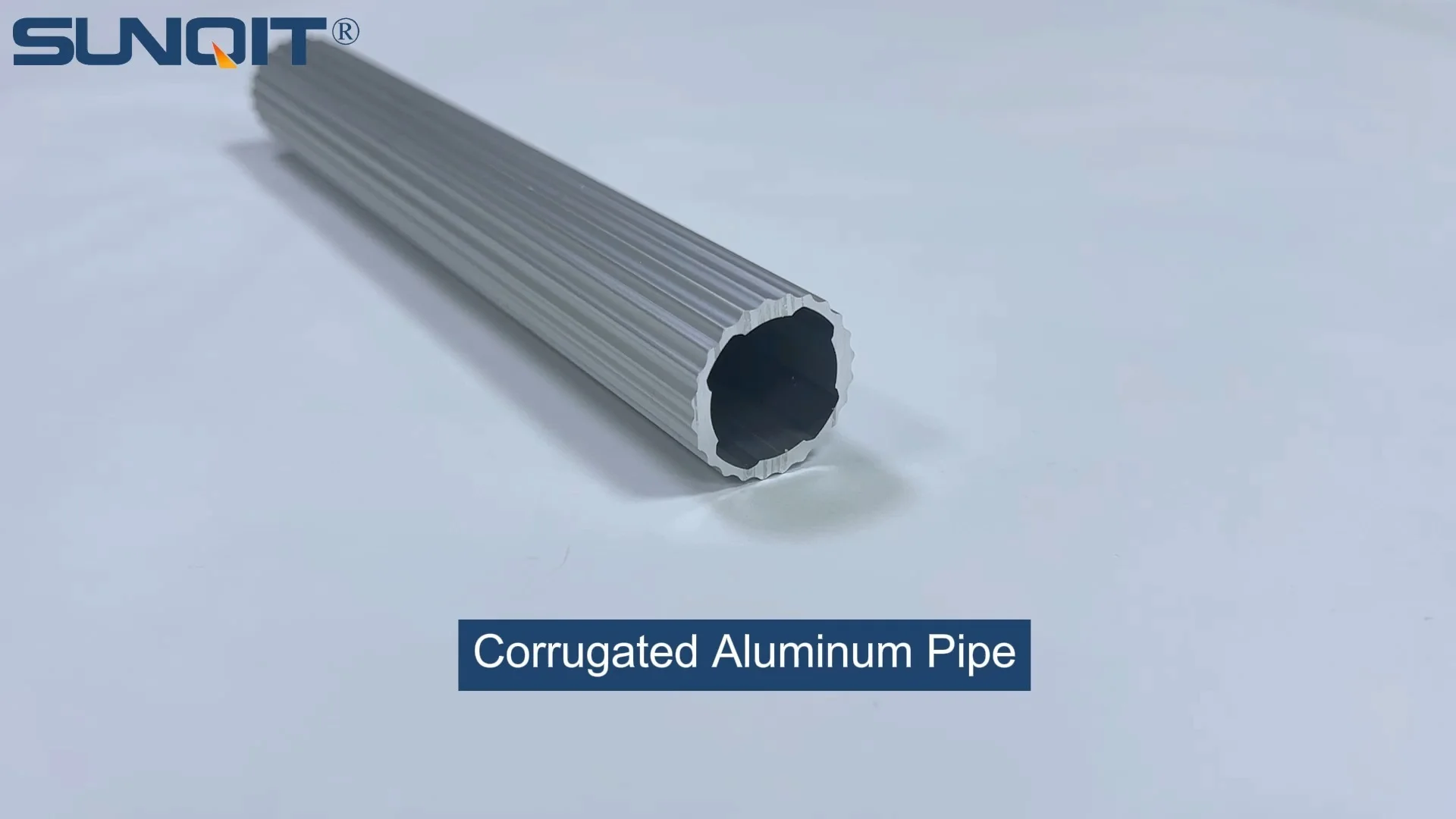
Corrugated Aluminum Pipe
Product Description The slot side is 10mm which can work with a T sliding block for connection accessories Quick Detail Product name Corrugated Aluminum pipe model GLT28-T-3010A Material Science 6005-T6 thickness 1.7mm surface treatment anodic oxidat
In the high-stakes world of medical device assembly, precision isn't just a goal—it's a necessity. Every tool, every workstation, and every component must meet rigorous standards to ensure patient safety, regulatory compliance, and manufacturing efficiency. Among the unsung heroes of this industry is a material that combines durability, flexibility, and sterility in a way few others can: corrugated aluminum pipe. Far more than a simple tube, this specialized component has become a cornerstone of modern medical manufacturing, enabling the creation of workbenches, material racks, and assembly lines that adapt to the unique demands of building life-saving devices. Let's dive into why corrugated aluminum pipe has become indispensable in this critical field, exploring its properties, integration with lean systems, and role in elevating medical assembly workflows.
1. Understanding Corrugated Aluminum Pipe: A Product of Precision Extrusion
To appreciate why corrugated aluminum pipe excels in medical device assembly, we first need to understand what it is and how it's made. At its core, corrugated aluminum pipe is a type of aluminum extrusion profile—meaning it's formed by pushing heated aluminum billets through a die to create a specific cross-sectional shape. What sets it apart is its distinctive corrugated design: a series of parallel ridges and grooves along the pipe's length, which aren't just aesthetic. These corrugations are engineered to enhance structural integrity, flexibility, and grip, making the pipe far more versatile than smooth-walled alternatives.
The aluminum extrusion profile process itself is a marvel of manufacturing precision. By controlling temperature, pressure, and die design, manufacturers can create corrugated pipes with consistent wall thickness, uniform ridge spacing, and exact dimensional tolerances—critical for medical applications where even a fraction of a millimeter can impact performance. The result is a lightweight yet robust component that retains aluminum's natural advantages (corrosion resistance, conductivity, and recyclability) while adding the structural benefits of the corrugated pattern.
Unlike plastic pipes, which can warp under heat or degrade over time, or stainless steel, which is heavy and difficult to modify, corrugated aluminum pipe strikes a balance that's uniquely suited to dynamic environments like medical assembly lines. Its composition—typically high-grade aluminum alloys—ensures it can withstand repeated cleaning, resist chemical exposure, and maintain its shape even under constant use. For medical device manufacturers, this translates to equipment that lasts longer, requires less maintenance, and minimizes downtime.
2. Key Properties That Make It a Medical Assembly Standout
Medical device assembly isn't just about building products—it's about building them in environments that prioritize sterility, reliability, and adaptability. Corrugated aluminum pipe checks all these boxes, thanks to a set of properties that address the industry's most pressing challenges:
Sterility: A Non-Negotiable for Patient Safety
In medical manufacturing, sterility is non-negotiable. Even minor contamination can compromise a device's safety, leading to regulatory violations or, worse, patient harm. Aluminum's inherent properties make it ideal here: it's non-porous, meaning it doesn't harbor bacteria, viruses, or mold in tiny crevices. Unlike wood (which absorbs moisture) or some plastics (which can develop microcracks over time), corrugated aluminum pipe provides a smooth, sealed surface that's easy to clean and disinfect. Whether wiped down with alcohol, steamed, or exposed to harsh chemical cleaners, the pipe resists degradation, ensuring workbenches and material racks remain sanitary shift after shift.
Durability Without the Weight
Medical assembly lines are high-traffic areas, with tools, components, and personnel constantly moving. Equipment must withstand bumps, vibrations, and regular use without bending, breaking, or deforming. Corrugated aluminum pipe delivers here, too. The corrugated design acts as a series of internal reinforcements, distributing stress evenly along the pipe's length and preventing bending or warping under load. This makes it strong enough to support heavy workbenches, shelving, or overhead racks—yet it remains lightweight, so assembly lines can be reconfigured without requiring heavy machinery or excessive labor.
Flexibility for Evolving Production Needs
Medical device manufacturing is rarely static. New devices are developed, production volumes fluctuate, and regulatory requirements change—all of which demand assembly lines that can adapt quickly. Corrugated aluminum pipe's modularity is a game-changer here. Thanks to its compatibility with aluminum profile accessories like joints, clamps, and brackets, it can be easily cut, connected, and reconfigured to build custom workstations, material feeders, or flow racks. Need to add a new shelf to a workbench? Swap out a section of pipe. Adjust the height of a component holder? Loosen a joint, reposition, and tighten. This flexibility eliminates the need for custom fabrication or expensive tooling changes, allowing manufacturers to respond to shifts in demand or design in days, not weeks.
Chemical and Corrosion Resistance: Standing Up to Medical Cleanliness Protocols
Medical assembly areas are cleaned rigorously, often with strong disinfectants, solvents, or steam. Materials that can't withstand these treatments risk degradation, which not only shortens their lifespan but can also introduce contaminants (like flaking plastic or rust) into the production environment. Corrugated aluminum pipe, however, is inherently resistant to corrosion and chemical attack. Aluminum forms a thin, protective oxide layer when exposed to air, which prevents rust and repels most common cleaning agents—from isopropyl alcohol to hydrogen peroxide. This means the pipe can be sanitized repeatedly without losing structural integrity, ensuring long-term reliability in even the most stringent cleanroom settings.

3. Integration with Lean Systems: Streamlining Medical Manufacturing
In today's medical device industry, efficiency isn't just about speed—it's about eliminating waste, reducing errors, and maximizing value. This is where lean systems come into play, and corrugated aluminum pipe has emerged as a key enabler of lean principles in assembly. Lean manufacturing, with its focus on continuous improvement, 5S (Sort, Set in Order, Shine, Standardize, Sustain), and waste reduction, thrives on tools that support flexibility, organization, and adaptability—all areas where corrugated aluminum pipe shines.
Modular Workstations: The Foundation of Lean Assembly
At the heart of many lean medical assembly lines are modular workstations built using corrugated aluminum pipe and aluminum profile accessories. Unlike fixed, one-size-fits-all workbenches, these setups can be tailored to specific tasks, ensuring tools, components, and documentation are always within reach (a cornerstone of the "Set in Order" step of 5S). For example, a workstation assembling small surgical tools might feature a corrugated pipe frame with adjustable shelves, tool hooks, and a tilted work surface—all connected via quick-release joints that allow operators to reposition elements as needed. If the production line switches to a larger device, the same frame can be modified with longer pipes, additional brackets, or new accessories, avoiding the cost of buying a workstation.
This modularity also supports "cellular manufacturing," a lean approach where teams work in self-contained cells focused on specific product lines. Corrugated aluminum pipe makes it easy to design cells that minimize movement (reducing transportation waste), keep inventory low (lowering inventory waste), and standardize workflows (cutting down on motion waste). By aligning the physical workspace with lean goals, manufacturers can reduce cycle times, improve quality, and boost employee satisfaction—all critical in an industry where every second and every detail counts.
Adapting to Change: Supporting Continuous Improvement
Lean systems aren't static; they require ongoing evaluation and adjustment. Corrugated aluminum pipe's flexibility makes it ideal for this "continuous improvement" mindset. For instance, if a team identifies that a material rack is causing bottlenecks (a form of waiting waste), they can quickly reconfigure the rack using corrugated pipes and new aluminum profile accessories—adding more shelves, adjusting heights, or tilting levels to improve access. This ability to experiment and iterate without major investments ensures that the assembly line evolves alongside best practices, rather than being held back by rigid infrastructure.
Even better, corrugated aluminum pipe's lightweight nature makes it easy for teams to participate in these improvements directly. Unlike heavy steel racks that require forklifts to move, operators can adjust pipe-based structures manually, empowering frontline workers to take ownership of their workspace—a key driver of engagement and innovation in lean environments. In this way, the pipe doesn't just support lean systems; it fosters a culture of continuous improvement, where everyone has the tools to make the line better.
4. Aluminum Profile Accessories: Enhancing Functionality, One Component at a Time
Corrugated aluminum pipe is powerful on its own, but its true potential is unlocked when paired with the right aluminum profile accessories. These small, often overlooked components—joints, clamps, brackets, and end caps—turn basic pipes into fully functional systems that meet the unique needs of medical device assembly. Let's explore some of the most common accessories and how they enhance corrugated pipe's utility in this field:
| Accessory Type | Function | Medical Assembly Application |
|---|---|---|
| 90° Aluminum Pipe Joints | Connect two corrugated pipes at a right angle, enabling the creation of rigid frames or corners. | Building the vertical and horizontal supports of workbenches or material racks, ensuring stability in cleanrooms. |
| Swivel Clamps | Secure pipes to surfaces (like walls or tables) while allowing 360° rotation for adjustable positioning. | Mounting tool holders or component bins on workbenches, letting operators angle tools for optimal access. |
| Adjustable Shelf Brackets | Attach shelves to pipe frames, with height-adjustable notches for quick reconfiguration. | Creating multi-level storage on assembly line racks, organizing components by size or assembly step. |
| End Caps | Seal the ends of corrugated pipes to prevent dust, debris, or liquids from entering. | Maintaining sterility in cleanrooms by eliminating crevices where contaminants could accumulate. |
| Anti-Slip Foot Pads | Attach to the base of pipe frames to prevent sliding and protect floor surfaces. | Stabilizing mobile workbenches during assembly, ensuring precision when handling delicate medical components. |
These accessories transform corrugated aluminum pipe from a passive material into an active tool for problem-solving. For example, in a facility assembling pacemakers—where components are tiny and precision is critical—operators might use swivel clamps to position magnifying lamps above the workbench, adjusting the angle as needed. Adjustable shelf brackets could hold bins of screws, wires, and sensors at eye level, reducing the need for operators to bend or reach (minimizing motion waste). End caps ensure no dust collects inside the pipes, maintaining the cleanroom's ISO Class 7 rating. Together, the pipe and its accessories create a system that's not just functional, but tailored to the unique demands of medical device assembly.
5. Real-World Impact: Corrugated Aluminum Pipe in Action
To truly grasp corrugated aluminum pipe's value, let's look at how it's used in real medical assembly scenarios. Consider a manufacturer of diagnostic equipment, such as blood glucose monitors. These devices require hundreds of small parts—circuit boards, sensors, displays, and casings—to be assembled with pinpoint accuracy. The assembly line here might feature a series of workbenches built from corrugated aluminum pipe, each configured for a specific step in the process:
- Component Preparation Station: A pipe frame with adjustable shelves holds bins of circuit boards and sensors, secured with end caps to prevent dust. Swivel clamps attach electrostatic discharge (ESD) mats to the work surface, protecting sensitive electronics from static damage.
- Assembly Workbench: A corrugated pipe frame with a lightweight aluminum honeycomb top, where operators use precision tools to solder components. Adjustable brackets hold tool organizers, keeping tweezers, soldering irons, and flux pens within arm's reach (supporting 5S "Set in Order").
- Testing Station: A pipe-based rack with tilted shelves, where assembled monitors are connected to testing equipment. Anti-slip foot pads keep the rack stable, ensuring consistent test results even during high-volume production.
In this setup, the corrugated aluminum pipe's modularity allows the manufacturer to scale production up or down by adding or removing workstations, while its durability ensures the frames remain stable and sterile for years. When the company introduces a new monitor model with larger casings, they simply swap out shorter pipes for longer ones and adjust the shelf heights—no need to replace the entire workstation.
Another example is a surgical instrument manufacturer, where corrugated aluminum pipe is used to build mobile material carts. These carts, with pipe frames and plastic roller track guide rails (grey or yellow, depending on component type), transport sterilized instruments from the autoclave to assembly lines. The corrugated pipes' lightweight design makes the carts easy to maneuver, while their chemical resistance ensures they stand up to frequent cleaning with hospital-grade disinfectants. When instrument sizes change, the carts can be reconfigured with new brackets or additional rails, avoiding the cost of purchasing new equipment.
6. Why Corrugated Aluminum Pipe Beats Alternatives in Medical Assembly
To fully appreciate corrugated aluminum pipe's role in medical device assembly, it's helpful to compare it to other common materials used in manufacturing:
- Plastic Pipes: While lightweight and cheap, plastic lacks aluminum's durability and chemical resistance. It can warp under heat, degrade when exposed to disinfectants, and harbor bacteria in scratches—making it unsuitable for cleanroom use.
- Stainless Steel Pipes: Stainless steel is strong and corrosion-resistant but is heavy, expensive, and difficult to modify. Reconfiguring a stainless steel workstation requires welding or specialized tools, which is time-consuming and costly in dynamic medical environments.
- Wooden Frames: Wood is porous, absorbs moisture, and can splinter—all major drawbacks in sterile settings. It also lacks the load-bearing capacity of corrugated aluminum, limiting its use in heavy-duty applications.
Corrugated aluminum pipe, by contrast, offers the best of all worlds: the lightweight flexibility of plastic, the durability of stainless steel, and the sterility of non-porous materials—all at a competitive price point. For medical device manufacturers, this balance translates to lower total cost of ownership (fewer replacements, less maintenance), faster time to market (quicker reconfigurations), and better compliance with regulatory standards (easier sterility documentation).
7. The Future: Innovations in Corrugated Aluminum Pipe for Medical Manufacturing
As medical device technology advances, so too does the demand for more sophisticated assembly tools. Corrugated aluminum pipe is evolving to meet these needs, with manufacturers developing new innovations like:
- Enhanced Surface Treatments: New anodization processes create thicker, more durable oxide layers, improving scratch resistance and making the pipe even easier to clean—critical for next-generation cleanrooms.
- Integrated Smart Features: Some manufacturers are experimenting with embedding RFID tags or sensors into corrugated pipes, allowing teams to track workstation usage, monitor temperature/humidity, or trigger maintenance alerts when components wear—further supporting lean predictive maintenance.
- Eco-Friendly Alloys: With sustainability becoming a priority in medical manufacturing, new aluminum alloys with higher recycled content are being used to produce corrugated pipes, reducing the carbon footprint of assembly lines without sacrificing performance.
These innovations ensure that corrugated aluminum pipe will remain a cornerstone of medical device assembly for years to come, adapting to new technologies and regulatory requirements as the industry evolves.
Conclusion: Corrugated Aluminum Pipe—A Quiet Catalyst for Medical Manufacturing Excellence
In the world of medical device assembly, where precision, sterility, and efficiency are non-negotiable, corrugated aluminum pipe has emerged as more than just a component—it's a catalyst for excellence. Its unique combination of properties—lightweight strength, chemical resistance, flexibility, and compatibility with aluminum profile accessories—makes it ideal for building the modular, lean workstations that power modern medical manufacturing. By enabling quick reconfigurations, supporting 5S and continuous improvement, and standing up to the rigors of cleanroom protocols, corrugated aluminum pipe helps manufacturers produce safer, higher-quality devices while reducing waste and costs.
As medical technology advances and demands on assembly lines grow, the role of corrugated aluminum pipe will only become more critical. It's a testament to the power of thoughtful material design: sometimes, the most impactful innovations aren't the flashy new devices, but the quiet tools that make creating them possible. For medical device manufacturers, investing in corrugated aluminum pipe isn't just a choice—it's a commitment to excellence, patient safety, and the future of healthcare manufacturing.