- Company Articles
- Products and Technology
- Product knowledge
- What Makes Heavy Duty Split Foot Seats Ideal for High-Load Environments?

What Makes Heavy Duty Split Foot Seats Ideal for High-Load Environments?
Related Product
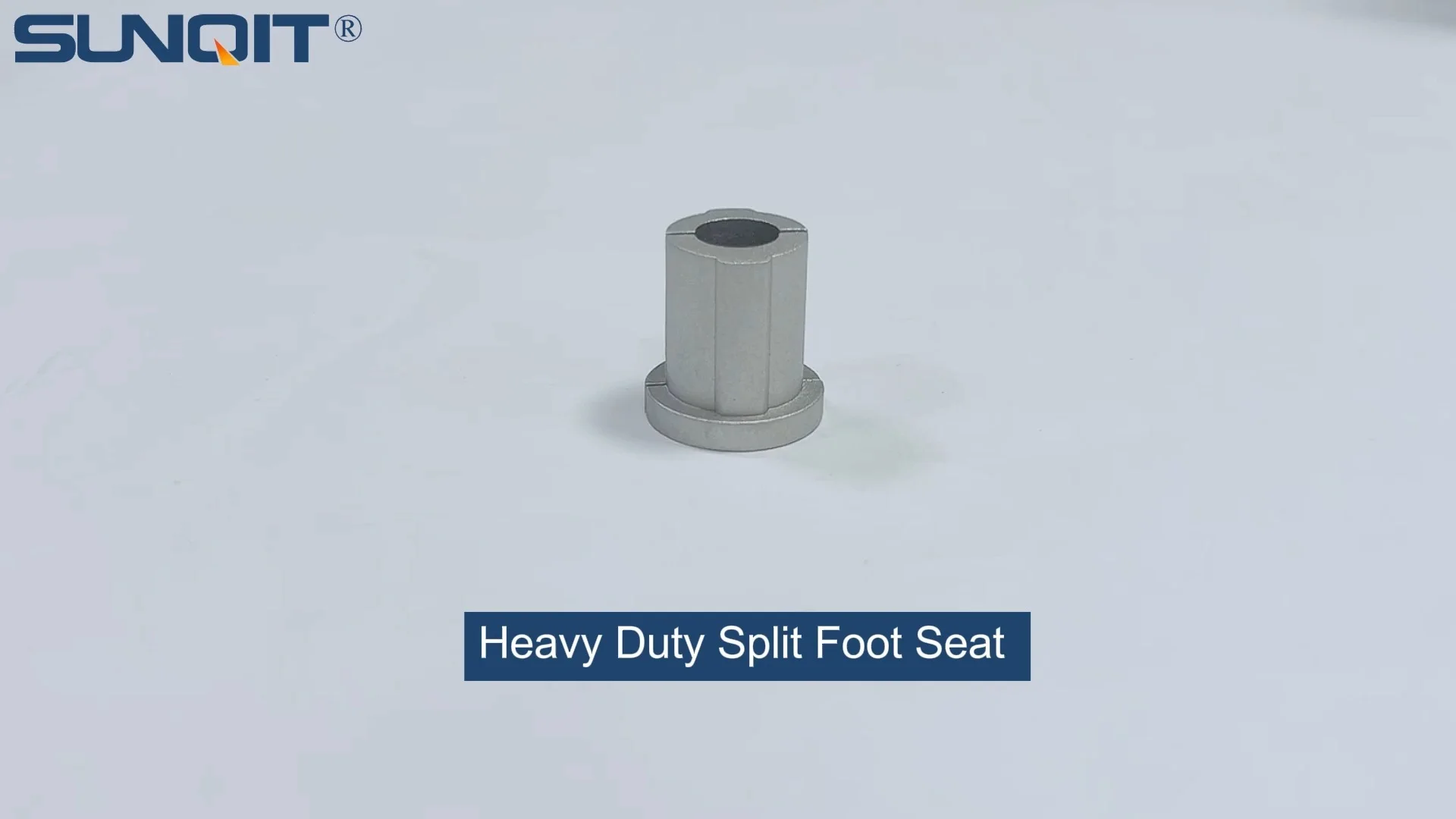
Heavy Duty Split Foot Seat
M10 aluminum heavy duty split foot deat with foot adjuster for workbench and flow rack.
Walk into any busy manufacturing plant, warehouse, or assembly line, and you'll see a symphony of motion: workers hustling to meet deadlines, conveyor belts carrying heavy components, and workbenches groaning under the weight of tools, materials, and half-finished products. In these high-stakes environments, every piece of equipment must perform reliably—especially the parts you don't always notice. Enter heavy duty split foot seats: unassuming, yet critical components that keep workspaces stable, safe, and productive. Let's dive into why these underrated heroes are indispensable for high-load environments.
First Things First: What Are Heavy Duty Split Foot Seats?
At their core, heavy duty split foot seats are support components designed to anchor and stabilize structures like workbenches, material racks, and conveyor systems. Unlike standard single-piece foot seats, their "split" design features two separate, parallel feet connected by a sturdy base. Think of them as the foundation of a building—quietly bearing the load so everything above can function without wobbling, shifting, or collapsing.
You'll find them in places where weight matters most: under a workbench in an automotive assembly line holding 300kg of tools and parts, at the base of a material rack stacked with metal sheets, or supporting a roller track that moves crates of inventory across a warehouse. Their job? Distribute weight evenly, absorb vibrations, and keep equipment level—even when the floor beneath isn't perfectly flat.
The Science of Stability: Design Features That Make Them Tough
What sets heavy duty split foot seats apart from flimsier alternatives? It starts with intentional design. Let's break down the key features that make them thrive in high-load settings:
1. Weight Distribution: The "Split" Advantage
The "split" in their name isn't just a design quirk—it's a engineering solution. By dividing the load across two separate feet (instead of one), these seats reduce stress on any single point. Imagine balancing a heavy box on one foot versus two: the latter feels steadier, right? The same logic applies here. For example, a material rack loaded with 1,000kg of goods will put less strain on the floor and its own frame when supported by split foot seats, as the weight spreads across a wider area. This minimizes the risk of cracks in concrete floors or bending in the rack's legs over time.
2. Material Matters: Built to Bear the Burden
High-load environments demand materials that laugh in the face of wear and tear. Most heavy duty split foot seats are crafted from robust metals like steel or aluminum alloy—materials chosen for their tensile strength and resistance to corrosion. Take aluminum profile variants, for instance: aluminum's lightweight yet durable nature makes it ideal for applications where portability (yes, even for heavy equipment!) matters, while its natural resistance to rust ensures longevity in humid or dusty settings like food processing plants or outdoor warehouses.
Some models even feature reinforced bases or rubberized pads on the bottom. These pads aren't just for grip—they act as shock absorbers, dampening vibrations from nearby machinery or foot traffic. Over time, this reduces wear on both the seat and the equipment it supports, extending their lifespan.
3. Adjustability: Adapting to Imperfect Floors
Let's be real: Few factory floors are perfectly level. Cracks, uneven concrete, or wear from years of use can create small (but problematic) dips and bumps. Heavy duty split foot seats solve this with adjustable threads or bolts that let workers tweak the height of each foot independently. This means even if one side of a workbench sits on a slight incline, the split seats can compensate, keeping the surface level and stable. No more wobbly tools sliding off tables or unevenly distributed weight causing stress fractures in equipment frames.

Why They Outshine Standard Foot Seats: A Side-by-Side Comparison
To truly appreciate heavy duty split foot seats, it helps to see how they stack up against standard, single-piece foot seats. The table below breaks down their key differences in real-world terms:
| Feature | Standard Single-Piece Foot Seats | Heavy Duty Split Foot Seats |
|---|---|---|
| Typical Load Capacity | Up to 200kg per seat | 500kg+ per seat |
| Weight Distribution | Concentrated on one point; higher risk of floor damage | Spread across two points; reduces floor stress |
| Stability on Uneven Floors | Limited adjustability; prone to wobbling | Independent height adjustment for each foot; stays level |
| Material Durability | Often plastic or lightweight metal; prone to cracking under strain | Steel or aluminum alloy; resistant to bending and corrosion |
| Ideal Use Case | Light-duty workbenches, small shelving | Heavy assembly lines, material racks, conveyor systems |
As the table shows, split foot seats aren't just "better"—they're built for a different league of stress. In environments where a single equipment failure can halt production or put workers at risk, that difference matters.

Real-World Impact: Where Split Foot Seats Shine Brightest
It's one thing to talk about specs, but let's ground this in real scenarios. Here are three high-load environments where heavy duty split foot seats prove their worth:
1. Automotive Assembly Lines: Supporting Precision Under Pressure
Automotive plants are a masterclass in high-load chaos. Workbenches here hold everything from engine blocks (weighing 200kg+) to stacks of metal panels. A single misalignment or wobble could throw off a critical assembly step, leading to defective parts or delays. Heavy duty split foot seats keep these workbenches rock-steady, even when workers lean on them, tools drop, or parts are slammed into place. Their adjustability also ensures that precision tools—like torque wrenches or alignment jigs—stay level, so measurements are accurate and consistent.
2. Warehousing and Material Handling: Taming Towering Loads
Warehouses often stack pallets of goods 10+ feet high on material racks. The base of these racks bears the cumulative weight of hundreds of kilograms of inventory. Standard foot seats might buckle under that pressure over time, leading to rack collapse (a nightmare scenario for safety and inventory loss). Split foot seats, with their dual-foot design, distribute this weight across a wider area, reducing the risk of rack legs bending or sinking into the floor. Even better, their corrosion-resistant materials stand up to the humidity and temperature fluctuations common in large warehouses.
3. Lean Manufacturing Systems: Aligning with Efficiency Goals
Lean manufacturing is all about minimizing waste—whether that's time, materials, or downtime. A lean system relies on every component working in harmony, and unstable equipment is a major waste generator. If a conveyor belt supported by weak foot seats shifts, products might jam, stopping the line. If a workbench wobbles, workers slow down to avoid mistakes. Heavy duty split foot seats prevent these issues by keeping equipment stable and aligned, so the entire system runs smoothly. They're a small investment that pays off in big efficiency gains.

Beyond Durability: Safety and Worker Confidence
Stability isn't just about equipment—it's about people. A wobbly workbench or leaning material rack puts workers at risk of strains, trips, or falling objects. Heavy duty split foot seats create a sense of security: When a worker knows their workspace won't shift, they can focus on their task instead of worrying about accidents. This confidence translates to faster, more precise work and lower turnover (no one wants to work in a space that feels unsafe).
Consider this: A study by the Occupational Safety and Health Administration (OSHA) found that 25% of workplace injuries in manufacturing are due to unstable equipment. By upgrading to split foot seats, companies can slash that risk, protecting their team and avoiding costly workers' compensation claims.
Choosing the Right Split Foot Seats: Key Considerations
Not all split foot seats are created equal. To find the best fit for your environment, ask these questions:
- What's your maximum load? Check the weight of the equipment and materials it will support, then choose seats with a load capacity 20% higher (to account for unexpected stress).
- What's the floor like? If your space has uneven concrete or frequent temperature changes, prioritize seats with adjustable threads and corrosion-resistant materials.
- What's the equipment's purpose? A stationary workbench might need basic split seats, while a mobile trolley (yes, some use split seats too!) could benefit from swivel-compatible models.
- Do you need compatibility with existing systems? If you're using aluminum profile frames or specific roller track setups, look for split seats designed to attach seamlessly to those components.
Pro tip: Work with a supplier who specializes in high-load components. They can help you calculate load requirements, recommend materials, and even customize seats for unique setups.
Maintenance: Keeping Your Split Foot Seats in Top Shape
Even the toughest components need a little care. Here's how to extend the life of your heavy duty split foot seats:
- Inspect regularly: Check for cracks, loose bolts, or worn rubber pads monthly. Tighten bolts and replace pads at the first sign of wear.
- Clean them off: Dust, grease, and debris can hide damage or cause slipping. Wipe seats down with a damp cloth during routine equipment cleaning.
- Lubricate adjusters: If your seats have adjustable threads, apply a light machine oil twice a year to keep them easy to tweak.
- replace when needed: Even the best seats wear out. If you notice persistent wobbling (despite adjustments) or visible damage, swap them out immediately—don't risk a failure.
Conclusion: The Quiet Foundation of High-Performance Workspaces
Heavy duty split foot seats might not grab headlines, but they're the backbone of high-load environments. They turn shaky workbenches into steady workstations, rickety racks into reliable storage, and chaotic lines into streamlined systems. By distributing weight, adapting to imperfect floors, and standing up to years of abuse, they solve real problems for workers and businesses alike—reducing downtime, boosting safety, and making every day on the job a little more manageable.
So the next time you walk through a busy manufacturing floor or warehouse, take a moment to look down. Chances are, under that workbench or beside that conveyor, a heavy duty split foot seat is hard at work—quietly, reliably, and absolutely essential.