- Company Articles
- Products and Technology
- Product knowledge
- What Size Plastic Pipe End Cap Do You Need? A Practical Measurement Guide

What Size Plastic Pipe End Cap Do You Need? A Practical Measurement Guide
Related Product
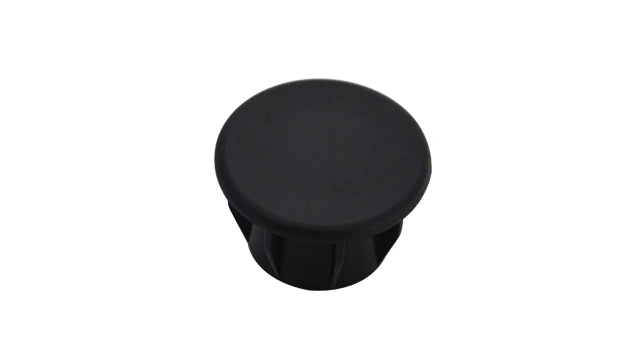
Plastic pipe end cap
Plastic pipe cover, used for 28mm two end cover and protection, to avoid any scratch from sharp metal surface.
Small but mighty, plastic pipe end caps are the unsung heroes of workshop setups, production lines, and DIY projects. Learn how to measure accurately, avoid common mistakes, and find the perfect fit for your lean pipe, aluminum pipe, or workbench frames.
Why Bother with Plastic Pipe End Caps?
Let's start with the basics: Why do you even need plastic pipe end caps? Sure, they might seem like an afterthought when you're busy building a workbench, assembling a material rack, or setting up a lean production system. But trust me—skipping them is a mistake I've seen cost both time and money.
First, safety . Exposed pipe ends are sharp. Whether it's a lean pipe in a factory or an aluminum pipe frame in your garage, those raw edges can snag clothes, scratch hands, or even trip someone if they're low to the ground. I once worked with a small manufacturer that skipped end caps on their turnover trolleys; within a month, two employees had torn their uniforms, and one even got a minor cut. A $2 end cap would've prevented all that.
Second, protection . Pipes—especially lean pipe with PE coating or aluminum pipe—are prone to damage at the ends. Dust, moisture, and debris can seep into open pipes, causing rust (for metal cores) or weakening the structural integrity over time. End caps seal those ends, keeping your pipes clean and extending their lifespan.
Third, finish . Let's be honest: A workbench or material rack with jagged, unfinished pipe ends looks unprofessional. Whether you're building for your garage or a client's production line, plastic end caps give projects a polished, intentional look. They come in colors like yellow, grey, or black, so you can even match them to your workspace aesthetic.
So, yeah—end caps matter. Now, the big question: How do you make sure you're buying the right size?
Know Your Pipes: Lean Pipe vs. Aluminum Pipe
Before you grab a tape measure, it helps to know what kind of pipe you're working with. The two most common types in workshops and factories are lean pipe and aluminum pipe —and they behave differently when it comes to end caps.
Lean Pipe: The Flexible Workhorse
Lean pipe (sometimes called "lean tube") is a staple in lean manufacturing systems, garages, and small-scale production lines. It's typically made of a steel core coated with polyethylene (PE), which gives it a smooth, durable finish. Lean pipe comes in different thicknesses: 1.0mm, 1.2mm, 1.5mm, or 2.0mm PE coating, with the steel core diameter usually around 28mm (though this can vary by supplier).
What does this mean for end caps? The PE coating adds extra thickness to the pipe's outer diameter (OD). So if you measure a 1.5mm PE coated lean pipe, the OD won't just be the steel core's 28mm—it'll be 28mm + (2 x 1.5mm) = 31mm (since coating is on both sides). That extra 3mm can make or break whether an end cap fits.
Aluminum Pipe: Sleek and Lightweight
Aluminum pipe (or aluminum profile) is another popular choice, especially for workbenches, shelving, and frames where weight matters. Unlike lean pipe, aluminum pipe is often uncoated (though some have anodized finishes for corrosion resistance) and comes in standardized profiles, like 2020, 3030, or 4040 (the numbers refer to width and height in millimeters). For example, a 4040 aluminum profile is 40mm wide and 40mm tall, with a hollow center.
Aluminum pipe OD is usually consistent because it's extruded, meaning less variation than lean pipe. But here's the catch: Some aluminum pipes have "T-slots"—grooves along the sides for attaching accessories. These slots don't affect the OD, but they can make the pipe's edges slightly uneven, so you'll still want to measure carefully.
Other Pipes to Consider
While lean and aluminum pipes are the most common, you might also encounter stainless steel pipe series or basic aluminum tubes. The measurement rules we'll cover apply to these too—just note that stainless steel is often thicker-walled, so OD measurements will be larger than the inner diameter (ID).

Tools You'll Need (No Fancy Equipment Required)
You don't need a professional engineer's toolkit to measure pipe ends. In fact, you probably have most of these items at home or in your workshop. Here's what I recommend:
- Digital calipers : These are game-changers. They measure to the nearest 0.01mm, which is crucial for tight-fitting end caps. You can pick up a basic pair for $20–$30 online—worth every penny.
- Metal tape measure : Cloth tape measures stretch, so stick with metal. Look for one with metric units (millimeters) since most pipes and end caps are sized in mm.
- Straight edge : A ruler or yardstick to check if the pipe end is flat (dented or bent ends can throw off measurements).
- Pencil and paper : Jot down measurements—memory is unreliable, especially if you're measuring multiple pipes.
- Flashlight : For checking inside the pipe (if you need to measure ID) or spotting dents in dim workshops.
Pro tip: If you don't have digital calipers, a pair of vernier calipers works too—just practice reading them first. I've seen DIYers use a string to measure circumference, then divide by π (3.14) to get OD, but that's error-prone. Stick with calipers if possible.

Step-by-Step Measurement Guide: Get the Right Fit Every Time
Measuring pipe ends isn't rocket science, but it does require precision. Follow these steps, and you'll avoid the "close enough" trap that leads to returns and frustration.
Step 1: Measure the Outer Diameter (OD) – The Most Critical Step
1
Plastic pipe end caps are almost always designed to fit over the pipe, so the outer diameter (OD) is your primary measurement. Here's how to do it:
- Clean the pipe end first. Wipe off dirt, grease, or rust—debris can add false thickness.
- Place the calipers around the pipe, making sure the jaws are perpendicular to the pipe's length (not slanted). Tighten gently—you want a snug fit, not so tight that you (deform) the pipe.
- Read the measurement. For example, a standard 28mm steel core lean pipe with 1.5mm PE coating should measure ~31mm OD.
- Measure at 2–3 points around the pipe. Pipes can be slightly oval (especially if they're bent or cheaply made). Take the average of the measurements to ensure accuracy.
Example: I measured a lean pipe at three points: 30.8mm, 31.0mm, 31.1mm. Average = (30.8 +31.0 +31.1)/3 = 30.97mm. Round up to 31mm—that's my target OD for the end cap.
Step 2: Check the Inner Diameter (ID) (For insert-Style Caps)
2
Most end caps are "slip-on" (fit over OD), but some are "insert-style" (fit inside the pipe). These are rare for lean or aluminum pipe, but if you're unsure, measure the inner diameter (ID) too:
- insert the caliper jaws into the pipe end, centering them as much as possible.
- Open the jaws until they touch the inner walls, then read the measurement.
- Note: ID is only relevant if the end cap is designed to plug the pipe from the inside. If you're buying slip-on caps, ignore ID.
Step 3: Account for Pipe Thickness and Coating
3
Remember that lean pipe has a PE coating? That adds thickness to the OD. For example:
- Steel core OD: 28mm
- PE coating thickness: 1.5mm (one side)
- Total OD: 28mm + (1.5mm x 2) = 31mm
Aluminum pipe is usually uncoated, but if it has an anodized layer (a thin protective coating), it adds ~0.01mm—negligible for end cap sizing. Still, measure the OD to be safe—some manufacturers skimp on coating thickness.
Step 4: Check Pipe End Condition
4
A dented, bent, or crushed pipe end will ruin your measurement. Use a straight edge to check if the end is flat: Hold the ruler against the pipe end—if there's a gap, the end is warped. You can gently hammer it flat (for metal pipes) or cut a new end with a pipe cutter before measuring.
Example: I once measured a lean pipe that had been dropped—the end was slightly crushed, making the OD 29mm instead of 31mm. If I'd bought a 29mm cap, it would've been too loose on the undamaged part of the pipe. Fix the end first, then measure.
Standard Sizes: Lean Pipe and Aluminum Pipe Chart
To save you time, I've compiled common OD measurements for lean pipe and aluminum pipe, along with recommended end cap sizes. Keep in mind these are averages— always measure your own pipes to confirm, as suppliers can vary.
| Pipe Type | Standard OD (mm) | Recommended End Cap Size (mm) | Common Applications |
|---|---|---|---|
| 1.0mm PE Coated Lean Pipe | 28mm (core) + 2mm (coating) = 30mm | 30mm | Light-duty shelves, small workbenches |
| 1.5mm PE Coated Lean Pipe | 28mm + 3mm = 31mm | 31mm | Standard workbenches, material racks, turnover trolleys |
| 2.0mm PE Coated Lean Pipe | 28mm + 4mm = 32mm | 32mm | Heavy-duty production lines, industrial racks |
| 3030 Aluminum Profile | 30mm x 30mm (square) | 30mm square cap | Light workbenches, display racks |
| 4040 Aluminum Profile | 40mm x 40mm (square) | 40mm square cap | Standard workbenches, assembly lines |
| Basic Aluminum Tube (Round) | 25mm, 32mm, or 40mm (varies by supplier) | Match OD (e.g., 25mm cap for 25mm OD tube) | Hand trolleys, lightweight frames |
Note: Square aluminum profiles (like 3030 or 4040) need square end caps, while round lean pipe needs round caps. Mixing shapes is a common mistake—don't buy a round cap for a square pipe!
Common Mistakes to Avoid (I've Made Them All)
Even with careful measuring, mistakes happen. Here are the ones I see most often—and how to steer clear:
Mistake #1: Measuring ID Instead of OD
This is the biggest culprit. A new DIYer once asked me, "Why does my 28mm end cap fit over my lean pipe?" Because they measured the steel core's ID (28mm) instead of the total OD (31mm). The cap was way too loose. Always confirm: slip-on caps = OD, insert caps = ID.
Mistake #2: Ignoring Pipe Deformation
Dents, bends, or bulges at the pipe end will make your OD measurement too small or too large. For example, a pipe with a bulge might measure 32mm at one spot and 31mm at another. Fix the end first (hammer flat, cut with a pipe cutter) before measuring.
Mistake #3: Rounding Down (When You Should Round Up)
If your measurement is 30.8mm, round up to 31mm. End caps are flexible (plastic), so a 31mm cap will stretch slightly to fit a 30.8mm pipe. Rounding down (to 30mm) will result in a cap that's too tight or won't fit at all.
Mistake #4: Assuming All Suppliers Use the Same Sizing
Not all "31mm" end caps are identical. Some are made with thicker plastic, which reduces the inner diameter. If you're buying from a new supplier, order one sample first to test the fit before bulk purchasing.
Real-World Application: Workbench Frames
Let's put this into practice with a common project: building a lean pipe workbench. Here's how measuring for end caps would play out:
Step 1: You're using 1.5mm PE coated lean pipe for the frame. The supplier says the steel core is 28mm, so you expect OD to be 31mm.
Step 2: Measure with calipers: 30.9mm, 31.1mm, 31.0mm. Average is 31mm—perfect, matches the supplier specs.
Step 3: Check the pipe ends—they're flat (you cut them with a pipe cutter), so no issues there.
Step 4: Buy 31mm round plastic end caps. When they arrive, they slip on easily, stay in place, and cover the sharp edges. The workbench looks clean, and you avoid scratches on the garage floor or your tools.
Without measuring, you might've guessed "30mm" and ended up with caps that fall off, or "32mm" and had loose, wobbly caps. Measuring takes 2 minutes and saves a trip to the hardware store.
Another example: aluminum pipe workbench with 4040 profiles. These are square, so you need square end caps. Measure the profile's width (40mm) and height (40mm), then buy 40mm square caps. Easy!
Troubleshooting: When Your End Caps Don't Fit
So you measured, ordered, and the caps don't fit. Don't panic—here's how to fix it:
- Caps are too loose : You probably measured ID instead of OD. Try inserting a thin layer of foam tape inside the cap to add thickness, or buy a smaller size (e.g., 30mm instead of 31mm).
- Caps are too tight : Either you rounded down on the measurement, or the pipe has extra coating. Warm the cap in hot water for 30 seconds (plastic softens) and gently stretch it over the pipe. If that fails, sand the pipe end lightly to reduce OD by 0.5mm.
- Caps fall off easily : The pipe end might be too smooth (common with aluminum). Add a drop of super glue (sparingly!) to the inside of the cap before slipping it on. For temporary fixes, use double-sided tape.
Pro tip: If you're unsure about sizing, buy a variety pack (many suppliers sell sets of 5–10 mixed sizes). Test them on your pipes, then return the unused ones or save them for future projects.
Final Thoughts: Measure Twice, Buy Once
Plastic pipe end caps might be small, but they're a critical part of any pipe-based project. Taking the time to measure accurately—focusing on outer diameter, checking for pipe damage, and accounting for coatings—will save you frustration, money, and trips to the store.
Remember: For most projects (lean pipe workbenches, aluminum frames, material racks), slip-on caps are the way to go, so OD is king. Use digital calipers, measure at multiple points, and when in doubt, round up. Your pipes (and your hands) will thank you.
Now go measure those pipes—and happy building!